




Fitzroy Minerals’ Copper Production: 7 Things You Need to Know


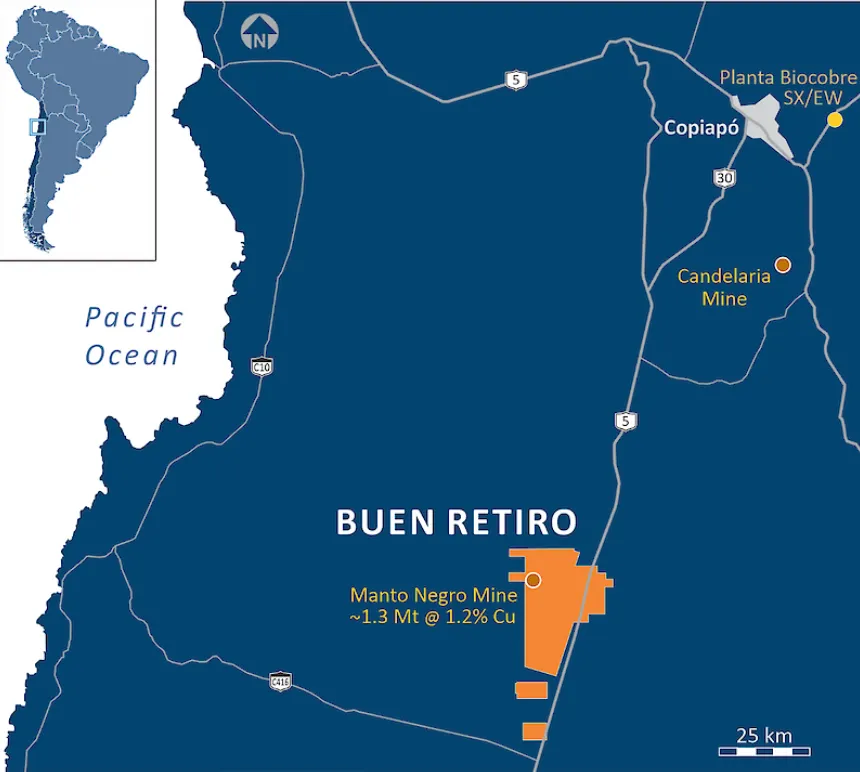
Fitzroy Minerals' Buen Retiro project in Chile's Atacama Region pairs a near-term, infrastructure-enabled copper heap-leach operation with a large-scale Iron Oxide Copper Gold sulphide discovery target.
Project Overview
Buen Retiro is a brownfields copper project in Chile's Atacama Region, held under option by Fitzroy Minerals (TSXV: FTZ / OTCQX: FTZFF / FSE: C3Y). The land was previously operated as a mine by Sociedad Punta del Cobre S.A. (Pucobre), and Fitzroy holds an option to earn 100% of the project from Pucobre (50%) and SCMBR S.A. (50%) by mid-2028. Chile produces approximately 5.4 million tonnes of copper per year, accounting for roughly one quarter of global supply, within a mining law framework that has remained stable since 1980.
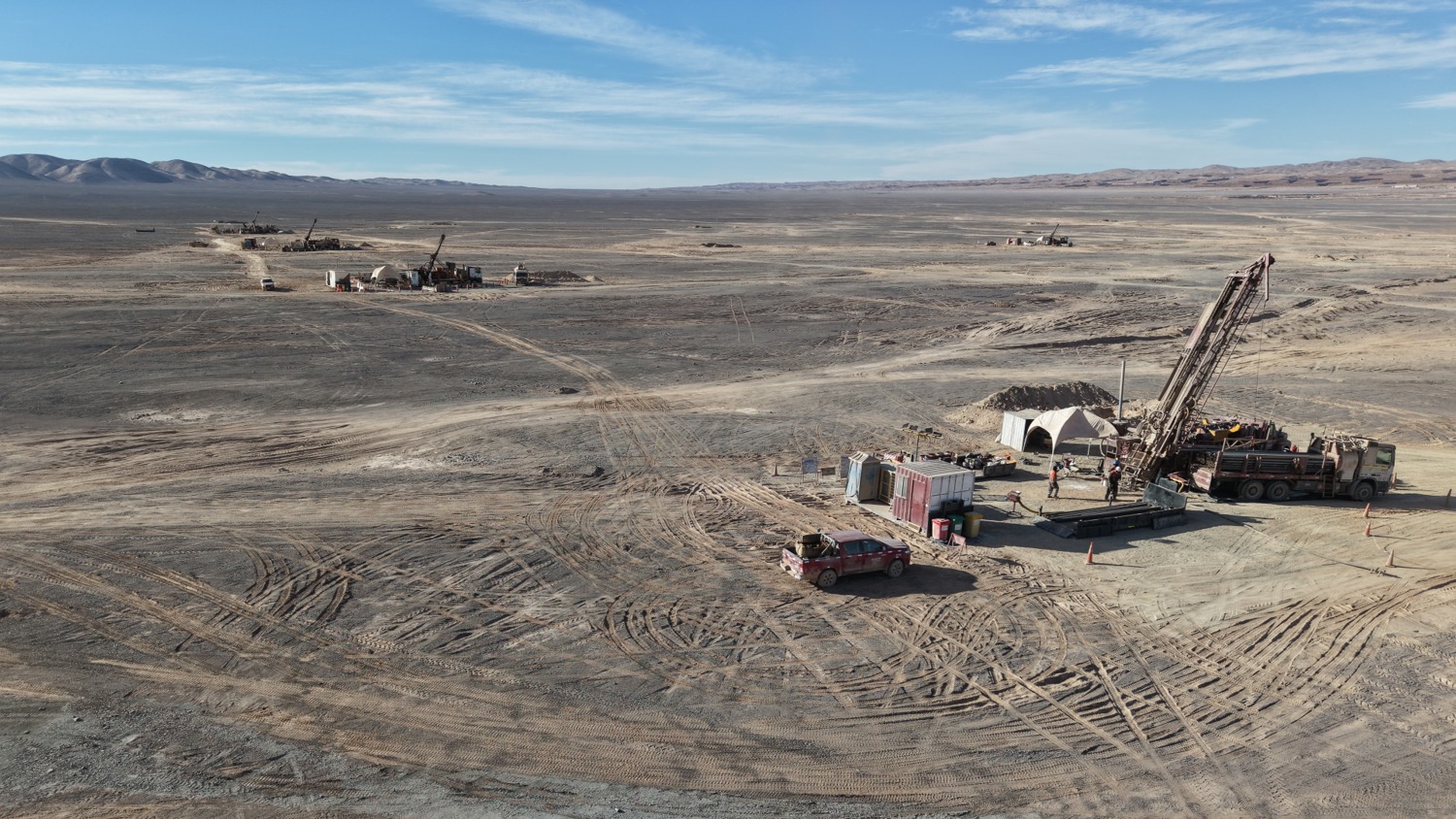
Two development tracks are running simultaneously. A Pre-Feasibility Study (PFS) is underway for a planned heap-leach joint venture, currently under a non-binding Letter of Intent (LOI) with Pucobre, targeting near-term copper cathode production with low capital requirements, enabled by existing Pucobre processing infrastructure. In parallel, an active drilling programme is advancing a sulphide target beneath the proposed oxide pit; a geological system that has been independently assessed as analogous to the nearby multi-Billion dollar Candelaria operation, a flagship asset that holds roughly 600 million tons of sulphide reserves.
1. Location, Access & Project History
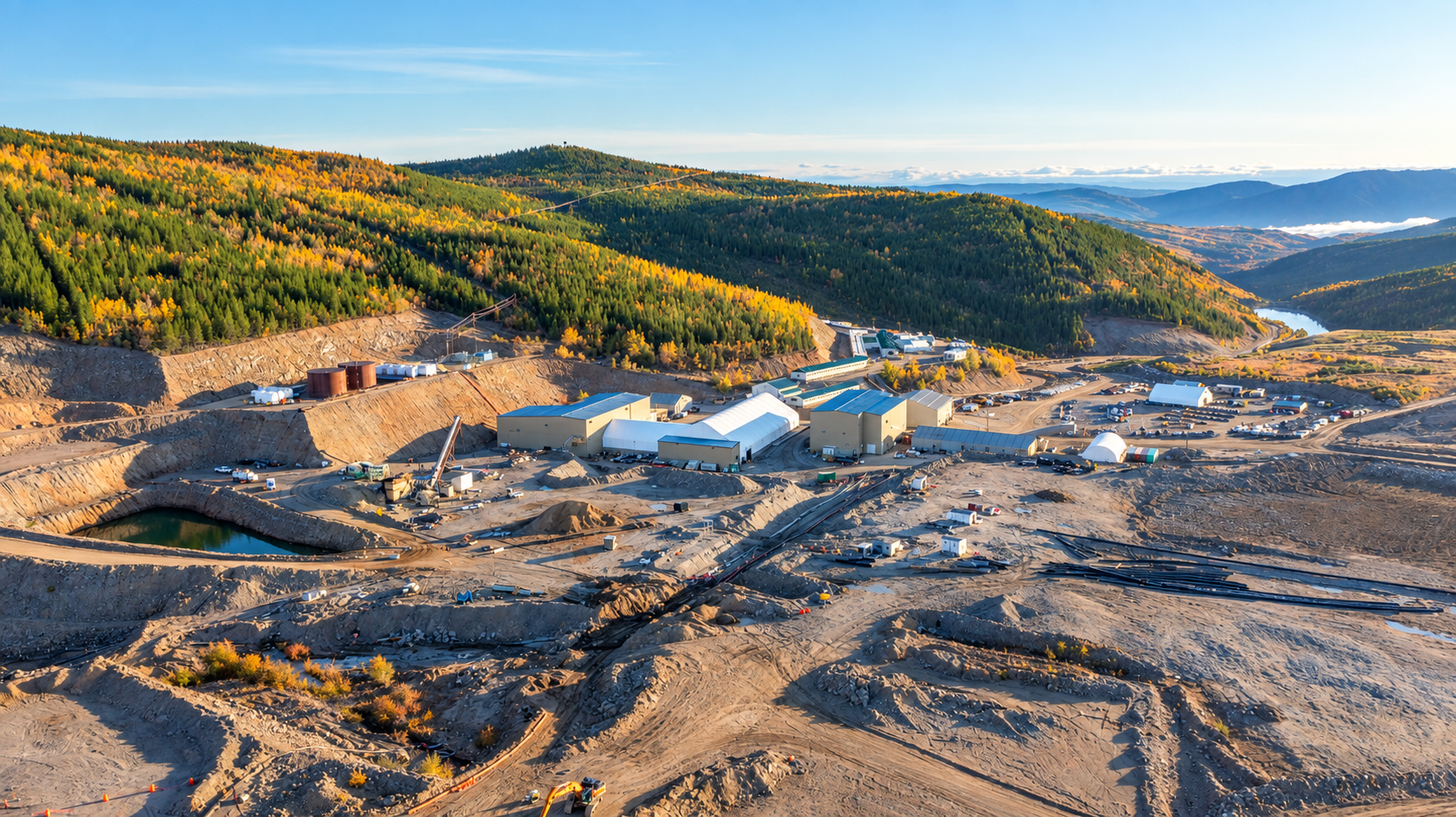
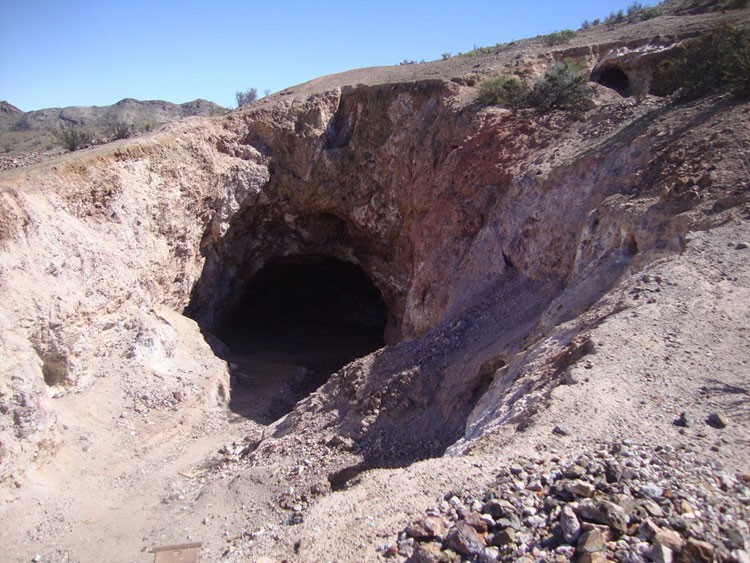
Buen Retiro's brownfields character and low-elevation access place it below the infrastructure and permitting threshold of typical Chilean greenfield copper development. The project is located near Copiapó in the Atacama Region, only 370 metres above sea level, adjacent to the Pan-American Highway. That combination of road access, low elevation, and an existing mine footprint removes several categories of pre-development complexity that typically weigh on project timelines and capital budgets.
Pucobre, the same company now participating in the planned heap-leach joint venture, operated the historical mine. That continuity is operationally relevant: Pucobre carries familiarity with the ground, its own nearby processing infrastructure, and a direct interest in the project's success as both an option holder and a prospective joint venture partner.
2. The Oxide Resource & Heap Leach Pathway
Over 1,700 metres of continuous oxide, transition, and mixed surface copper mineralisation support a credible near-term production case at Buen Retiro. Highlighted drill results include 110 metres at 1.94% copper and 135 metres at 0.73% copper. The width and grade consistency of the corridor support heap leach processing without requiring selective, high-cost mining.
The development plan targets approximately 10 million pounds of copper per year on an attributable basis, at operating cost margins of $1 to $2 per pound. Pucobre has agreed to share open-book cost data from its nearby operations to strengthen PFS modelling. A six-month build period following PFS delivery puts potential first-copper-cathode production in late 2027 or early 2028.
3. Pucobre Infrastructure & the Capital Intensity Equation
The arrangement with Pucobre removes standalone plant construction from Fitzroy's development equation, materially compressing both the capital requirement and the permitting timeline. Pucobre's Planta Biocobre solvent extraction-electrowinning (SX-EW) facility has operated continuously since 1992 and is located 70 kilometres from Buen Retiro by truck. Under a non-binding letter of intent (LOI) signed in April 2026, Pucobre offered access to at least 80% of the facility's 800-tonne-per-month copper cathode capacity. The plant carries grandfathered permitting, removing a significant regulatory step from the critical path. Commercial tolling or processing terms are to be negotiated within approximately 90 days of the LOI.
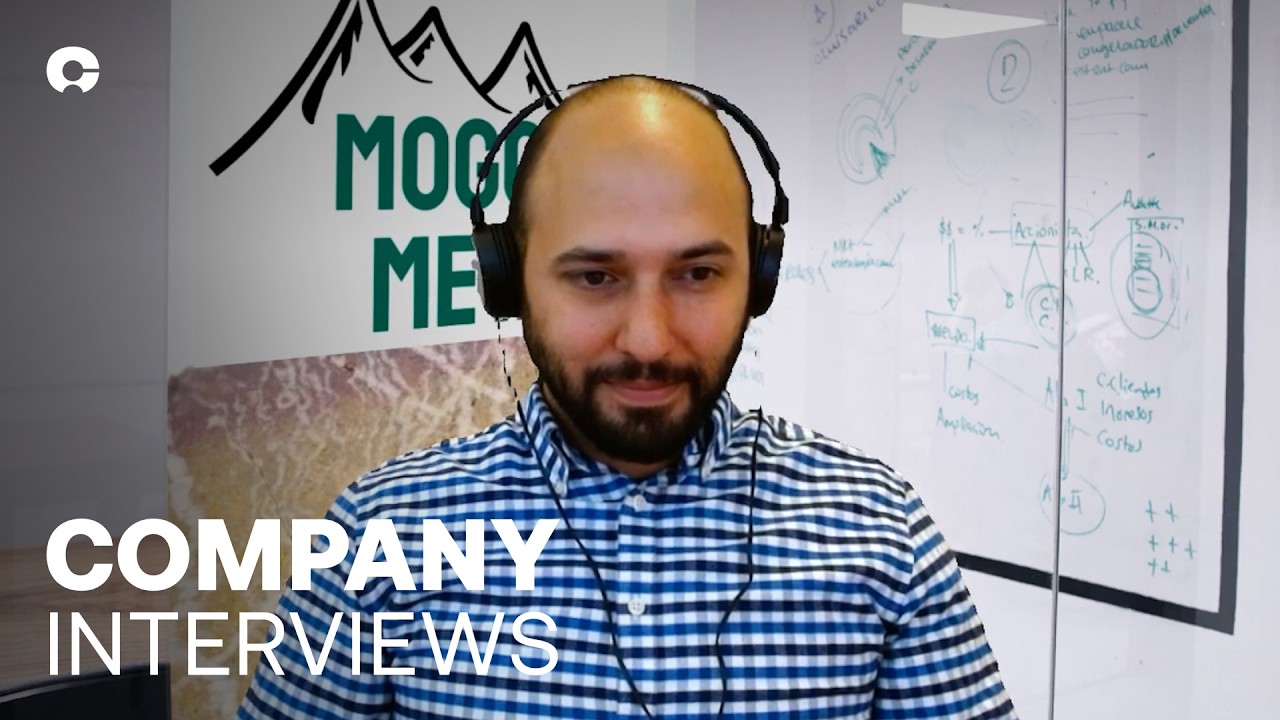
In an interview prior to the LOI signing, President and Chief Executive Officer of Fitzroy Minerals, Merlin Marr-Johnson, outlines the capital and timeline implications of the Pucobre arrangement:
"We're looking at doing a heap leach joint venture with Pucobre, who are a proven partner, and there are various infrastructure advantages this would give us, non-operated cash flow, and a very low capital intensity. This is a low-cost operation to bring into production. We think we can do it super quickly."
The non-operated structure means Fitzroy receives copper cathode revenue without carrying direct operating liability for the processing plant, a meaningful distinction at this stage of development.
4. The Sulphide Target Beneath the Oxide Pit
Beneath the proposed oxide starter pit, Buen Retiro hosts a sulphide target with a material footprint, with early drill results confirming mineralisation at grades of economic interest. An induced polarisation (IP) anomaly approximately 3 kilometres long and 2 kilometres wide sits directly beneath the planned pit and remains open at depth and to the northeast. The geological system is an Iron Oxide Copper Gold type, characterised by volcanic tuffs and breccias cut by iron-rich fluids, with disseminated chalcopyrite, hematite stockwork, and chalcopyrite stringers.
The first three sulphide drill holes all returned disseminated chalcopyrite intersections exceeding 149 metres. A shallow sulphide trend is emerging in the northern section, and regional testing 2.5 kilometres away returned 36 metres, including 5 metres at 1.33% copper.
Marr-Johnson sets out the dimensions of the IP anomaly and what they represent for the exploration programme:
"Meanwhile, underneath we've got this huge sulfide target. We've put the first three holes into this IP anomaly, and it seems to be correlating with sulfides, and just for scale, this is 3 km, and that's about 2 km across here, so we've got lots to get after on the sulfides."
5. The Geological Analogy to Candelaria & Manto Verde
An independent geological assessment compares Buen Retiro's structural setting, mineralisation style, and host rocks with those of Candelaria, an Iron Oxide Copper Gold mine that helps define the scale and potential of the formation. Dr. Irene del Real Contreras has assessed Buen Retiro's structural setting, geology, and mineralisation as analogous to Candelaria, operated by Lundin Mining. Fitzroy's management has also drawn geological comparisons to Manto Verde, operated by Capstone Copper, and La Farola.
The formation context adds a structural dimension to the analogy. The majority of Candelaria's underground resource is hosted in the Lower Pucobre Formation; Buen Retiro's current shallow discoveries sit in the Upper Pucobre Formation, the horizon directly above. Candelaria and Manto Verde each hold approximately 600 million tonnes in sulphide reserves. At the time of the December 2025 interview, Lundin Mining carried a market capitalisation of approximately $22 billion, with Candelaria as its flagship asset; Capstone Copper carried a market capitalisation of approximately $9 billion, with Manto Verde as its flagship.
Marr-Johnson draws the valuation comparison between the Buen Retiro system and the producing analogues:
"Candelaria drives a $22 billion value for Lundin, and Manto Verde drives a $9 billion valuation for Capstone. Obviously, they're in production, and they've got other assets, but still, those are flagship assets for a company, and we think we have got very similar-looking rocks, so we're going to be driving this company towards those, this kind of discovery potential."
6. Option Terms, Pucobre Claw-Back & Royalty Structure
Fitzroy's path to full economic control of Buen Retiro is structured in two stages, each with defined financial conditions. The option to earn 100% from Pucobre (50%) and SCMBR S.A. (50%) by mid-2028 requires: completion of 12,000 metres of drilling (already achieved), at least US$7 million in technical and exploration investment prior to a final technical report, delivery of that report by mid-2027, and a US$4 million bullet payment.
Upon Fitzroy completing its option, Pucobre has indicated its intent to exercise a 30% claw-back right. Exercising that claw-back requires Pucobre to reimburse 90% of Fitzroy's eligible project expenditures, with a minimum payment of US$10.2 million, thereby converting Pucobre from an option holder to a 30% project partner. A 2% net smelter royalty applies to the project interest; Fitzroy retains the right to buy back 1% of that royalty for US$5 million prior to the commencement of construction.
7. Dated Catalysts & Development Timeline
Four sequential milestones define the next 12 to 15 months and determine whether the two-asset development structure advances on schedule. Commercial processing terms with Pucobre are to be finalised within approximately 90 days of the April 2026 LOI. The environmental impact statement (EIS) submission is targeted for the second or third quarter of 2026, with environmental permit approval targeted by mid-2027. PFS delivery is targeted for the fourth quarter of 2026 to the first quarter of 2027. Option exercise completion is anticipated in the second quarter of 2027.
Each subsequent milestone depends on preceding steps. Processing terms must be locked before the PFS can incorporate full economic inputs. Environmental permit approval sits on the critical path to a construction decision. The option exercise deadline of mid-2027 aligns with the expected permit timeline, meaning both development tracks converge in the first half of 2027. Standard risks apply throughout, including financing availability, permitting delays, unexpected geological conditions, cost fluctuations, and environmental regulation; Pucobre's stated intent to exercise the claw-back carries no contractual guarantee of completion.
Key Takeaway for Investors
- The oxide mineralisation corridor at Buen Retiro supports a heap leach production case targeting approximately 10 million pounds of copper per year at operating cost margins of $1 to $2 per pound, with a Pre-Feasibility Study delivery targeted for the fourth quarter of 2026 to the first quarter of 2027, and potential first copper cathode production in late 2027 or early 2028.
- The non-binding letter of intent with Pucobre for access to the Planta Biocobre solvent extraction-electrowinning facility at a minimum of 80% of 800 tonnes per month capacity eliminates standalone plant construction from the development equation, reducing capital intensity and simplifying the permitting path through a processing facility with grandfathered permits and over 30 years of continuous operation.
- An induced polarisation anomaly approximately 3 kilometres by 2 kilometres beneath the proposed oxide pit has returned sulphide drill intersections exceeding 149 metres in each of the first 3 holes, including one intersection of 21 metres grading 0.41% copper and 0.11 grammes per tonne gold, and remains open at depth and to the northeast.
- Independent assessment by Dr. Irene del Real Contreras places Buen Retiro's structural setting and mineralisation style in direct analogy with Candelaria; current drilling is in the Upper Pucobre Formation, the stratigraphic horizon above, whereas the majority of Candelaria's underground resource is concentrated in the Lower Pucobre Formation.
- Full project ownership requires a technical report by mid-2027 and a US$4 million payment, after which Pucobre has indicated intent to exercise a 30% claw-back right requiring reimbursement of at least US$10.2 million; a 2% net smelter royalty applies, with Fitzroy able to reduce its exposure by half for US$5 million before construction begins.
- Four milestones define the next 12 to 15 months: commercial processing terms with Pucobre targeted within approximately 90 days of the April 2026 letter of intent, environmental impact statement submission targeted for the second or third quarter of 2026, Pre-Feasibility Study delivery targeted for the fourth quarter of 2026 to the first quarter of 2027, and option exercise completion anticipated in the second quarter of 2027.
Bottom Line
Buen Retiro is a two-part asset at a defining stage. The oxide heap leach track is operationally structured: the mineralised corridor is drilled, the Pucobre infrastructure arrangement is in place under a signed LOI, the PFS is underway, and the development timeline to potential first production runs to late 2027 or early 2028. The near-term milestones are specific and dated.
The sulphide track is an earlier stage, but geologically material. An IP anomaly measuring approximately 3 kilometres by 2 kilometres lies beneath the proposed oxide pit in a formation independently assessed as analogous to mine systems with reserve bases of approximately 600 million tonnes each, supported by peer-company valuations of approximately $22 billion and $9 billion, respectively, at the time of the December 2025 interview. What to watch across the next 12 months: finalisation of Pucobre processing terms, EIS submission, and PFS delivery. These three outputs will establish whether the heap leach case holds at the economics outlined and provide the structural context to assess what the sulphide programme may deliver beneath it.
Analyst's Notes





Subscribe to Our Channel




Stay Informed


