




Fitzroy Minerals’ 2026 Roadmap: 6 Things You Need to Know



Fitzroy Minerals holds C$28 million in cash and a defined 12-month catalyst sequence across two Chilean copper projects. Here are 6 things investors need to know.
Project Overview
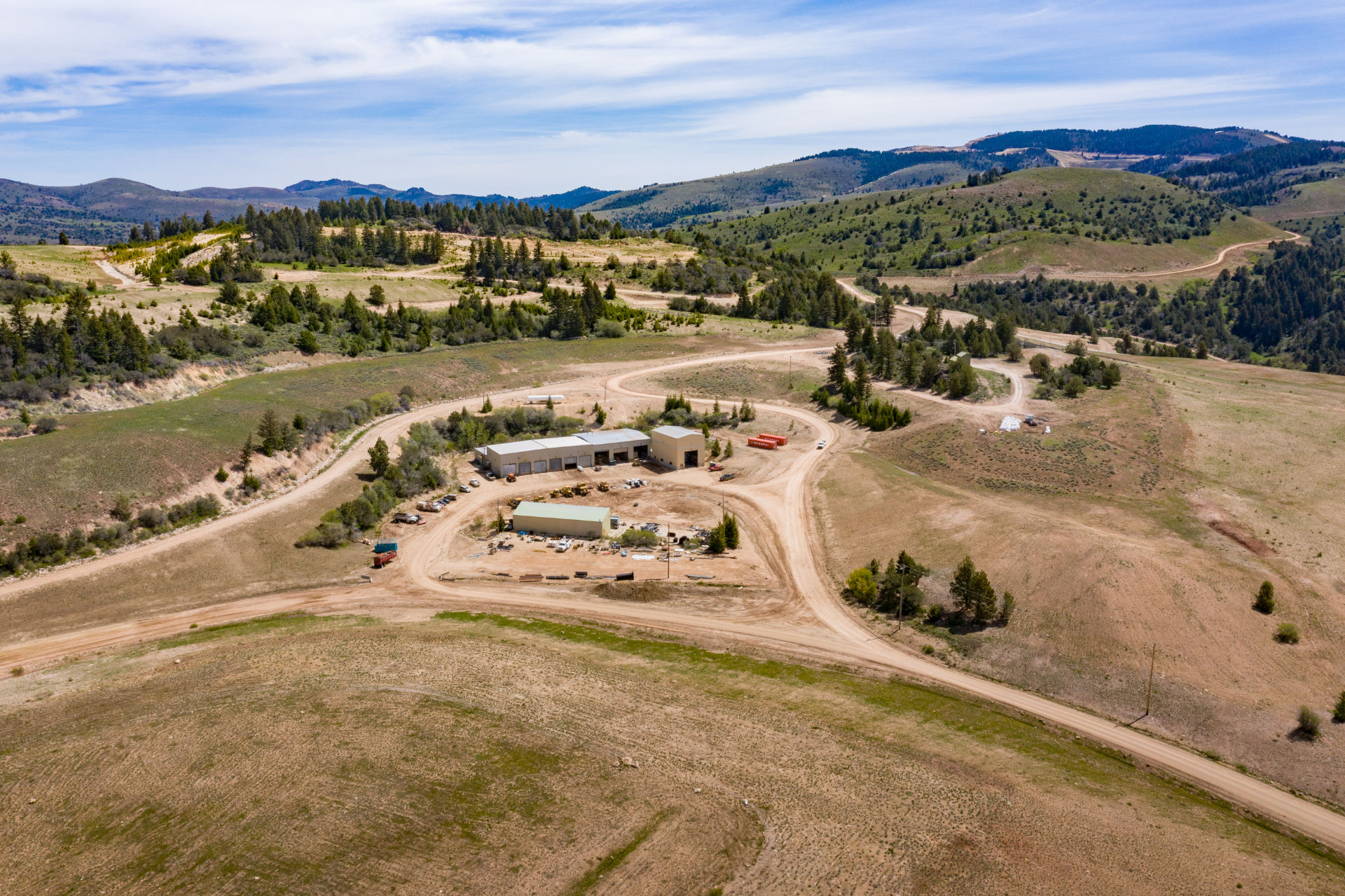
Fitzroy Minerals (TSX-V: FTZ, OTCQX: FTZFF) is a copper-focused explorer with two active projects in Chile: the Buen Retiro Copper Project, located near Copiapó in the Atacama Region, and the Caballos Copper Project, located in the Valparaíso region. Fitzroy Minerals enters 2026 with approximately C$28 million in cash and a market capitalization of C$138 million. Their 12-month work programme, spanning from the first quarter of 2026 through the first quarter of 2027, covers a maiden mineral resource estimate (MRE), an initial pre-feasibility study (PFS) under a heap leach joint venture structure, a sulphide discovery drill-out at Buen Retiro, and Phase 2 drilling at Caballos.
1. The Maiden MRE at Buen Retiro Establishes the Oxide Inventory Required for PFS
The third-quarter 2026 MRE at Buen Retiro is the first formal quantification of the project's oxide-copper inventory and a structural prerequisite for the subsequent initial PFS.
The 2026 work programme at Buen Retiro includes infill drilling, sterilisation, geotechnical drilling, metallurgy, engineering, and baseline studies, all of which feed into the MRE process. Without a compliant resource, no independent economic study can proceed, which makes the third quarter of 2026 MRE the foundational milestone for the remainder of the development timeline. A budget of C$7 to C$10 million has been allocated to Buen Retiro for the full year. The MRE is the lowest-risk milestone in the sequence, formalising indications already seen in the drilling record and clearing the path for the PFS and any subsequent financing or partnership decisions.
CEO of Fitzroy Minerals, Merlin Marr-Johnson, outlined the sequencing of work ahead:
"We've got infill, sterilization, geotech and metallurgy to do. We've got the maiden mineral resource estimate to work on, engineering, baseline studies, and hopefully have a completed PEA by the end of next year."
2. The Heap Leach Joint Venture With Pucobre Reduces Capital Intensity and Accelerates Cash Flow Optionality
The initial PFS is structured around a heap leach joint venture with Pucobre S.A., offering low capital intensity and potential near-term, non-operated cash flow.
Pucobre S.A. operates the Planta Biocobre facility, an 800-tonne-per-month copper SX-EW plant that has been in continuous operation since 1992 and sits in proximity to the Buen Retiro project. Under the option terms, Fitzroy Minerals holds a full title option over 100% of Buen Retiro, with minimum eligible expenses of US$11.3 million structured across two deadlines: US$7 million in exploration and technical expenditure by August 2027, and a US$4 million bullet payment plus US$300,000 in legal fees by August 2028.
Pucobre S.A. retains a clawback right to 30% of the project upon delivery of a technical report. A 2% net smelter return (NSR) royalty applies, with Fitzroy retaining the right to buy back 1% for US$5 million before construction commences.
Marr-Johnson described the strategic logic behind the JV approach:
"We are looking at doing a heap leach joint venture with Pucobre, who are a proven partner, and as I've mentioned, there are various infrastructure advantages. This would give us non-operated cash flow and a very, very low capital intensity. This is a low-cost operation to bring into production; we think we can do it super quickly."
3. The Sulphide Drill-Out Targets a Candelaria-Analogous System With Depth Upside
Beneath the oxide heap leach target, a sulphide discovery programme is underway at Buen Retiro, where geology has been characterised as analogous to Candelaria.
A major induced polarisation (IP) anomaly opens at depth, with passive seismic and ambient noise tomography (ANT) geophysics scheduled alongside exploration drilling through the fourth quarter of 2026 and into the first quarter of 2027. Existing oxide intercepts include a drill hole at 110 metres at 1.94% copper and another drill hole at 135 metres at 0.73% copper, with over 1,700 metres of continuous mineralisation linking the south and southwest areas of the project.
Independent geological consultant Dr. Irene del Real Contreras concluded that the structural setting, the geology and the mineralization seen at Buen Retiro are analogous to that of Candelaria, with minor differences. The sulphide programme runs concurrently with the PFS, allowing Fitzroy to pursue near-term production optionality and exploration upside simultaneously. The sulphide drill-out represents the higher-risk, higher-reward component of the Buen Retiro investment case, separate from, but running alongside, the lower-risk oxide development track.
4. Caballos Phase 2 Drilling Targets Scale in a Proven Porphyry Belt
Phase 2 drilling at the Caballos Copper Project, planned for the fourth quarter of 2026, targets the lateral and depth extent of a copper-molybdenum-gold-silver-rhenium porphyry system positioned between two of Chile's largest copper operations.
Caballos covers 18,000 hectares in the Valparaíso region, with Los Pelambres 70 kilometres to the north and Los Bronces 100 kilometres to the south. The first drill programme returned 200 metres at 0.46% copper, 0.06% molybdenum, and 0.07 grams per tonne gold, including a higher-grade core of 98 metres at 0.78% copper, 0.11% molybdenum, and 0.12 grams per tonne gold. A surface anomaly mapped at 1,150 metres by 150 metres has been identified, with greater than 10 kilometres of strike along the Pocuro Fault Zone.
Ahead of Phase 2 drilling, a deep IP survey is planned to refine targeting. Fitzroy identifies molybdenum payability at 4.5 to 5 times copper equivalent, alongside gold and rhenium potential, giving Caballos a polymetallic value profile that extends beyond base copper. These additional metal credits, if realised at scale, could enhance project economics materially above base copper assumptions. Phase 2 results will determine whether the system warrants the scale of work required to define a maiden resource, making the fourth quarter of 2026 drill programme the key value inflection point for this asset.
5. The Pucobre Clawback Decision Is a Defined Corporate Milestone Tied to the Technical Report
Pucobre S.A.'s right to acquire 30% of Buen Retiro upon delivery of a technical report represents a defined corporate decision point that will formalise the JV structure and establish the funding and cash flow pathway for oxide production.
The clawback mechanism is exercisable by August 2028 and requires Pucobre S.A. to pay 90% of Fitzroy Minerals' eligible expenses, with a minimum payment of US$10.2 million. Fitzroy Minerals holds the option for 100% of Buen Retiro, with the clawback representing Pucobre's right to acquire a 30% interest upon exercise. The clawback option is tied to total eligible expenses on delivery of a technical report.
6. C$28 Million in Cash Funds the Full 2026 Programme With a C$10 Million Buffer
The C$28 million cash position gives Fitzroy Minerals the capital to execute its expanded 2026 work programme across both projects while retaining a C$10 million treasury buffer after all planned expenditure.
The cash position reflects proceeds from the financing closed on March 13 and 19, 2026, combined with proceeds from the exercise of 96% of outstanding warrants at C$0.25 per share. The C$28 million position also provides the ability to trigger the option exercise at Buen Retiro independent of Pucobre's clawback election.
Bottom Line
Fitzroy Minerals transitions from a single-project explorer to a company managing parallel development and exploration tracks across two assets. The two Q4 2026 outcomes, the initial heap leach PFS and Caballos Phase 2 drilling, carry independent implications for how each asset is valued, while the concurrent sulphide programme at Buen Retiro adds a separate exploration-stage track. The C$10 million treasury buffer and the ability to trigger the option exercise independent of the Pucobre clawback preserve Fitzroy's flexibility across all three tracks through to the first quarter of 2027.
Analyst's Notes





Subscribe to Our Channel







.png)

Stay Informed


