




Why the Precious Metals Breakout Has Not Re-Rated PGE Developers



Historic platinum, palladium, and gold prices haven't lifted PGE developer valuations proportionally, the structural disconnect, and what closes it.
- Platinum surged past an all-time high of $2,700 per ounce, and palladium passed $2,000 per ounce, yet development-stage platinum group element (PGE) projects have not re-rated alongside the commodity breakout, pointing to structural factors in supply, metallurgy, and market awareness that higher prices alone do not resolve.
- A multi-year structural deficit of 500,000 to 700,000 ounces across the platinum and palladium market, combined with a 42% drawdown in above-ground stocks and a sustained decline in primary mine production since 2021, has driven prices to historic levels without triggering meaningful new supply at scale.
- Approximately 80% of global PGE supply originates from Southern Africa and Russia, where deep-level underground operations face rising electricity costs and diesel logistics vulnerability, creating durable pressure to develop geographically diversified sources outside the dominant producing regions.
- The limited number of development-stage PGE projects worldwide, traditional metallurgical complexity in near-surface oxidised deposit types, and a broader lack of market awareness of junior developers have together decoupled equity pricing from commodity price moves across the development pipeline.
- A defined catalyst sequence through 2026 to 2027, including a resource update incorporating newly drilled targets, publication of a Preliminary Economic Assessment (PEA), and commencement of formal licensing, represents the technical proof points the market would require to begin closing the gap between in-situ resource values and current equity pricing.
Introduction
The 2024 to 2025 precious metals cycle produced price moves that stand apart from prior bull markets in their breadth. Platinum surged past an all-time high of $2,700 per ounce before closing around $2,000 per ounce. Palladium passed $2,000 per ounce before settling at approximately $1,700 per ounce. Gold passed $5,000 per ounce and closed at approximately $4,600 per ounce. Platinum gained more than 160% over the previous year. Across the three metals simultaneously, the price action was historic.
The development pipeline for Platinum Group Elements (PGE) has not registered a commensurate increase. Only two major greenfield PGE mines globally are currently targeting near-term production. The pipeline is thin by any measure, and the factors that keep it thin, geographic supply concentration, metallurgical barriers in near-surface deposit types, and a broader lack of market awareness of junior developers, have not been resolved by higher commodity prices alone.
Understanding why that disconnect persists, and what dated technical deliverables would be required to close it, has become the central valuation question for the PGE development sector.
PGE Supply Structure & the Price Breakout
The platinum and palladium market entered the current price cycle carrying a structural multi-year deficit of 500,000 to 700,000 ounces. Above-ground stocks have been drawn down by 42%, leaving less than five months of coverage. Primary platinum mine production declined from a peak of more than 6 million ounces in 2021 to a forecast of approximately 5.5 million ounces in 2026, removing the buffer that historically absorbed demand variability.
Demand dynamics have amplified the supply pressure from multiple directions. Automotive applications account for approximately 40% of platinum demand and approximately 80% of palladium and rhodium demand. Hybrid vehicles, which use 10 to 20% more PGEs than internal combustion engines, have increased their share of global vehicle production. Physical investment has added a separate demand vector: platinum bar and coin demand in China grew from near zero in 2019 to more than 400,000 ounces in 2025. Projections indicate that switching just 1% of current global gold jewellery demand to platinum would double the annual platinum deficit.
Despite the price response, new production capacity has not followed. The development pipeline that would eventually replace declining primary output has not expanded at the pace of the commodity price move, and the supply shortfall is therefore structural rather than resolvable through market signalling alone.
Supply Geography & Diversification Pressure
Approximately 80% of global PGE supply originates from Southern Africa, predominantly South Africa and Zimbabwe, with a further concentration in Russia. The operational pressures bearing on existing production have intensified in parallel with the price cycle. Southern African mines operate in deep-level underground environments where electricity costs have risen approximately 60% over five years, and diesel supply chains are highly vulnerable, with approximately 60% of South Africa's diesel supply routed through the Strait of Hormuz.
The combination of declining production volumes and a concentrated supply geography has highlighted the lack of a diversified PGE development pipeline outside the dominant producing regions. The two existing vectors of supply concentration, geopolitical exposure in Russia and the cost and infrastructure pressures in Southern Africa, are not temporary conditions. The industry has not generated replacement supply pipelines at a pace consistent with the rate of primary output decline, and the geographic concentration of existing assets amplifies the consequences of any further operational disruption.
Developer Valuation & Metallurgical Complexity
The thinness of the global PGE development pipeline reflects converging barriers that higher commodity prices alone do not resolve. Metallurgical complexity is among the most immediate. Many PGE deposits, particularly those with near-surface mineralisation, feature oxidised or weathered upper zones where traditional sulfide flotation, the processing route established for the deeper, fresh-rock deposits that dominate Southern African production, does not deliver comparable recovery rates.
The industry response has moved toward hydrometallurgical approaches, including leaching and pre-treatment sequences designed for oxidised material. Bench-scale leaching combined with a pre-treatment step has achieved recovery rates of 72.88% platinum and 74.07% palladium from weathered material. Separately, a specific hot caustic pre-treatment has proven successful in leaching high-grade chromitite boulders grading 6.5 to 8.5 grams per tonne. Replicating those rates at continuous industrial scale, through stirred-tank reactors and column tests, remains the technical validation step that separates bench-scale progress from bankable metallurgy.
Alongside the metallurgical barrier, a broader lack of market awareness for junior PGE developers has contributed to the valuation disconnect. Developer identities are also often obscured by historical portfolios, such as ValOre's legacy uranium assets, which creates market confusion that delays equity re-ratings. Commodity price moves are slower to be reflected in equity re-ratings for development-stage companies when the underlying investor audience is structurally constrained.
Pedra Branca: Resource Profile & the Valuation Gap
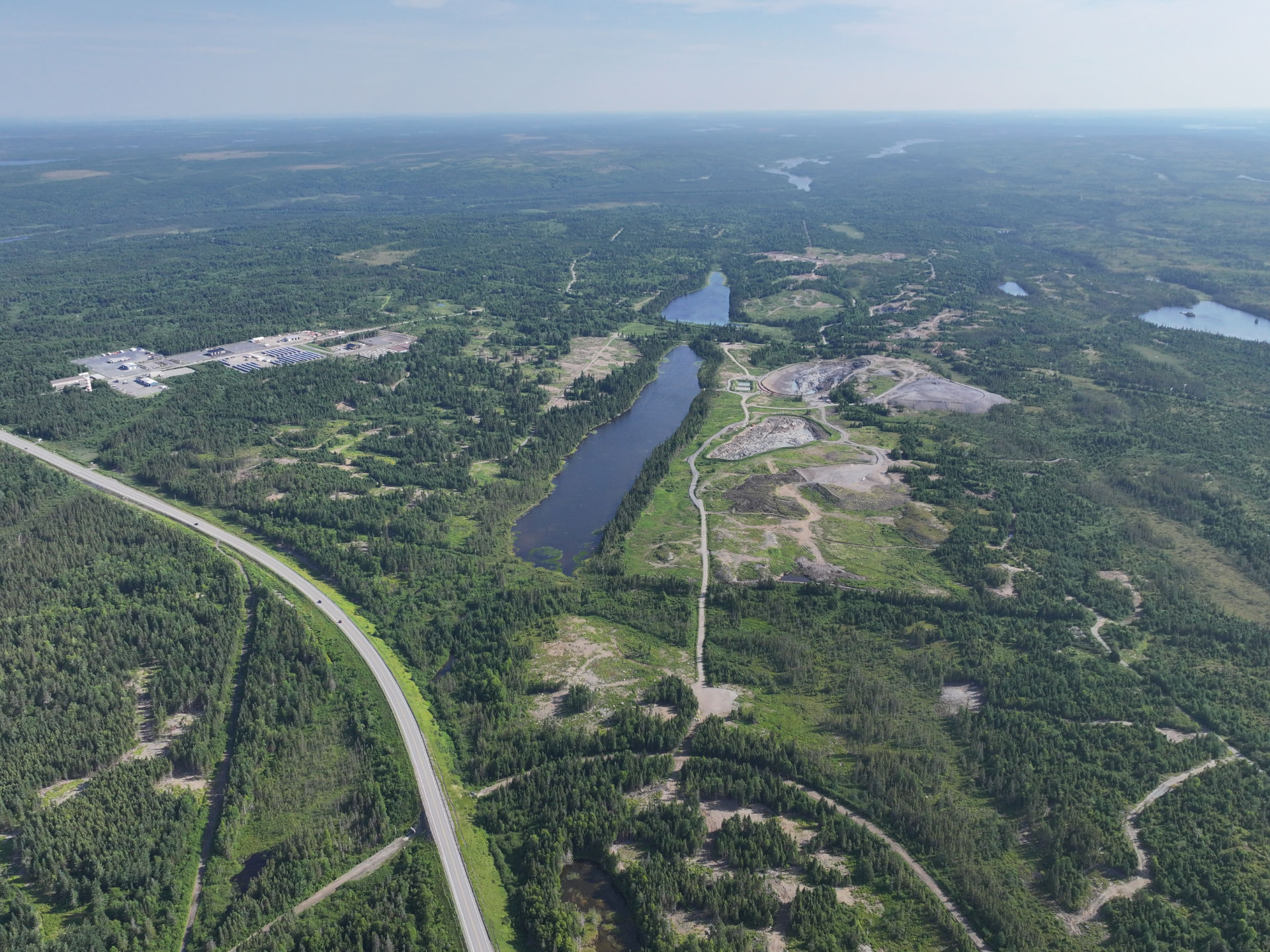
ValOre Metals' (TSXV: VO) Pedra Branca project in northeastern Brazil carries an inferred resource of 2.198 million ounces of palladium, platinum, and gold (2PGE+gold) at 1.08 grams per tonne, contained within 63.6 million tonnes across seven distinct near-surface zones. Four core deposits, Esbarro, Curiu, Cedro, and Cana Brava, hold more than 1 million ounces combined, and two southern zones, Trapia and Massape, hold more than 1 million ounces combined. The 2PGE+gold mineralisation is hosted in near-surface mafic-ultramafic units amenable to open-cast mining. The current estimate does not incorporate more than 6,000 metres of drilling completed in 2023 across five new exploration zones, including the newly discovered Salvador target.
The resource was constrained using a cut-off grade of 0.4 grams per tonne 2PGE+gold, built within an economic pit modelled in Geovia Whittle software. High-grade chromitite boulders grading 6.5 to 8.5 grams per tonne have been successfully leached following hot caustic pre-treatment, supporting the hydrometallurgical pathway being developed in partnership with the University of Cape Town. The peer valuation context is defined by direct comparison: Stillwater Critical Minerals' Stillwater West project in the United States holds 3.3 million ounces of palladium and platinum inferred at a market cap of C$126 million; Generation Mining's Marathon project in Canada holds 3.4 million ounces of palladium and platinum proven and probable at a market cap of C$236 million; Bravo Mining's Luanga project in Brazil holds 10.4 million ounces of palladium equivalent measured and indicated resource plus 5 million ounces palladium equivalent inferred at a market cap of C$440 million; and Platinum Group Metals' Waterberg project in South Africa holds 23.4 million ounces on a four-element basis, proven and probable, at a market cap of C$389 million. ValOre Metals' market cap sits at approximately C$26 million.
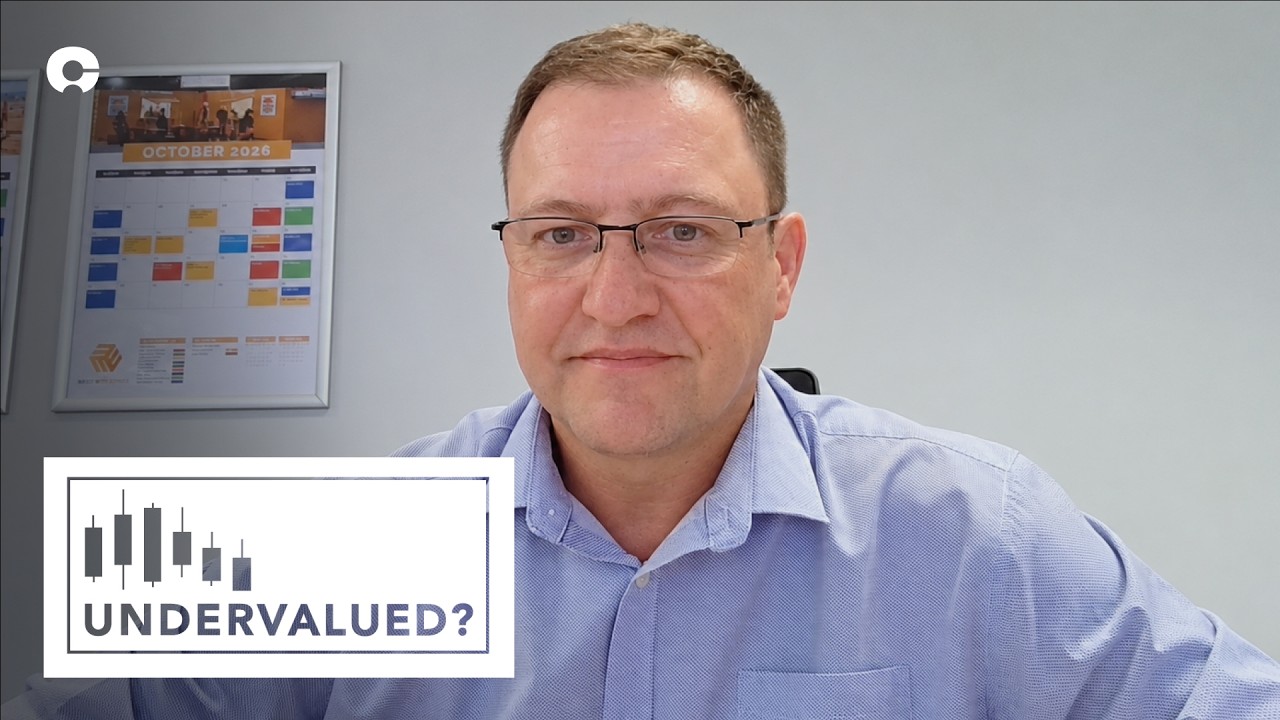
Chief Executive Officer and Director of ValOre Metals, Nick Smart, describes where the resource stands relative to the peer group:
"We've got an ounce count that is comparable to our peers, we've got good grades, but these are companies that are all $100 to $200 million market cap companies. ValOre today is sitting around $26 million, so the real question then is, why is that?"
Management attributes part of the valuation discount to market confusion stemming from legacy uranium assets, a factor the company is addressing.
Brazil as a PGE Development Jurisdiction
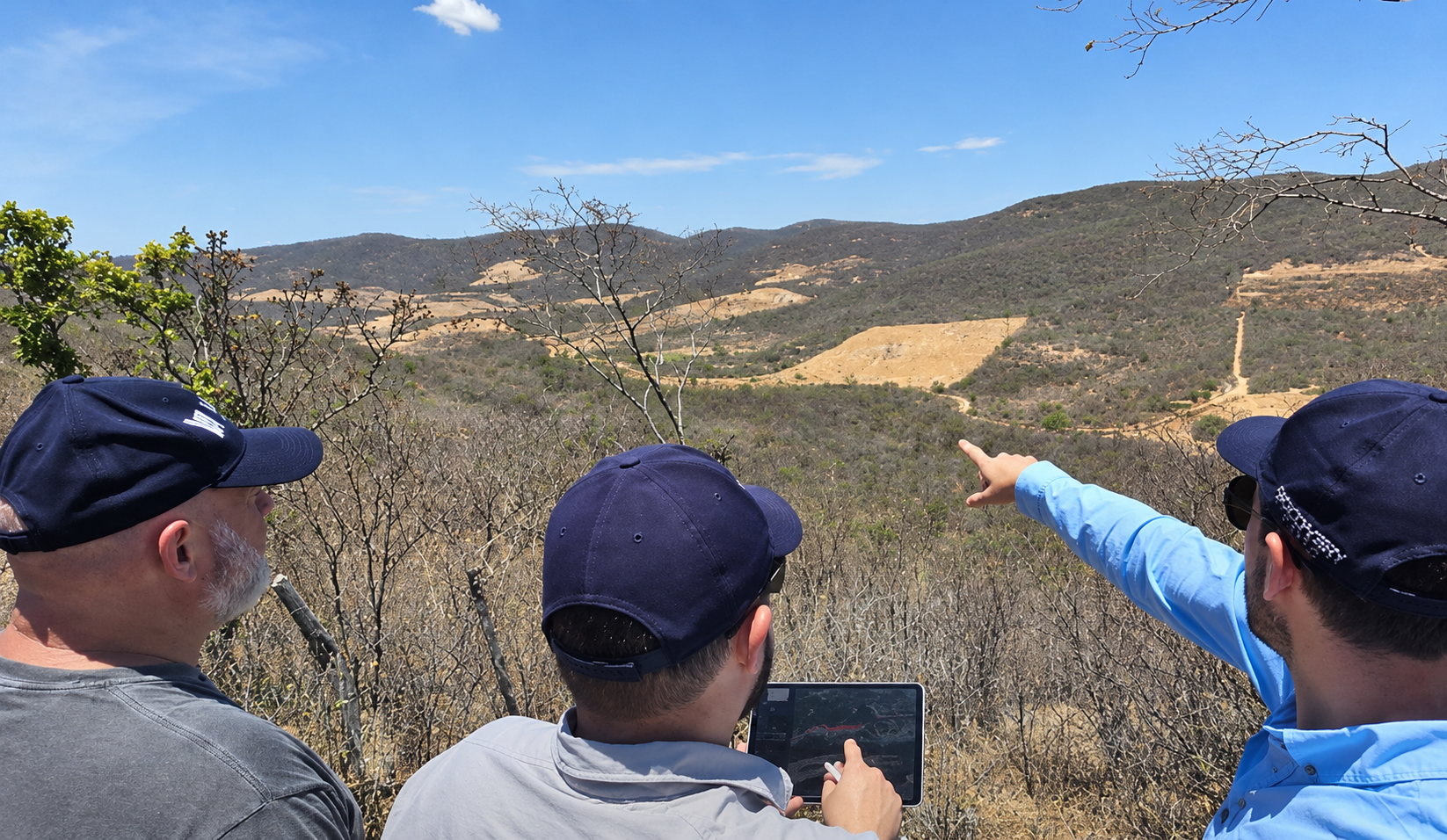
Pedra Branca is located in the state of Ceará, northeastern Brazil, across 45 exploration licences covering 51,096 hectares. The project is a four-hour drive on a paved highway from a deep-water port and international airport in Fortaleza, with nearby electricity infrastructure. Brazil ranks among the top 10 global gold producers and now graduates more mining engineers annually than the United States and Canada combined, providing a services and talent base that supports development-stage PGE work at a meaningful scale.
The jurisdictional profile stands apart from the dominant PGE-producing regions in one specific respect: it does not carry the supply concentration risks of Southern Africa or Russia. The logistics connectivity, road access to a deep-water port, proximity to international air freight, and available power infrastructure address a set of development prerequisites that are more constrained in several peer jurisdictions.
Smart addresses the project's position relative to the industry's supply concentration problem:
"There's a geopolitical risk when you've got such a concentration within South Africa, Russia, and Zimbabwe. There's going to be a realisation of that, and a desire to diversify the sources of those metals. We've seen that in the world across a number of critical metals, and PGEs are critical metals."
Development Milestones & Industry Outlook
The catalyst sequence for Pedra Branca runs through 2026 to 2027 across a defined set of technical and corporate milestones. A third-quarter 2026 resource update is targeted to incorporate the Salvador target and other recently drilled zones. A fourth-quarter 2026 preliminary economic assessment (PEA) publication is targeted, supported by ongoing engineering work with an appointed engineering firm. Formal licensing commencement and initiation of an Environmental Impact Assessment are targeted for the first quarter of 2027. In parallel, metallurgical scale-up data will be released as testwork progresses from bench-scale shake flasks to stirred-tank reactors and column tests, each constituting an interim proof point along the hydrometallurgical pathway.
The corporate identity question intersects directly with the development timeline. ValOre is disposing of its 51% interest in Hatchet Uranium Corp. to Future Fuels to become a pure-play precious metals company, with an extended outside deadline of 30 April 2026 pending TSX Venture Exchange (TSXV) review.
Smart describes the company's repositioning and what the Hatchet transaction resolves:
"ValOre, in terms of history, we've previously held uranium assets. I think among investors, there isn't that association with saying 'ValOre, serious player and developer of PGE assets.' We've now cleared that up with our recently announced sale of the Hatchet uranium properties through to Future Fuels. We're 100% focused on precious metals and specifically the flagship Pedra Branca PGE project."
The broader industry outlook reflects a sector in which commodity prices have moved faster than the development pipeline can respond. A development pipeline constrained to two major greenfield projects targeting near-term production means the addressable supply gap will not be closed through existing assets, and the market will need to look further into the development stage to find vehicles capable of contributing to primary output over the medium term. The projects that progress through the required technical sequence against a commodity backdrop that has already moved stand to benefit from a re-rating environment that was not available at prior price points. The valuation gap between in-situ resource metrics and current equity pricing across the development pipeline is unlikely to close before those technical proof points are established, but where a project carries a defined sequence of dated deliverables in that environment, the market has a structured basis on which to begin reassessing the gap.
FAQs (AI-Generated)
Analyst's Notes





Subscribe to Our Channel




.png)




Stay Informed


