




GR Silver Mining Extends High-Grade Silver Mineralisation 500 Metres Down-Dip at San Marcial



GR Silver extends San Marcial high-grade silver 500m down-dip, confirms depth continuity and new zones, supporting resource growth and 2026 update.
- Drilling in the Southeast Area confirms high-grade silver mineralisation extends 500 metres down-dip from surface, with intercepts including 15.6 metres at 351 grams per tonne silver and 6.45 metres at 498 grams per tonne silver.
- The upper mineralised zone, hosted in an andesitic dyke previously interpreted as barren, opens new exploration potential above the hydrothermal breccias and returned 1.2 metres at 1,618 grams per tonne silver.
- The lower zone demonstrates the system remains open at depth, returning 61.15 metres at 15 grams per tonne silver, approximately 75 metres below the high-grade interval announced in September 2025.
- Geological interpretation indicates high-grade silver mineralisation should remain open for at least another 100 metres below current intercepts based on boiling textures with calcite and high-grade silver minerals.
- The 20,000-metre drilling program is targeting completion by the second half of 2026 with two rigs on site and additional rigs in transit, supporting a mineral resource estimation update in the second half of 2026.
Company Overview
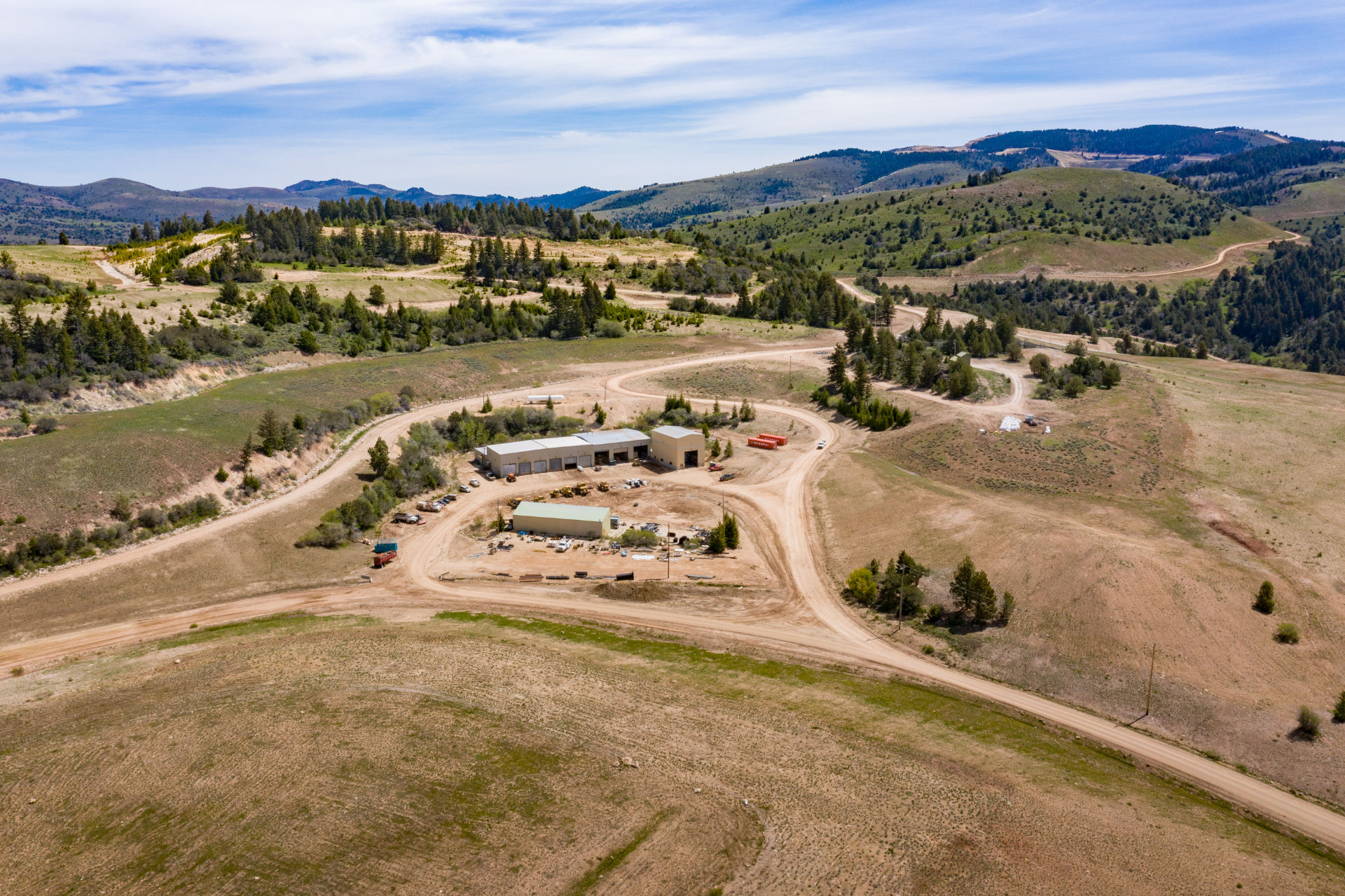
GR Silver Mining Ltd. (TSXV: GRSL) is a Canadian mineral exploration company advancing the Plomosas Project in Sinaloa State, Mexico. The company holds 100% ownership of 78 square kilometres of exploration concessions on the eastern edge of the Rosario Mining District, including the former Plomosas underground mine and the San Marcial Area, where recent drilling has delineated wide, high-grade, shallow silver mineralisation hosted in hydrothermal breccias. The project benefits from existing mine infrastructure, road access, and permits associated with past-producing mining sites.
Drilling Results Confirm Down-Dip Extension
GR Silver Mining announced results from the first two drill holes completed in the Southeast Area (SE) as part of the 2026 step-out drilling program on April 22, 2026. The results confirm the continuity of high-grade silver mineralisation up to 500 metres down-dip from surface. Both holes are located on the same cross-section as a previous drill hole, which returned 75.2 metres at 260 grams per tonne silver in results announced on 3 September 2025.
The first hole intersected two distinct mineralised zones controlled by the intersection of the northwest-southeast trending San Marcial breccia and northeast-trending faults. The upper zone, hosted in an andesitic dyke cross-cutting the upper Oligocene volcanic sequence previously interpreted as barren, returned 6.45 metres at 498 grams per tonne silver from 235.45 metres down hole, including 1.2 metres at 1,618 grams per tonne silver. This intercept opens new exploration potential in the upper part of the system, above the hydrothermal breccias. The lower zone, hosted within chlorite-hematite-rich breccias approximately 75 metres below the extensive high-grade interval, returned 61.15 metres at 15 grams per tonne silver from 416.45 metres down hole, indicating that the system remains open at depth.
The second hole confirms the continuity of high-grade silver mineralisation within chlorite-hematite-rich breccias near the contact with the lower Jurassic volcano-sedimentary unit, returning 15.6 metres at 351 grams per tonne silver from 222.85 metres down hole, including 2.5 metres at 1,395 grams per tonne silver. This intercept of multiphase hydrothermal breccias confirms the east-west extensional trend affecting the key northwest-southeast breccia orientation, from surface up to 500 metres depth.
Geological Interpretation Supports Depth Extension
The drilling confirms the continuity of silver mineralisation within both the chlorite-hematite hydrothermal breccias and the overlying Oligocene units, where quartz-calcite-sulfide veining crosscuts earlier breccias. In comparison with typical epithermal deposit models, boiling textures with calcite and high-grade silver, including argentite and acanthite, suggest that high-grade silver mineralisation should remain open at depth for at least another 100 metres below current intercepts. The second drill hole helps connect mineralisation and structural trends from surface down to approximately 500 metres depth, indicating that the boiling zone is well developed and preserved between approximately 600 and 300 metres elevation, with potential to extend to depth.
Continuity of high-grade mineralisation demonstrated by these results, together with geochemical modelling, advanced petrographic studies, and a robust geological and structural model, provides strong confidence in defining a significantly larger epithermal system with substantial potential for future resource growth in the San Marcial Area.
A third hole drilled from the same platform in the 2025 drilling program confirms that the Central Area shows an increasing tendency to lead and zinc grades, with intercepts including up to 0.65 metres at 54 grams per tonne silver, 7.8% lead, and 0.6% zinc. This result helps define a potential boundary of the boiling zone and supports the interpretation that the plunge of mineralisation trends toward the southeast at depth.
Eric Zaunscherb, Executive Chair, Interim President, and Interim Chief Executive Officer of GR Silver Mining, stated:
"These results strengthen our confidence in the continuity of the silver-mineralized system at San Marcial at depth in the SE Area. The successful targeting of these new high-grade intervals has been guided by our technical team's geological work and 3D modelling and provides further support and confidence for the upcoming Mineral Resource Estimation update in the second half of 2026. I am very proud of our technical team driving this program forward and demonstrating San Marcial's significant upside potential.”
Plomosas Project Context
The Plomosas Project, including the recent high-grade silver discovery in the San Marcial SE Area, is progressing in 2026 as an emerging high-grade silver district located on the southwestern edge of the Sierra Madre Occidental, at the border of Durango and Sinaloa, Mexico. The Plomosas Project covers 7,823 hectares and includes the historical Plomosas underground mine, benefiting from mine infrastructure, road access, and existing permits associated with past-producing mining sites.
The district contains intermediate to low-sulfidation epithermal silver and gold mineralisation, hosted in hydrothermal breccias and veins. Recent success in exploration and drilling has delineated wide, high-grade, shallow hydrothermal breccias in the San Marcial Area, including the SE Area discovery, where step-out drilling is underway in 2026, targeting continuous resource growth. With respect to the historical Plomosas Mine, an underground mine operated by Grupo Mexico from 1985 to 2000, work to support future decisions regarding the implementation of a Bulk Sampling Test Mining Program (BSTM) continues.
Next Steps
The 2026 step-out drilling program is currently supported by two drill rigs on site, with additional rigs in transit to complete the planned 20,000 metres by the second half of 2026. Additional drill rigs will start targeting the Parallel Breccia target, located approximately 300 metres from the 2023 Resource Area. This target, influenced by granodiorite and diorite intrusions and hosted within volcano-sedimentary units, continues to refine the geological model, supporting the definition of a large mineralised system hosted along the edge of a regional porphyry intrusive with a set of northwest-southeast-trending breccias parallel to the main San Marcial trend that could expand the size of the deposit. The company is also targeting a mineral resource estimation update in the second half of 2026.
FAQs (AI-generated)
The 500-metre extension confirms strong continuity of high-grade silver mineralisation at depth, reducing geological risk and supporting the potential for a larger resource base.
Intercepts such as 15.6 metres at 351 grams per tonne silver and 6.45 metres at 498 grams per tonne indicate robust grades and widths, which can positively impact project economics and future mine viability.
The discovery of high-grade mineralisation in an andesitic dyke previously considered barren opens a new exploration horizon above known breccia-hosted zones.
Boiling textures and epithermal indicators suggest the system remains open at depth for at least another 100 metres, pointing to additional high-grade discovery potential.
Completion of the 20,000-metre drilling program and an updated mineral resource estimate in the second half of 2026 are key milestones that could materially re-rate the project.
Analyst's Notes





Subscribe to Our Channel





.png)

Stay Informed






