




GR Silver Mining’s Infrastructure-Led Development, Beyond Cost Savings: 6 Things You Need to Know



GR Silver Mining advances 2026 growth with funded drilling, pilot mining, and integrated PEA across a 134Moz silver district in Mexico.
- GR Silver Mining enters 2026 transitioning from explorer to developer, with infrastructure at Plomosas compressing the traditional timeline to production without proportionally escalating capital risk.
- A successful Bulk Sample Test Mining programme at Plomosas could shift the company's market narrative from developer to emerging producer, commanding a meaningfully different valuation multiple.
- The second half of 2026 Preliminary Economic Assessment will be the first integrated economic model across both San Marcial and Plomosas, a 134 million-ounce silver-equivalent district that has never been assessed as a single entity.
- The 20,000-metre step-out campaign at San Marcial is pursuing two distinct upside vectors simultaneously: resource expansion and a potential second parallel discovery, with 80% of geophysical anomalies still untested.
- With C$28.2 million in cash, zero debt, and in-the-money warrants representing a potential further C$25 million, the full 2026 programme is funded without a return to equity markets.
Project Overview
As silver prices hold at elevated levels and thematic investors rotate into primary silver producers and near-term developers, the ability to compress timelines without proportionally escalating capital risk has become a defining differentiator. GR Silver Mining (TSXV: GRSL | OTCQX: GRSLF | FRA: GPE) is making a credible case that it has found a structural shortcut into that category. The company enters 2026 at an inflexion point: transitioning from explorer to developer, with two district-scale assets in Mexico’s Durango/Sinaloa corridor, a fully permitted past-producing mine at Plomosas, and a capital programme that is already in motion.
The infrastructure-led development thesis at GR Silver is a de-risking strategy that compresses the traditional explorer-to-producer timeline that carries direct valuation implications.
1. The Infrastructure Advantage Is a Timeline Advantage, Not Just a Capex Story
Existing permits and physical infrastructure at Plomosas eliminate years of development lead time, shifting the primary investor risk from execution uncertainty to operational confirmation.
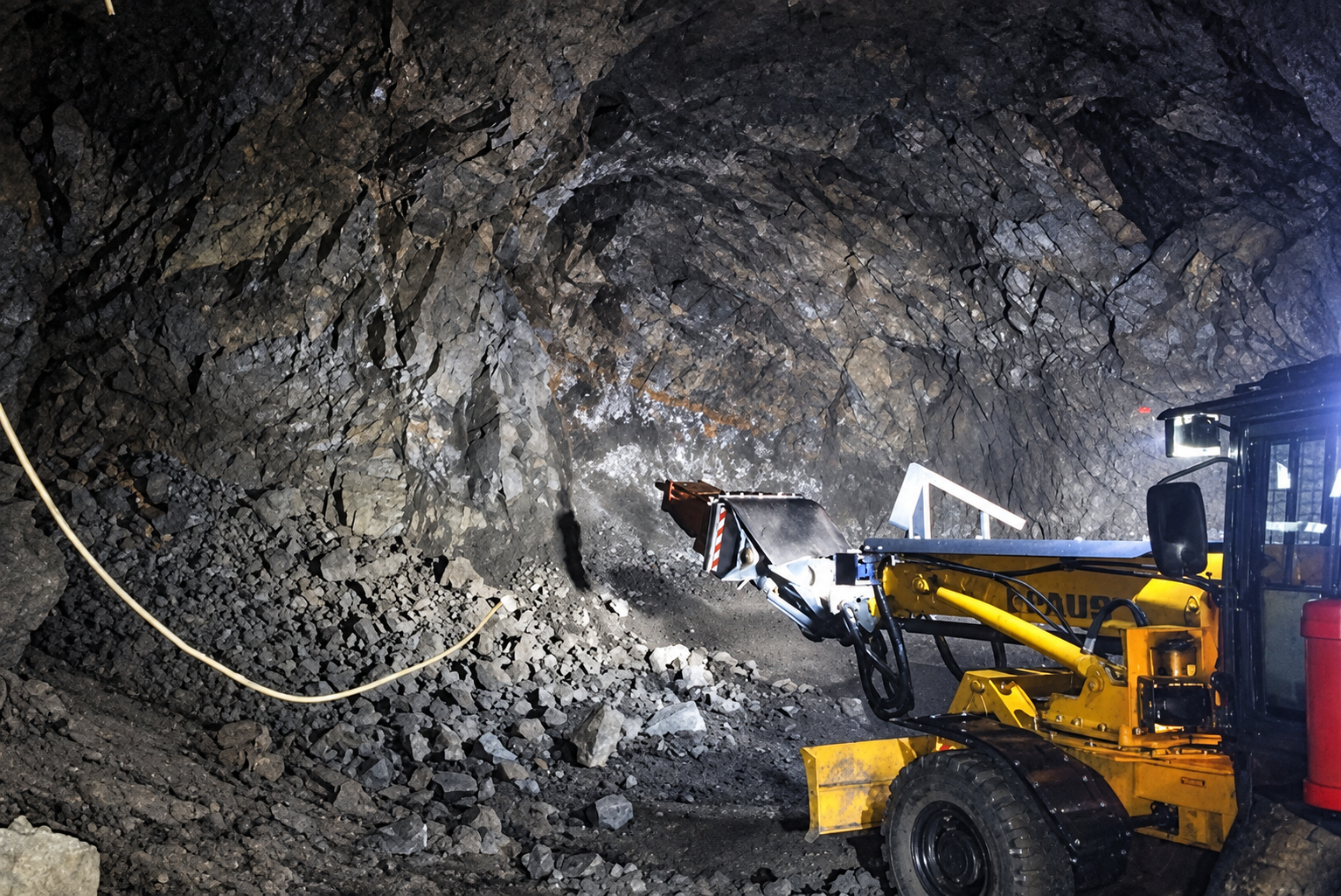
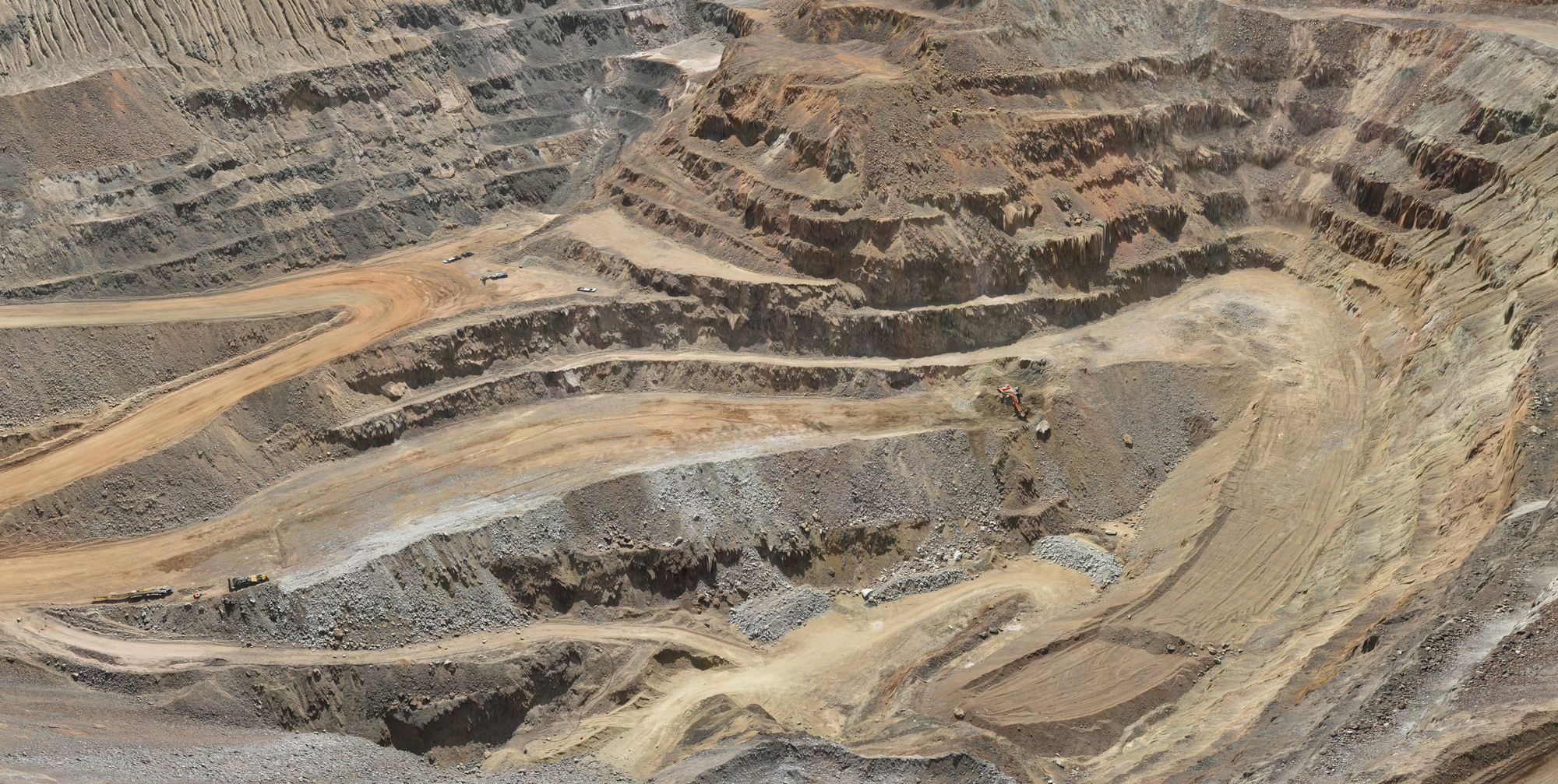
Traditional greenfield mining development requires years of permitting, environmental assessment, and physical construction before a single tonne of ore is processed. At Plomosas, GR Silver is working with existing underground workings, historic plant buildings, power lines, and a mining camp that are already permitted for operation. Engineering for the pilot plant installation is already complete, and the company expects to define the plant location within months.
GR Silver is not building a mine from scratch, it is restarting one, with the regulatory and physical infrastructure already in place. For investors, this distinction matters as it shifts the primary risk from execution uncertainty to operational confirmation: the question is no longer whether the company can build, but whether the asset performs as the historical record and recent metallurgical test work suggest it will.
2. The Bulk Sample Test Mining Programme Is a Proof-of-Concept With Re-Rating Potential
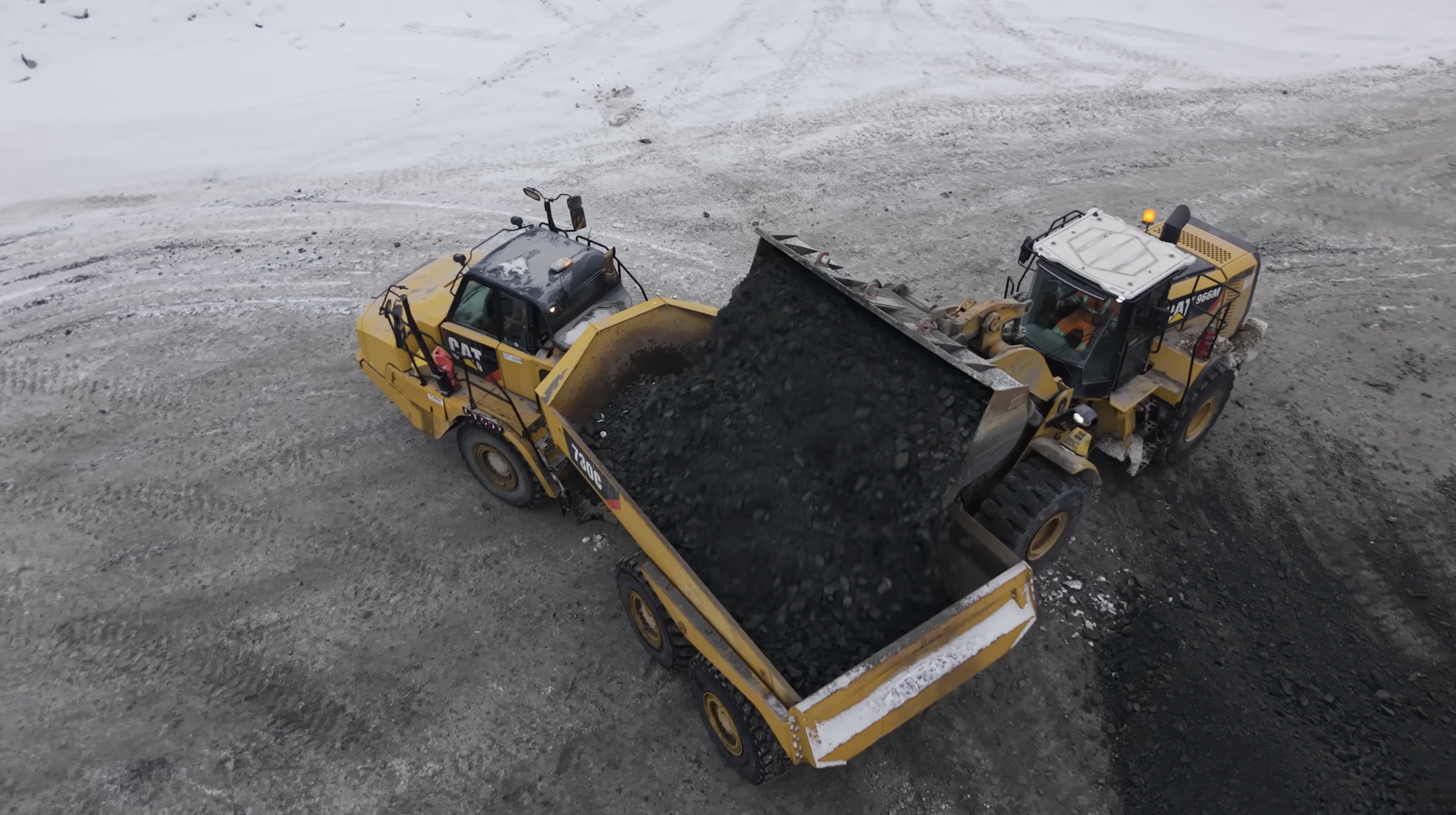
A successful Bulk Sample Test Mining (BSTM) programme would provide live, operational data before the PEA is published, a rare de-risking event that could shift GR Silver’s market narrative from developer to nascent producer. The BSTM programme at Plomosas is designed to do something most junior developers cannot offer the market: a live, operational data set before a Preliminary Economic Assessment (PEA) is published.
The strategic logic is layered. First, any positive BSTM result provides tangible production-level validation of metallurgical assumptions ahead of the PEA, substantially reducing the discount investors typically apply to pre-economic assets. Second, if the pilot plant generates revenue, even at small scale, it demonstrates a path to capital recycling that reduces dependence on future equity raises. Third, it allows management to identify and resolve operational variables in a low-stakes environment before committing to full-scale production. A successful programme would shift GR Silver’s market narrative from developer to emerging producer, which historically commands a meaningfully different valuation multiple.
3. The Upcoming PEA Will Be the First Integrated Economic Model Across Both Assets
The PEA’s integrated capital expenditure (capex) and net present value (NPV) figures could materially reframe GR Silver’s valuation. GR Silver’s combined Mineral Resource Estimate stands at 134 million-ounces silver-equivalent, 68 million-ounces silver-equivalent at San Marcial and 66 million-ounces silver-equivalent at Plomosas, yet no economic study has ever integrated these two assets into a single model. The PEA, planned for the second half of 2026, will be the first time the market sees a consolidated NPV, internal rate of return (IRR), and capex figure that reflects the full district.
The company highlighted a critical structural advantage in that model: Plomosas, located just five kilometres from San Marcial, will contribute all existing infrastructure, including power lines, buildings, facilities, and permits, reducing the capex burden that would otherwise be applied to a project of this scale. The two assets have complementary processing profiles, with San Marcial suited to a potential sulphide project and Plomosas to a concentrate-type operation, giving the combined entity optionality across processing pathways. The current market valuation reflects two separately understood assets and no integrated economics. The PEA has the potential to close that gap materially.
4. The Drilling Programme Targets Both Resource Expansion and New Discovery
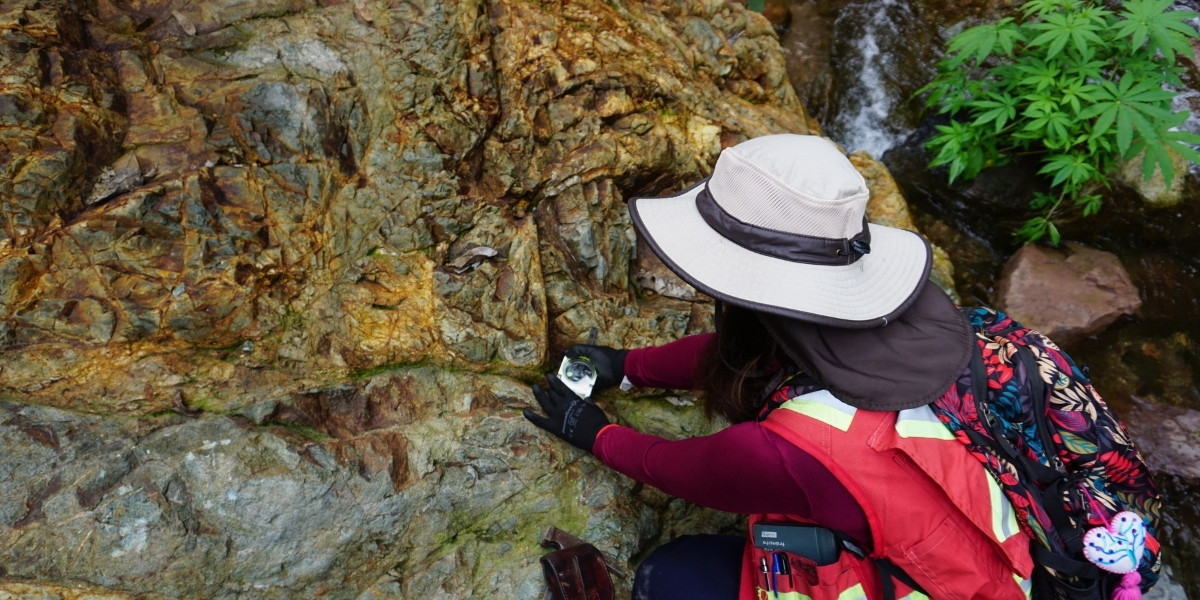
The 20,000-metre step-out drilling programme currently under way at San Marcial is not a single-thesis campaign. The programme is pursuing two simultaneous objectives: expanding the known resource at San Marcial’s edges, and targeting a second parallel discovery along the same trend. With 80% of the geophysical anomalies across the district still untested, the company has a large runway of exploration upside relative to its current resource base.
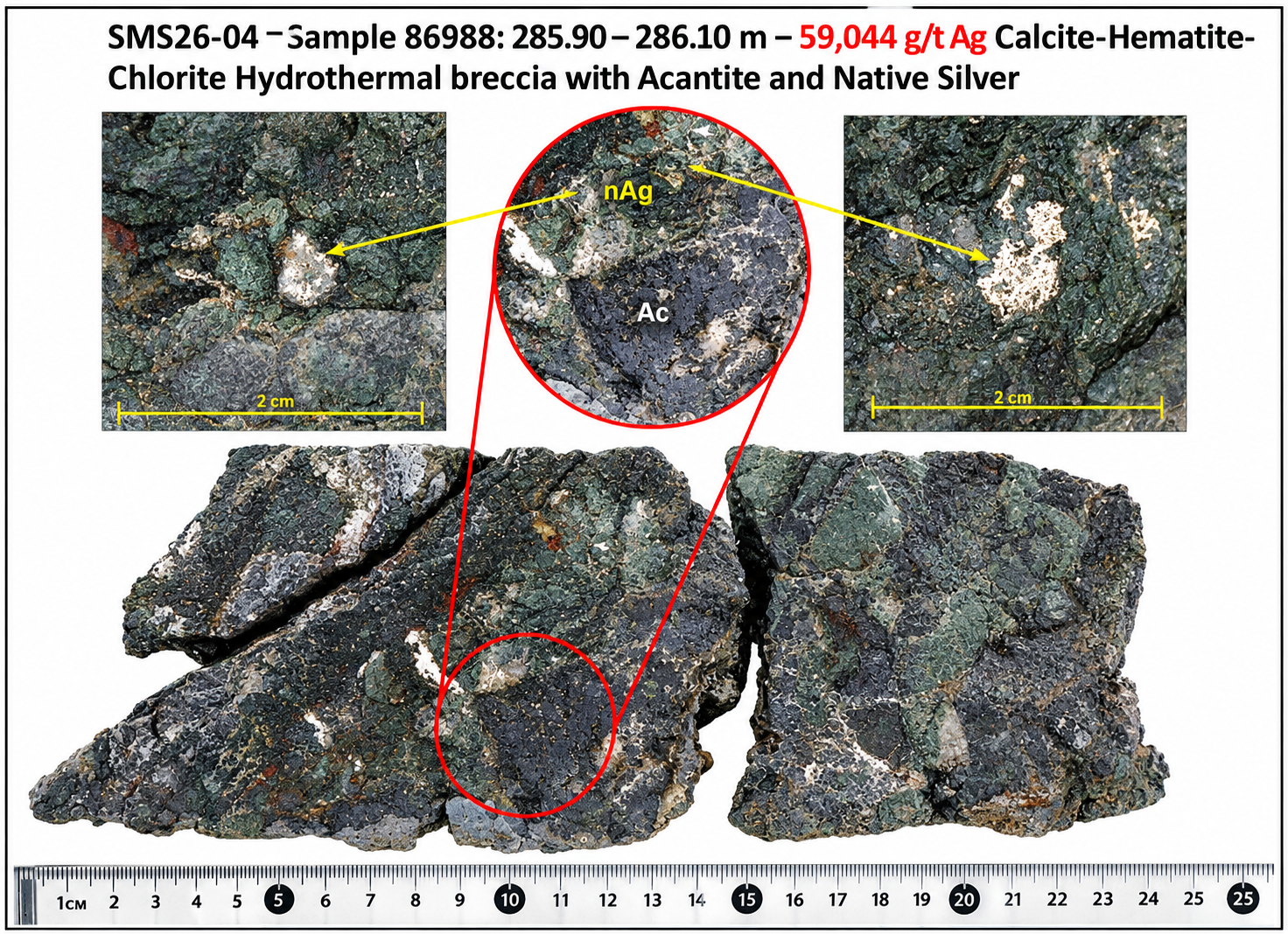
For investors, these are structurally distinct catalysts. Resource expansion drilling converts known geology into additional Mineral Resource Estimate (MRE) ounces, which feeds directly into the upcoming resource update and PEA mine plan. Discovery drilling, by contrast, has the potential to introduce an entirely new resource area, which would extend mine life assumptions and potentially alter the scale of the integrated project materially. GR Silver’s exploration success to date, including a 75-metre intercept at 260 grams per tonne silver, confirms the system’s continuity. If the step-out programme extends the resource envelope and delivers a second discovery, the PEA mine plan could look substantially different from current market expectations.
5. The Balance Sheet Provides Genuine Operational Independence, With Additional Optionality From Warrants
The company entered 2026 with C$28.2 million in cash and zero debt, following two back-to-back financings in late 2025. All outstanding warrants are currently in the money, representing potential additional inflows of approximately C$25 million over the next three years.
The practical implication is that GR Silver’s 2026 programme, encompassing the 20,000-metre drill campaign, BSTM, pilot plant installation, updated MRE, and PEA, is fully funded without requiring a return to equity markets in a dilutive environment. This is a material differentiator in a peer group where many junior developers must balance operational momentum against financing necessity. The warrant optionality also introduces a scenario where the treasury strengthens further as milestones are achieved and the share price performs. However, capital deployment discipline will still be critical: maintaining cost control across a multi-programme year will be a key operational test.
6. Jurisdictional Risk Is Managed & The Permit Structure Is the Key Mitigant
Mexico’s mining jurisdiction carries a risk premium that investors in the sector are well acquainted with. GR Silver’s specific position within that risk landscape is more advantageous than the headline country risk implies, but warrants clear-eyed assessment. The company operates within the Durango/Sinaloa corridor, a historically active mining district with established operational precedent. More importantly, the existing permits at Plomosas, covering underground development, infrastructure, and a newly secured five-year drilling permit for step-out exploration, represent a regulatory position that would be difficult and time-consuming to replicate for a new operator.
The permit structure effectively allows the company to bypass years of regulatory process that would otherwise precede test mining and future production. The five-year drilling permit in particular provides visibility over the full exploration and development timeline without the uncertainty of permit renewal interrupting capital deployment. The residual risk is not permitting, it is the broader operational and political environment in Mexico, which has shown variability in recent years. These factors are relevant alongside the asset quality, jurisdictional track record, and the de-risking potential of working within an already-permitted, previously producing site.
What This Update Changes & What Investors Should Watch Next
GR Silver enters the most consequential period in its corporate history with a programme that is fully funded, technically validated, and structured around catalysts that address the primary risks investors typically assign to junior developers: capital intensity, timeline uncertainty, and economic visibility. The infrastructure at Plomosas is doing work that cash cannot easily replicate, compressing years of development into months, and providing a live operational environment ahead of the PEA.
The main operational and financial metrics coming are the BSTM results from Plomosas, the step-out drilling results from San Marcial, which will determine how aggressively the updated MRE expands the resource base, and the PEA, which will for the first time put a consolidated economic figure on a 134-million-ounce silver-equivalent district. The three catalysts have the potential to influence the alignment between GR Silver’s current market positioning and its underlying asset quality.
Analyst's Notes





Subscribe to Our Channel



Stay Informed






