




Integra Resources' Operational Delivery Confirms Self-Funding Model & Reframes Re-Rating Risk


Integra Resources delivered 70,927 oz gold in FY2025, retired debt, and holds $63M cash. Self-funding model and FAST-41 permitting de-risk US gold development.
- Delivering 70,927 ounces against guidance of 70,000–75,000 ounces despite Q4 operational disruption demonstrates operational control and downside resilience, an essential filter for institutional capital in the junior producer segment.
- The $60 million invested in mine infrastructure and fleet modernization during 2025 reframes near-term cash flow as a deliberate strategy to lower future all-in sustaining costs and extend mine life.
- Full retirement of convertible debt and a year-end cash position of $63 million materially improve funding optionality amid a tightening capital market for developers.
- The combination of current production and advanced development assets in Nevada and Idaho increases strategic scarcity value at a time when US-based ounces are increasingly prioritized.
- Updated technical reporting targeted for mid-2026, new guidance expected in late February, and permitting milestones provide concrete datapoints for valuation recalibration.
Why Production Consistency Matters in Gold Investing
Companies that consistently meet production targets now receive greater attention than those offering large resource bases but uncertain timelines to production. Gold exploration companies have historically attracted investment based on resource growth, the idea that discovering more gold in the ground increases company value. That approach assumes future financing will be available to develop those resources into operating mines.
When capital is harder to access, as it has been for junior miners over the past two years, this assumption weakens. Investors placing capital today increasingly focus on companies already producing gold and generating cash, rather than those requiring additional funding rounds to reach production.
Why Guidance Matters
Production guidance is a company's public forecast of how much gold it expects to produce in a given period. Meeting guidance indicates that management can estimate costs, timelines, and operational challenges accurately. Missing guidance raises questions about either forecasting ability or operational control.
Integra Resources' fiscal year 2025 production of 70,927 ounces, within the 70,000–75,000 ounce guidance range, illustrates this execution standard. Despite a Q4 solution pond liner issue at Florida Canyon that temporarily disrupted leach circuit operations, the company achieved full-year guidance as confirmed in its January 26, 2026 production release.
Florida Canyon as a Cash-Flow Anchor
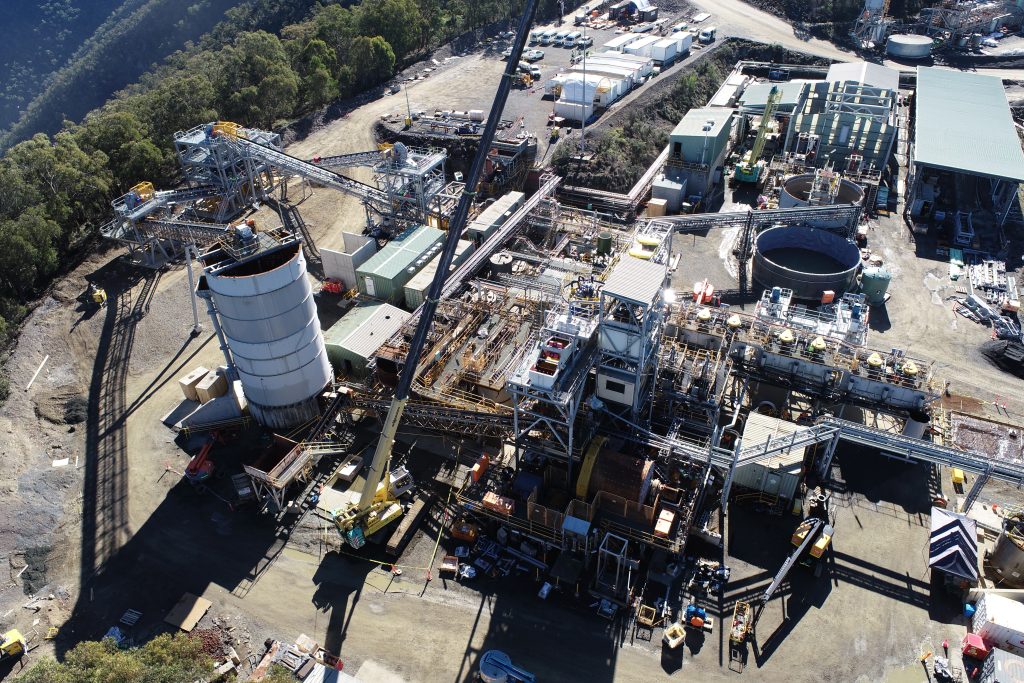
Florida Canyon operates as a producing heap-leach gold mine in Nevada that provides Integra with current cash flow to fund corporate overhead and development activities. Understanding the asset's role requires interpreting recent operational events through an investor lens.
The solution pond liner tear identified in Q4 2025 presented a test of management's operational response capability. The issue was fully repaired by mid-November 2025, with solution flow rates restored to normal levels prior to year-end. Several factors distinguish this event from more serious operational failures: there was no environmental release, approximately 2,000 to 3,000 deferred ounces remain recoverable through ongoing leaching throughout 2026, and the rapid remediation timeline demonstrated operational responsiveness.
Mining Efficiency Trends Entering 2026
The mine entered 2026 with improved mining efficiency and infrastructure following completion of the Phase IIIb heap leach pad construction. Lower waste-to-ore ratios reduce mining costs per ounce processed and create margin stability independent of gold price movements. As the operation matures and mining sequences optimize, the cost structure becomes less sensitive to commodity volatility.
Capital Reinvestment as De-Risking
The company deployed $60 million into Florida Canyon infrastructure during 2025, including heap leach pad expansion and transition toward an owner-operated mining fleet. In Q4 alone, approximately $20 million was allocated to sustaining and non-sustaining capital, including the Phase IIIb heap leach pad, capitalized waste stripping, and mining equipment.
These investments create structural cost advantages relative to relying on rental equipment or deferred sustaining capital expenditure. The Phase IIIb heap leach pad construction is now complete, with regulatory approval to begin leaching expected in Q1 2026.
Fleet Transition Progress
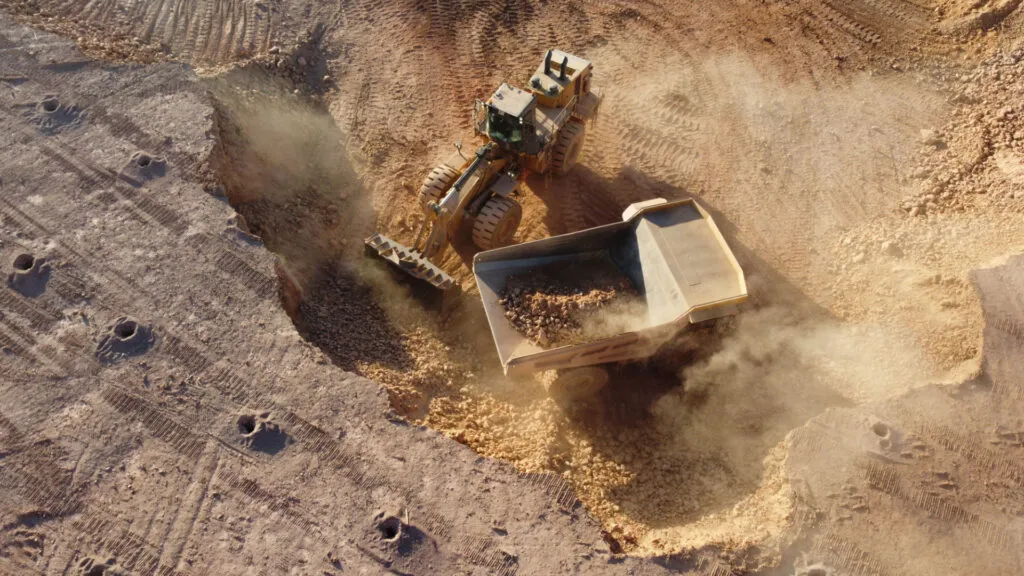
The owner-operated fleet transition advanced materially in Q4 2025 with commissioning of four new machines: one shovel, one loader, and two haul trucks. An additional six Caterpillar 785 haul trucks are expected in the first half of 2026, further reducing equipment rental costs and improving availability.
Fleet ownership and pad expansion are designed to improve all-in sustaining cost trajectory through multiple mechanisms: elimination of equipment rental reduces direct operating costs, improved equipment availability increases productive mining hours, and extended pad capacity defers the need for additional capital spending.
Balance Sheet Reset & Valuation Implications
Integra's balance sheet transformation through 2025 materially changes the analytical framework for valuation. Full retirement of convertible debt removes structural overhang and simplifies enterprise value calculations.
Why Debt Retirement Matters in the Current Market
The company completed full retirement of its convertible debt facility in 2025, with final accrued interest and standby charges of approximately $8 million settled in Q4. Convertible debt instruments create analytical complications for equity investors through potential dilution across share price scenarios.
Eliminating convertible debt is expected to improve comparability to peers with cleaner balance sheets. Enterprise value calculations become more straightforward, and the equity trades on operating fundamentals rather than capital structure complexity.
Self-Funding as an Advantage
The year-end cash position of $63 million as of December 31, 2025 provides flexibility to fund development activities through internal cash flow. Companies dependent on equity issuance face dilution costs that can exceed twenty percent for bought deals in the junior sector.
Self-funding preserves optionality during permitting and development phases when external capital is most expensive. With a market capitalization of approximately $790 million, Integra can pace development decisions based on operational performance and permit timing rather than capital market windows.
The Great Basin Jurisdiction
The Great Basin region offers multiple attributes that institutional investors weigh heavily in jurisdiction assessment. Permitting processes operate within established regulatory frameworks with defined timelines. Physical infrastructure including power, water, and transportation reduces development capital requirements.
Integra's inclusion in the FAST-41 federal permitting coordination program in January 2026 provides a signal of regulatory engagement for the DeLamar project. While inclusion does not guarantee permit approval, it establishes defined timelines and federal accountability mechanisms.
George Salamis, President, Chief Executive Officer and Director of Integra Resources, quantified the significance of this permitting development.
"For the first time in DeLamar's history as our project, the US federal government has put our project on a clock, it's a fast clock, far faster than certainly anybody expected. It's a really big de-risking event for us. Permitting being the single biggest risk for new mines anywhere in the world, let alone the US, we just crossed a line most projects never really get to."
Portfolio Composition
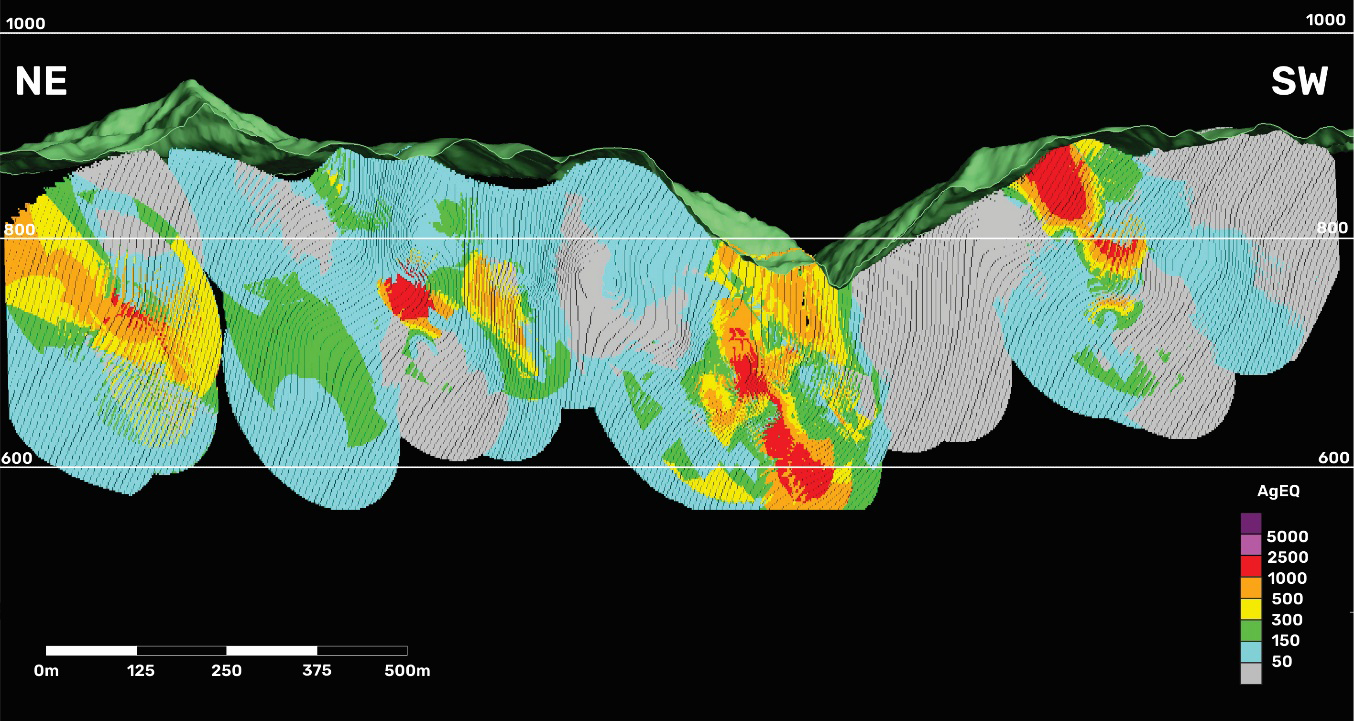
Florida Canyon and DeLamar Project holds 2 million ounces gold equivalent in proven and probable reserves. Nevada North, at the preliminary economic assessment stage based on a July 2023 study, adds 1.3 million ounces gold equivalent in measured and indicated resources.
Permitting Timeline & Federal Accountability
The FAST-41 designation establishes a 15-month NEPA process culminating in a Record of Decision expected in 2027. The BLM schedule was published in January 2026.
George Salamis outlined the federal accountability structure governing the permitting timeline.
"On a quarterly basis, the person who has been assigned to our case has to report directly to Congress, to give an update as to where our project is in the timeline, and if it hasn't advanced, why. There's a really big accountability piece to that, which should be music to the ears of our shareholders."
He also emphasized the financial implications of regulatory clarity.
"These clear timelines equate to better capital planning, and the reduced risk means lower cost of capital ultimately to finance and build this project."
Near-Term Catalysts & Re-Rating Considerations
The company is targeting several milestones: an updated technical report for Florida Canyon incorporating revised mineral reserves and a life-of-mine plan in mid-2026; 2026 production and cost guidance expected in late February 2026; regulatory approval to begin leaching on the Phase IIIb pad in Q1 2026; and continued advancement of the DeLamar permitting process under the FAST-41 framework.
Each milestone connects to specific valuation mechanisms. Updated technical reports enable recalibration of enterprise value per ounce metrics, cost guidance establishes expectations for margin performance and permitting progress reduces development risk premiums in discounted cash flow models.
The Investment Thesis for Integra Resources
The investment case for US-focused gold producers operating with self-funding models rests on several structural factors.
- Execution credibility built through consistent production delivery reduces the operational discount applied to junior producers and improves institutional eligibility.
- Self-funding growth capability through internal cash flow generation lowers dilution risk during development phases when external capital costs are highest.
- Jurisdictional positioning in advanced US development assets may command structural premiums as institutional mandates increasingly prioritize domestic resource exposure.
- Cost curve positioning through capital reinvestment is designed to create margin resilience across commodity price scenarios.
- Regulatory clarity through FAST-41 inclusion provides defined permitting timelines with federal accountability mechanisms uncommon in the development sector.
Integra Resources produced 70,927 ounces in fiscal 2025, within its guidance range, despite a Q4 operational disruption. The company retired its convertible debt, ended the year with US$63 million in cash, and invested US$60 million into Florida Canyon infrastructure. These results indicate the company can currently fund operations and development without issuing new equity.
Integra holds three assets at different stages: Florida Canyon, an operating mine in Nevada; DeLamar, a feasibility-stage development project in Idaho; and Nevada North, an earlier-stage exploration property. All three are located in the United States. The company has scheduled several milestones for 2026, including updated technical reporting, production and cost guidance, and permitting updates for DeLamar. Whether Integra delivers on these targets will provide further information for assessing management's ability to execute its stated plans.
TL;DR
Integra Resources met FY2025 production guidance with 70,927 ounces despite a Q4 operational disruption at Florida Canyon. The company transformed its balance sheet by retiring all convertible debt and ending the year with $63 million cash, enabling a self-funding development model that avoids dilutive equity raises. A $60 million infrastructure investment positions the operation for lower future costs. The DeLamar project received FAST-41 federal permitting designation in January 2026, establishing a 15-month NEPA timeline with congressional accountability, a significant de-risking milestone. Near-term catalysts include updated technical reporting, 2026 guidance, and permitting milestones that could drive valuation recalibration.
FAQs (AI-Generated)
Integra produced 70,927 ounces of gold, within its guidance range of 70,000–75,000 ounces, despite a Q4 solution pond liner issue at Florida Canyon that temporarily disrupted operations.
FAST-41 is a federal permitting coordination program that establishes defined timelines and accountability mechanisms. For DeLamar, it creates a 15-month NEPA process with quarterly congressional reporting requirements—reducing permitting risk, the single largest obstacle for new mine development.
With $63 million in cash and convertible debt fully retired, Integra can self-fund development through internal cash flow, avoiding dilutive equity raises that can exceed 20% costs for junior miners.
Three US-based assets: Florida Canyon (operating Nevada mine), DeLamar (feasibility-stage Idaho project with 2M oz AuEq reserves), and Nevada North (earlier-stage exploration with 1.3M oz AuEq resources).
Key milestones include updated Florida Canyon technical reporting (mid-2026), 2026 production and cost guidance (late February), Phase IIIb pad leaching approval (Q1), and DeLamar permitting progress under FAST-41.
Analyst's Notes





Subscribe to Our Channel




Stay Informed






















