Integra Resources Secures FAST-41 Designation for its USA Gold-Silver Project


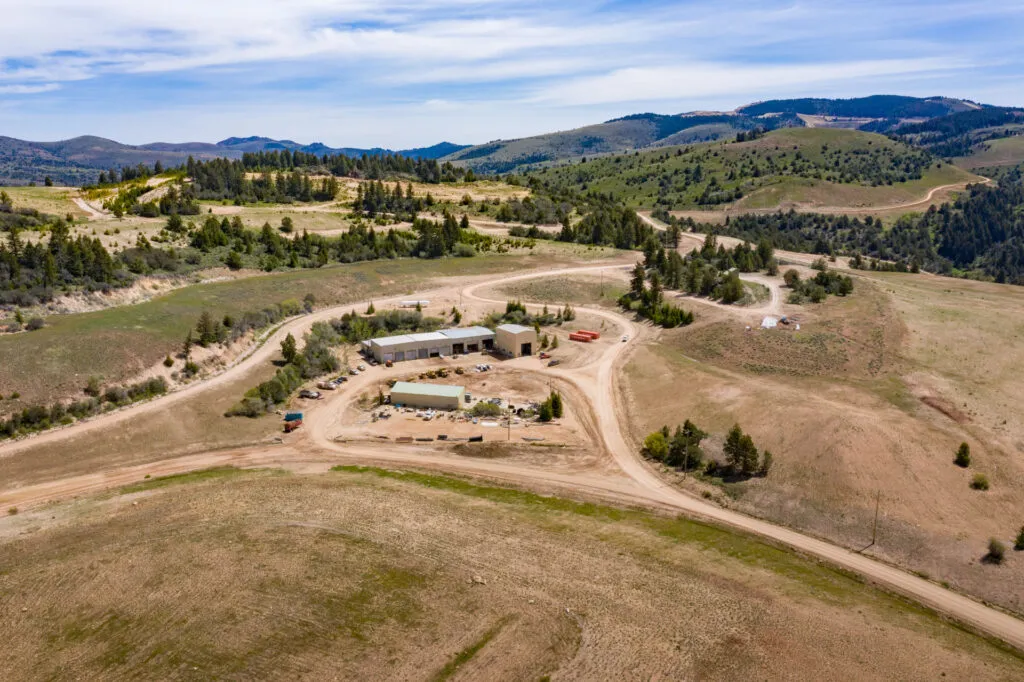
Integra's DeLamar achieves FAST-41 status: 15-month federal review, Q2/Q3 2027 decision target, quarterly congressional oversight, public tracking dashboard.
- Integra Resources' DeLamar project has been accepted into the FAST-41 federal permitting program, establishing a 15-month review timeline with quarterly congressional accountability
- The Bureau of Land Management (BLM) has set a record of decision target for Q2/Q3 2027, creating unprecedented timeline certainty for a US mining project
- A dedicated permitting council advisor will coordinate inter-agency reviews and ensure transparent progress tracking via public dashboard accessible to shareholders
- The project footprint decreased 25% from PFS to FS through collaborative work with regulators, demonstrating proactive stakeholder engagement
- Public consultation launching spring 2026 represents the first major litmus test for stakeholder acceptance, though extensive pre-engagement has already occurred
Integra Resources has achieved a significant de-risking milestone for its DeLamar gold-silver project in Idaho, securing acceptance into the federal FAST-41 permitting program. This designation establishes a defined 15-month review schedule with built-in accountability mechanisms and transparent progress tracking - a rare achievement for US mining projects where permitting uncertainty typically represents the single largest development risk.
The FAST-41 Framework Creates Timeline Certainty
The FAST-41 designation represents a fundamental shift in how DeLamar's permitting will proceed. According to George Salamis, President and CEO of Integra Resources,
"For the first time in DeLamar's history, the US federal government has put our project on a clock and it's a fast clock, far faster than certainly anybody expected."
The program doesn't cut corners in the environmental review process but instead compresses response times and creates accountability for regulatory agencies.
A dedicated advisor from the Federal Permitting Council has been assigned to shepherd the Bureau of Land Management and other regulatory offices through the process. This coordinator must report directly to Congress on a quarterly basis, providing updates on the project's progress and explaining any delays. As Salamis explained,
"The person who has been assigned to our case has to report directly to Congress to give an update as to where our project is in the timeline and if it hasn't advanced, why."
The BLM has established a target for the record of decision in Q2/Q3 2027, providing investors with unprecedented visibility into the development timeline. This certainty enables better capital planning and potentially reduces the cost of capital for project financing.
Public Accountability Through Transparency Mechanisms
One of the most significant aspects of FAST-41 designation is the public tracking dashboard that allows shareholders and stakeholders to monitor permitting progress in real-time. This transparency creates additional pressure on regulatory agencies to maintain momentum while providing investors with continuous visibility into the process.
The public hearing process scheduled to commence in spring 2026 will serve as "the first litmus test in terms of stakeholder acceptance of what we're what we put on the table," according to Salamis. The responses received during this consultation phase will help gauge community support and identify any necessary adjustments to the project plan.
However, Salamis emphasised that this consultation won't reveal surprises to engaged stakeholders:
"That initial public consultation process which kicks off NEPA formally will not reveal anything to our stakeholders that they wouldn't have already seen."
Collaborative Regulatory Engagement
The permitting process under FAST-41 maintains rigorous environmental standards while facilitating more efficient dialogue between the company and regulators. Salamis noted that the company has been working collaboratively with the BLM throughout the project's development, stating:
"It's a balance of what can we afford to do? What's best for the environment? What's best for the stakeholders versus what keeps this project economic."
This collaborative approach has already yielded tangible results. Between the preliminary feasibility study and the feasibility study released before Christmas, "the footprint of the proposed action on the mining operation shrunk by 25%." This reduction, achieved in consultation with the BLM, addresses the agency's focus on minimising surface disturbance while maintaining project economics.
The iterative process allows for ongoing refinement of project design elements, from road configurations to heap leach pad placement. As Salamis explained, regulators may suggest alternatives: "don't build your road this way, build it that way. Or don't configure your heap leach pad this way, maybe move it slightly to the left or slightly to the right."
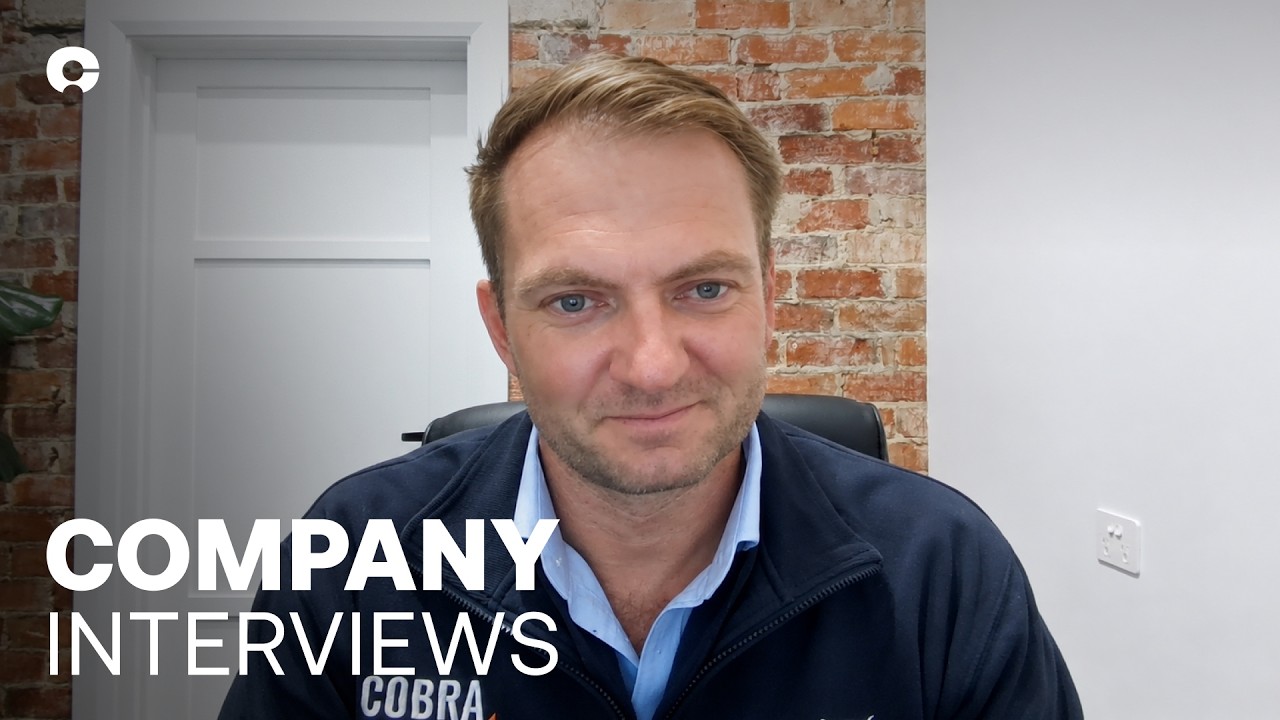
Interview with George Salamis, President & CEO of Integra Resources
Parallel State-Level Permitting Requirements
While the FAST-41 program focuses on federal permitting, Integra must simultaneously advance state-level permits that are critical to project development. These include air quality permits, water quality permits, and cyanidation permits - all of which must align with the federal timeline.
Salamis emphasised the importance of synchronisation: "Everything needs to sync up is the message I'm trying to say." The company is conducting advanced, detailed studies on air and water quality in parallel with the NEPA process to ensure all regulatory requirements converge appropriately.
This parallel permitting strategy requires significant technical work and capital investment, but Integra's balance sheet can support these activities without financing constraints that might slow progress.
Stakeholder Engagement Strategy
Drawing on lessons learned from previous projects, Integra has prioritised early and extensive stakeholder engagement. Salamis noted that the company has been "dialoguing with them for a very long time" with primary stakeholder groups in Idaho. The approach reflects a deliberate strategy:
"Engage early with your stakeholders and bring them to your side of the table and be as transparent as possible about your plan from a development and operating and remediation perspective. Make them part of it. Include them in the decision-making process."
This proactive engagement aims to minimise opposition during formal consultation phases and build social license for the project. While public consultation could theoretically "force the proponent again to go back to the drawing board and tweak things," extensive pre-engagement reduces the likelihood of fundamental design changes.
Reclamation Planning Remains Under Discussion
Reclamation bonding and financial assurance requirements remain under discussion as part of the permitting process. These elements involve complex considerations around timing - whether reclamation occurs progressively during mining operations or primarily at closure - and the scale of financial guarantees required. As Salamis acknowledged,
"There's so many moving parts to that piece. It's not just the bonding element. When does reclamation occur? To what extent does it occur at the end of the mine life versus reclaiming as you mine?"
These details will be finalised through ongoing discussions with regulatory authorities and stakeholders.
Reduced Risk Profile Supports Capital Planning
The FAST-41 designation fundamentally de-risks the DeLamar project by addressing what Salamis identified as "the single biggest risk for new mines anywhere in the world, let alone the US." The defined timeline and accountability mechanisms provide greater certainty for project financing and development planning. Salamis emphasised the capital planning benefits:
"These clear timelines for us equate to better capital planning. And the reduced risk for us means lower cost of capital ultimately to finance and build this project."
For investors, the transparent progress tracking and defined timeline reduce uncertainty premium typically associated with US mining permitting. The quarterly congressional reporting requirement creates strong incentives for regulatory agencies to maintain momentum, while the public dashboard allows continuous monitoring of progress against established milestones.
Path Forward to Record of Decision
With the NEPA notice of intent expected in spring 2026 and the record of decision targeted for Q2/Q3 2027, Integra has established clear milestones for the coming 18 months. The company will continue providing updates on permitting progress while investors can independently track advancement through the public federal permitting dashboard.
The environmental impact statement process will focus on "refining and finessing rather than expecting any kind of material modified mine plan," according to Salamis, reflecting the extensive preliminary work already completed in consultation with regulators. As Salamis concluded,
"We now know where the finish line is. I think it's closer than people really expect it to be, which is great news for us."
The Investment Thesis for Integra Resources
- Permitting De-Risking: FAST-41 designation with 15-month federal review timeline and Q2/Q3 2027 record of decision target substantially reduces the primary development risk for US mining projects
- Transparent Progress Tracking: Public federal permitting dashboard and quarterly congressional reporting create accountability and allow investors to monitor advancement against defined milestones
- Regulatory Collaboration: Proactive engagement resulted in 25% footprint reduction from PFS to FS, demonstrating constructive relationship with BLM and reducing likelihood of major design changes
- Timeline Certainty Enables Capital Planning: Defined schedule supports more efficient financing strategies and potentially reduces cost of capital for project development
- Advanced Technical Work: Parallel state and federal permitting with detailed environmental studies underway positions project for synchronised permit approvals
- Strong Stakeholder Engagement: Extensive pre-consultation with Idaho stakeholder groups reduces social license risk ahead of formal public comment period
- Economic Project with Recent FS: Feasibility study released before Christmas provides updated technical and economic framework supporting development decision
- Financial Capacity: Current balance sheet supports ongoing permitting workstreams without near-term financing pressure that could delay progress
The FAST-41 designation for DeLamar reflects broader federal efforts to streamline domestic mining development amid growing recognition of critical mineral supply chain vulnerabilities. While gold isn't classified as a critical mineral, the Federal Permitting Council's engagement demonstrates willingness to apply expedited review mechanisms to economically significant domestic mining projects. This represents a meaningful shift in the regulatory environment where permitting timelines have historically created major impediments to US mine development. The quarterly congressional accountability requirement signals genuine commitment to timeline adherence rather than symbolic reform.
TL;DR
Integra Resources' DeLamar gold-silver project has secured FAST-41 federal permitting designation, establishing a transparent 15-month review timeline with quarterly congressional accountability and a Q2/Q3 2027 record of decision target. This designation substantially de-risks the project by addressing the primary uncertainty facing US mining development - permitting timelines - while enabling better capital planning and potentially reducing financing costs. The company's collaborative approach with regulators has already reduced the project footprint by 25%, and extensive stakeholder pre-engagement positions the project favorably ahead of spring 2026 public consultations.
FAQs (AI Generated)
FAST-41 provides a defined 15-month timeline with a dedicated federal coordinator, mandatory quarterly congressional reporting on progress, public transparency dashboard, and guaranteed agency response timeframes - without reducing environmental review standards.
The BLM has set a target timeline for the record of decision in Q2/Q3 2027, representing the formal approval needed to proceed with construction.
Public hearings beginning spring 2026 will serve as the primary litmus test for stakeholder acceptance, though extensive pre-consultation has already occurred with major stakeholder groups.
The proposed mining operation footprint decreased by 25% between studies, achieved through collaborative work with the BLM focused on minimising surface disturbance while maintaining project economics.
Integra is advancing detailed air quality studies, water quality studies, and cyanidation permit applications at the state level, which must synchronise with the federal NEPA timeline.
Analyst's Notes





Subscribe to Our Channel

.png)





Stay Informed