Interim Ruling Sets TriStar Gold’s Consultation Path to Advance US$603M NPV Gold Project in Brazil


TriStar Gold’s Brazil court ruling clears feasibility work at its 1.4Moz Castelo de Sonhos gold project, with Indigenous consultation run in parallel.
- The Brazilian court interim ruling requires TriStar Gold to complete an Indigenous Component Study and a free, prior and informed consultation before Castelo de Sonhos can receive construction or operating licenses.
- While the ruling suspends the effects of the preliminary environmental license, it is not cancelling it and thus expressly allows drilling, technical studies and environmental work to continue.
- Management plans to run the consultation, estimated at 12 to 18 months, inside a roughly 2-year feasibility study.
- Castelo de Sonhos pre-feasibility study shows a US$603 million after-tax net present value at a 5% discount rate and a 40% internal rate of return at US$2,200 gold, with a 93.6% return at US$4,000 gold.
- With US$10 million in cash and about $5 million in expected warrant proceeds fund 2027 work, but further financing is needed to complete the feasibility study.
TriStar Gold (TSXV:TSG) now has a court-defined route to construction permitting for its Castelo de Sonhos gold project in Pará State, Brazil. On November 4, 2026, the Federal Court of Pará issued an interim ruling requiring an Indigenous Component Study (ECI) and a free, prior and informed consultation (FPIC) process before construction or operating licenses can be issued. The same ruling expressly allows drilling, technical studies and environmental work to continue, so TriStar can start its feasibility study now.
The project hosts 1.4 million ounces (Moz) of probable gold reserves. A May 2025 pre-feasibility study (PFS) returned an after-tax net present value at a 5% discount rate (NPV5%) of US$603 million and a 40% internal rate of return (IRR) at a gold price of US$2,200 per ounce (oz). Spot gold traded above US$4,000/oz in October 2026. TriStar trades at 0.02x price to net asset value (P/NAV), the lowest of 12 companies in the peer comparison in its October 2026 presentation.
Court Ruling: Requires & Allows
The case dates to August 2025, when Brazil’s Federal Prosecutor’s Office filed a civil public action seeking annulment of the project’s preliminary environmental license (LP) until the ECI and FPIC were carried out. The interim ruling did not annul the LP. The court ordered a provisional suspension of its effects, which blocks any installation or operating authorization based on that license until a further judicial determination.
The practical effect is that the State Environmental Secretariat of Pará (SEMAS) cannot issue an installation license until the ECI and FPIC are complete. Technical, environmental and administrative work can proceed in the meantime.
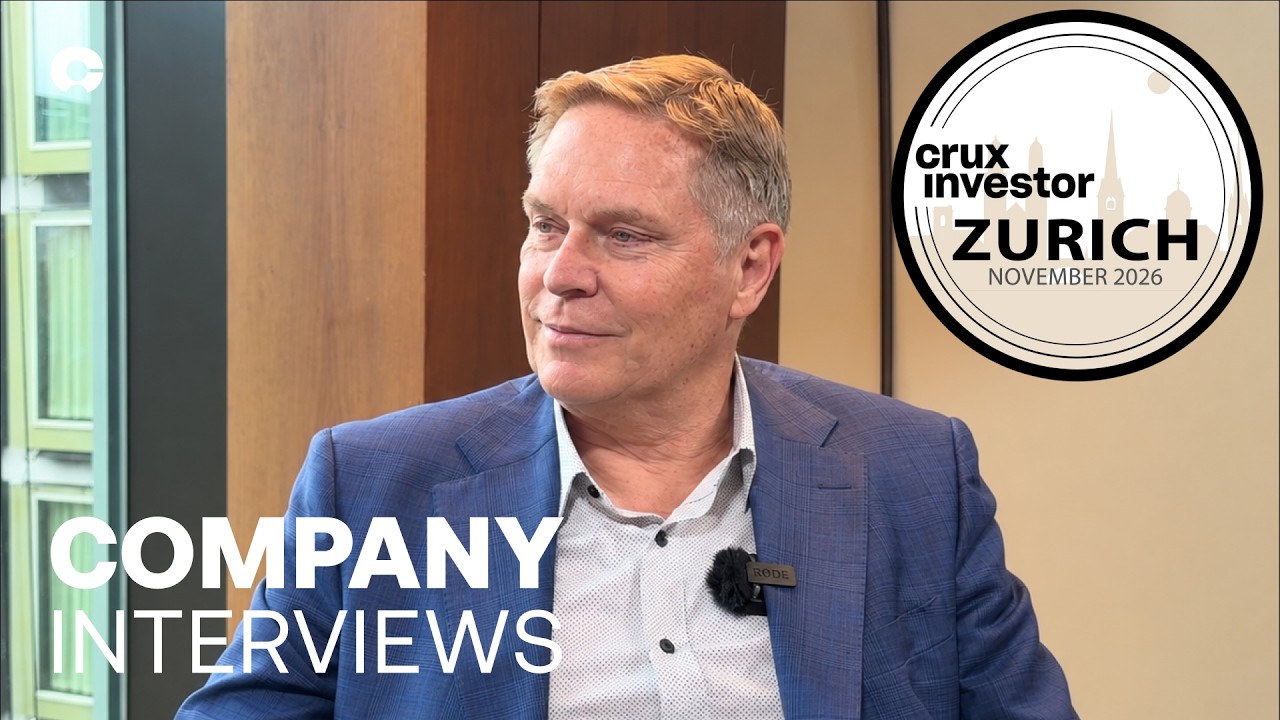
President and Chief Executive Officer of TriStar Gold, Nick Appleyard, said the court’s sequence matches how the company would have staged the work anyway:
“This doesn’t really stop us doing anything. We can do all of our technical work. We can do the drilling. We can do all the environmental work, and if you think about it, it’s logical because we have to do the Indigenous consultation. And there’s every chance that there’s information that’s going to come out [of] the feasibility study which is going to be required for that consultation.”
Appleyard added that TriStar had spent the past year pressing authorities to begin the consultation, which is now court-mandated.
Interview with Nick Appleyard, President & CEO of TriStar Gold Inc.
Consultation in Parallel With the Feasibility Study
The ruling gives SEMAS and TriStar 60 business days from formal notification to file additional technical information and evidence of the steps taken. The court clarified that this period covers documents only and is not a deadline to conclude the consultation. Appleyard estimates the window closes around March 2027. He said most of the requested material already exists in the company’s environmental impact assessment, and that the filing centers on progress reports.
The first step in the ECI is for the National Foundation of Indigenous Peoples (FUNAI) to issue terms of reference. Appleyard described the 60-business-day check-in as pressure on FUNAI as much as on the company. TriStar will drive the timetable, he said, with the court available as a backstop if another party stalls, a lever the company would not have held under a settlement negotiated outside court. All engagement with Indigenous communities takes place with FUNAI present, and Appleyard named FUNAI, not the communities, as the more likely source of delay.
Appleyard said the study work itself should take 4 to 6 months, with 12 to 18 months estimated from start to finish once FUNAI, the communities and federal prosecutors accept the scope and the final work. After FUNAI acknowledges the ECI as complete, the filing back to court would take weeks and would need no further ruling. TriStar is targeting completion of both processes inside the feasibility study, which the company says will take about 2 years, subject to financing.
Project Economics & Feasibility Study Upside
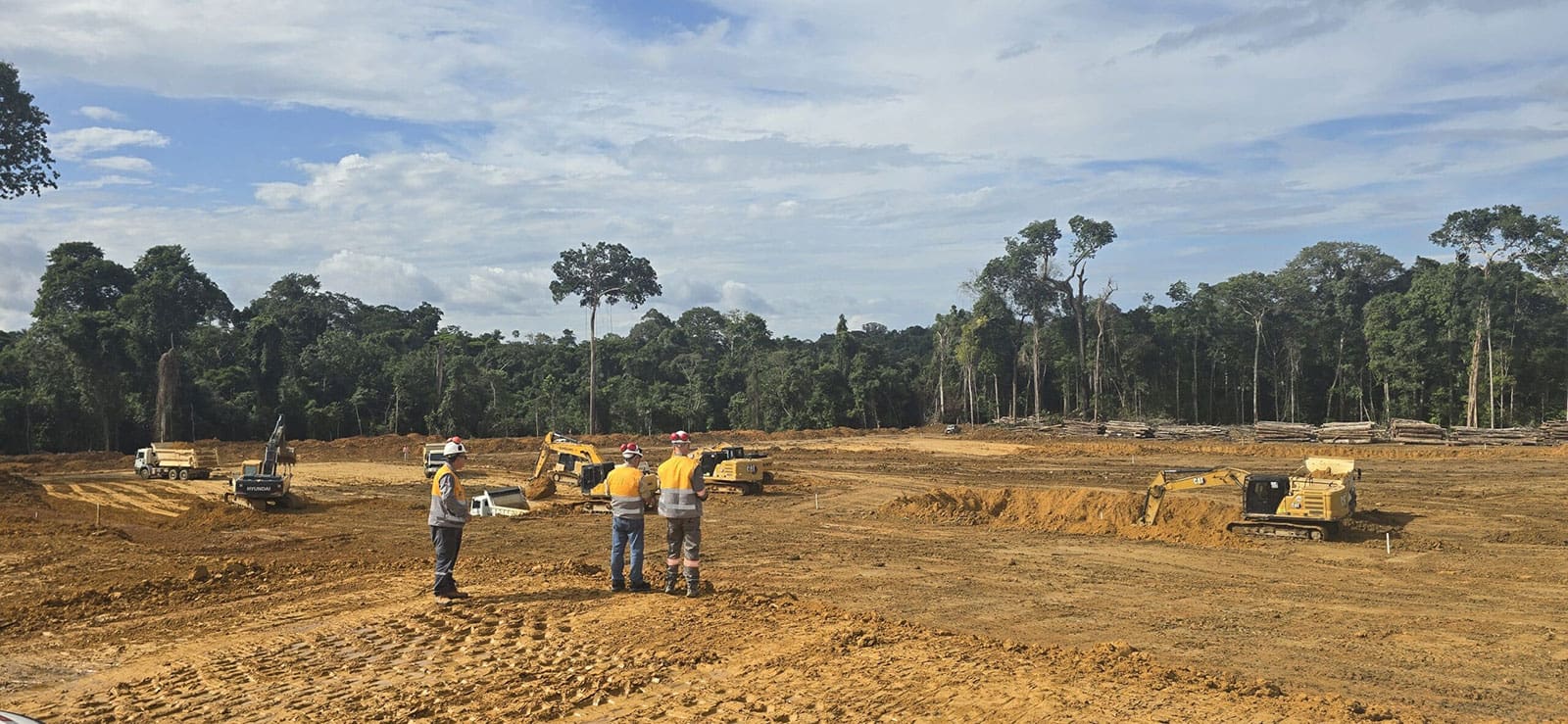
Castelo de Sonhos is a paleoplacer gold deposit mined from shallow open pits, with mineralization at surface, no sulphides and 98% gold recovery through a 3.6 million tonne (Mt) per year carbon-in-leach plant. Probable reserves total 38.7 Mt at 1.1 grams per tonne (g/t) gold for 1.4 Moz. Indicated resources, inclusive of reserves, stand at 1.8 Moz at 1.0 g/t, with a further 0.7 Moz inferred.
The PFS mines in 2 phases. Years 1 to 6 draw on the higher-grade Esperança South deposit at about 146,000 oz per year, and Esperança East and Center feed the plant in years 7 to 11. Life-of-mine output averages 121,000 oz per year for over an 11-year mine life. Initial capital is US$296 million including a 20% contingency, all-in sustaining cost is US$1,111/oz and payback is 2 years at the base case.
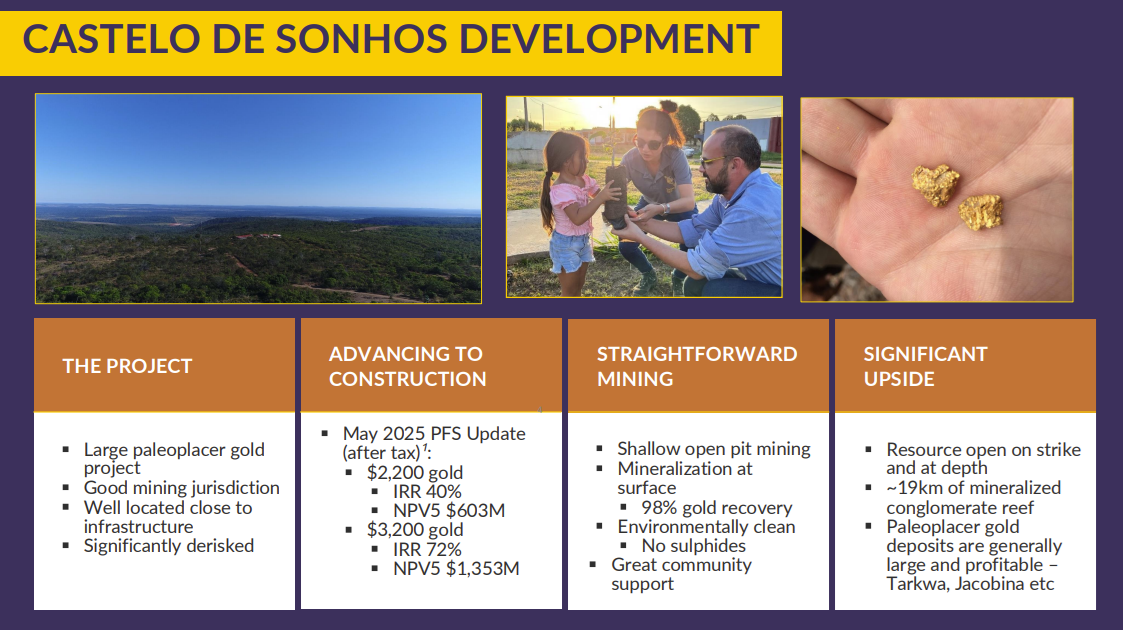
Appleyard identified 2 feasibility study work streams that could change those economics. The first is extensions at Esperança South, where he said grades of 1.3 to 1.5 g/t would add to the phase 1 production period. The second is a trade-off study comparing newer tailings disposal technologies with the conventional tailings dam in the current design. He said metallurgy and infill drilling should bring few surprises given the project’s simplicity, and described the outcome as a mid-tier gold project.
Funding Through the Feasibility Study
TriStar holds just under US$10 million in cash. Appleyard said outstanding warrants could bring in about $5 million by May 2027. As of October 7, 2026, the company had 404.7 million shares issued, 59.9 million warrants and 5.3 million stock options outstanding.
Appleyard acknowledged that this does not fund the full 2-year programme. He said it covers 2027 drilling, infill drilling for the feasibility study, the start of trade-off studies and the ECI. A further raise is therefore part of the path to a construction decision.
At C$0.225 per share on October 7, 2026, TriStar had a market capitalization of C$91.0 million. In the company’s peer comparison, it trades at 0.02x P/NAV against a 0.3x peer median while in enterprise value per measured and indicated resource ounce, it is at US$20 against a US$94 median. Institutions, including Auramet, US Global, Konwave and Eric Sprott, hold 46% of the register.
The Investment Thesis for TriStar Gold
- The November interim ruling provisionally suspends the preliminary environmental license without cancelling it, and it expressly allows drilling, technical studies and environmental work to continue.
- TriStar is targeting completion of the Indigenous Component Study and the free, prior and informed consultation within the roughly 2-year feasibility study, with management estimating 12 to 18 months for the consultation process.
- The May 2025 pre-feasibility study shows an after-tax net present value of US$603 million at a 5% discount rate and a 40% internal rate of return at US$2,200 gold, against a market capitalization of C$91.0 million.
- Company sensitivity analysis shows an after-tax internal rate of return of 93.6% at US$4,000 gold, with spot gold above that level in October 2026.
- Cash of just under US$10 million and expected warrant proceeds of about $5 million fund 2027 drilling and the start of the Indigenous Component Study, but not the full feasibility study.
- Monitor the 60-business-day court filing, terms of reference from the National Foundation of Indigenous Peoples and Esperança South extension drilling for the next re-rating signals.
Macro Thematic Analysis: Brazil’s Development Pipeline
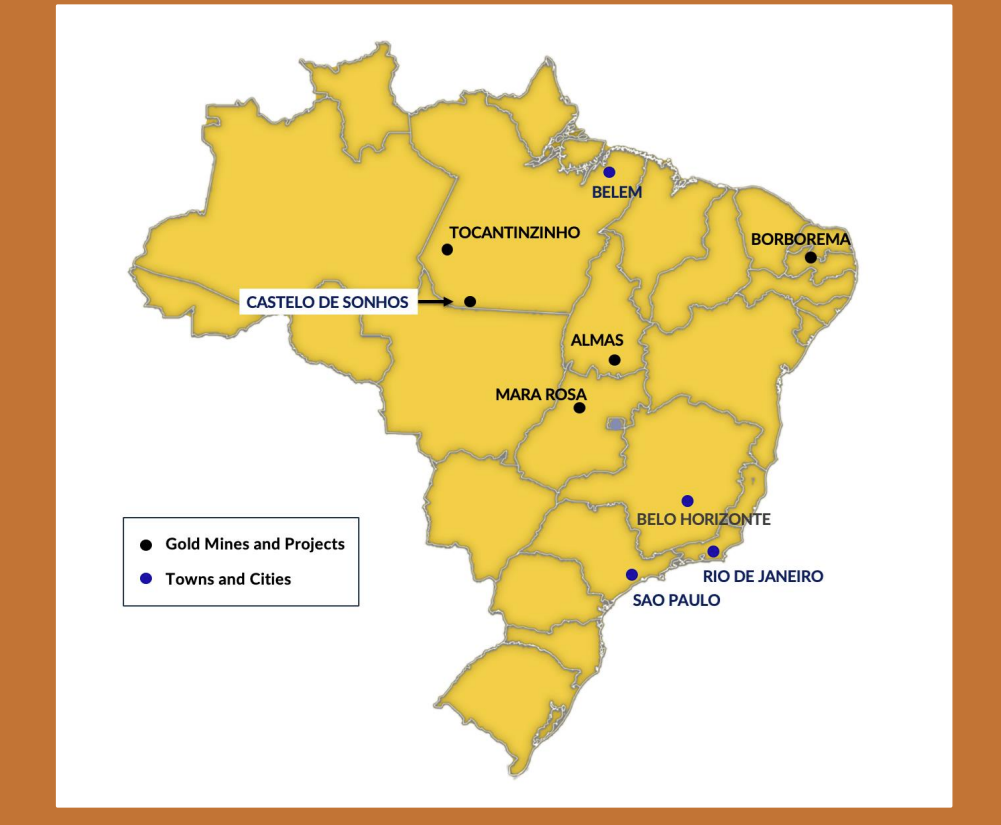
Brazil has produced a run of recent mine starts. G Mining Ventures declared commercial production at Tocantinzinho in Pará in September 2024. Hochschild Mining reached commercial production at Mara Rosa in Goiás in May 2024. Ero Copper declared commercial production at Tucumã in Pará in July 2025. Aura Minerals brought Almas into production in the second quarter of 2023 and Borborema to commercial production in September 2025. TriStar points to paleoplacer deposits such as Tarkwa and Jacobina as evidence that the deposit style is generally large and profitable.
Appleyard summarized the change in TriStar’s standing after the ruling:
“For the last year or two, we’ve been a company under a cloud. Now we feel that our timelines are back to a development company. We're doing an FS (feasibility study) that's going to take 2 years that'll end up in a go or no-go decision to construction and operations.”
TriStar’s PFS was built on US$2,200 gold, well below the price gold traded at through October 2026. The company’s sensitivity analysis shows after-tax IRR rising from 39.8% at the base case to 93.6% at US$4,000/oz, and after-tax NPV10% rising from US$393 million to US$1,385 million. For a developer that has not yet committed construction capital, that spread shows up in study value before any production risk is taken.
For a company valued at a fraction of its study NPV5%, the regulatory overhang has been the main source of the discount. The ruling replaces that overhang with steps the market can price as they are met.
TL;DR
A November 4, 2026 interim ruling from Brazil’s Federal Court of Pará requires TriStar Gold to complete an Indigenous Component Study and a free, prior and informed consultation before construction licensing at Castelo de Sonhos. The ruling suspends the effects of the preliminary environmental license without cancelling it, and it lets drilling, technical studies and environmental work continue. CEO Nick Appleyard plans to run the consultation, estimated at 12 to 18 months, inside a roughly 2-year feasibility study. The 1.4 million ounce reserve carries a US$603 million after-tax NPV5% at US$2,200 gold. The company holds just under US$10 million in cash, and the shares trade at 0.02x price to net asset value.
FAQs (AI-Generated)
Analyst's Notes





Subscribe to Our Channel





Stay Informed