




Nickel Supply Squeeze Intensifies as Indonesia Restricts Exports and Canada Accelerates Projects


Nickel hits $18,650 on Indonesian restrictions. Canada Nickel gets Ontario fast-track approval. Reid deposit grows 46%. Market eyes $20K/ton by March amid supply squeeze.
- Nickel prices surged $2,200 per ton to peak at $18,650 after Vale announced mining permit delays at its Indonesian operation, signaling government enforcement of export restrictions
- Intermediate product prices confirmed fundamental demand: nickel pig iron rose 8-9%, stainless steel increased 6%, and mixed hydroxide payables remained at 88.5% despite price volatility
- Canada Nickel's Crawford project received Ontario's "One Project, One Process" designation with strong government backing, positioning it as a strategic alternative to Indonesian supply
- The Reid deposit resource increased 46% to 5 million tonnes of contained nickel, offering superior economics with half the strip ratio and 15% higher chromium grades than Crawford
- First quarter seasonal supply constraints from the Philippines, combined with Indonesian restrictions, are expected to push nickel toward $20,000 per ton by March
Market Context and Price Dynamics
The nickel market experienced significant volatility in early 2026, with prices climbing $2,200 per ton from previous levels to reach a peak of $18,650. This movement represents a substantial shift in market fundamentals driven primarily by supply-side developments in Indonesia, the world's largest nickel producer. Following the initial momentum from Indonesian export restrictions announced in late 2025, the market received additional confirmation when Vale, one of the few publicly traded mining companies operating in the country, disclosed it had not received its 2026 mining quota and was forced to cease operations at a major Indonesian mine.
The timing and nature of this announcement has led market observers to question whether this represents deliberate signaling by the Indonesian government. As a publicly traded company, Vale faces disclosure requirements that private operators do not, potentially making it an ideal vehicle for authorities to demonstrate their commitment to supply restrictions without causing broader market panic. This development has provided concrete evidence that Indonesian supply constraints are not merely regulatory posturing but represent material operational impacts.
Following the sharp price spike, the nickel market has established a trading range between $16,500 and $18,500 per ton. Market participants expect prices to remain within this band through the end of January and into early February, pending confirmation of actual supply constraints through hard data on ore availability or movements in ore prices. Chinese buyers, who have been attempting to manage price increases, are reportedly resisting higher ore prices initially, as paying up would signal acceptance of the new supply reality to the broader market.
Confirmation Through the Supply Chain
A critical validation of the price movement's fundamental nature has come through corresponding increases across the nickel supply chain. Nickel pig iron (NPI) prices have risen 8-9% over the two-week period, while stainless steel prices increased 6%. Perhaps most significantly, mixed hydroxide precipitate (MHP) payable levels have remained at 88.5% despite the sharp price increase, indicating that downstream processors remain confident in demand fundamentals and are willing to accept high payable rates.
These movements across intermediate and finished products provide important confirmation that the nickel price increase reflects genuine supply-demand dynamics rather than purely speculative or technically driven trading. The fact that the entire supply chain has moved in tandem suggests that consumers are returning to the market to restock inventories after a period of restraint. Notably, ore prices had moved up through 2024-2025, but corresponding increases in NPI and stainless steel prices had not materialized until this recent surge, suggesting that Chinese producer Tsingshan had been using higher ore prices to squeeze out competitors.
Seasonal Supply Dynamics
The timing of Indonesian supply restrictions coincides with a period of seasonal weakness in alternative supply sources. The Philippines, which produces approximately half of its annual nickel ore output during the third quarter, generates only about one-quarter of that volume during the first quarter. This seasonal pattern eliminates the most obvious alternative source of supply precisely when Indonesian restrictions are taking effect, creating a supply squeeze that should support higher prices.
Given these seasonal dynamics, combined with the Indonesian supply constraints, market observers anticipate nickel prices could reach $20,000 per ton during the January-March quarter as ore inventories decline and Chinese processors face growing pressure to secure material. The lack of readily available alternative supply sources should allow Indonesian miners to progressively push prices higher as the quarter progresses.
Canada Nickel's Strategic Positioning
Against this backdrop of supply concentration risk in Indonesia, the Ontario government has moved decisively to support domestic nickel production. Canada Nickel's Crawford project received designation under the province's "One Project, One Process" accelerated permitting framework, making it the only project in Canada to receive both federal endorsement through the Major Projects Office and provincial accelerated permitting approval.
The political support for the project was demonstrated through a press conference attended by Ontario's Minister of Energy and Mines Stephen Lecce and Minister of Northern Development George Pirie. Minister Lecce stated that "Ontario is moving at lightning speed to open this 100% Canadian owned mine to create 4,000 jobs for Canadian workers," adding that the government is "going full-tilt to unlock one of the world's largest nickel deposits that will supercharge our economy and help end China's critical mineral dominance."
The use of terms like "lightning speed" and "full-tilt" by senior political figures represents an unusually strong public commitment to project development. Minister Lecce, who is viewed as a potential future premier of Ontario, is investing significant political capital in the project's success. The emphasis on ending China's critical mineral dominance frames the project explicitly as a matter of national security and supply chain resilience rather than purely an economic development initiative. The minister's statement also highlighted plans for a domestic supply chain including "the Western world's largest nickel sulphide mine, a new nickel processing plant and downstream alloy production facility."
This political support extends beyond rhetoric to practical assistance with financing. Government officials have indicated their understanding that these projects require financial support to reach construction, suggesting that public sector capital will play a role in advancing Crawford toward development.
District-Scale Opportunity
Canada Nickel has also reported a 46% increase in contained nickel at its Reid deposit, bringing the total resource to 5 million tonnes of contained nickel. This makes Reid one of the largest nickel sulphide resources globally. Reid now represents the company's ninth resource in the district, with more than 40% of the geophysical target still to be explored and the deposit remaining open in multiple directions.
The Reid deposit demonstrates superior economics compared to Crawford in several key metrics. It features nearly half the strip ratio, one-third less overburden, and 15% higher chromium grades. The presence of chromium provides additional revenue potential and positions the deposit favorably for production of materials used in stainless steel and specialty alloys.
The company has identified multiple resources in the Timmins Nickel District, with nine additional targets already successfully drilled and six geophysical targets yet to be tested. This pipeline positions the district as a long-term production center, with Crawford serving as the initial project but multiple subsequent developments potentially offering even greater value. The company has stated publicly that Crawford will be their first project as they advance toward construction by year-end, but they believe several other projects in the Timmins Nickel District, including Reid, have the potential to be even more valuable.
Industry Activity and Capital Flows
The strengthening nickel price environment has prompted increased corporate activity.
Nickel 28 announced an 8% share buyback program, representing one of the few pure-play nickel investment opportunities with current cash flow generation. The company benefits from exposure to both nickel and cobalt prices through its 10% stake in a high-pressure acid leach (HPAL) operation in Papua New Guinea. Despite PNG risk, the operation has been a consistent producer for many years with a 90% Chinese partner ownership structure.
South Korea's Sphere Corp acquired a 10% stake in the Excelsior's Nickel Cobalt HPAL project in Indonesia at a $2.4 billion valuation, purchasing the stake from a Tsingshan company while Nickel Industries retains its 44% stake. Sphere, which supplies specialty alloys to customers including SpaceX, will offtake its proportional share of nickel as cathode material and has secured additional offtake rights at market price for volumes beyond its ownership stake. This transaction demonstrates continued interest in securing direct access to nickel supply, particularly from downstream consumers in specialty applications.
On the exploration front, Perseverance Metals, a newly listed company with an experienced higher-grade nickel exploration team, reported intersecting 4.07% nickel over 2.1 meters with 0.69% copper, 0.12% cobalt, and 1.86 grams per ton of platinum group elements from the Baseline Zone Discovery at their Lac Gayot Project in Quebec. While not hugely wide, the results demonstrate the type of higher-grade nickel targets that exploration teams are pursuing to meet growing demand.
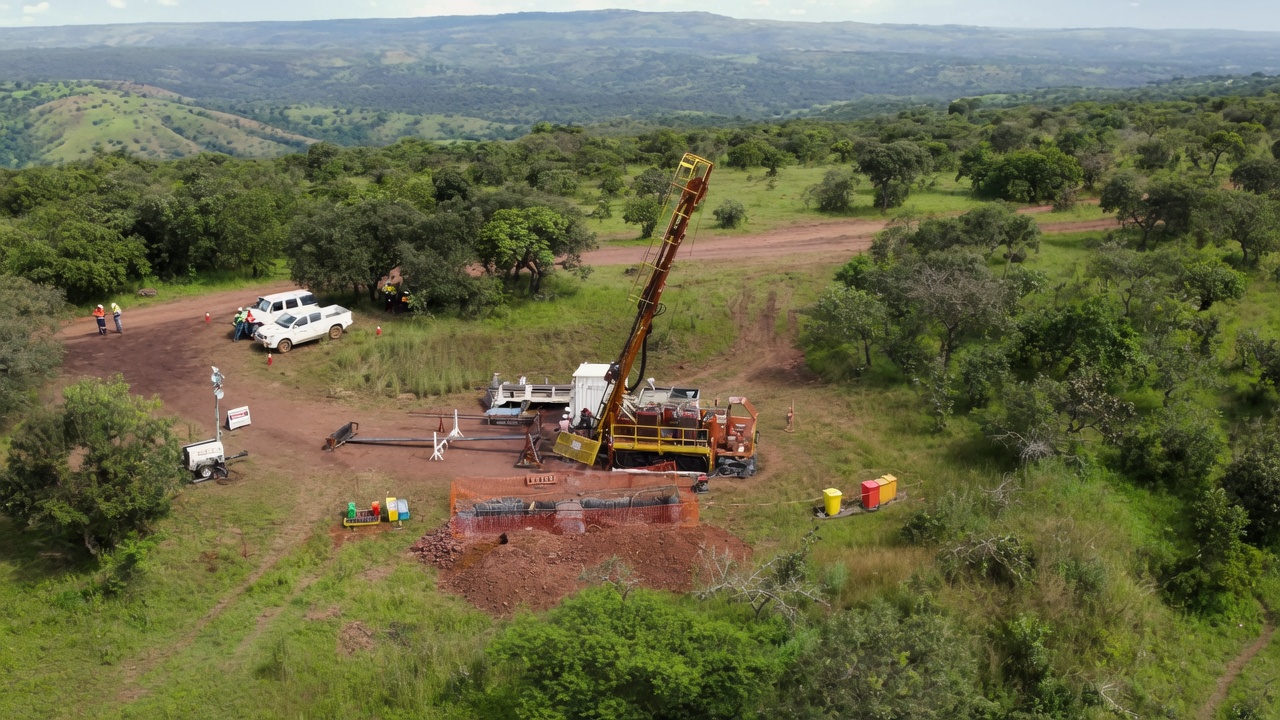
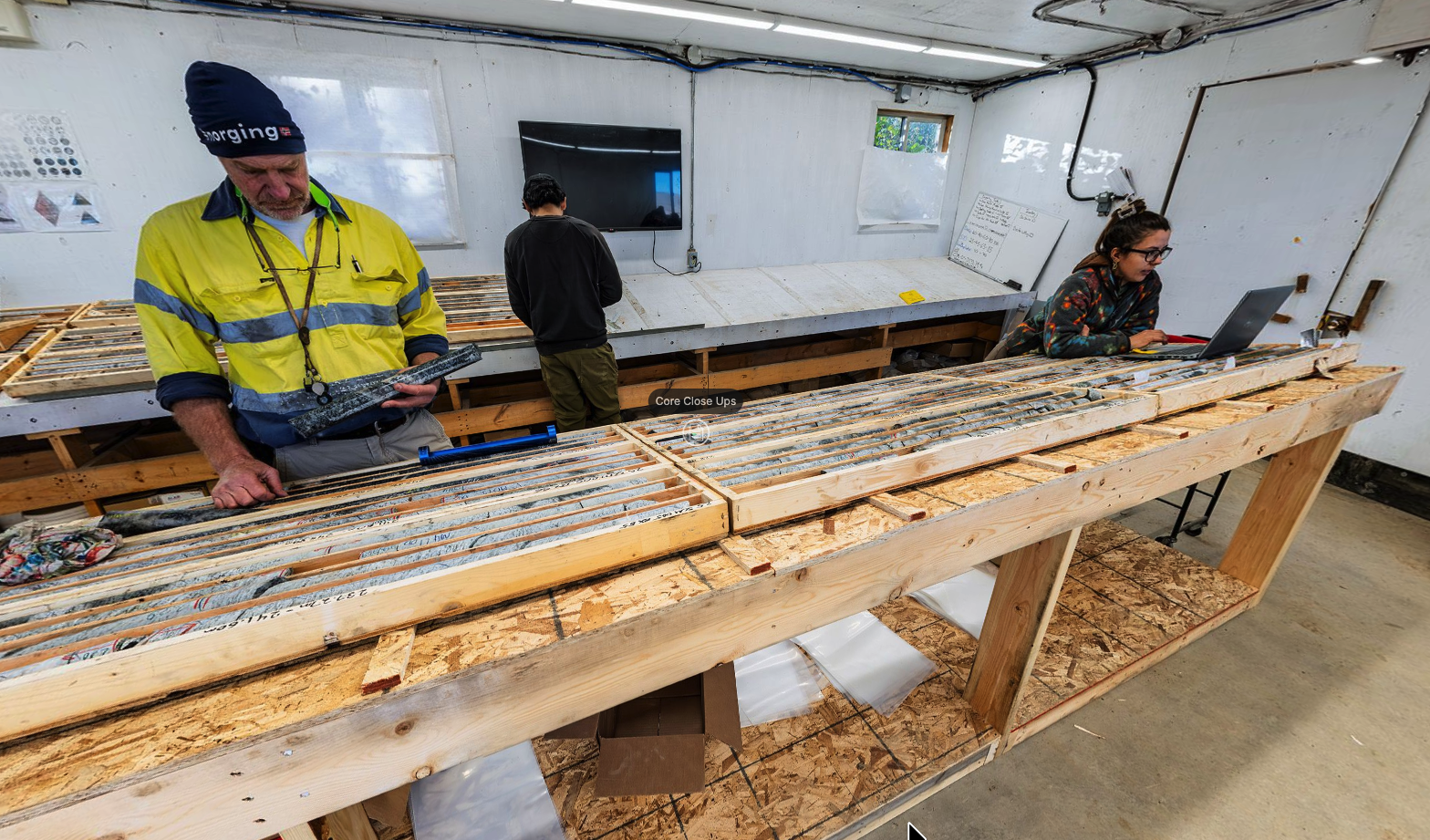
Western Mines Group has been testing for semi-massive to massive sulfides at the bottom of their ultramafic intrusion, similar to structures found at Canada Nickel's properties and at other deposits. Drill hole MTRC009 commenced at 522 meters depth and intersected approximately 900 meters of dunite containing disseminated magmatic sulfides ranging from trace amounts to 2%, with intervals showing interstitial blebs at 3-5% sulfide and coarsely disseminated zones reaching 5-10% sulfide. While assays are pending, the visible sulfide content suggests potentially favourable grade intervals at depth.
Capital raising activity has shown signs of improvement, with Generation Mining raising $30 million for its palladium-copper project in Ontario and Stillwater Mining securing $17 million for its PGM-focused operations. However, internal analysis conducted during Canada Nickel's board strategy session revealed that 99% of public equity raised in the mining sector over the past two years has been concentrated in gold, silver, and copper, with all other minerals representing just 1% of capital raised. This concentration highlights the challenge facing critical minerals projects in attracting private sector capital and underscores the importance of government participation in financing these developments.
Additionally, Talon Metals closed its acquisition of the Eagle Mine and mill from Lundin Mining, a transaction viewed as beneficial for both parties by matching processing infrastructure with exploration potential.
Conclusion
The nickel market in early 2026 is characterized by a fundamental shift in supply dynamics driven by Indonesian policy implementation and seasonal supply constraints. Price movements have been validated through corresponding increases across the supply chain, suggesting genuine demand-side participation rather than purely speculative activity. The convergence of supply restrictions with seasonal weakness in Philippine production creates conditions supportive of further price appreciation toward $20,000 per ton.
Canada Nickel's Crawford project has emerged as a strategically significant alternative to Indonesian supply, backed by unprecedented political support from the Ontario government. The project's advancement, combined with the district-scale resource potential demonstrated at Reid and other deposits, positions the Timmins Nickel District as a major long-term supply source. As governments increasingly view critical minerals through a national security lens rather than purely economic terms, projects offering supply chain diversification away from concentrated Asian production are likely to receive continued policy and financial support. The commitment to building not just a mine but an entire domestic supply chain including processing and downstream alloy production represents a significant strategic shift in North American critical minerals policy.
TL;DR
Nickel prices surged $2,200/ton to $18,650 on Indonesian supply restrictions confirmed by Vale's mining halt, with intermediate products rising 6-9% validating fundamental demand. Canada Nickel's Crawford project received accelerated government approval as a strategic alternative, while the 5-million-tonne Reid deposit offers superior economics. First-quarter seasonal constraints position nickel toward $20,000/ton by March.
FAQ's (AI Generated)
The Government views Crawford as critical for national security and reducing Chinese mineral dominance. Ontario's ministers used terms like "lightning speed" and "full-tilt," indicating strong political commitment with financing support expected.
Reid features nearly half the strip ratio, one-third less overburden, and 15% higher chromium grades than Crawford. The deposit covers less than 60% of its geophysical target and remains open for expansion.
Market observers expect prices to reach $20,000/ton range during the January-March quarter as Indonesian restrictions coincide with seasonal Philippine supply weakness when output drops to one-quarter of peak levels.
Nickel pig iron rose 8-9%, stainless steel increased 6%, and MHP payables held at 88.5% despite price volatility, indicating consumers are restocking and the entire supply chain is moving together fundamentally.
99% of public mining equity raised in the past two years went to gold, silver, copper, leaving 1% for other minerals. Limited market data and comparable transactions make investors uncomfortable with alternative metals.
Analyst's Notes





Subscribe to Our Channel
















Stay Informed


