




Serabi Gold Reports Record FY2025 Production and Meets Guidance: Reinforcing Execution as a Re-Rating Catalyst for Gold Equities


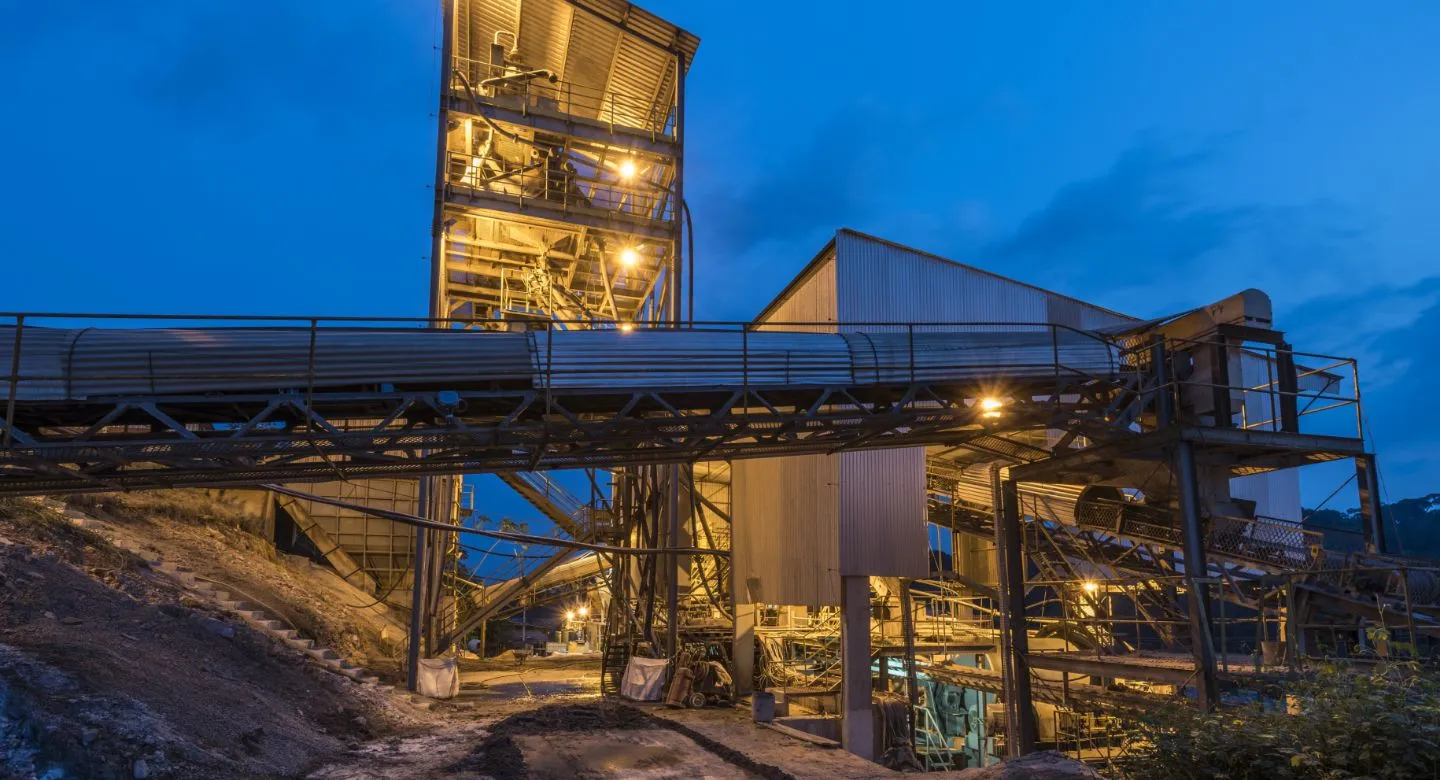
Serabi Gold delivers record FY2025 production of 44,169 oz, meeting guidance. Execution credibility emerges as the primary re-rating driver in gold equities.
- Consistent operational delivery is increasingly acting as a valuation filter in the gold sector, as investors rotate toward producers that meet guidance, control costs, and self-fund growth.
- Q4-2025 production results across the sector reinforce a widening gap between operators that execute and those that continue to miss timelines or budgets.
- In a higher-price gold environment, production growth alone is no longer sufficient, capital discipline, cost leverage, and balance-sheet strength are now primary re-rating drivers.
- Case studies from operating juniors highlight how meeting guidance and scaling production de-risks equity stories and lowers perceived execution risk.
- Serabi Gold's record FY2025 production and FY2026 growth outlook provide a timely example of how operational consistency can translate into strategic optionality, shareholder returns, and valuation support.
Why Operational Execution Has Become the Primary Differentiator in Gold Equities
The gold sector has entered a phase where price alone no longer lifts all equities. Despite spot gold trading near historic highs, equity performance among producers has diverged significantly. Investors are applying greater scrutiny to operational track records, and the market is rewarding companies that demonstrate consistent delivery against stated targets. This shift marks a maturation in how capital is allocated within the sector, with execution credibility emerging as a primary factor in valuation outcomes.
From Optionality to Accountability in the Gold Cycle
During earlier phases of the gold cycle, investors often assigned premium valuations to companies based on resource optionality, exploration potential, or exposure to rising prices. That dynamic has shifted. As gold prices have risen, investor selectivity has increased rather than decreased. Optionality alone no longer commands the multiples it once did.
The market is now placing greater emphasis on guidance credibility, cost control measured through All-In Sustaining Cost discipline, and free cash flow visibility. Producers that consistently meet or exceed production targets are being re-rated, while those that miss guidance face persistent valuation discounts regardless of underlying resource quality.
The Institutional Lens: Execution Risk as a Valuation Discount
Institutional investors apply discount rates to gold equities based on perceived execution risk. Missed guidance historically impacts enterprise value to ounce and enterprise value to EBITDA multiples, as capital allocators factor in the probability of future disappointments. Conversely, production consistency reduces the risk premium embedded in net present value models, supporting higher valuations for companies that demonstrate operational reliability.
This framework applies across the investor spectrum. Institutional capital allocation increasingly favors producers with demonstrated track records, while sophisticated retail investors have adopted similar screening criteria. The result is a market environment where execution, not speculation, determines relative performance.
Q4-2025 Production Season & What the Market Is Really Assessing
Year-end production reports serve as more than backward-looking summaries. For investors, Q4 results function as credibility tests that inform expectations for the following year. The market assesses not just whether companies hit their numbers, but how they achieved them and what the results signal about forward guidance reliability.
Beyond the Headline Numbers
Q4 production reports are evaluated as year-end execution checks and forward guidance credibility tests. Investors look beyond headline ounces to assess sequential production growth, development metres relative to output, and cost trajectories heading into the next fiscal year. A strong Q4 that aligns with full-year guidance reinforces confidence in management's ability to forecast accurately, while a weak finish raises questions about operational control.
Development metres, in particular, serve as a leading indicator. Companies that maintain underground development while delivering production demonstrate the operational depth to sustain output in future periods. This metric has gained prominence as investors seek evidence that current production is not being achieved at the expense of future mine life.
Production Guidance: Hit Rates & Misses
Historical analysis indicates that producers consistently meeting guidance tend to outperform peers over 12 to 24 month periods. The correlation reflects both direct valuation impacts and secondary effects on capital access. Companies with strong guidance track records typically face lower costs of capital when seeking growth financing, creating a compounding advantage over less reliable peers.
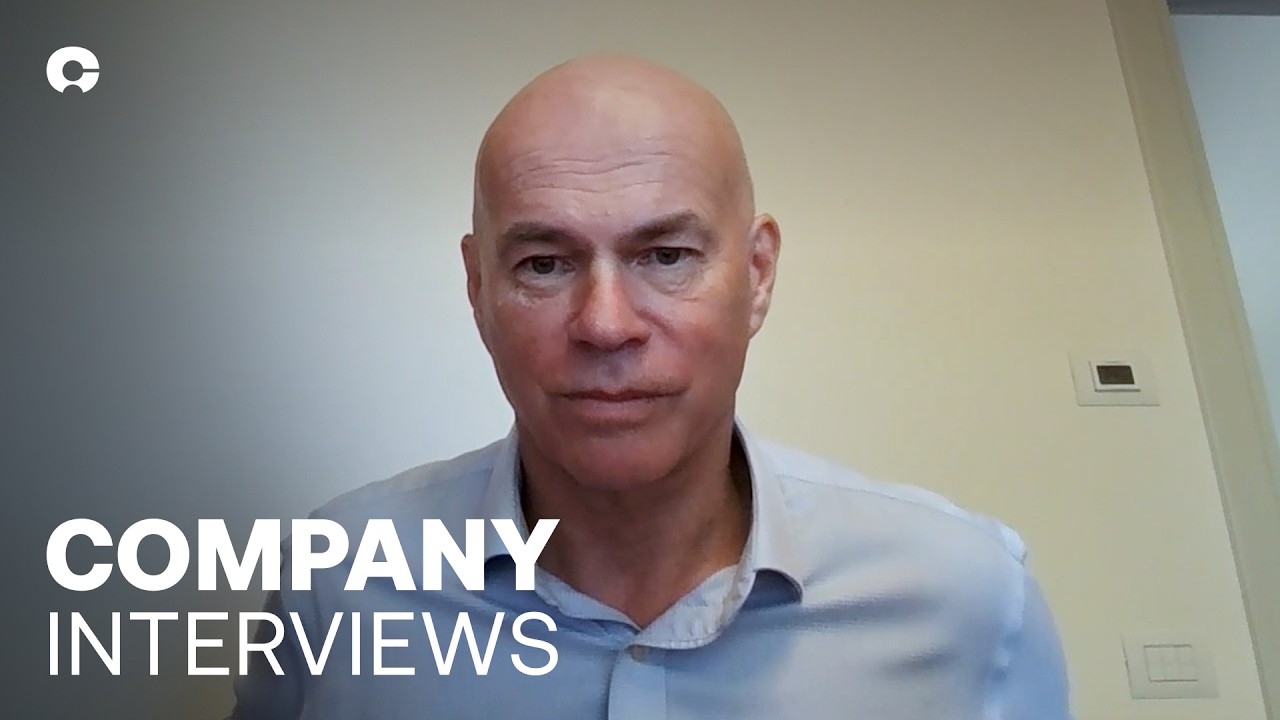
Michael Hodgson, Chief Executive Officer of Serabi Gold, underscores the importance of sustained delivery:
"Our objective is to maximize production from our existing facilities... We're getting more out of that plant by high-grading it. We don't high-grade the mine, we take the ore out of the mine, we put it through two ore sorters, so we're just upping that feed grade going into that plant, and that gets us to 60,000 ounces."
Case Study: Record Annual Production as a De-Risking Signal
Serabi Gold's FY2025 results illustrate how consistent execution translates into investor confidence and valuation support. The company delivered record annual production while maintaining cost discipline, demonstrating the operational characteristics that the market is currently rewarding.
Record FY2025 Output & What It Signals to Investors
Serabi Gold reported production of 44,169 ounces in FY2025, representing an 18% increase from 37,520 ounces in FY2024 and achieving stated guidance. Q4-2025 output reached 11,534 ounces, a 15% increase compared to 10,022 ounces in the prior year period. The achievement of record annual production matters more to investors than any single high-grade quarter because it demonstrates sustained operational capability rather than episodic outperformance.
Meeting guidance in consecutive periods builds cumulative credibility. For Serabi, FY2025 results validate management's forecasting accuracy and provide a foundation for confidence in FY2026 targets. The company has outlined FY2026 production guidance of 53,000 to 57,000 ounces, with management targeting 60,000 ounces through continued optimization of ore sorting and feed grade improvements.
Operational Levers Behind the Numbers
The production increase reflects specific operational improvements rather than simply higher grades or favorable one-time factors. At the Coringa Mine, mechanised mining in the Meio and Serra zones has reduced dilution and output variability, creating more predictable production profiles. Both ore sorters are now operational, with the second unit at Coringa commissioned in December 2024 and operating successfully throughout 2025.
Ore sorting technology serves as both a margin and throughput lever, allowing the company to increase effective feed grades without selectively mining only high-grade zones. At Palito, underground selective open stoping continues to deliver high grades averaging 9.9 g/t Au.
Michael Hodgson describes the company's growth trajectory:
"What we want to do is build a 100,000-ounce producer. We've got the two deposits that can deliver that."
Production Growth with Capital Discipline: The Balance-Sheet Advantage
Financial strength has emerged as a differentiating factor among gold producers. Investors increasingly prefer companies that can fund growth through internal cash generation rather than relying on dilutive equity financings or high-cost debt facilities.
Why Balance Sheets Now Matter More Than Ever
The rising cost of capital has shifted investor preferences toward self-funded growth models. Marginal producers dependent on external financing face compounding challenges as higher interest rates increase project hurdle rates while equity market appetite for speculative financings has declined. Companies with strong balance sheets avoid these pressures entirely.
Net cash positions provide operational flexibility and strategic optionality. Producers can pursue exploration programs, plant expansions, or opportunistic acquisitions without the timing constraints imposed by financing requirements.
Translating Cash Flow into Strategic Optionality
Serabi reported a net cash position of $42.1 million at the end of Q4-2025. The company also reduced its cost of debt by replacing a $5.0 million facility with Itau Bank at 8.47% interest with a new $5.0 million Banco Santander facility at 6.16%. These improvements reflect the financial benefits of operational execution.
The company has announced an inaugural shareholder return policy, signaling operational maturity and confidence in sustained cash generation.
Michael Hodgson addresses the company's financial position directly:
"The challenge at the moment is we don't need any money. We're generating so much money... We can fund all of that exploration out of cash flow. We can fund the plant growth out of cash flow when we come to do it."
Cost Leverage, AISC Trajectories & Margin Expansion
Cost performance in a rising gold price environment determines how much of the commodity price increase flows through to shareholder value. Companies with favorable cost structures and operational leverage are positioned to expand margins disproportionately as gold prices rise.
Reverse Operating Leverage in Fixed-Plant Systems
Processing facilities with fixed cost components exhibit reverse operating leverage as throughput increases. Higher volumes spread fixed costs across more ounces, compressing All-In Sustaining Costs and expanding margins. Serabi reported Group AISC of $1,700 per ounce for FY2024, with the Coringa PEA projecting AISC of $1,241 per ounce and total cash costs of $965 per ounce at that operation.
Feed grade consistency further supports margin predictability. Operations that maintain stable grades reduce the variability in cost-per-ounce calculations, allowing for more accurate financial forecasting.
Coringa as a Margin Lever
The transition to run-of-mine only feed at Coringa with anticipated product grades exceeding 12 g/t Au starting in 2026 has implications for EBITDA margins and free cash flow generation. The updated PEA filed in November 2024 establishes the economic framework for this expansion.
Near-Term Catalysts That Reinforce the Execution Narrative
Forward-looking investors assess not only current operational performance but also the visibility of future growth drivers. Companies with clearly defined catalysts and realistic timelines attract premium valuations relative to peers dependent on speculative outcomes.
Resource Growth & Mine Life Visibility
Serabi completed a 30,000-metre drilling program in 2025, with results pending, and has outlined an additional 30,000-metre program for 2026. The company is targeting resource expansion from the current consolidated resource of approximately 962,000 ounces toward 1.5 to 2.0 million ounces. Resource growth extends mine life and supports valuation multiples by reducing the depletion discount applied to finite reserve bases.
Micahel Hodgson outlines the exploration ambition:
"For the first time, whilst we've got all this money, which we haven't had for how many years, we are drilling very ambitious brownfield exploration programs... We're aiming by the end of 2026 to have at least grown our resource from one to 1.5 million ounces."
Permitting & Operational Optionality
The final installation licence for Coringa remains pending and represents a de-risking milestone that would remove regulatory uncertainty from the development timeline. The company also benefits from jurisdictional advantages including a 15.25% effective tax rate and improved logistics via recent paving of the federal highway.
The Investment Thesis for Serabi Gold
- Execution credibility through consistent delivery against production guidance reduces valuation risk and supports higher enterprise value to ounce multiples across market cycles.
- Margin expansion driven by mechanised mining, ore sorting technology, and higher feed grades creates AISC leverage that compounds returns in rising gold price environments.
- Capital discipline demonstrated through strong net cash positions and self-funded growth programs lowers dilution risk and improves capital efficiency for shareholders.
- Growth visibility from brownfield exploration and resource expansion extends mine life without requiring step-change capital expenditures or elevated project risk.
- Downside protection provided by shareholder return frameworks and sustained free cash flow generation offers valuation support through commodity price cycles.
- Jurisdictional expertise in underexplored regions creates acquisition optionality and competitive advantages in identifying and developing assets.
Record production and guidance delivery are no longer supplementary considerations in gold equity analysis. They have become central to valuation outcomes. The market continues to differentiate between producers that execute and those that promise, applying persistent discounts to companies with inconsistent operational track records.
Record FY2025 production, a clear pathway toward 60,000 ounces, and a $42.1 million net cash position capable of funding both exploration and shareholder returns position the company within the cohort of producers attracting re-rating interest. The broader investor takeaway remains clear: in the current gold cycle, execution drives re-rating potential while speculation carries increasing valuation penalties.
TL;DR
Serabi Gold achieved record FY2025 production of 44,169 ounces, an 18% increase year-over-year, meeting stated guidance. The company enters FY2026 targeting 53,000–57,000 ounces with ambitions toward 60,000 ounces through ore sorting optimization. A $42.1 million net cash position enables self-funded growth, exploration, and an inaugural shareholder return policy. The broader thesis: gold equities are now being valued on execution credibility rather than resource optionality alone. Producers consistently meeting guidance are attracting re-rating interest, while those missing targets face persistent valuation discounts. Serabi's operational consistency, margin expansion potential, and balance-sheet strength position it within the cohort of disciplined producers the market is currently rewarding.
FAQs (AI-Generated)
Investors now apply discount rates based on execution risk. Companies consistently meeting guidance reduce the risk premium in valuation models, while missed targets compress EV/oz and EV/EBITDA multiples regardless of underlying resource quality.
Serabi reported record annual production of 44,169 ounces, an 18% increase from 37,520 ounces in FY2024, achieving stated guidance.
Official guidance ranges from 53,000 to 57,000 ounces, with management targeting 60,000 ounces through continued ore sorting optimization and feed grade improvements.
With $42.1 million net cash, Serabi can self-fund exploration, plant expansion, and shareholder returns without dilutive financing, a key differentiator in the current capital environment.
Key catalysts include the pending final installation licence for Coringa, results from a 30,000-metre drilling program, and resource expansion targeting 1.5–2.0 million ounces by end of 2026.
Analyst's Notes





Subscribe to Our Channel





Stay Informed






















