




Serabi Gold's Path to 100,000 Ounces: What It Means for Execution Risk & Capital Allocation


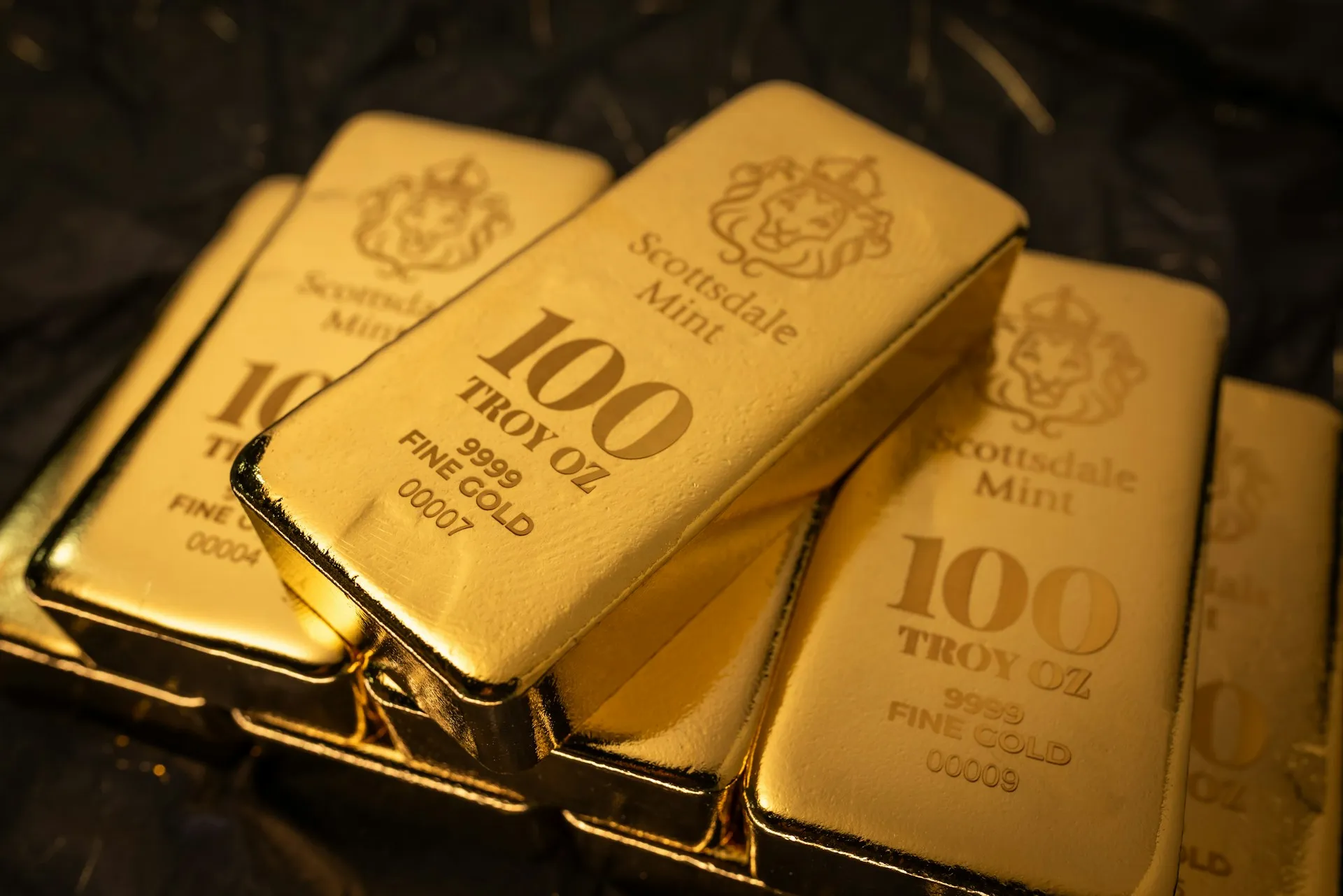
Serabi Gold targets 100,000+ oz annual gold production by 2028 through phased brownfield expansion at its Brazilian mines, funded by $42.1M net cash position.
- Serabi Gold plc has articulated a three-phased growth strategy targeting annual production in excess of 100,000 ounces, potentially by 2028, anchored by the Palito Complex and Coringa mine in Brazil.
- The strategy is being advanced from a position of positive operating cash flow and a net cash position of $42.1 million as at 31 December 2025, rather than reliance on speculative capital.
- Recent operational performance demonstrates execution capability, but a fatality at Coringa in January 2026 underscores the safety risks inherent in underground mining.
- Brownfield expansion and mine sequencing, rather than greenfield development, underpin the growth plan-reducing permitting and infrastructure risk.
- For investors, Serabi provides a case study in how capital discipline, asset quality, and sequencing decisions influence downside risk and re-rating potential in mid-tier gold producers.
Why Scale Matters in Gold Mining & Why It's Hard to Achieve
The transition from a 50,000 ounce producer to one generating over 100,000 ounces annually represents one of the most challenging inflection points in gold mining. This threshold matters not because of any intrinsic significance to the number itself, but because of what it implies for cost positioning, operational challenges, and capital market relevance.
The Structural Challenge of Growing to 100koz+
Producers operating below 60,000 ounces annually typically face constrained margins due to fixed-cost structures that cannot be adequately diluted across limited output. General and administrative expenses, sustaining capital requirements, and processing facility overhead represent largely fixed burdens that compress margins at lower production levels. Scaling to 100,000 ounces allows these costs to be spread across a larger production base, improving all-in sustaining cost positioning and free cash flow generation.
However, this scaling process introduces operational challenges that many producers fail to navigate. Underground mine sequencing, workforce expansion, processing throughput optimisation, and capital allocation across multiple development fronts create coordination challenges. The historical record shows numerous producers that have stumbled during scale-up phases, often due to grade dilution, capital overruns, or sequencing missteps.
From a valuation perspective, scale influences multiple metrics that institutional investors use to assess mining equities. Enterprise value per ounce of production, enterprise value to EBITDA ratios, and price to net asset value calculations all improve structurally when production crosses certain thresholds. Beyond valuation mechanics, scale affects liquidity and institutional eligibility. Producers below certain market capitalisation and trading volume thresholds remain excluded from indices and face constraints on institutional participation.
A Three-Phased Growth Strategy Anchored in Existing Assets
Serabi Gold's approach to reaching 100,000 ounces of annual production rests on a phased development model that prioritises existing infrastructure over greenfield expansion. This sequencing reduces permitting risk and capital intensity while allowing operational learnings to compound across development stages.
Phase I: Establishing Consistent Production & Cash Flow
The initial phase centres on stabilising output from the Palito Complex while advancing Coringa as a complementary ore source. The company has issued consolidated production guidance of 53,000 to 57,000 ounces for 2026, with a stated pathway toward 60,000 ounces. Rather than pursuing throughput expansion through capital-intensive plant modifications, the company has focused on grade optimisation using ore sorting technology to enhance feed quality to existing processing infrastructure.
Mike Hodgson, Chief Executive Officer of Serabi Gold, explains the operational strategy:
"Our objective absolutely is to initially maximise production from our existing facilities. We're actually getting more out of that plant by high-grading it. We don't high-grade the mine, we take the ore out of the mine, we put it through two ore sorters, so we're just upping that feed grade going into that plant."
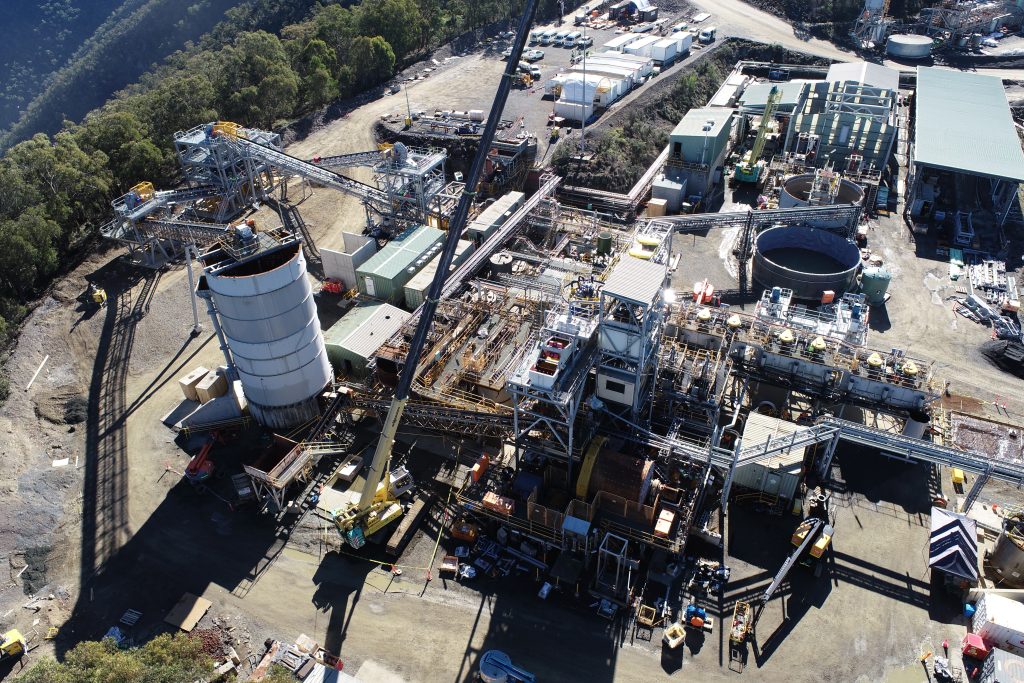
Both ore sorting systems are operational, with the Coringa unit running successfully throughout 2025 and the Palito Complex unit in operation since 2019. In fiscal 2025, the group processed 208,899 tonnes through its 650 tonne-per-day plant, representing approximately 88% utilisation.
Phase II: Brownfield Expansion & Resource Conversion
The second phase involves underground development and resource growth through infill and step-out drilling programmes designed to convert inferred resources to indicated categories while expanding the overall resource envelope. The company's current mineral resource inventory stands at approximately 962,000 ounces across both operations: Palito Complex resources of 350,000 ounces measured and indicated plus 162,000 ounces inferred (as of April 2025), and Coringa resources of 179,000 ounces measured and indicated plus 271,000 ounces inferred (as of April 2024).
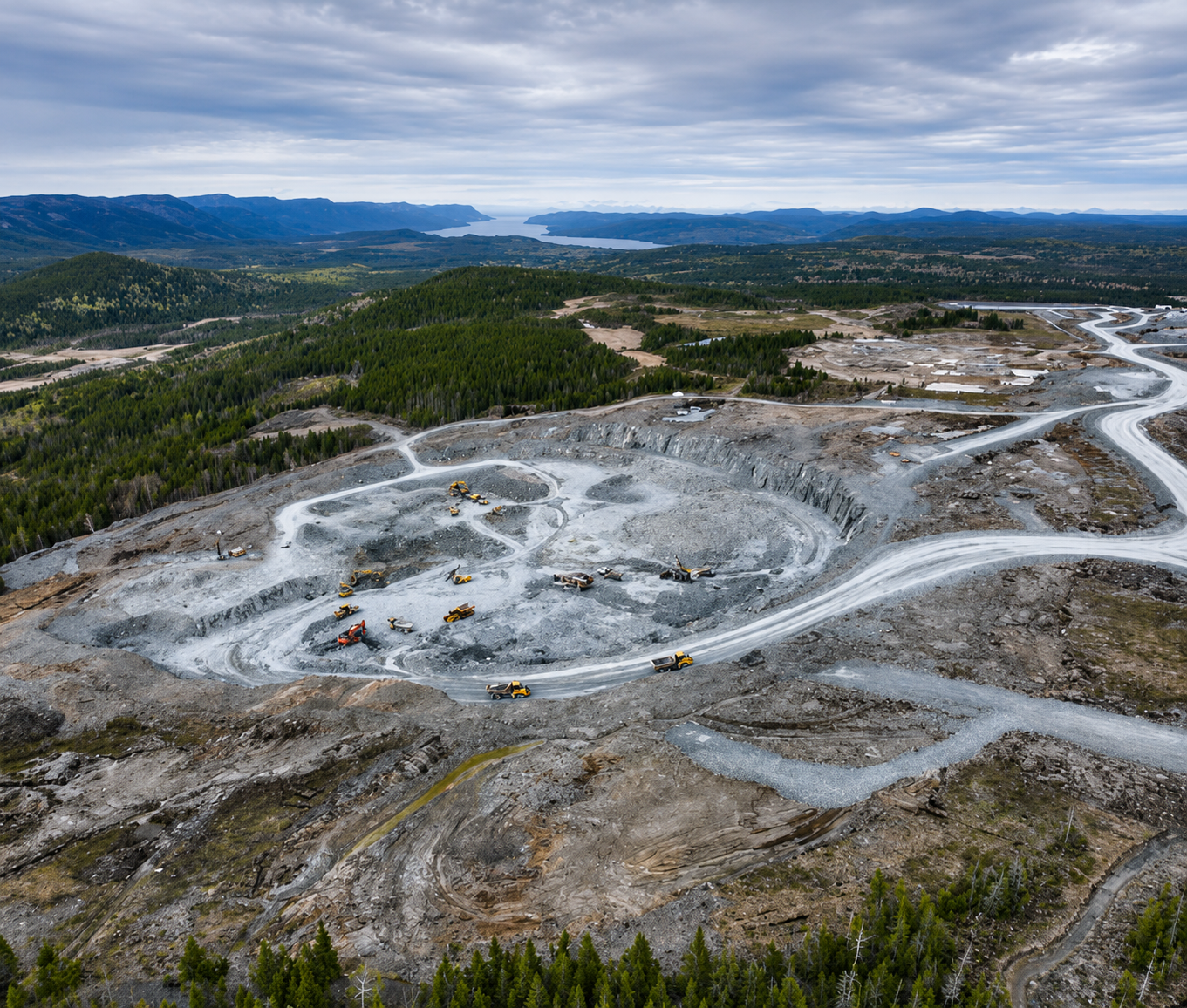
Recent drilling has validated the expansion potential of existing deposits. At Coringa, step-out drilling has identified the Serra South zone, located 500 metres south of the producing Serra zone.
Hodgson describes the exploration results:
"One mine we've been operating at Coringa. We've done some step-out drilling to the south. We found an entirely new body. It's like a repetition of the zone of work that we had."
The 2025 drilling programme of 30,000 metres has concluded, with the company awaiting additional assay results. An additional 30,000-metre programme is planned for 2026. The company states it remains on track to increase the mineral resource inventory to between 1.5 million and 2.0 million ounces.
Phase III: Toward >100,000 oz Annual Production
The third phase contemplates incremental throughput increases building toward the 100,000 ounce threshold. The company's corporate presentation outlines a Phase 3 strategy for 2027 involving the release of a preliminary economic assessment for a production run-rate exceeding 100,000 ounces per annum, potentially achievable by 2028.
Integrating the Case Study: Serabi Gold plc
Understanding the investment implications of Serabi's growth strategy requires examining the underlying asset base and why brownfield development offers specific risk-adjusted advantages.
Asset Base Overview: Palito Complex & Coringa
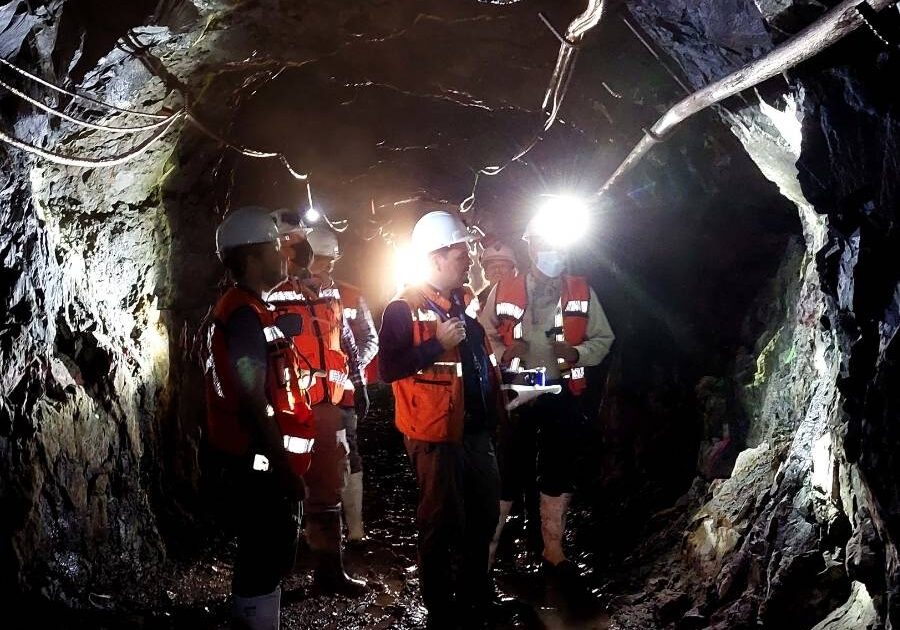
Serabi operates high-grade underground gold mines in the Tapajós region of Pará State, Brazil. In fiscal 2025, the Palito Complex achieved a milled grade of 6.03 grams per tonne gold, while Coringa achieved 7.64 grams per tonne, both substantially above typical grades for underground operations globally. In the fourth quarter of 2025, the company produced 11,534 ounces of gold. Coringa, which produced its first gold in July 2022, has now operated for over three years.
The centralised processing infrastructure serves multiple mining areas, creating logistics efficiencies and reducing capital requirements for incremental production additions.
Why Brownfield Growth Matters to Investors
Brownfield expansion carries lower execution risk than greenfield development. Permitting timelines compress when projects operate within existing environmental licences and community agreements. Infrastructure already exists, eliminating major capital requirements and construction risks.
Mike Hodgson emphasises the advantages of building from an established operational base:
"We can fund all of that through cash flow. We can fund the plant growth out of cash flow when we come to do it."
Capital Allocation & Balance Sheet Discipline as Risk Controls
As at 31 December 2025, Serabi reported cash of $49.2 million and a net cash position of $42.1 million, with debt obligations of approximately $7.1 million. For the nine months ended 30 September 2025, the company generated net cash inflow from operations of $34.3 million.
This self-funding capacity reduces dependence on market conditions and allows development decisions to be made on operational merit rather than financing availability. The share count remains at 75.7 million ordinary shares, with no equity issuance reported in recent periods.
Balance sheet strength compresses execution risk by ensuring that operational setbacks do not cascade into financial distress. The company has announced an inaugural shareholder return policy and states it remains well financed to deliver on this policy in 2026.
Operating Leverage, Cost Control & the Role of Technology
Operational efficiency initiatives can enhance margins independent of gold price movements, though technology adoption has limits as a risk mitigant.
Ore Sorting & Margin Protection
Ore sorting technology allows pre-concentration of mill feed by rejecting waste material before processing. The result is improved recovery per tonne processed, reduced reagent consumption, and higher throughput of valuable material through existing infrastructure.
For Serabi, ore sorting has enabled production optimisation without requiring plant expansion capital. This approach improves all-in sustaining costs while preserving processing capacity for future production increases.
Sensitivity to Gold Price Cycles
Operating leverage amplifies both upside and downside exposure to commodity prices. High-grade, low-cost producers generate outsized cash flow increases when gold prices rise, but this leverage works in reverse during price declines.
Operational Reality Check: Growth Comes With Risk
Underground mining involves inherent risks that investors must weigh against growth potential. Safety incidents, geotechnical challenges, and sequencing complications represent ongoing operational realities.
Underground Mining Risk Profile
On 25 January 2026, Serabi reported a fatality resulting from an accident at a production face at the Coringa mine. Production in the area of the incident was paused pending enquiries by Brazilian authorities, though broader mining operations were otherwise unaffected. The company indicated production in the affected area was expected to resume within days.
Such incidents serve as reminders that mining remains a physically demanding activity with real hazards. How companies respond, through disclosure, investigation, and corrective action, provides insight into governance quality and operational culture.
Operational setbacks typically affect near-term timelines more than long-term asset value. For investors, the relevant questions concern management response, transparency, and systemic improvements rather than isolated incidents themselves.
How This Fits the Broader Gold Sector in 2026
Serabi's growth trajectory occurs against a sector backdrop characterised by declining discovery rates and constrained reserve replacement.
The gold mining sector faces a structural challenge: major discoveries have become increasingly rare, and reserve replacement ratios across the industry have lagged production for over a decade. Market valuations increasingly reward demonstrated production over exploration narratives.
M&A & Consolidation Context
Larger producers seeking to replace depleting reserves face limited options for acquisition targets with meaningful scale potential.
Hodgson acknowledges this dynamic while emphasising discipline:
"We're always looking for M&A that makes sense. Don't overpay and don't just do a deal for the sake of it."
The Investment Thesis for Serabi Gold
- Strong balance sheets reduce dilution risk during growth phases by enabling internal funding of development activities.
- Brownfield expansion lowers permitting and capital intensity risks compared to greenfield development.
- Consistent cash flow generation supports disciplined capital allocation without dependence on external financing markets.
- Scale increases strategic relevance to larger producers seeking acquisition targets.
- Execution track records demonstrated through delivered production targets deserve greater weight than aspirational guidance.
- High-grade deposits with milled grades exceeding 6 grams per tonne provide margin protection that enhances cash flow sensitivity.
Serabi Gold's stated goal to exceed 100,000 ounces of annual production is not, by itself, an investment thesis. What matters is how that growth is pursued: through phased development, balance sheet funding, and incremental operational expansion, rather than relying on external financing or unproven assets. The company's share price has appreciated significantly over the trailing twelve-month period, reflecting market recognition of execution progress.
TL;DR
Serabi Gold is pursuing a three-phased strategy to grow from approximately 55,000 ounces to over 100,000 ounces of annual gold production by 2028, using its existing Palito Complex and Coringa mines in Brazil. The approach prioritises brownfield expansion over greenfield development, reducing permitting and capital risk. With $42.1 million in net cash and strong operating cash flow, the company can self-fund growth without dilutive equity raises. High-grade deposits (6-7.6 g/t gold) and ore sorting technology provide margin protection. Key risks include underground mining hazards, as highlighted by a January 2026 fatality at Coringa. Resource targets aim for 1.5-2.0 million ounces.
FAQs (AI-Generated)
Serabi Gold is targeting annual production exceeding 100,000 ounces, potentially achievable by 2028. For 2026, the company has issued guidance of 53,000 to 57,000 ounces with a stated pathway toward 60,000 ounces.
The company plans to fund growth through internal cash flow rather than external financing. As at 31 December 2025, Serabi held $42.1 million in net cash, and generated $34.3 million in operating cash flow for the first nine months of 2025.
Brownfield expansion involves developing new mining areas adjacent to existing operations rather than building entirely new mines. This reduces permitting timelines, leverages existing infrastructure, and eliminates major construction risks associated with greenfield projects.
Key risks include underground mining hazards (a fatality occurred at Coringa in January 2026), execution challenges in scaling production, grade dilution potential, and sensitivity to gold price fluctuations due to operating leverage.
In fiscal 2025, the Palito Complex achieved a milled grade of 6.03 grams per tonne gold, while Coringa achieved 7.64 grams per tonne—both substantially above typical grades for underground gold operations globally.
Analyst's Notes





Subscribe to Our Channel



Stay Informed






















