Tectonic Metals Targets 5 Million Ounce Alaska Gold Resource, Maiden Estimate and PEA in 2027


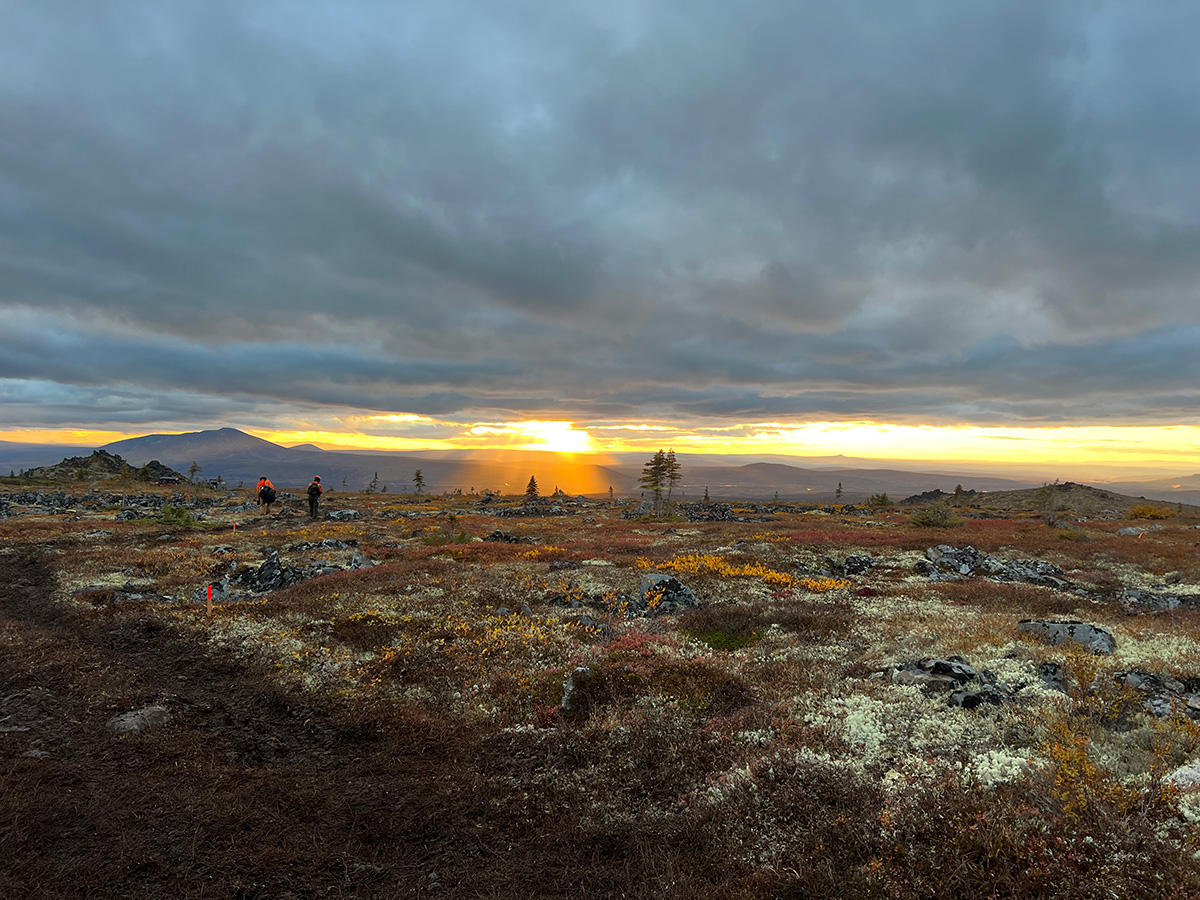
Tectonic Metals reports 96% and 91% heap-leach column recoveries at Chicken Mountain, Alaska, ahead of a maiden resource in the first quarter of 2027.
- Tectonic Metals is targeting a maiden Mineral Resource Estimate for Chicken Mountain in the first quarter of 2027 and a Preliminary Economic Assessment in the second quarter.
- Column tests on a coarse 3/4-inch crush recovered 96% and 91% of the gold, with fresh rock leaching as well as oxide.
- Chicken Mountain has 3.3 kilometers of drilled strike that is open in all directions, and more than 90% of the mapped intrusion has not been drilled.
- Black Creek, 6 kilometers north, has returned gold in 17 of 18 holes and is emerging as a second gold center.
- The company held $83.2 million in cash at June 30, 2026, with no debt and 55% institutional ownership. It is weighing how to split capital between converting ounces and expanding the resource.
With gold near $4,000 per ounce, generalist investors are returning to the junior sector, and some of them will not look at an explorer without a published resource. Tectonic Metals Inc. (TSXV:TECT) is working to close that gap. The company raised C$92 million in March 2026 at C$2.15 per share with no warrants, launched a 5-rig drill programme in April 2026, and is targeting a maiden Mineral Resource Estimate (MRE) for the Chicken Mountain target at its Flat Gold Project in southwestern Alaska in the first quarter of 2027. A Preliminary Economic Assessment (PEA) is targeted for the second quarter of 2027.
Two column-leach tests on Chicken Mountain material recovered 96% and 91% of the gold on a coarse 3/4-inch crush, and drilling at Chicken Mountain has returned gold in all 206 holes to date. Tectonic is targeting a 5 million ounce resource, the scale its leadership uses to define a tier-one gold opportunity.
Doyon Partnership & an Overlooked Alaskan Belt
Tectonic entered Alaska in 2018 and spent close to a year building a relationship with Doyon, Limited, one of the state’s largest Alaska Native regional corporations, before acquiring projects under production and impact benefit agreements in place from day one. Doyon has invested more than $10 million in Tectonic. The Flat project covers 99,840 acres of predominantly Doyon-owned land.
Flat was the fifth acquisition from Doyon. Co-founder Tony Reda was drawn to the mineral belt that hosts NovaGold’s Donlin deposit, which holds 39 million ounces of measured and indicated gold resources but is refractory. Flat lies on the other side of a fault from Donlin, and its creeks have produced 1.4 million ounces of placer gold, making it the third-richest placer gold district in Alaska. Placer gold is free gold, which suggested the hard-rock sources might be free-milling too.
Little hard-rock work had been done there for more than 20 years. Between 1985 and 1989, Fairbanks Gold, the company Reda linked to Robert Friedland and which advanced the Fort Knox discovery now operated by Kinross, drilled about 20 holes at Chicken Mountain. Placer Dome drilled a few holes at Black Creek, and all of that historical drilling returned gold.
Chicken Mountain Open in All Directions
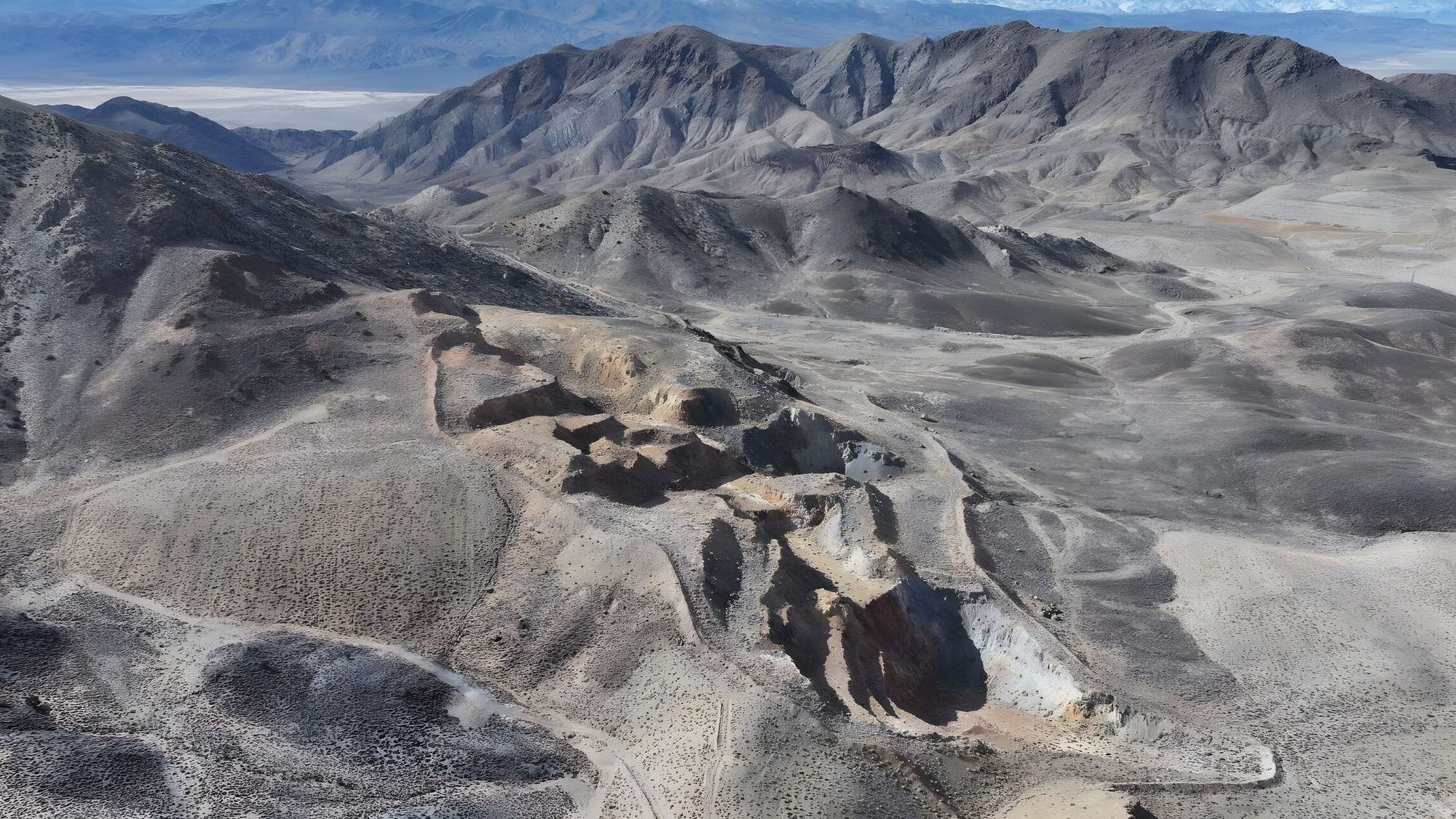
Drilling at Chicken Mountain has defined a mineralised area 3.3 kilometers (km) long, 700 meters (m) wide and 300 m deep that remains open in all directions. The host monzonite has been mapped over 4.5 km by 3.0 km, the geophysical footprint measures 6.5 km by 6.0 km, and more than 90% of the mapped intrusion has not yet been drilled. More than 60% of holes ended in gold mineralization.
Results include 9.94 grams per tonne (g/t) gold over 36.58 m, including 15.73 g/t over 22.86 m, at Chicken Mountain itself, and 8.84 g/t over 13.72 m within 4.05 g/t over 30.48 m at the Adit Zone. Tectonic drilled 33,000 m in 2026, and more than 120 Chicken Mountain holes are awaiting assays.
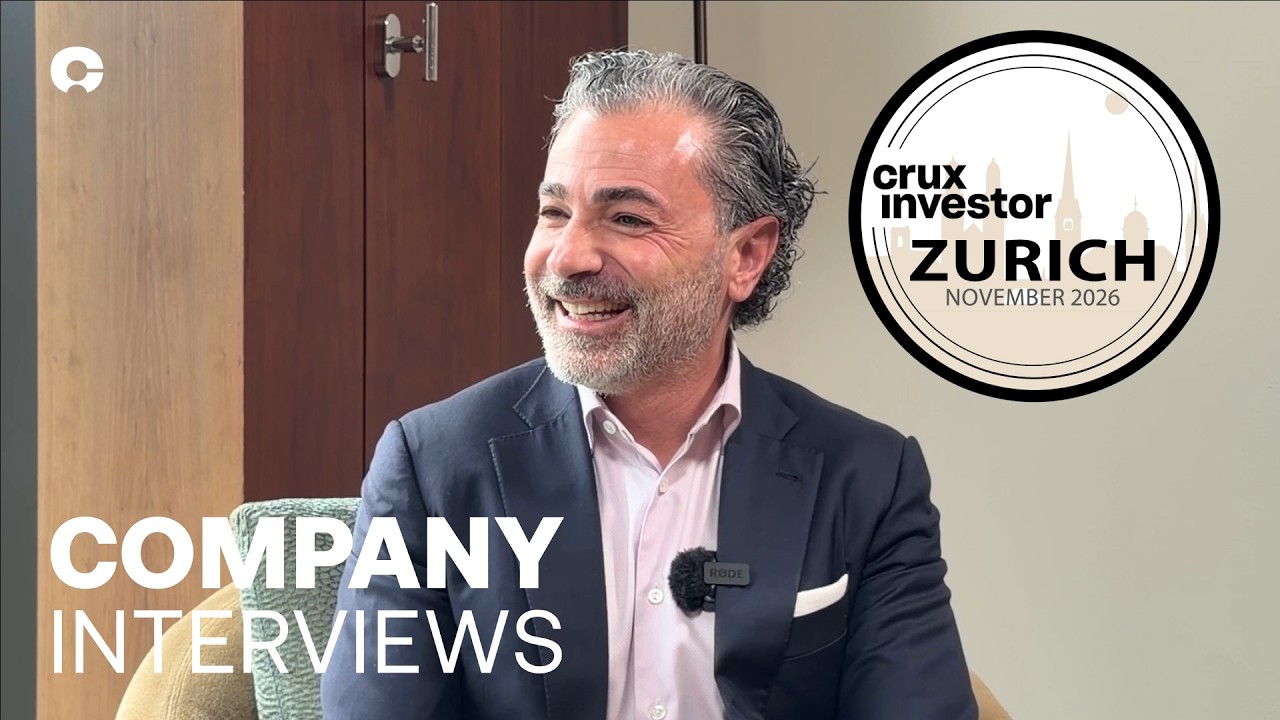
Interview with Tony Reda, President, Founder and CEO of Tectonic Metals
Metallurgy Built Around Low-Cost Heap Leaching
Tectonic has completed bottle-roll, flotation, gravity and 2 column-leach tests on material from 6 drill holes. Column 1 recovered 96% of the gold after 71 days, with 83% recovered by day 29. Column 2 recovered 91% after 69 days. Both used 3/4-inch crushed material that combined oxidized and fresh rock, with samples taken from as deep as about 180 m.
Tony Reda, Co-Founder, President and CEO of Tectonic Metals, explained why fresh rock leaches as readily as oxide at Chicken Mountain:
“The system has less than 1% sulphur in it. That’s why it’s called a reduced intrusion-related gold system. So the fact that there’s no sulphur, it’s fracture-controlled gold. The cyanide solution can access the gold very easily.”
At the Coffee Gold Project, which Reda helped advance at Kaminak Gold, the sulphide material was refractory. At Chicken Mountain, recoveries do not depend on oxidation, so deeper ounces are not lost to the process.
The coarse crush is deliberate. A 3/4-inch product represents a 3-stage crushing circuit, and Reda said crushing and grinding typically make up about 50% of a mine’s all-in sustaining cost, a heavy load for an off-grid operation exposed to diesel prices. On cold-climate risk, he cited more than 80 cold-climate heap-leach mines worldwide and heap-leach engineer Mark Smith on Tectonic’s technical advisory committee. Another 15 columns, run under chilled conditions across a larger section of Chicken Mountain, are due before the end of 2026.
Black Creek Emerges as a Second Gold Center
Black Creek lies 6 km north of Chicken Mountain. Only 1,600 m of drilling has been completed there, and 17 of 18 holes have intersected gold, including 4.50 g/t over 48.77 m and 5.61 g/t over 41.15 m. The host rock is hornfels, different from the monzonite at Chicken Mountain. An old hard-rock mine at Black Creek produced about 3,000 ounces at 12 g/t in the late 1930s.
Tectonic collected metallurgical samples at Black Creek in 2026. Reda expects the material to be free-milling based on the historical mining, while heap-leach amenability is still unknown. Tectonic plans to step out from the strongest Black Creek intercepts in 2027.
Resource Target, Study Timeline & Capital Allocation
Reda defines a tier-one opportunity as 500,000 ounces of annual gold production over a 10-year mine life, or 5 million ounces, with costs in the lowest quartile of the industry and a safe jurisdiction. Tectonic is targeting a 5 million ounce resource, with more than 200 holes, including historical drilling, feeding the MRE.
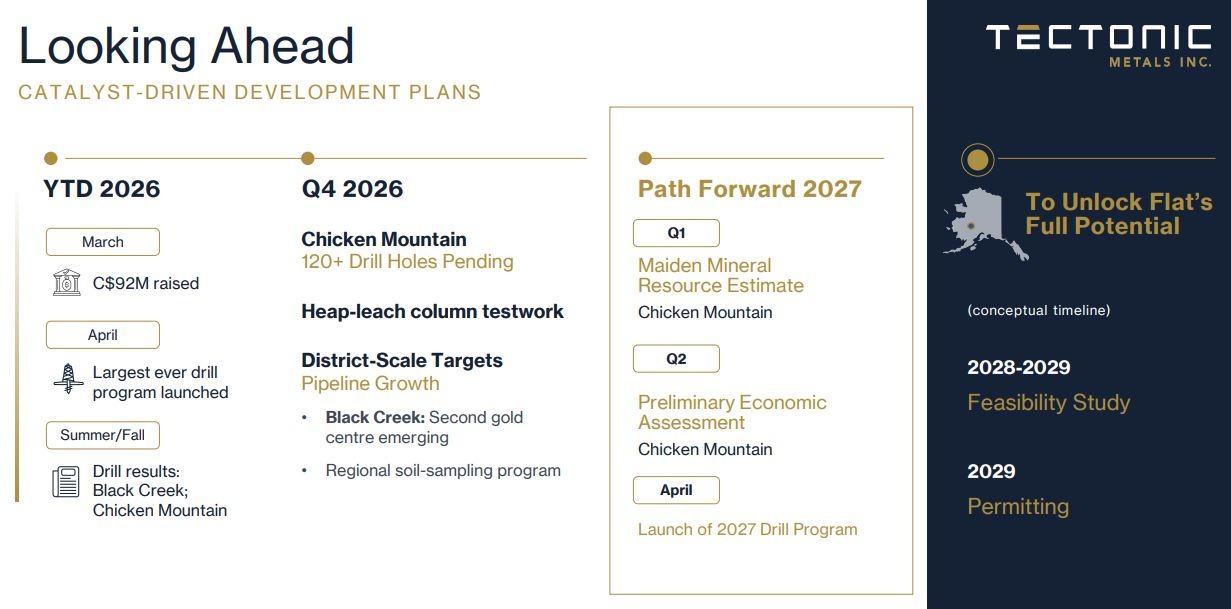
The PEA has a specific job. Flat has no neighbouring mines, so investors cannot benchmark its economics against nearby operations, and some institutions will not invest without a resource, technical report or PEA. Tectonic’s conceptual timeline points to a feasibility study in 2028-2029 and permitting by 2029. Reda said converting 3.3 km of strike will take at least 2 years of drilling. He expects a heap-leach design with no tailings dam, historically disturbed Doyon land and the existing agreements to support a more straightforward permitting process.
The open question is how to split capital between conversion drilling and expansion at Chicken Mountain, Black Creek and Golden Apex. Reda described a possible 80/20 or 70/30 split, depending on market conditions and the share price of the next raise. His preference is to fund both, at a price above the $2.15 paid in the last financing.
Balance Sheet, Shareholders & Team
Tectonic held $83.2 million in cash at June 30, 2026, has no debt and has 134.5 million shares outstanding, or 171.8 million fully diluted. Institutions own 55% of the company, with holders including Doyon, VanEck, Franklin Templeton, Crescat Capital, Libra and Ixios.
The team traces back to Kaminak Gold, which advanced Coffee to its C$520 million sale to Goldcorp in 2016. Director Mick Roper spent 16 years at Agnico Eagle, and technical advisor Dr. Richard Goldfarb, with around 250 publications, worked on the Flat property about 30 years ago with the US Geological Survey.
Tectonic announced the appointments of 2 vice presidents. Mark Warbanski, who helped take Artemis Gold’s Blackwater mine into commercial production, leads project development, environment and permitting. Janine Bedford, who led community and public relations at Teck’s Red Dog mine in Alaska, leads external relations.
The Investment Thesis for Tectonic Metals
- Tectonic is targeting a maiden mineral resource estimate for Chicken Mountain in the first quarter of 2027 and a preliminary economic assessment in the second quarter of 2027.
- Column tests on 3/4-inch crushed material recovered 96% and 91% of the gold without separating oxide from fresh rock, which supports a low-cost heap-leach case.
- Chicken Mountain has 3.3 kilometers of drilled mineralised strike that remains open in all directions, and more than 90% of the mapped monzonite intrusion has not been drilled.
- Black Creek, 6 kilometers north of Chicken Mountain, has returned gold in 17 of 18 holes in a different host rock and gives the project a second gold center.
- The company held $83.2 million in cash as of June 2026 with no debt and 55% institutional ownership.
- Results from 15 more column tests and more than 120 pending drill holes are the next markers to watch ahead of the resource estimate.
Tectonic raised its March financing to deliver the maiden resource, and the first quarter of 2027 will show how much of the drilled footprint converts into ounces.
Macro Thematic Analysis
A gold price around $4,000 per ounce has changed which explorers attract attention. Generalist funds that rarely looked at the sector are now screening for companies that can show scale, and some apply a hard filter: no resource, no investment. Tectonic raised C$92 million before publishing one, after institutions modelled its public drill data themselves.
Reda tied the company’s timing to the gold price:
“If we had $2,000 gold price, ounces in the ground don’t matter as much. In a $4,000 gold environment, the generalists are popping up their head every day. New people into the sector looking at it.”
Alaska gives that capital a familiar jurisdiction. It is the second-largest gold-producing state in the US, with 7 producing mines. Fort Knox, a reduced intrusion-related gold system in the same Tintina Gold Belt, has produced more than 9 million ounces and has run heap-leach processing since 2009, a direct analogue for the processing route Tectonic is testing at Flat.
Tectonic’s peer comparison frames the drilling question. Snowline Gold reported 7.9 million ounces of measured and indicated resources at its Rogue project from about 53,000 m of drilling. Tectonic has drilled about 55,000 m at Chicken Mountain, with its first resource still to come.
TL;DR
Tectonic Metals is targeting a maiden resource estimate for Chicken Mountain at its Flat Gold Project in Alaska in the first quarter of 2027, followed by a preliminary economic assessment in the second quarter. Management is targeting a 5 million ounce resource. Column tests on a coarse 3/4-inch crush recovered 96% and 91% of the gold, with fresh rock leaching as well as oxide. Drilling has defined 3.3 kilometers of strike that is open in all directions, and Black Creek, which is 6 kilometers north, has returned gold in 17 of 18 holes. The company held $83.2 million in cash at June 2026 with no debt.
FAQs (AI-Generated)
Analyst's Notes





Subscribe to Our Channel





Stay Informed