




Tightening Platinum Supply and Rising Geopolitical Risk Are Reshaping PGM Investment Strategy


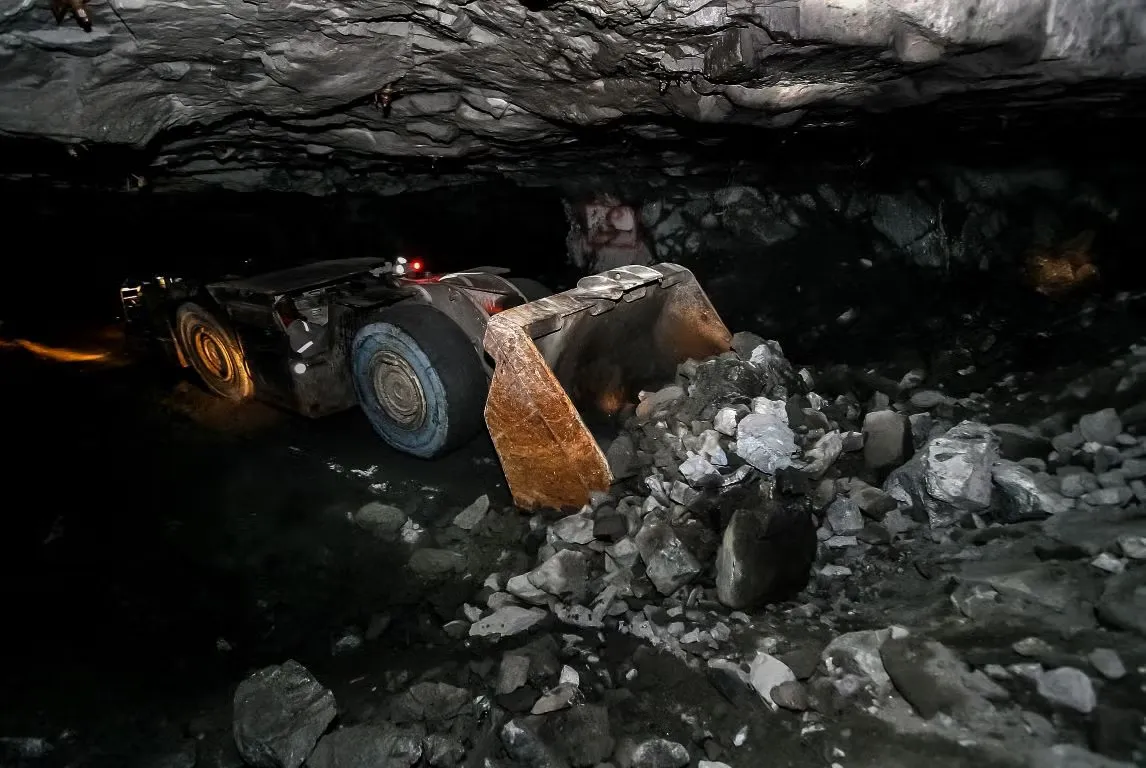
Platinum deficits, geopolitical risk, and falling South African output are tightening markets as investors grow bullish on PGMs and new supply projects.
- Rising geopolitical tensions in the Middle East and elevated oil prices are reinforcing inflation expectations, increasing investor interest in precious metals including platinum and palladium.
- Structural supply deficits in platinum, driven by declining South African output and geopolitical risks in Russia and Zimbabwe, are tightening market balances beyond cyclical price moves.
- Above-ground platinum inventories have fallen to less than five months of demand coverage, amplifying price sensitivity to incremental supply disruptions.
- Institutional forecasts are turning more bullish, with Bank of America raising its platinum price forecast to approximately $2,450/oz for 2026 amid persistent deficits.
- Development-stage projects outside traditional platinum group metal jurisdictions, including Brazil, are attracting investor attention as potential future supply sources.
Middle East Conflict, Oil Prices & Inflation Expectations Are Driving Precious Metals Flows
Escalating geopolitical tensions involving the United States, Israel, and Iran in early 2026 have affected commodity markets beyond crude oil. Disruptions to logistics through the Strait of Hormuz, responsible for roughly one-fifth of global oil and liquefied natural gas trade, have pushed energy prices higher and reinforced inflation expectations across financial markets. Oil prices have risen more than 5% in recent trading as markets assess the risk of sustained conflict affecting regional supply chains.
Higher energy prices feed directly into global inflation metrics, complicating expectations for near-term rate cuts and encouraging a more restrictive policy stance from central banks. In this environment, investors typically rotate toward real assets as a hedge against inflation and macroeconomic uncertainty. Precious metals historically benefit from this dynamic, as geopolitical instability and inflation concerns increase demand for safe-haven assets.
Gold has been the most visible beneficiary, holding above $5,000/oz despite pressure from higher US Treasury yields and a stronger dollar. However, the same macro drivers are increasingly influencing platinum group metals (PGMs), particularly platinum. Unlike gold, platinum straddles both investment and industrial markets, used in catalytic converters, hydrogen fuel cells, and chemical catalysts, meaning geopolitical or inflationary shocks can amplify price movements when supply fundamentals are already tight.
Structural Supply Decline Is Tightening the Global Platinum Market
While geopolitical tensions have catalyzed platinum’s recent price strength, the deeper driver is a decade-long structural supply decline. According to the World Platinum Investment Council (WPIC), the market recorded a 692,000-ounce deficit in 2025, the third consecutive annual shortfall, as mine supply fell to 5.51 million ounces, its lowest level in five years.
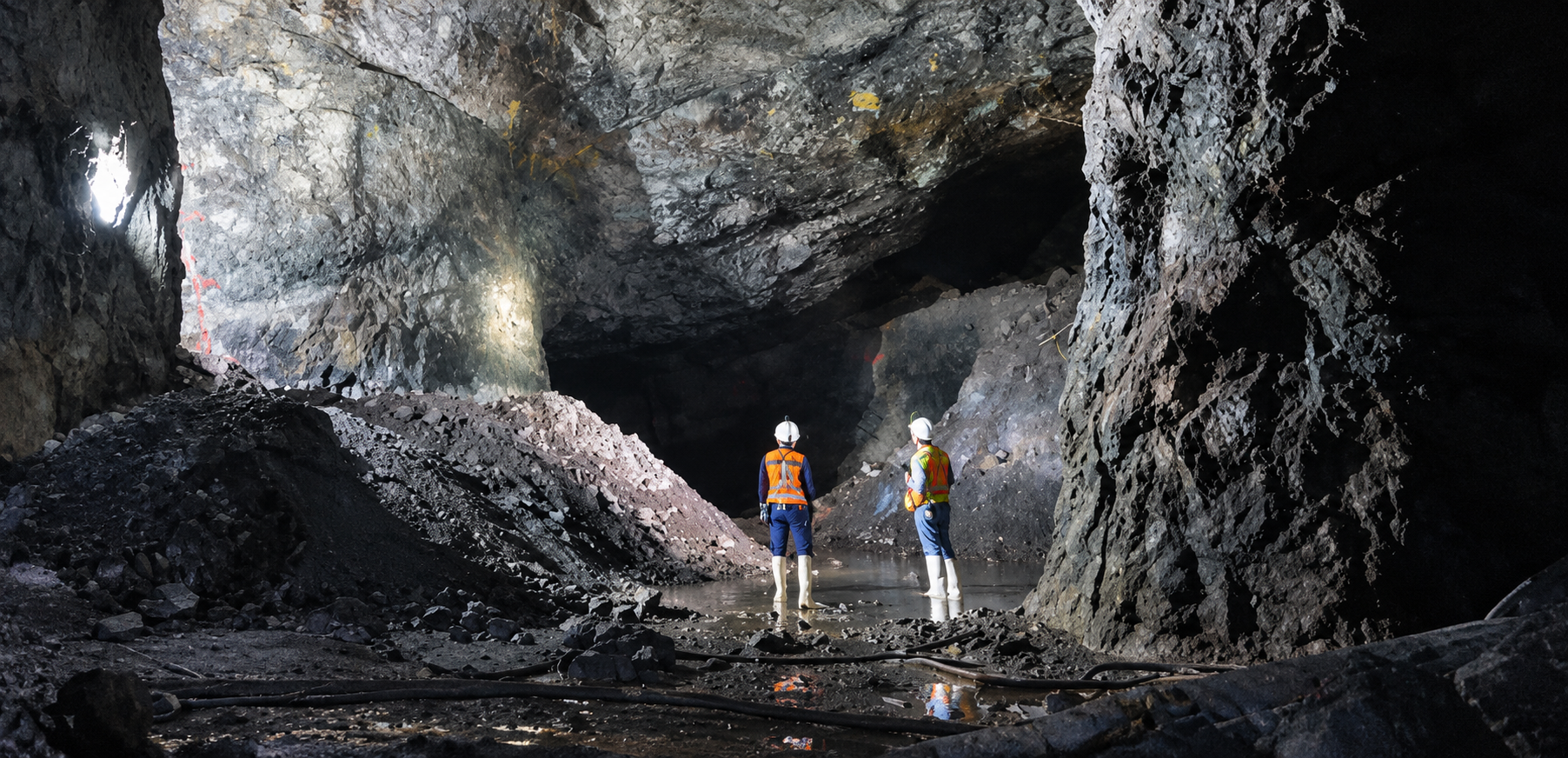
Most of the decline originates in South Africa, which produces roughly 70% of global platinum. Output has dropped from about 5.3 million ounces in 2006 to 3.9 million ounces in 2025, reflecting aging infrastructure, rising operating costs, and prolonged underinvestment in new mines. Economically viable PGM deposits are rare and typically located in deep formations such as the Bushveld Complex, where mining thousands of meters underground significantly increases capital requirements and all-in sustaining costs.
These constraints mean new supply has been slow to emerge even as prices rise. With underground PGM projects often taking more than a decade to reach production, supply cannot quickly respond to market signals. WPIC estimates above-ground inventories have fallen to about 3.2 million ounces, less than five months of demand, leaving the market increasingly sensitive to disruptions from labor actions, sanctions, or operational issues.
Concentrated Supply Chains Are Increasing Geopolitical Risk Premiums
The platinum group metals supply chain is among the most geographically concentrated in the global mining industry. Approximately 90% of global PGM reserves are located in South Africa, with Russia accounting for most of the remaining production base. This concentration creates a structural vulnerability that any disruption, whether operational, regulatory, or geopolitical, can disproportionately affect global supply availability.
Russia represents a particularly complex risk. The country holds roughly 7% to 8% of global PGM reserves, and its Norilsk mining complex remains one of the largest producers of palladium and platinum globally. Western sanctions and trade restrictions related to ongoing geopolitical tensions have introduced additional uncertainty into the availability of Russian PGMs on international markets. Trade policy risks have also begun to materialize. The US The Department of Commerce has investigated potential dumping of Russian palladium into American markets, raising the possibility of tariffs or import restrictions that could distort established supply flows.
Zimbabwe, the third-largest PGM producing jurisdiction, presents a different risk profile. Foreign currency retention policies have periodically delayed payments to mining companies operating in the country, highlighting governance and regulatory uncertainties that can materially affect project economics. The combined effect of these risks has shifted institutional attention toward supply chain diversification as a strategic investment consideration. For both industrial consumers and institutional investors, geographic concentration has moved from being a geological reality to an active portfolio risk.
New PGM Supply Outside South Africa & Russia Is Becoming Strategically Important
The scarcity of economically viable platinum deposits outside South Africa and Russia means that development-stage projects in alternative jurisdictions are attracting increasing attention from both strategic buyers and institutional investors. Brazil has emerged as one of the few regions hosting large-scale PGM exploration potential beyond the traditional supply centers. The country's established regulatory frameworks, skilled technical labor pool, and developed infrastructure provide a foundation for project advancement that is difficult to replicate in frontier jurisdictions.
Brazil’s Pedra Branca Project Illustrates Emerging Supply Potential
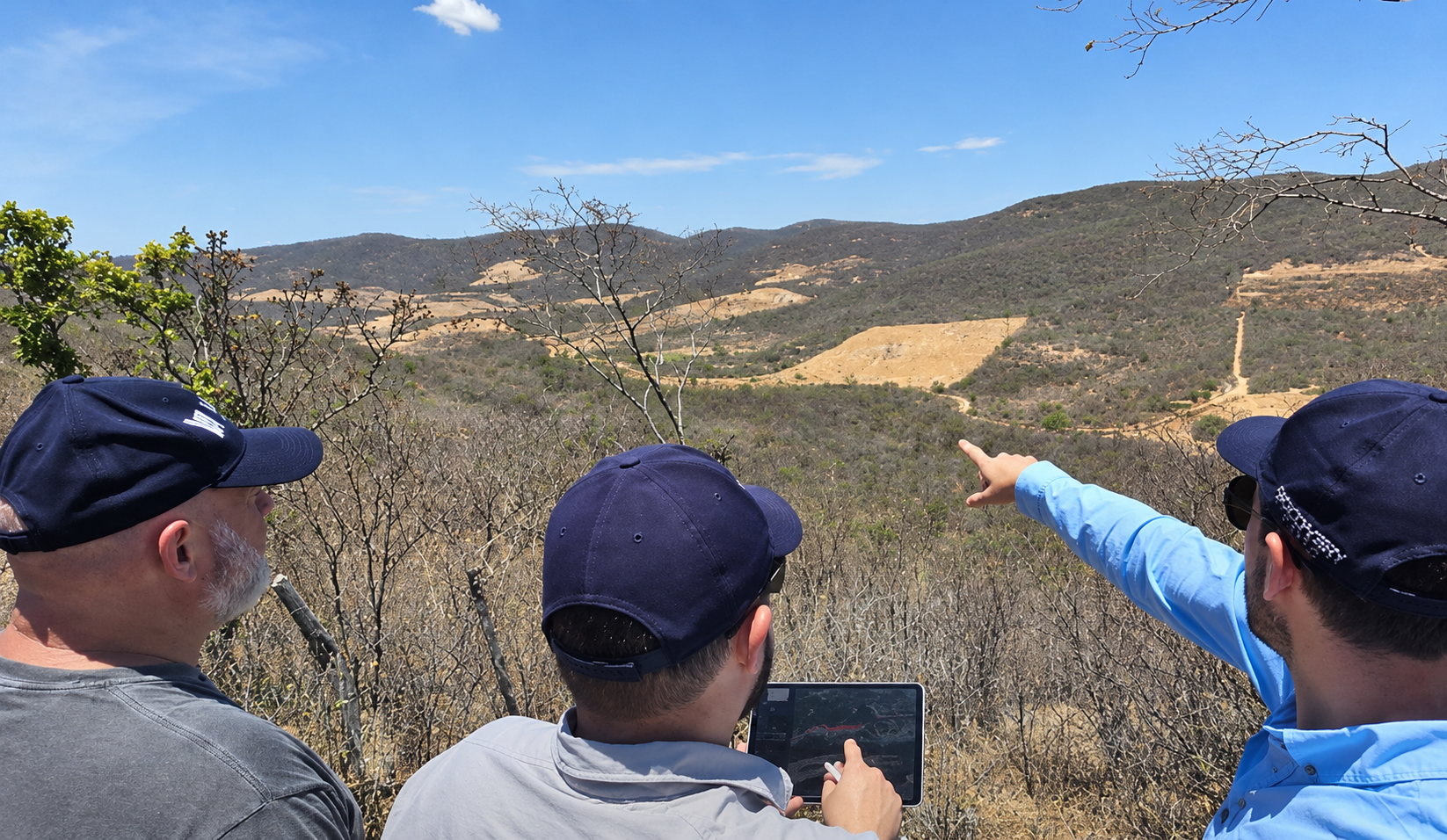
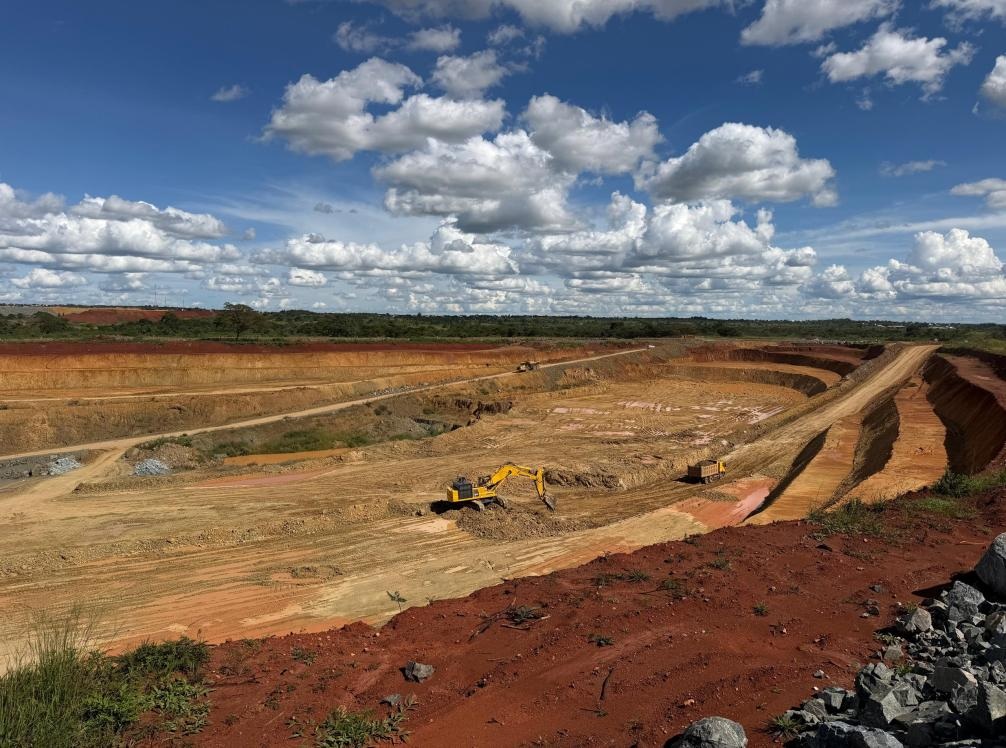
One example is the Pedra Branca PGM district in Ceará State, where ValOre Metals Corp. is advancing a development-stage project hosting a 2.2-million-ounce inferred resource of platinum, palladium, and gold grading 1.08 g/t across seven near-surface deposits along an 80-kilometre mineralized trend. Unlike many South African operations that require deep underground mining, Pedra Branca’s near-surface deposits are amenable to open-pit extraction, potentially reducing capital intensity and all-in sustaining costs.
The jurisdictional and infrastructure dimensions of the Pedra Branca project are material to development economics.
Nick Smart, Chief Executive Officer of ValOre Metals, articulates the logistical positioning:
“Brazil, from many aspects, has really got a lot of what you're looking for in terms of infrastructure. We're about four hours from the state capital of Fortaleza, with a paved highway that runs virtually to the project site, and good electrical infrastructure that runs in there.”
The project is currently advancing toward a Preliminary Economic Assessment (PEA) expected in the fourth quarter of 2026. The PEA will incorporate metallurgical test work conducted in collaboration with the University of Cape Town, with a focus on establishing the technical viability and processing economics of the deposit.
Metallurgical Innovation & Processing Economics at Pedra Branca
Metallurgy is a key determinant of development economics in any PGM project, as recovery rates directly influence revenue, project net present value (NPV), and internal rate of return (IRR). At the Pedra Branca project, the near-surface weathered nature of the ore body enables processing methods not typically available for deep underground PGM deposits.
Metallurgical work has identified bio-leaching as a potential processing route for the weathered ore, using microorganisms to extract metals. If validated at commercial scale, this approach could significantly reduce capital and operating costs.
Phase one trials have shown platinum and palladium recoveries in the high-70% range. The development plan envisions an initial demonstration plant producing 10,000-15,000 ounces per year, with the potential to scale to 150,000-200,000 ounces annually at industrial scale, pending successful demonstration results.
Institutional Capital Is Beginning to Reprice Platinum's Supply Dynamics
Bank of America recently raised its 2026 platinum price forecast to approximately $2,450 per ounce, citing persistent supply deficits, strengthening demand from China, and continued investor rotation from gold into platinum as part of broader precious metals reallocation. This reassessment reflects a growing recognition that platinum's supply challenges are structural rather than cyclical.
In previous commodity cycles, price strength was typically followed by rapid supply responses as producers expanded output and brought idled capacity back online. The PGM sector does not operate under the same dynamics. High capital intensity, long permitting timelines, geological constraints, and the limited pool of qualified workforce in deep-level mining collectively constrain the speed with which producers can respond to price incentives. For institutional investors, this supply inelasticity represents both the core risk and the core opportunity in the platinum market.
In the current environment, projects with large inferred resources, credible development pathways, and jurisdictional stability may begin to attract renewed institutional attention as investors seek leverage to rising PGM prices. The combination of near-surface, low-cost mineralization and a jurisdiction with established infrastructure positions projects such as Pedra Branca as potentially relevant within this evolving evaluation framework.
The Investment Thesis for Platinum
- Platinum faces persistent structural deficits, with WPIC forecasting supply shortfalls continuing through the late 2020s as above-ground inventories approach critically low levels of demand coverage.
- Heavy reliance on South African and Russian production creates systemic supply concentration risk that is increasingly treated as a portfolio variable by institutional allocators.
- Industrial demand for platinum remains resilient across catalytic converter applications, hydrogen fuel cell technology, and chemical processing, providing a structural demand floor independent of investment flows.
- Record gold prices are encouraging substitution demand into platinum for both jewelry and investment purposes, contributing incremental demand pressure against an already constrained supply backdrop.
- Development-stage projects outside traditional PGM jurisdictions, particularly those offering near-surface, open-pit mineralization in politically stable environments with established infrastructure, represent a differentiated category of exposure to future supply growth.
- Processing innovations such as bio-leaching and heap leach configurations, where technically validated, have the potential to materially improve project economics by reducing capital intensity and operating costs relative to conventional underground PGM development.
- Bank of America's revised 2026 price forecast of approximately $2,450/oz reflects a broader institutional repricing of structural supply risk that may continue to extend into the medium term.
The platinum market in early 2026 reflects a convergence of macroeconomic and structural forces that are rarely observed simultaneously. Geopolitical conflict, rising energy prices, and persistent inflation expectations are driving renewed institutional interest in precious metals. Against this backdrop, the platinum industry faces compounding supply constraints driven by aging mine infrastructure, extreme geographic concentration of production, and a limited pipeline of new development projects.
As inventories tighten and supply risks accumulate across South Africa, Russia, and Zimbabwe, the market's sensitivity to incremental disruptions will likely intensify. Development-stage projects with credible resource bases, technically validated processing strategies, and jurisdictional positioning outside the dominant supply geographies represent a category of assets that may command increasing analytical attention as this structural deficit deepens.
The central question is not simply whether platinum prices advance in the near term, but whether supply constraints are sufficient to support higher long-term price floors. The evidence from WPIC supply data, institutional forecast revisions, and the limited development pipeline suggests that platinum's investment case is increasingly defined by fundamentals rather than sentiment.
TL;DR
Platinum markets are tightening due to structural supply deficits, geopolitical risks, and declining production in key regions like South Africa, while above-ground inventories have fallen to less than five months of demand. Rising tensions in the Middle East and higher oil prices are reinforcing inflation expectations, pushing investors toward precious metals and strengthening interest in platinum alongside gold. With supply concentrated in a few politically sensitive jurisdictions, institutional forecasts, including a ~$2,450/oz platinum price outlook for 2026 from Bank of America, suggest growing bullish sentiment. As a result, development-stage projects outside traditional PGM regions, such as Brazil’s Pedra Branca project, are gaining attention as potential sources of future supply amid a constrained global market.
FAQs (AI generated)
Platinum supply has been declining for more than a decade, primarily due to falling output in South Africa, which accounts for roughly 70% of global production. Aging mine infrastructure, rising operating costs, and limited investment in new projects have reduced production capacity. At the same time, new PGM projects often take more than a decade to develop due to geological complexity and capital requirements. These structural constraints have led to consecutive supply deficits and shrinking above-ground inventories, tightening the global platinum market.
Geopolitical conflicts can influence platinum prices through both macroeconomic and supply-chain channels. Rising tensions in the Middle East have pushed oil prices higher, reinforcing global inflation expectations and increasing investor demand for precious metals as a hedge. At the same time, platinum supply is highly concentrated in politically sensitive regions such as South Africa, Russia, and Zimbabwe. Disruptions caused by sanctions, labor disputes, or regulatory changes can therefore significantly impact global supply and amplify price volatility.
Institutional investors are increasingly bullish because platinum’s supply constraints appear structural rather than cyclical. With inventories declining and mine supply slow to respond to higher prices, the market may face sustained deficits for several years. This dynamic has led analysts, including Bank of America, to raise price forecasts to around $2,450 per ounce for 2026. Additionally, strong industrial demand from catalytic converters, hydrogen fuel cells, and chemical catalysts provides a demand floor, while high gold prices are encouraging substitution toward platinum in jewelry and investment markets.
The global platinum supply chain is highly concentrated, with most reserves located in South Africa and Russia. This concentration creates geopolitical and operational risks that investors increasingly consider in portfolio allocation. As a result, projects in alternative jurisdictions, such as Brazil, are gaining attention as potential sources of diversified supply. Countries with established infrastructure, regulatory stability, and skilled labor can provide more predictable development environments for new PGM mines.
The Pedra Branca PGM district in Ceará State hosts a 2.2-million-ounce inferred resource of platinum, palladium, and gold across multiple near-surface deposits. Unlike many South African PGM operations that require deep underground mining, Pedra Branca’s mineralization is amenable to open-pit extraction, potentially lowering development costs. Ongoing metallurgical work is exploring bio-leaching as a processing method for weathered ore, which could reduce capital intensity if successful. The project is advancing toward a Preliminary Economic Assessment expected in 2026, which will evaluate its technical and economic viability.
Analyst's Notes





Subscribe to Our Channel




.png)



Stay Informed


