




Undervalued? Valuation Gap Emerges as Project Advances Toward 2027 Production


.webp)
PNG's first lime/cement producer displacing imports. Govt-backed, debt-free, tax-exempt. Feb 2027 production. $250M cap vs $700M govt valuation. Newmont offtake secured.
- Pacific Lime & Cement is on track for first production in February 2027, having secured a cornerstone offtake agreement with Newmont (one-third of order book) and PNG government equity participation (18-30%) in both lime and cement SPVs
- The company will be PNG's first vertically integrated lime and cement producer, displacing 100% of current imports and serving a protected domestic market with significant margins
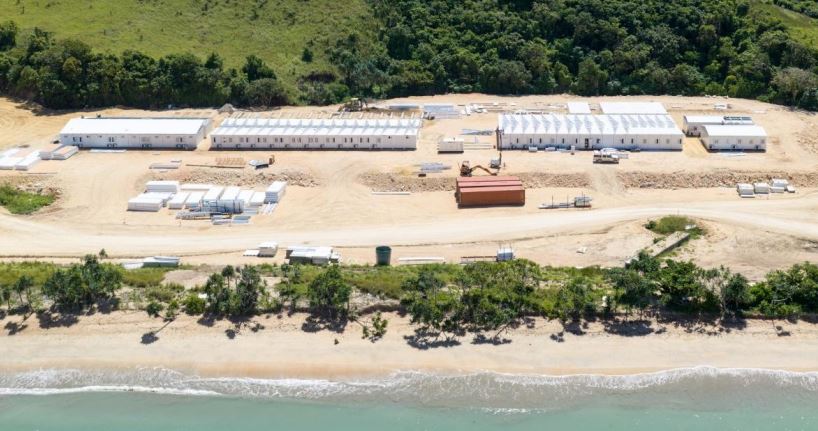
- Strategic location with zero-strip coastal limestone resource 700 meters from private wharf, versus Southeast Asian competitors operating 100-200km inland, combined with 10-year tax-free special economic zone status
- Fully equity-funded phase one eliminates debt covenants and interest payments; PNG government investments value the company at approximately $700 million AUD versus current market cap of $250 million AUD
- Near-term expansion includes additional lime kilns (funded by PNG government equity), cement facility development (with IFC partnership), and downstream concrete products, while monetising non-core assets including iron sands and copper-gold holdings
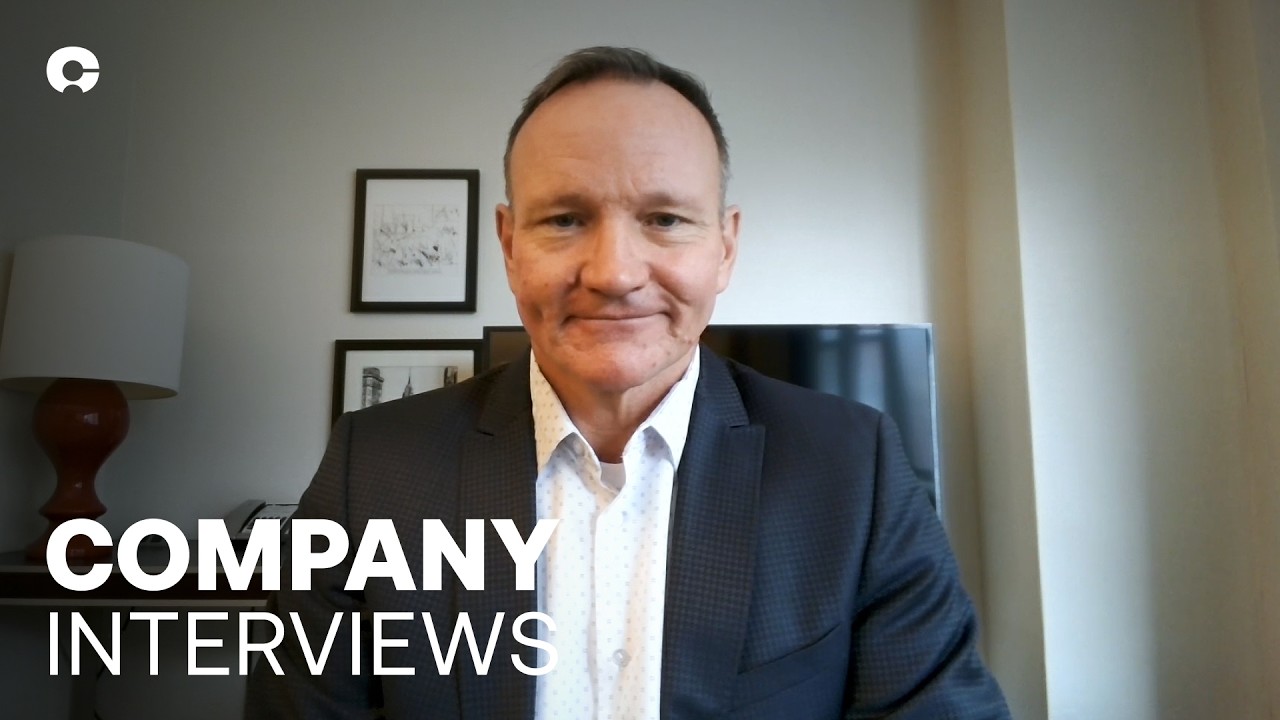
In a March 2026 interview, Paul Mulder, founder and managing director of Pacific Lime & Cement (ASX:PLA), outlined the company's progress toward becoming Papua New Guinea's sole domestic producer of lime and cement. The discussion addressed the company's execution against development milestones, capital structure decisions, government partnerships, and strategic positioning as a building materials manufacturer rather than a junior resource company. For investors seeking exposure to PNG's infrastructure development and import replacement opportunities, the interview provides insight into a project approaching commercial production with government backing and protected market dynamics.
Development Progress Toward Production
Pacific Lime & Cement has advanced significantly since mid-2025, with Mulder confirming that the financial investment decision has been taken and the project remains on schedule and budget for first production in February 2027. The company's central cement and lime project represents the first greenfield development in PNG's mineral sector in 18 years that is not a restart of existing operations.
A major development has been securing Newmont, PNG's largest gold producer, as a cornerstone offtake partner. This agreement covers approximately one-third of the company's expected production capacity, providing revenue visibility and validation of the product's market acceptance among large industrial consumers.
The PNG government's direct equity participation marks a significant endorsement. Through 2 project development agreement signed earlier in March 2026 (a quicklime SPV and cement SPV), the government acquired between 18% and 30% equity interests in the lime and cement special purpose vehicles. According to Mulder, these investments alone imply a company valuation of approximately $700 million AUD, substantially above the current market capitalisation of around $250 million AUD.
Competitive Positioning Through Geography
The project's competitive positioning stems primarily from its geographic and logistical advantages. The limestone resource is located at surface level, requiring zero strip ratio, and sits just 700 meters from the company's private wharf facility. This contrasts sharply with current suppliers serving the PNG market from Southeast Asia, where mines are located 100 to 200 kilometers inland, requiring transportation to public ports before international shipping.
As Mulder explained, competitors must transport quicklime inland to public ports and pay associated charges before shipping several thousand kilometers to market. Pacific Lime & Cement eliminates these cost layers by producing in-country with minimal transport requirements, positioning the company to capture both cost advantages and supply chain reliability benefits.
The special economic zone designation provides an additional 10-year period of tax exemptions covering import and export duties, corporate tax, and structured payroll tax reductions. This tax-free status applies to the company as the zone's developer and operator, and can extend to downstream processing businesses established within the zone under sublicense arrangements.
The Equity-Funded Development Model
A key strategic decision involved funding the initial phase entirely through equity rather than debt financing. While this resulted in shareholder dilution, Mulder justified the approach on several grounds: speed to market, elimination of debt covenants and servicing requirements, and optimisation of the operational profile during the capital raise process.
The company raised more capital than initially targeted, creating an opportunity to de-risk the project by avoiding the extensive due diligence and covenant requirements that debt financiers typically impose. Under banking regimes using debt finance there's a higher bar in relation to expectations these financiers have in crossing tees and dotting eyes, according to Mulder, and the equity path allowed faster execution.
From an earnings perspective, this structure means that EBITDA converts more directly to distributable cash flow without interest and principal payments reducing net income. Mulder contrasted this with comparable Australian building materials companies that operate with debt positions and tax burdens before remitting dividends to shareholders.
Interview with Paul Mulder, Managing Director of Pacific Lime & Cement Ltd.
PNG's Import Replacement Opportunity
PNG currently imports 100% of its lime and cement requirements from China and Japan. Pacific Lime & Cement's entry will displace these imports entirely for the domestic market, with any surplus production directed toward the Australian market where the company is already demonstrating its supply chain capabilities through alliance suppliers in Western Australia.
The initial phase includes two lime kilns designated primarily for domestic consumption. Key demand sources include nickel, copper, and gold mining operations (where lime is used in ore processing), water treatment, public works, and road stabilisation. Mulder indicated that PNG's soil conditions require substantial stabilisation work for road construction, creating immediate demand for locally-produced lime that currently comes from distant sources like Israel.
Beyond lime, the cement market presents significant margin opportunities in what Mulder described as a protected domestic market. While the company has committed to reducing cement prices from current import-dependent levels, the planned pricing still provides substantial margins for shareholders, landowners, and the PNG government as equity participants.
Path to Integrated Building Materials Platform
The company's expansion path involves three main components: additional lime kilns, cement production facilities, and downstream concrete products.
For lime expansion, the PNG government's equity funding can be directed immediately toward additional kilns. Mulder emphasised that brownfield expansion economics are highly favorable since the infrastructure - wharf, roads, power, bridges, water pipelines - is already in place for the initial phase. Incremental capital requirements are limited to additional kilns, labor, trucks, and mining equipment, significantly improving returns on expanded capacity.
The cement facility represents a larger development step. The PNG government has committed to taking up to 30% equity at a valuation framework based on the project's net present value of approximately $339 million USD (with tax holiday factored in). This government participation, combined with support from the International Finance Corporation (which became a partner in late 2025), is expected to fund a substantial portion of the cement facility's capital requirements. The IFC is currently working with the company on market assessment updates, construction contract review, and feasibility study refinement.
The third element involves downstream processing into concrete batch plants and cast products including bricks, beams, pipes, culverts, and other construction materials. All of the things essentially that builds a nation will be coming out of our special economic zone, Mulder stated, with the sublicense regime under the special economic zone allowing multiple facilities to be established with the same tax benefits.
Monetising the Broader Asset Portfolio
Mulder addressed the company's approach to non-core assets, emphasising focus on the core lime and cement business while seeking value realisation for other holdings.
The iron sands project at Orokolo Bay has been structured as a fully-funded development by Power China, which will fund all capital, operations, and working capital while Pacific Lime & Cement retains 60% profit share and 100% asset ownership. This arrangement allows the company to maintain economic participation without capital allocation or management distraction.
More significantly, the company announced a value realisation study for a strategic copper-gold asset adjacent to the large Frieda River copper-gold operation. This asset has had approximately $60 million USD in prior expenditure and features strong copper-gold intercepts. The company acquired the exploration license three years prior during the COVID-19 period when interest was lower and commodity prices were depressed. With gold and copper prices substantially higher, Mulder indicated current market conditions are favorable for monetisation, while ensuring development respects local landowners and government interests.
The Market Valuation Disconnect
Mulder addressed what he perceives as a significant valuation disconnect. Comparable Australian building materials companies like Adbri (formerly Adelaide Brighton) and Boral Limited have been acquired, and private players like BGC have also been consolidated, leaving few pure-play publicly listed building materials companies with lime and cement production for Australian investors to access.
Companies with elements comparable to Pacific Lime & Cement - trade at 11 to 15 times EBITDA multiples. These companies carry debt positions and tax obligations that reduce cash conversion, whereas Pacific Lime & Cement operates debt-free with 10-year tax exemption.
Mulder suggested the company's PNG jurisdiction may contribute to a country discount, but argued this should diminish as production commences, the order book fills, and the PNG government's financial commitment is executed. He also noted that as supply chain security becomes a greater focus, Australia's 50% reliance on North Asian cement imports may highlight Pacific Lime & Cement as a regional alternative three times closer than current sources.
Conclusion: Key Takeaways
Pacific Lime & Cement's development represents a significant shift in PNG's building materials supply chain, moving from 100% import dependence to domestic production with protected margins and government partnership. The company's debt-free capital structure, strategic location advantages, tax-exempt status, and expansion pathway create a differentiated investment profile compared to typical junior resource developers. Key execution milestones center on achieving first production in February 2027, filling the order book beyond the Newmont cornerstone agreement, and progressing cement facility development with IFC and government partnership. The valuation gap between the company's market capitalisation and the implied valuation from government equity investments suggests potential re-rating as operational certainty increases and the market better understands the building materials manufacturing model rather than a resource extraction framework. Monetisation of non-core assets including the copper-gold project may provide additional catalyst and capital for core business expansion while maintaining strategic focus on lime, cement, and downstream concrete products.
TL;DR
Pacific Lime & Cement is transitioning from development to production (February 2027) as PNG's first domestic lime and cement producer, displacing 100% of imports with government backing (18-30% equity at ~$700M AUD valuation) and protected market dynamics. The company's debt-free structure, coastal zero-strip limestone resource 700m from private wharf, 10-year tax exemption, and Newmont offtake agreement position it to capture significant margins while expanding into additional lime kilns, cement production (with IFC partnership), and downstream concrete products. Current $250M AUD market cap suggests substantial valuation disconnect given government investment terms, expansion economics, and building materials manufacturing profile rather than junior resource positioning.
FAQ's (AI Generated)
The company raised more equity than initially planned, enabling faster execution without debt covenants while optimising operations. This eliminates interest payments, improving cash conversion, and removes financing conditions that could delay development timelines.
The coastal limestone resource sits 700m from a private wharf versus Southeast Asian competitors operating 100-200km inland requiring public port usage. Combined with in-country production and 10-year tax exemption, this creates substantial cost advantages.
Cement facility timing wasn't specified, but funding will come primarily from PNG government equity (up to 30% at agreed valuations), IFC partnership, and company cash reserves. Brownfield economics improve returns significantly given existing infrastructure.
Current market is 100% import-dependent from China and Japan. Initial two lime kilns target domestic mining, water treatment, and road stabilisation demand, with surplus to Australia. Cement will serve entire domestic market with margin-protective pricing.
Key execution risks include operational ramp-up, customer qualification processes, and order book fill rates. However, government equity participation, landowner joint ventures, multiple tenure layers, and Newmont offtake reduce development and market risks.
Analyst's Notes





Subscribe to Our Channel


.webp)

Stay Informed


