




West Red Lake Gold Achieves Commercial Production at Madsen Mine


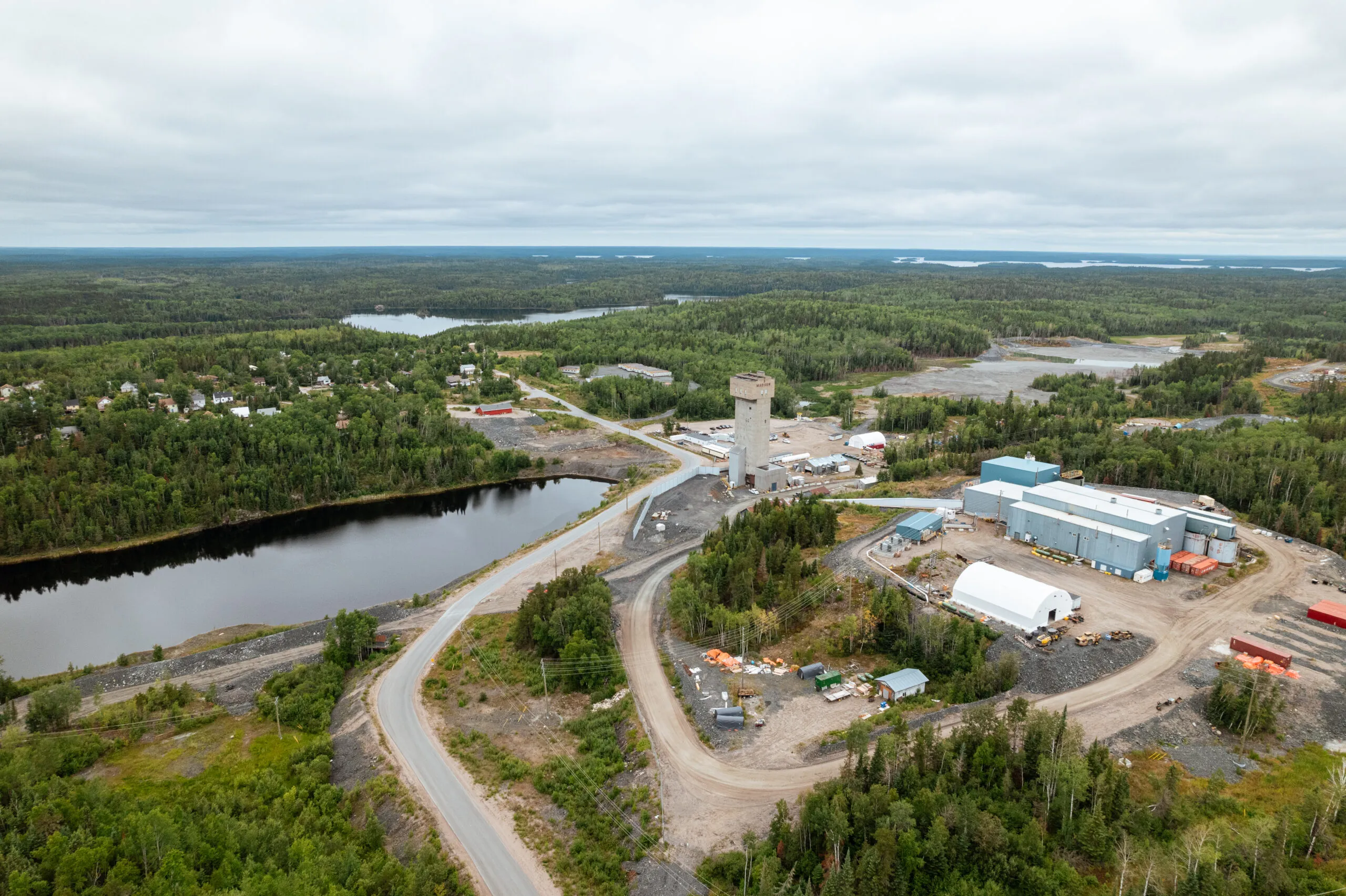
West Red Lake Gold declares commercial production at Madsen Mine, generating US$30M in Q4 revenue while advancing high-grade zones toward 800 tpd by mid-2026.
- West Red Lake Gold Mines declared commercial production at its Madsen Gold Mine effective January 1, 2026, achieving this milestone only seven months after completing its bulk sample program.
- The mill averaged 689 tonnes per day in December 2025, representing 86% of permitted throughput of 800 tpd, meeting the company's internal requirement of 30 consecutive days at 65% or greater of permitted capacity with operational stability.
- The company generated US$30 million in gold sales revenue during Q4 2025, selling 7,200 ounces at an average price of US$4,150 per ounce, while ending 2025 with CAD$46 million in cash and gold receivables.
- West Red Lake Gold is transitioning to higher-grade ore from the 4447 zone in South Austin, expecting mill feed to average in excess of 6 grams per tonne gold in Q1 2026, with peak daily grades reaching 8.9 g/t Au in December.
- The company is self-sufficient from a cash flow perspective, generating positive cash monthly while advancing multiple growth opportunities including the Fork deposit, shaft optimization, and the newly delineated 904 Complex in Lower Austin.
Introduction to West Red Lake Gold Mines
West Red Lake Gold Mines has transformed the once-troubled Madsen Mine into a cash-generating gold producer in Canada's storied Red Lake Mining District. The company acquired the asset at what CEO Shane Williams characterizes as "a steal" when previous operator Pure Gold Mining faltered, inheriting existing infrastructure that significantly reduced initial capital requirements. This acquisition strategy, combined with disciplined technical execution, has positioned West Red Lake Gold Mines as an emerging mid-tier gold producer in one of the world's most prolific gold districts.
The Red Lake Mining District has produced over 30 million ounces of gold from high-grade zones throughout its history. West Red Lake Gold controls a 47 square kilometer land package centered on the Madsen Mine, offering substantial exploration upside alongside production growth. The company also owns the Rowan Property, which hosts a small high-grade deposit targeted for future production.
Williams emphasizes the distinction between West Red Lake's approach and previous operators: "The previous operator Pure Gold, they had to have an average gold production rate of around 4,000 ounces to break even. We have the luxury of the gold prices double what it was at this stage." This structural advantage, combined with methodical technical work, has enabled the company to achieve commercial production on an accelerated timeline while maintaining financial discipline.
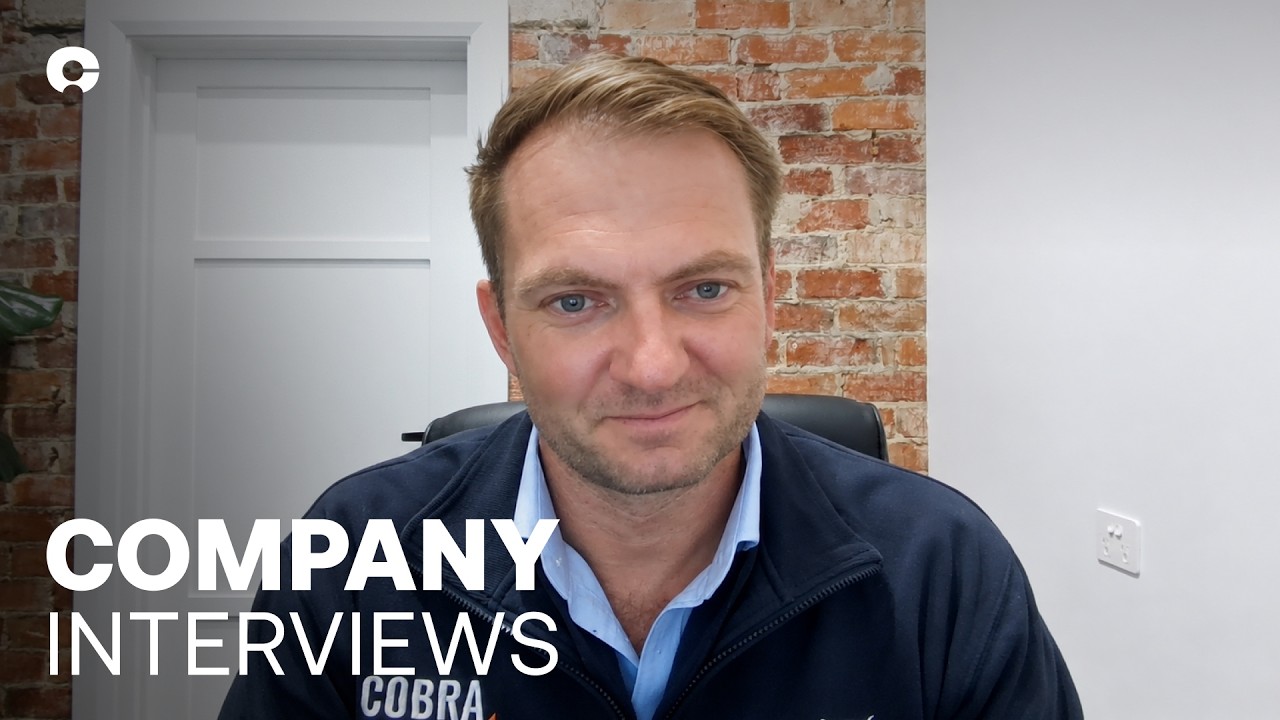
Interview with President & CEO, Shane Williams
Achieving Commercial Production
The declaration of commercial production represents a culmination of systematic ramp-up efforts since the mill restart in July 2025. West Red Lake Gold defined commercial production using two critical criteria: sustained throughput at 60-65% of permitted capacity over a two-month period, and demonstrable operational stability across both mining and milling operations.
Williams explained the rationale for this conservative approach:
"Normally it's 30 days consistent, but that's normally a trigger. But with Madsen, I wanted to see a bit longer. I wanted to see that two months sort of timeline, particularly underground."
This extended verification period reflects management's focus on sustainable operations rather than premature announcements, acknowledging the asset's operational history under previous ownership.
The December 2025 performance provided clear evidence that both criteria had been met. The mill processed 21,389 tonnes at an average of 689 tonnes per day, representing 86% of the permitted 800 tpd throughput. Crucially, this followed a consistent month-over-month improvement throughout the ramp-up period. Williams noted:
"Over the last quarter, we consistently were above that 500 tons a day. And as we moved into November and December, we were above that 600 tons a day."
The operational stability criterion proved equally important. Underground mining operations demonstrated the ability to consistently deliver ore to the mill at required volumes and specifications. Mill recovery averaged 94.6% in December, reflecting optimized metallurgical performance. The combination of these factors produced 3,215 ounces of gold in December alone, validating the company's methodical approach to the ramp-up phase.
Operational Stability & Production Metrics
The path to commercial production revealed important operational learning curves that West Red Lake Gold Mines successfully navigated. The company demonstrated a month-over-month improvement in key performance indicators throughout the second half of 2025, building confidence in the sustainability of operations.
December's operational performance showcased the mine's capabilities. The 689 tpd average included peak days exceeding 1,000 tonnes per day, demonstrating the mill's installed capacity and providing visibility into future throughput potential. Williams confirmed:
"The mill can go to a thousand tons a day. And actually, in December we did see a couple of days of a thousand tons a day."
Recovery rates remained consistently strong, averaging 94.6% in December and 95% for Q4 overall. This metallurgical performance across different ore types validated the company's processing strategies and provided confidence for transitioning to higher-grade zones. The combination of throughput and recovery delivered 7,379 ounces of recovered gold in Q4, though actual pours totaled 7,200 ounces due to timing factors and gold-in-circuit.
The underground mining operation demonstrated its capacity to support mill requirements while advancing development. The company tested multiple ore zones during the ramp-up period, deliberately using lower-grade material initially to optimize processing parameters before introducing higher-grade ore. Williams explained this strategy:
"The other thing about commissioning or ramp up is things can go wrong, you can have ups and downs, you're tweaking, and you don't want to be putting your best grade through your mill. If something happens, you've lost your best grade."
Looking ahead, West Red Lake targets 800 tpd throughput by Q2 2026, representing full permitted capacity. Williams stated:
"I would like to see by the end of Q1, another step up close to that 800tpd, and by Q2 we should be around that 800tpd sort of number."
This guidance reflects confidence in both mine and mill capabilities to achieve and sustain design throughput.
Mining Strategy & Ore Quality
West Red Lake Gold's technical strategy centers on intensive definition drilling ahead of mining, a discipline that differentiates the company from previous operators. The company has completed over 200,000 meters of underground drilling, with 80% of capital raised dedicated to this subsurface definition work. This investment is generating returns through improved reconciliation and the discovery of high-grade zones within the broader ore system.
The company's approach requires drilling to tight spacing of six to seven meters, followed by detailed mine design, with this sequence occurring six to eight months ahead of actual mining. Williams emphasized:
"The key is the process, getting the model right where you drill well ahead of yourself. You have to understand your body, you turn that into mine design, and then you put it into the mine plan. And that sequence needs to be six to eight months ahead of yourself to give you that time."
This methodology has proven effective in identifying what Williams describes as "jewelry box" areas within the deposit - high-grade zones that significantly enhance project economics. The 4447 area in South Austin represents the first of these discoveries to enter production, with December results validating the concept when material from this zone lifted mill head grades to 8.9 g/t Au on peak days.
Reconciliation between the resource model and actual mining results has proven accurate, building confidence in the technical team's work and the reliability of future mine plans.
The transition to higher-grade ore in Q1 2026 marks a strategic shift from the commissioning phase. During Q4 2025, the company processed ore averaging 5.06 g/t Au for the quarter and 4.94 g/t Au in December, deliberately below the resource grade while optimizing operations. For Q1 2026, mill feed will come predominantly from 4447, with expected grades exceeding 6 g/t Au and potential for periods substantially above this level.
Beyond 4447, the company is advancing several high-grade opportunities. The newly identified 904 Complex in Lower Austin exhibits geological characteristics similar to 4447, suggesting comparable grade potential. Williams explained:
"We're just beginning to get in there and that's kind of an analogy to 4447. So I expect in the back half of the year the same sort of higher grades." This discovery extends the high-grade mining horizon and provides flexibility in mine sequencing.
The Fork deposit represents another growth vector, with active drilling aimed at incorporating this zone into the mine plan during 2026. Additionally, shaft optimization work has identified potential pathways to significantly increase shaft throughput in the medium term, which could support production beyond current permitted levels pending regulatory approvals.
Financial Performance & Market Position
West Red Lake Gold's financial performance during the ramp-up period demonstrates the project's economic strength even before achieving full production rates. The company generated US$73 million in gold sales revenue during 2025 by pouring 20,000 ounces at an average realized price of US$3,650 per ounce. This revenue covered all operational costs and capital requirements, allowing the company to end the year with CAD$46 million in cash and gold receivables.
Q4 2025 financial results showed accelerating cash generation, with US$30 million in gold sales from 7,200 ounces at an average price of US$4,150 per ounce. The strengthening gold price environment provides substantial operating leverage, with spot gold prices reaching approximately $2,650 per ounce by early January 2026, well above realized prices during the ramp-up period.
Williams highlighted the fundamental shift from previous operations:
"From a West Red Lake point of view, we are making money today. We are generating cash and free cash flow and making money."
This marks a critical inflection point, with the company no longer dependent on capital markets for operational or growth funding.
The company's cost structure benefits from the favorable gold price environment and modest break-even requirements. Williams explained:
"2,500 ounces a month is paying all the bills at Madsen. So you can see that sort of a margin on production level of where we're getting to."
With December production of 3,215 ounces and Q1 expected to exceed this level, the company operates with substantial margin cushion even in a declining gold price scenario.
The asset acquisition strategy contributed significantly to financial efficiency. By acquiring existing infrastructure rather than building greenfield, West Red Lake Gold avoided substantial upfront capital requirements. Williams noted: "We picked this asset up for a steal. We haven't had this massive capital outlay initially. We picked up the infrastructure as part of the deal." This capital-light approach enabled the company to focus resources on the most value-accretive activities - underground definition drilling and mine development.
Looking ahead, management confirmed no additional capital requirements for ongoing operations:
"We're self-sufficient now. We're generating cash every month. Month on month, we're generating cash. So that cash will be built up over the rest of this year now."
This self-funding capability supports both steady-state operations and growth initiatives without dilution risk.
Future Outlook & Operational Goals
West Red Lake Gold enters 2026 with clear operational objectives and multiple value creation pathways. The immediate focus centers on ramping to full permitted capacity of 800 tpd by mid-2026 while mining high-grade ore from 4447 during Q1.
Williams articulated the near-term priorities:
"800 tons a day through that mill consistently, every day, day in, day out, 800 tons a day consistently through the mill. At that average grade of six to six and a half, maybe more grams, with some sweeteners feeding in to bring the overall average grade up to that higher grade."
This operational cadence would position the company to generate substantial free cash flow throughout 2026.
The company plans to release formal 2026 guidance during Q1, providing investors with detailed production, cost, and capital expenditure expectations. Based on December's 3,215-ounce production at sub-optimal throughput and grade, full-year production could range from 40,000 to 50,000 ounces assuming successful execution of the ramp-up plan and transition to higher-grade zones.
Beyond operational optimization, West Red Lake is advancing multiple growth initiatives that could significantly expand production in future years. The Fork deposit drilling program aims to incorporate this zone into the mine plan during 2026, adding another source of high-grade ore. The 904 Complex in Lower Austin is being delineated with similar urgency to 4447, potentially bringing another high-margin zone into production within 8-12 months.
Shaft optimization studies have identified potential to increase hoisting capacity substantially in the medium term. Williams noted:
"Work to date has revealed a path to potentially increase shaft tonnage significantly in the medium term."
This could support production expansion beyond the current 800 tpd permitted capacity, though any increase would require appropriate permitting.
The broader land package offers substantial exploration upside. With 47 square kilometers in the Red Lake Mining District and the separate Rowan Property, West Red Lake controls significant prospective ground in a world-class gold district. Ongoing exploration could add resources and extend mine life substantially beyond current estimates.
Williams emphasized the excitement around multiple value creation opportunities:
"The potential to continue creating value at Madsen through multiple opportunities makes this achievement of commercial production especially exciting. It has taken immense work to get here and it is fantastic to see our methodical approach generate the results and opportunities we knew Madsen could deliver."
For 2026, the non-negotiable objectives center on operational consistency and financial performance. Williams summarized: "That sustained quarterly ramp up now in Q1 and Q2 and then being able to announce in Q2 sort of thing we're at the full run rate and we're generating a lot of cash, we're putting that cash in and we're growing the business effectively."
The Investment Thesis for West Red Lake Gold Mines
- Operational De-Risking Complete: Achievement of commercial production validates technical approach and demonstrates sustainable operations, removing major execution uncertainty that plagued previous operators.
- Self-Funding Growth: Monthly positive cash flow eliminates dilution risk and provides capital for organic growth initiatives including Fork development, 904 Complex advancement, and exploration programs.
- High-Grade Leverage: Transition to 6+ g/t Au feed grades in Q1 2026 from 4447 zone demonstrates ability to identify and mine "jewelry box" high-grade areas, with 904 Complex offering similar potential for H2 2026.
- Favorable Market Timing: Gold price strength ($2,650+ per ounce) provides substantial margin cushion above the ~2,500 ounces per month break-even rate, allowing aggressive cash accumulation during ramp-up.
- Capital-Efficient Asset Base: Acquisition of existing infrastructure at distressed valuation eliminated major upfront capital requirements, with 80% of raised capital directed to high-return underground definition drilling.
- Production Expansion Pathway: Multiple growth vectors including shaft optimization (potential significant tonnage increase), Fork deposit integration, and 47 km² land package exploration provide clear path to 50,000+ ounces annually.
- Red Lake District Premium: Location in world-class gold district with 30+ million ounces of historical production, proven infrastructure, and established mining community reduces jurisdictional risk and provides exploration upside.
West Red Lake Gold has successfully transformed the Madsen Mine from a troubled asset into a self-funding gold producer within 18 months of acquisition. The declaration of commercial production marks a fundamental inflection point, shifting the narrative from execution risk to growth potential. Management's methodical approach, characterized by intensive underground drilling, conservative commissioning, and disciplined mine sequencing, has built a foundation for sustainable operations that previous operators failed to establish.
The company enters 2026 with strong operational momentum, robust financial flexibility, and multiple catalysts for value creation. The immediate focus on ramping to 800 tpd while mining high-grade ore from 4447 should drive substantial cash generation in the current gold price environment. Beyond near-term optimization, the Fork deposit, 904 Complex, and shaft expansion initiatives provide clear pathways to production growth without requiring additional capital raises. In a sector where development delays and cost overruns are commonplace, West Red Lake has demonstrated disciplined execution and delivered on commitments, positioning the company as an emerging mid-tier gold producer with significant re-rating potential as production scales and margins expand throughout 2026.
Macro Thematic Analysis: High-Grade Underground Gold Production in a Supply-Constrained Environment
West Red Lake Gold's achievement of commercial production at Madsen coincides with a structural shift in the global gold market characterized by constrained supply, elevated prices, and increasing institutional demand for precious metals exposure. The gold price reached record highs above $2,650 per ounce in early 2026, driven by persistent inflation concerns, geopolitical uncertainty, and central bank accumulation. This macro backdrop creates exceptionally favorable conditions for high-grade gold producers like West Red Lake that can deliver ounces at attractive all-in sustaining costs.
The underground high-grade gold sector faces significant barriers to entry, with few new operations achieving commercial production in recent years. Development timelines have extended, capital costs have escalated, and technical complexity has increased, making successful ramp-ups increasingly rare. West Red Lake's achievement - commercial production just seven months after bulk sample completion - contrasts sharply with industry trends and positions the company as an outlier in execution capability.
The Red Lake Mining District's reputation as a premier gold jurisdiction adds strategic value. With over a century of continuous mining, established infrastructure, skilled labor availability, and proven geology, Red Lake offers lower development risk than frontier districts. The district's historical production of 30+ million ounces demonstrates the endowment scale, while recent discoveries by district operators confirm ongoing exploration potential.
From a capital markets perspective, the small-to-mid cap gold producer segment has underperformed relative to gold prices, creating valuation opportunities for companies that can demonstrate operational competence and growth visibility. West Red Lake's self-funding model eliminates equity dilution concerns that plague many development-stage and early-production companies, allowing value creation to accrue directly to existing shareholders.
The company's technical approach - investing 80% of capital into underground definition drilling - represents a strategic decision to derisk operations before scaling production. This contrasts with operators who prioritize tonnage over grade control, often resulting in reconciliation failures and margin disappointments. As Williams explained: "The key is the process, getting the model right where you have this drilling well ahead of yourself. You understand your body, you turn that into mine design, and then you put it into the mine plan."
The "jewelry box" mining strategy - identifying and targeting high-grade zones within the broader ore system - provides operating leverage that compounds with gold price strength. The 4447 zone, which lifted mill grades to 8.9 g/t Au on peak days, demonstrates this concept's effectiveness. With the 904 Complex exhibiting similar characteristics and targeting for H2 2026 production, WRLG has established a repeatable methodology for value creation within its existing resource base.
The macro tailwinds for gold remain firmly in place heading into 2026. Elevated government debt levels globally, persistent inflation, deglobalization trends, and geopolitical fragmentation support continued institutional allocation to gold as a portfolio diversifier and store of value. Small-cap producers with strong operational track records and self-funding growth profiles should benefit disproportionately from this environment, as investors seek leverage to gold prices without the development risk associated with pre-production stories.
As Shane Williams summarizes:
"It's just a great time to be a gold producer. As I saw today, gold is nearly up on our all-time record again. It's jumping every day. It's perfect as we ramp up, the gold price is rising. In a ramp up situation, you want a bit of headway, you want a bit of tailwinds with you, and so it's perfect for the gold price rising as we get into our stride."
TL;DR
West Red Lake Gold Mines declared commercial production at its Madsen Gold Mine effective January 1, 2026, reaching this milestone seven months after bulk sample completion. The mill averaged 689 tonnes per day in December, representing 86% of permitted capacity with strong 94.6% recovery rates, producing 3,215 ounces. The company generated US$30 million in Q4 gold sales revenue and ended 2025 with CAD$46 million cash, confirming self-funding status with positive monthly cash flow. Management targets 800 tpd by mid-2026 while transitioning to higher-grade ore from the 4447 zone, expecting Q1 mill feed to exceed 6 g/t Au. Multiple growth initiatives including Fork deposit development, the newly identified 904 Complex, and shaft optimization provide clear production expansion pathways beyond current operations.
FAQ's (AI Generated)
West Red Lake Gold defined commercial production as achieving 30 consecutive days of mill throughput at 65% or greater of permitted capacity (800 tpd), combined with operational stability across both mining and milling operations. The company exceeded this threshold in December 2025 with 689 tpd average throughput (86% of capacity) and 94.6% recovery rates. Management elected to monitor performance over a two-month period rather than the standard 30 days to ensure sustainability, particularly for underground operations.
The company requires approximately 2,500 ounces per month to cover all operational costs at current gold prices, providing substantial margin cushion against December's 3,215-ounce production. West Red Lake Gold ended 2025 with CAD$46 million in cash and gold receivables after generating US$73 million in gold sales revenue for the year. The company is self-funding with positive monthly cash flow and requires no additional capital raises for ongoing operations or planned growth initiatives.
The 4447 zone is a high-grade area in South Austin that West Red Lake Gold defined through intensive definition drilling in 2025. This "jewelry box" zone demonstrated grades reaching 8.9 g/t Au during initial production in December. The company expects Q1 2026 mill feed to come predominantly from 4447, with average grades exceeding 6 g/t Au compared to 4.94 g/t Au in December 2025. The zone was advanced from discovery through definition drilling, mine design, and access development within 8 months, validating the company's methodology for rapidly bringing high-grade areas into production.
The company is advancing multiple growth vectors including: (1) Fork deposit drilling to incorporate this zone into 2026 mine plans, (2) delineation of the 904 Complex in Lower Austin which exhibits similar high-grade characteristics to 4447, targeting H2 2026 production, (3) shaft optimization work that has identified potential pathways to significantly increase hoisting capacity beyond current 800 tpd permitted throughput, and (4) ongoing exploration across the 47 km² land package in the Red Lake Mining District. The company maintains two underground drill rigs operating continuously for definition drilling ahead of mining.
West Red Lake Gold invested 80% of raised capital into intensive underground definition drilling (over 200,000 meters completed) to understand the ore body before scaling production, contrasting with previous operators who prioritized tonnage over grade control. The company follows a six-to-eight-month sequence of tight-spaced drilling (6-7 meter spacing), mine design, and mine plan integration ahead of actual mining. Additionally, the favorable gold price environment (approximately double the price when Pure Gold operated Madsen) provides substantial margin cushion, with WRLG's break-even around 2,500 ounces per month versus Pure Gold's 4,000-ounce requirement. Management's methodical approach prioritized operational stability and reconciliation accuracy over aggressive ramp-up timelines.
Analyst's Notes





Subscribe to Our Channel




Stay Informed






















