




Alkane Resources Traces Peak Hill Gold System 1km Below Proprietary Pit Ahead of 6,600m Drill Programme


Alkane’s 1,651m deep hole at Peak Hill traces gold-bearing alteration 1km below the Proprietary pit, with 6,600m of follow-up drilling set for November 2026.
- Diamond drill hole PHD084 was completed to 1,651 metres at the Peak Hill Gold Project in New South Wales, supported by a $165,000 NSW Critical Minerals exploration grant.
- The hole intersected 153 metres grading 0.11 g/t gold and 0.02% copper about 1 km vertically below the Proprietary pit.
- A shallower interval returned 6.4 metres at 0.42 g/t gold, including 2 metres at 1.02 g/t gold.
- Copper-bearing veins and pebble dykes were logged beneath the Great Eastern pit.
- A six-hole, 6,600-metre drill programme is planned to begin in November 2026.
Alkane Resources (ASX:ALK, TSX:ALK, OTCQX:ALKRY) is an Australia-based gold and antimony producer with three wholly owned operating mines. These are the Tomingley open pit and underground gold mine in Central West New South Wales, the Costerfield gold and antimony underground operation in Central Victoria, and the Björkdal underground gold mine in northern Sweden. Near-mine exploration is ongoing at all three sites. Alkane also owns the Boda-Kaiser gold-copper porphyry project in New South Wales, which has a completed Scoping Study, and explores the surrounding Northern Molong Porphyry Project.
Deep Hole Extends the Peak Hill System 1km Below the Proprietary Pit
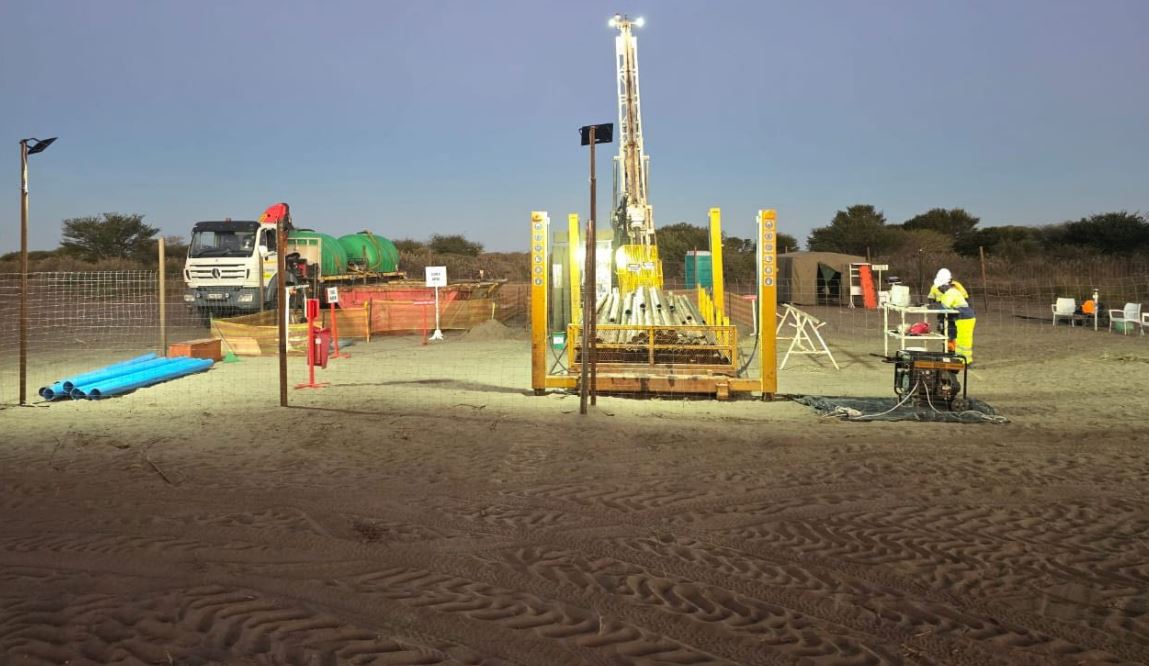
Peak Hill is a 100%-owned former open pit gold mine about 60 km southwest of Dubbo and 10 km south of Tomingley. Alkane mined the oxidised upper portion of the deposit until 2005, and the site is now on care and maintenance. Hole PHD084 was drilled using diamond core drilling, which recovers a continuous cylinder of rock for analysis. It ended about 1 km vertically below the base of the Proprietary pit and 800 metres below the existing underground resource.
At depth, the hole intersected the same advanced argillic alteration mapped at surface. This is a zone where hot, acidic fluids have changed the rock into clay and silica-rich minerals, and at Peak Hill it hosts the silica-pyrite zones associated with gold. The alteration forms a vertical pipe extending more than 1 km below the Proprietary pit. Within it, the hole returned 153 metres at 0.11 g/t gold and 0.02% copper from 1,427 metres, including 23 metres at 0.25 g/t gold and 4.8 metres at 0.46 g/t gold and 0.06% copper. Higher in the hole, 6.4 metres at 0.42 g/t gold was intersected from 1,000.6 metres, including 2 metres at 1.02 g/t gold.
These grades are lower than those within the core of the deposit about 1 km above. This may reflect the start of a transitional zone toward a porphyry setting, or the hole may have intersected the edge of the system, with potential for the higher-grade core to extend at depth to the north or south. The sulphide orebody beneath the pits holds an Inferred Resource of 1.02 million tonnes at 3.29 g/t gold and 0.15% copper, containing about 108,000 ounces of gold.
Managing Director Nic Earner said:
“The drilling highlights the potential for mineralisation to continue at significant depth beneath Peak Hill and identifies a substantial area for further exploration.”
Porphyry Indicators Beneath Great Eastern Point to a Deeper Target
Peak Hill is interpreted as a high sulphidation epithermal gold deposit, a type formed relatively close to surface from hot fluids that likely rose from a deeper magma source. At Peak Hill, that source is thought to be a copper-gold porphyry, a deposit formed around an intrusion of cooling magma. PHD084 was designed to test beneath “up-flow zones” between the Great Eastern and Parkers pits, which are interpreted channels for these rising fluids. The zones were identified through elevated fluorine and other high-temperature indicator elements in a 2023 honours study with CODES at the University of Tasmania and follow-up rock sampling.
The hole met its primary objective by intersecting transitional phyllic alteration, a mica-rich alteration that often sits above the core of a porphyry system and is generally not mineralised. Other indicators of a nearby magma source were also logged. These include anhydrite and quartz veins carrying chalcopyrite, a common copper mineral, which can form from porphyry-related fluids. The hole also cut pebble dykes, narrow bodies of rounded rock fragments forced upward from deeper levels that commonly occur above intrusions.
The hole was not deep enough to pass through the phyllic zone to an underlying intrusion, so the porphyry target remains untested. The alteration beneath the Proprietary pit formed at a different depth from that beneath Great Eastern, which suggests Peak Hill may be linked to a cluster of intrusions sitting at different levels. A second zone of advanced argillic alteration was also identified to the east, around 300 metres down the hole.
6,600-Metre Programme to Test Grade Continuity at Depth
The follow-up programme comprises six diamond holes totalling 6,600 metres, targeting the area between PHD084 and the Proprietary Inferred Resource. The drilling aims to assess whether gold grades continue vertically and whether PHD084 missed the higher-grade core of the system.
Managing Director Nic Earner said:
“Follow-up drilling is set to commence in 2026 and aims to delineate scale of epithermal gold deposit whilst also providing further system information and vectoring towards a potential copper-gold porphyry system below.”
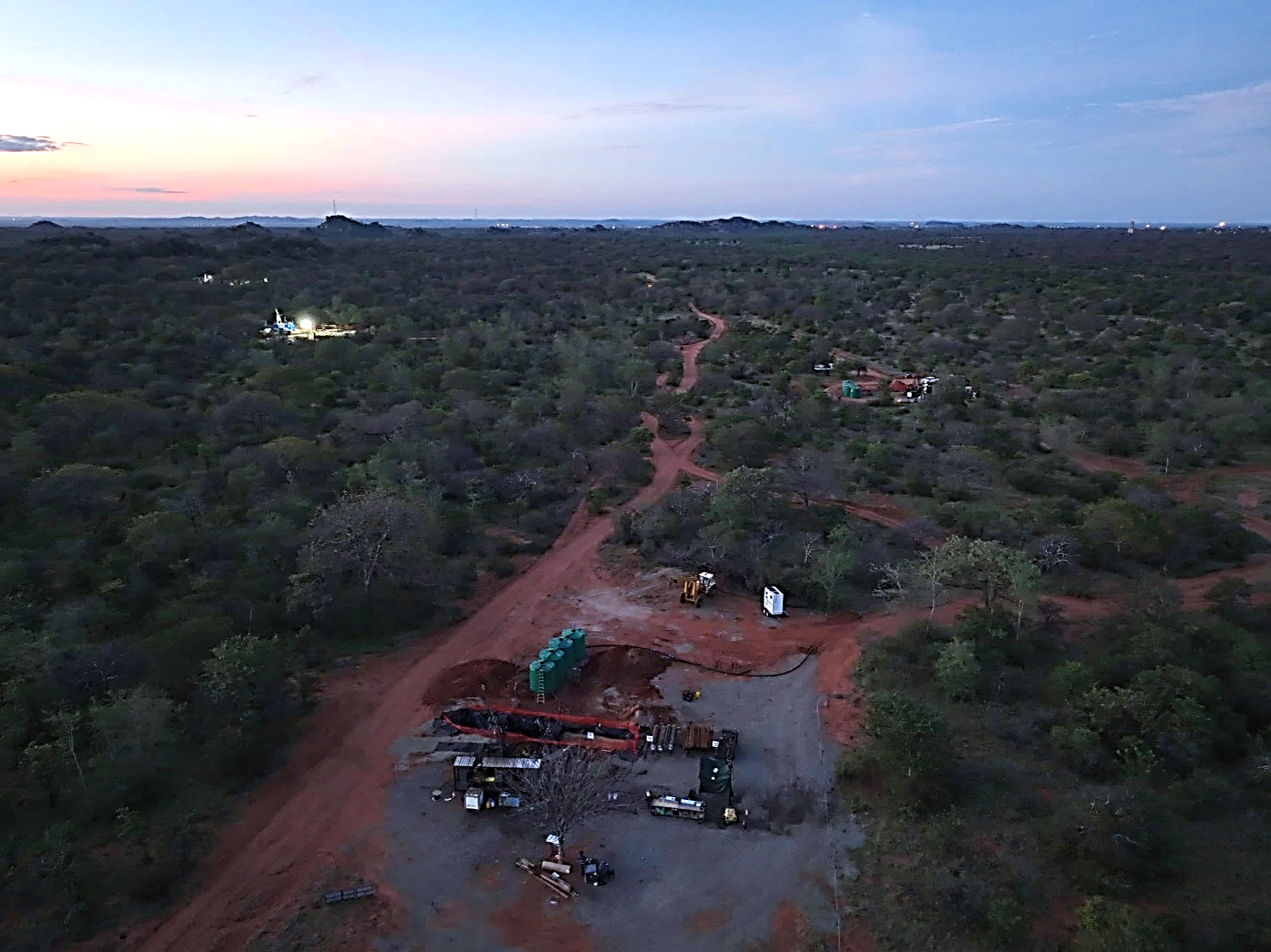
The diamond rig is currently drilling at the El Paso prospect and will complete a small programme at Tomingley before moving to Peak Hill in November. Final assay results from the programme are expected in 2027.
Milestones and Next Steps
After the six-hole programme, the rig is scheduled to complete geotechnical drilling, which tests rock strength and stability, to support future studies on the viability of mining the existing underground resource. In parallel, a study has been commissioned on PHD084 to assess the proximity of narrow, “pencil” shaped porphyry intrusions to the alteration zones intersected. The results will guide further drilling to test whether Peak Hill hosts a copper-gold porphyry at an economic depth.
Analyst's Notes





Subscribe to Our Channel




Stay Informed


