




Europe’s €97 Gas High Leaves Winter Heat Dependent on Distillate Supply


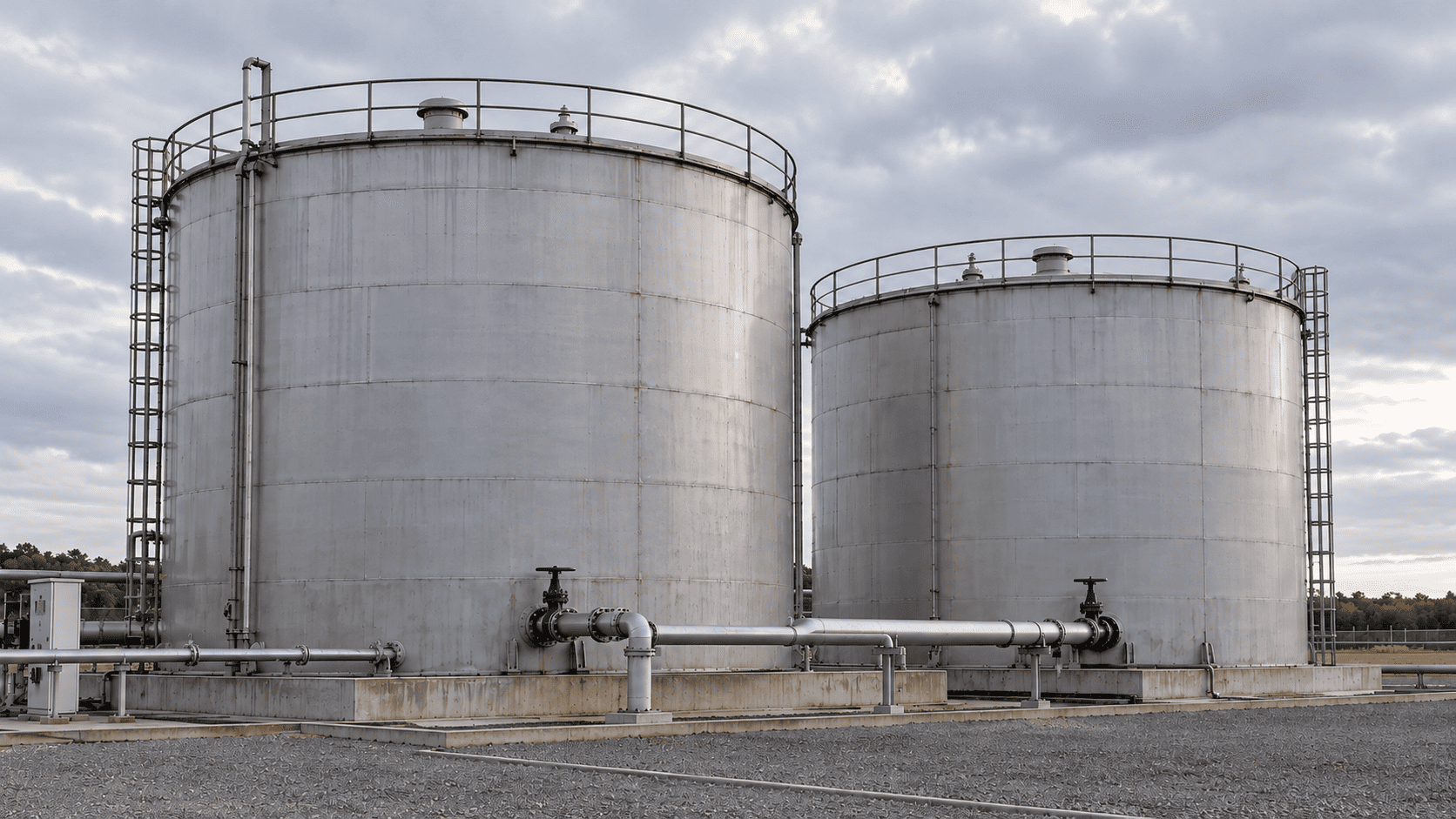
US East Coast distillate stocks sit 32% below average, favoring refiners able to boost diesel output as supply constraints support margins.
- The Dutch Title Transfer Facility (TTF) front-month gas contract reached €97.50 per megawatt-hour on October 26, 2026, its highest since late 2022, raising energy costs for European gas buyers.
- EU gas storage was 74.6% full on October 25, 2026, its lowest seasonal level in records dating to 2009, reducing Europe's supply buffer against winter gas price increases.
- Nearly 20% of global liquefied natural gas (LNG) passed through the Strait of Hormuz, while the International Energy Agency (IEA) projects Qatari and UAE supply falling 45%, or 54 billion cubic meters, in 2026, tightening global supply.
- Diesel prices exceeded $200 per barrel in September 2026 and remain nearly twice crude prices, with the IEA projecting tight supply into 2027.
- About 330 million barrels of emergency stocks have been released, leaving roughly 100 million barrels including more than 20 million barrels of diesel.
EU Gas Storage at 74.6% Supports Higher Winter Prices
The Dutch TTF front-month gas contract reached €97.50 per megawatt-hour, its highest since late 2022, before trading 3.1% higher at €96.71, raising costs for European gas buyers. French month-ahead power futures also exceeded €200 per megawatt-hour for the first time since January 2023, increasing electricity procurement costs.
EU gas storage was 74.6% full, its lowest seasonal level in records dating to 2009, while German storage stood just above 61%, leaving less gas available for winter demand. Lower inventories increase Europe's reliance on gas imports, supporting prices for suppliers able to deliver additional volumes.
Hormuz Disruption Raises Risk of 45% Gulf LNG Supply Drop
Disruptions to the Strait of Hormuz, which previously handled nearly 20% of global LNG trade, have reduced Qatari and UAE exports. IEA's third-quarter 2026 Gas Market Report projected their combined LNG supply would fall 45%, or 54 billion cubic meters, from 2025 levels. Unlike crude oil, Gulf LNG has no alternative export route around Hormuz, increasing Europe's competition for cargoes from other suppliers.
Iran is preparing to retaliate across the Middle East if US strikes resume around the November midterm elections, threatening further Gulf energy disruptions. Europe's October LNG imports are projected at 9.11 million tonnes, down from 10.59 million tonnes a year earlier, increasing winter supply pressure. Higher gas prices could encourage fuel switching to diesel and gasoil where equipment permits, supporting demand in an already tight middle-distillate market.
Diesel Export Decline Supports Price Premiums
Global diesel and gasoil exports fell nearly 700,000 barrels per day year over year in September, limiting available supply if European gas buyers switch to oil products. Vandana Hari, Founder of Vanda Insights, warned that the decline in crude prices could be temporary, with renewed Middle East tensions keeping price risks tilted upward.
East Coast Distillate Stocks 32% Below Average Favor Refiners
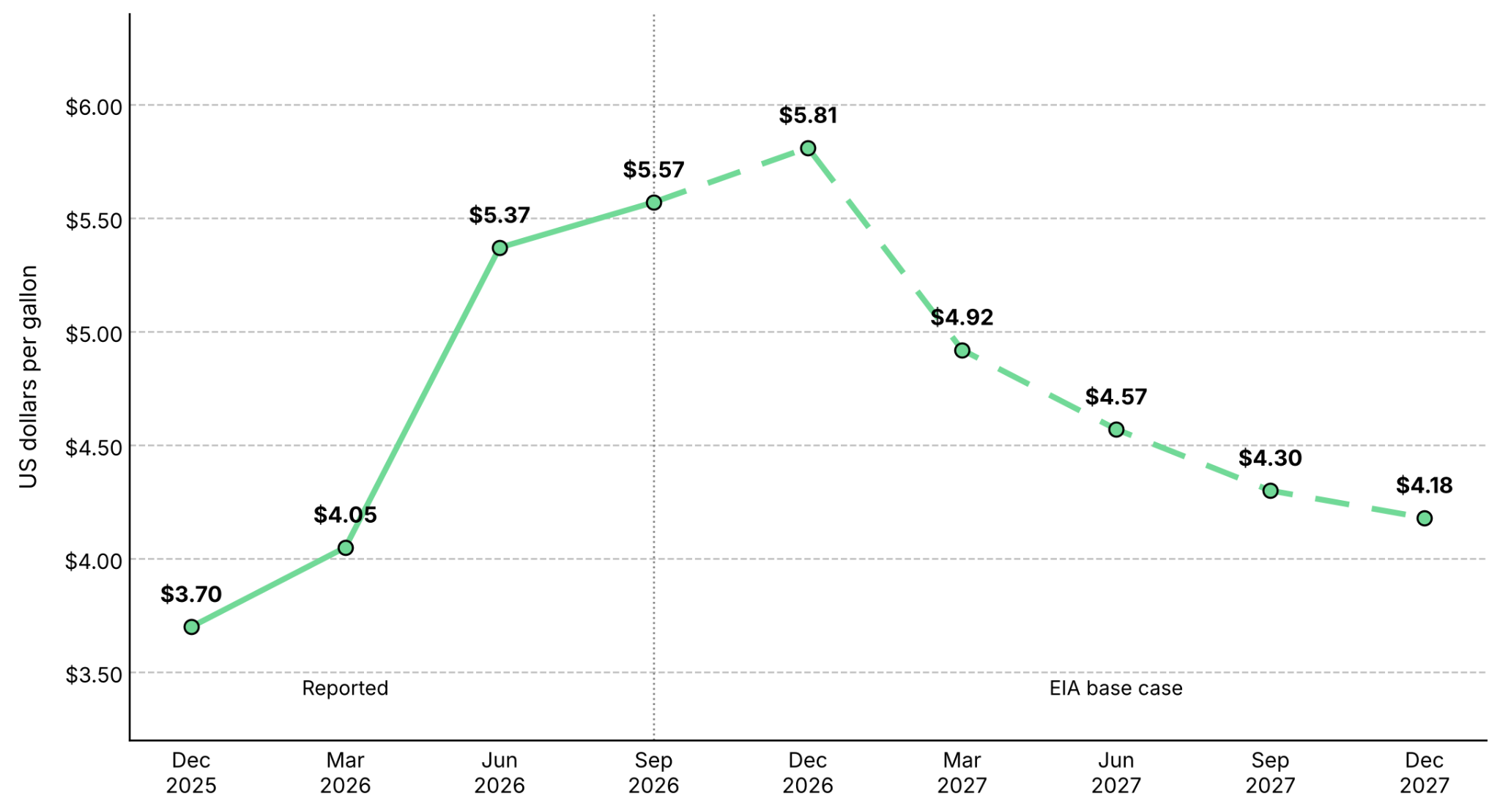
Higher diesel prices raise costs for road freight, marine gasoil users, and industrial facilities switching from natural gas, while wider refining margins benefit diesel producers. US retail on-highway diesel averaged $6.29 per gallon in September 2026, while East Coast distillate inventories stood 32% below their 2021-2025 seasonal average.
Refiners able to increase diesel output despite restricted crude supplies can capture higher margins and sales volumes, unlike facilities unable to raise production. IEA projects diesel will account for 25% of the 2.6 million-barrel-per-day decline in global oil demand in 2026, highlighting how high prices are also reducing consumption.
IEA members plan to release about 100 million barrels of emergency oil, including over 20 million barrels of diesel, potentially limiting further price increases. A mild European winter could also reduce heating fuel demand, favoring refiners able to maintain margins without relying on elevated diesel prices.
How Do Gas Shortages Benefit Diesel Refiners
Europe's low gas inventories and disrupted Gulf LNG supplies could increase demand for diesel and gasoil where facilities can switch fuels. Additional demand would support prices in an already tight middle-distillate market, even without a comparable increase in crude prices.
Refiners with higher diesel and gasoil output could benefit from wider margins as limited refining capacity restricts additional supply, supporting earnings. Crude producers may see smaller gains because higher European gas prices do not necessarily translate into higher crude prices or revenues.
Repairs to damaged LNG facilities in Qatar could take three to five years, extending supply constraints beyond this winter. Prolonged gas shortages could support demand for diesel substitutes, creating longer-term earnings opportunities for refiners with reliable crude supplies.
Analyst's Notes





Subscribe to Our Channel





Stay Informed


