ASEAN’s First Nuclear Deals Put Uranium Fuel Sourcing in Focus



Southeast Asia's nuclear plans could expand uranium demand, while reactor ownership, supply contracts, and mine readiness shape future sales.
- Southeast Asia could add approximately 30 gigawatts of nuclear capacity by 2050 if national targets are achieved, increasing long-term demand for uranium fuel.
- Indonesia's agreement for two floating nuclear units places refueling with the Russian operator, making its fuel supply arrangements the route to potential uranium sales.
- Each gigawatt of added nuclear capacity typically requires 300-450 tonnes of natural uranium for its initial fuel load and approximately 150 tonnes annually during operation.
- Reactor vendors commonly provide initial fuel loads and early refueling, making their supply arrangements an important route for uranium miners to secure sales contracts.
- Uranium contracts lasting three to 15 years can support producer revenue and developer financing, while nuclear expansion plans through 2050 strengthen the case for explorers defining future uranium resources.
ASEAN Nuclear Targets Signal Long-Term Uranium Demand
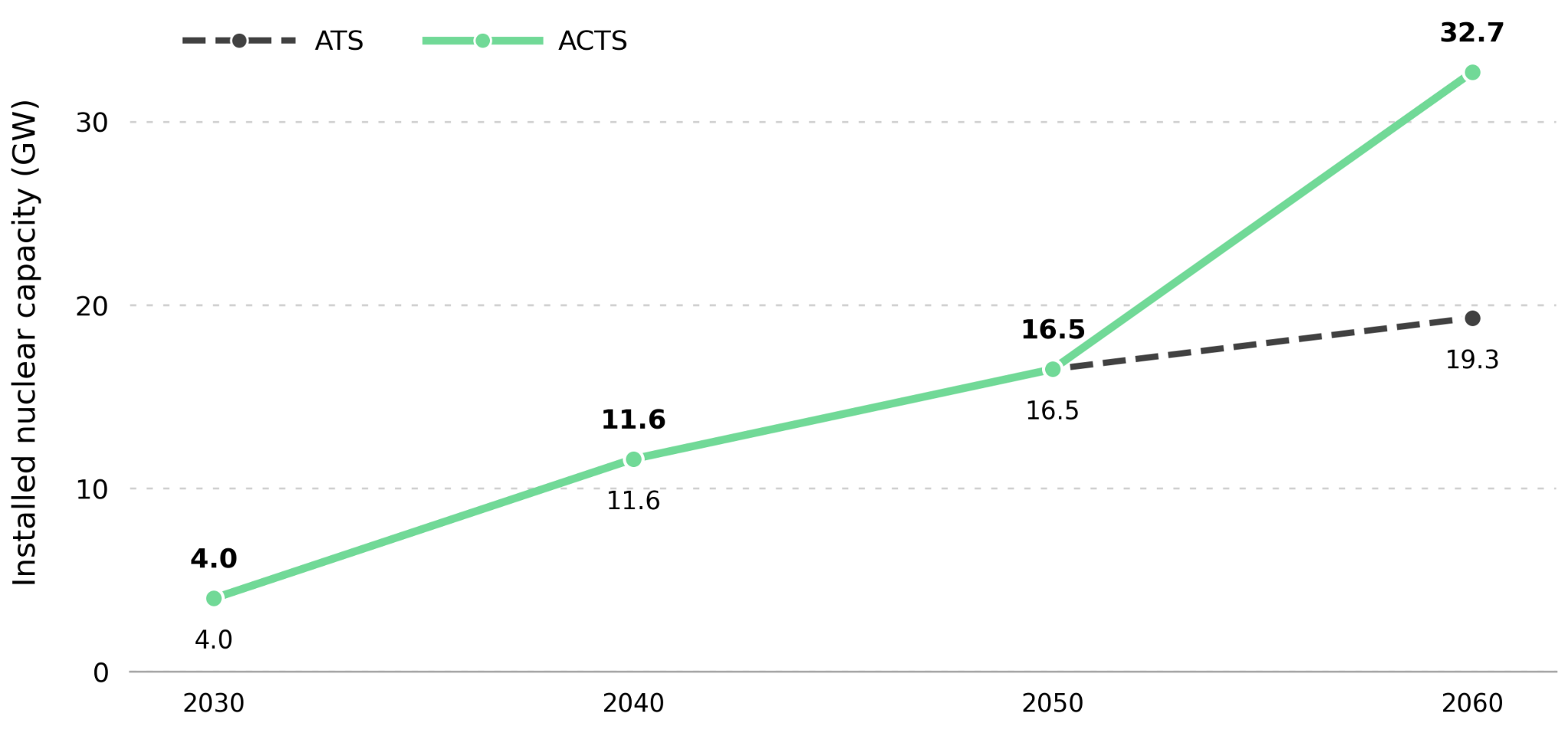
At the October 20-21 World Nuclear Supply Chain conference in Manila, an International Energy Agency (IEA) representative said national targets could add approximately 30 gigawatts (GW) of nuclear capacity by 2050, meeting around 8% of projected electricity-demand growth. With no operating commercial nuclear power plants in Southeast Asia, the first reactors to enter service would establish new uranium fuel requirements.
The Association of Southeast Asian Nations (ASEAN) Center for Energy (ACE) outlined a separate scenario requiring 32.7 GW of nuclear capacity by 2060, highlighting the potential for long-term uranium fuel demand. The IEA's Southeast Asia Energy Outlook 2026 identifies rising electricity demand and dependence on imported fossil fuels as drivers of nuclear interest. Indonesia's October 16 electricity agreement, Vietnam's construction framework, and the Philippines' proposed capacity tender involve different commercial arrangements that could determine who purchases uranium fuel.
Reactor Fuel Arrangements Determine Contract Access
Indonesia's agreement with Russia's Rosatom and PT Pembangkit Listrik Nuklir covers electricity from two 100-megawatt floating nuclear units in North Maluku. Rosatom retains ownership and operation, while the Indonesian customer purchases electricity rather than uranium fuel. The World Nuclear Association (WNA) reported on October 21 that refueling would take place in Russia every seven to ten years, placing potential uranium purchases within the reactor operator's supply arrangements.
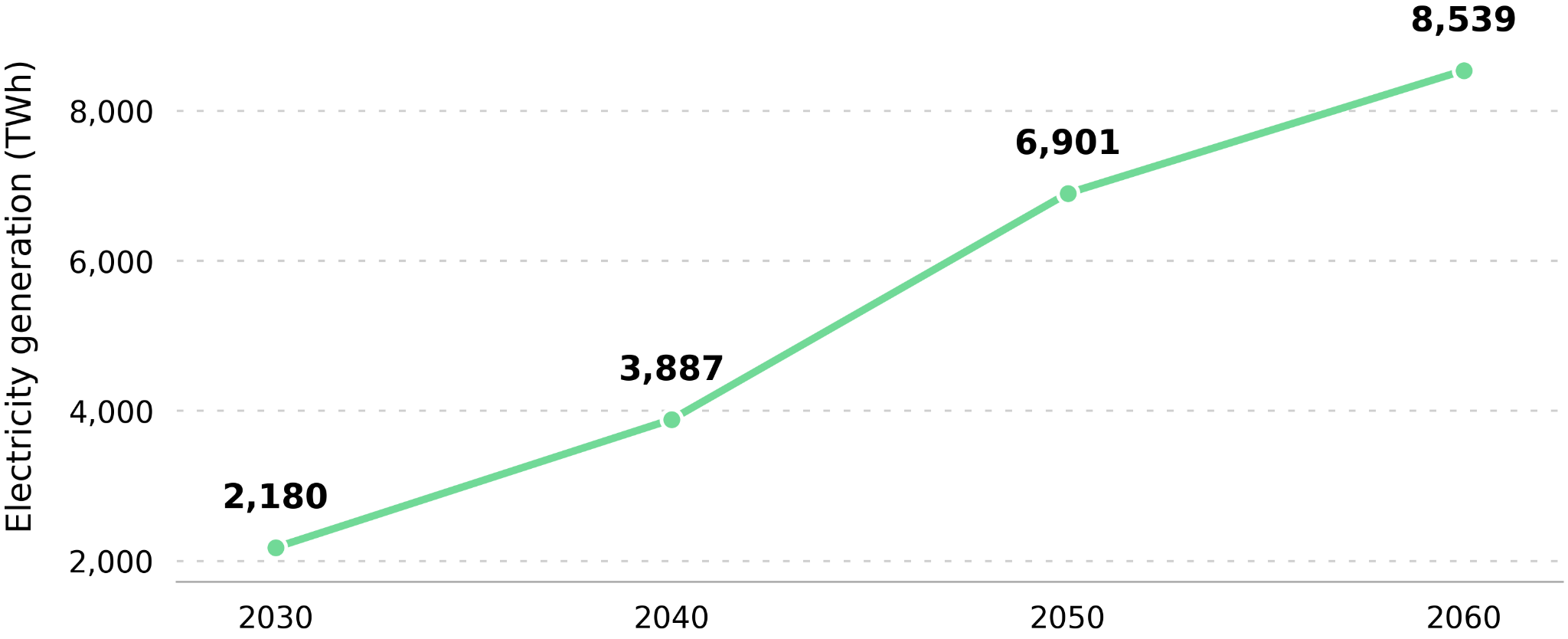
Vietnam's March 2026 agreement with Russia covers two VVER-1200 reactors totaling 2,400 megawatts at Ninh Thuan 1, creating potential long-term uranium fuel demand. WNA reported more than 30 project-contract discussions, with investment-policy approval targeted for 2027, while uranium mine suppliers remain unidentified. Its August 2026 research indicates that reactor vendors commonly provide initial fuel loads and early refueling, while other qualified fuel manufacturers can compete for subsequent contracts.
WNA estimates that each additional gigawatt of typical nuclear capacity requires 300-450 tonnes of natural uranium for its initial fuel load and approximately 150 tonnes annually during operation. Actual uranium requirements across ASEAN will depend on reactor designs and operating schedules, including Indonesia's different refueling arrangements. Uranium supply contracts commonly last three to 15 years, with agreed purchase volumes and delivery dates providing producers with greater revenue visibility and supporting financing for developers.
Long-Term Contracts Favor Producers With Existing Plants
As nuclear projects advance toward fuel procurement, uranium buyers need suppliers capable of meeting long-term delivery commitments. Producers with existing processing infrastructure can bring additional uranium to market without building entirely new facilities.
enCore Energy operates the Alta Mesa uranium processing facility in South Texas, with an annual capacity of 1.5 million pounds. Its Wellfield 3 extension is ready for operation pending final permits expected in the fourth quarter of 2026, while Wellfield 8 permits are anticipated by the end of the first quarter of 2027. These additions could increase uranium production through existing infrastructure, while contracts with inflation-adjusted price floors and ceilings support revenue visibility and provide exposure to higher uranium prices within agreed limits.
Projected Deficit Raises Interest in New Mine Projects
As nuclear fuel buyers plan long-term purchases, new uranium projects could expand supply beyond existing mines. Strong recovery rates can improve project economics, while clearly defined offtake rights provide greater flexibility to negotiate future uranium sales.
Atomic Eagle reported approximately 81% uranium recovery in column-leach tests at its Muntanga East deposit in Zambia, with most extraction achieved at low acid consumption. The results support the potential for cost-efficient production and strengthen ongoing studies at its 58.8-million-pound Muntanga Project. Its 60%-owned Madaouela project in Niger also provides greater flexibility to negotiate future uranium sales through clarified offtake arrangements.
Phil Hoskins, Chief Executive Officer of Atomic Eagle, anticipates increased demand for new uranium mining assets:
"The deficit, come the time that this project's capable of coming online, is going to be significant, and people will be scrambling for new production assets."
US Supply Gap Drives Investment in Processing Capacity
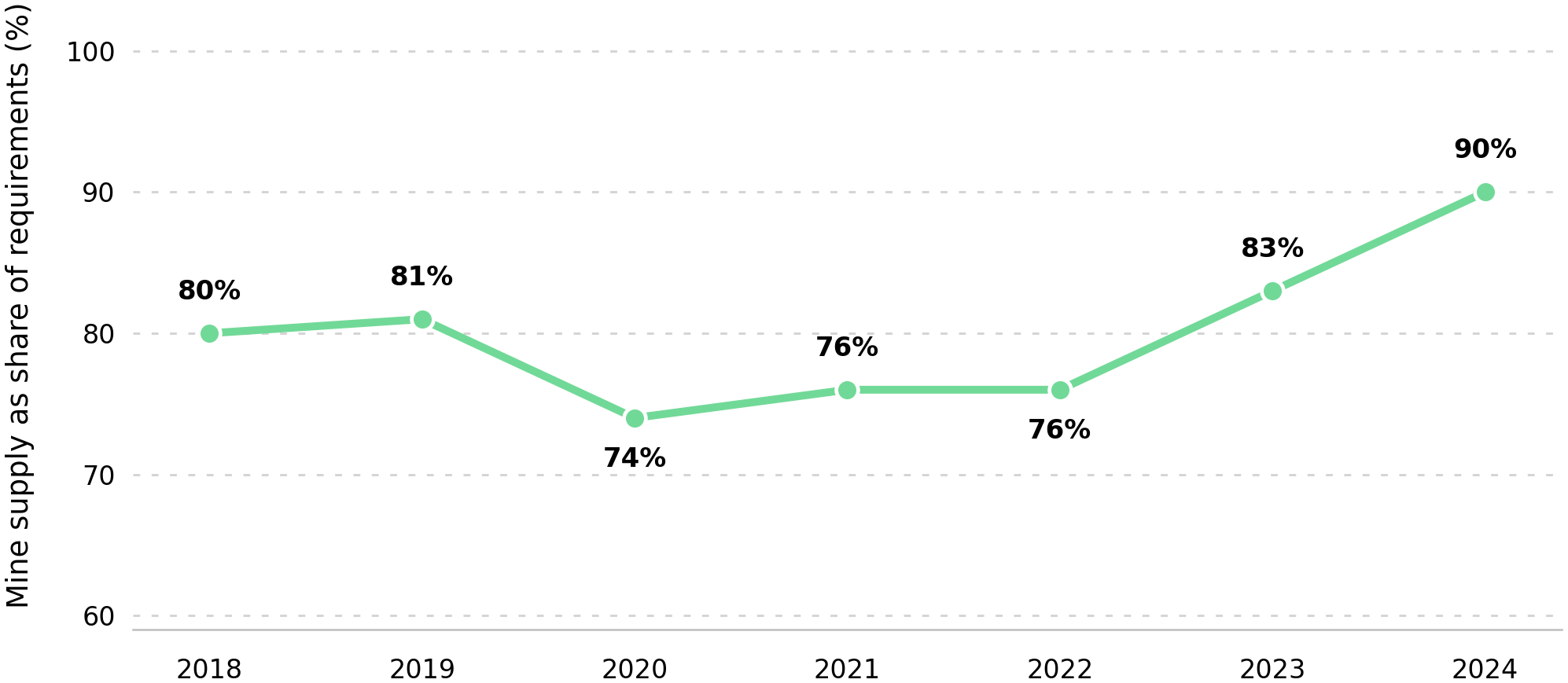
Meeting future uranium fuel demand requires more than developing new resources. The gap between US uranium consumption and domestic production highlights the importance of expanding processing capacity and reducing costs to bring additional uranium supply to market.
IsoEnergy reported its strongest radioactive readings to date along the Hurricane South trend during summer 2026 drilling, adding exploration potential around its Larocque East Project in Saskatchewan, which contains 48.6 million pounds of indicated uranium oxide resources at an average grade of 34.5%. The company also agreed to acquire a 33% interest in DISA Uranium, a US uranium platform associated with US$105 million in financing and technology designed to reduce transportation and processing costs, expanding its exposure to potential future uranium production.
Reactor Targets Support Large-Scale Uranium Exploration
ASEAN's potential nuclear expansion through 2050 reinforces the need for uranium resources. Exploration projects that establish mineralization across larger areas can strengthen resource potential and provide a foundation for future development.
ATHA Energy reported uranium mineralization in 21 of 23 drillholes at its Angilak Project in Nunavut, extending the Rib North mineralized trend to 3.4 kilometers. The results provide a larger area for further drilling and resource definition, while funding secured earlier in 2026 supports continued exploration through 2027. This positions the company to further assess the discovery's scale and strengthen confidence in its uranium resource potential.
Troy Boisjoli, Chief Executive Officer of ATHA Energy, explains why larger discoveries matter for future supply:
"I think it's clear to me what the market is looking for, and this is what the industry needs. It is large, scalable assets that can become a meaningful component to help solve what is nearly an existential supply deficit going into the 2030 decade."
Reactor Approvals Influence Uranium Purchase Timelines
In September 2026, the Philippine Department of Energy proposed rules for a nuclear-generation tender targeting 1,200 megawatts by 2032, establishing a potential timetable for future uranium fuel requirements. Successful bidders would still need separate construction and operating approvals, making regulatory progress important to the timing of fuel procurement. The Philippines' longer-term target of 4,800 megawatts by 2050 could further expand uranium demand if the planned nuclear capacity is built.
As ASEAN's proposed reactors secure financing and regulatory approvals, construction schedules could establish clearer timelines for uranium fuel procurement. These milestones could encourage reactor vendors and utilities to negotiate long-term supply agreements specifying purchase volumes and delivery dates. Such commitments could strengthen revenue visibility for uranium suppliers, support project financing, and create new commercial opportunities across the uranium mining sector.
The Investment Thesis for Uranium
- ASEAN's proposed nuclear projects could create new uranium sales opportunities, with initial fuel purchases preceding reactor startup and recurring demand beginning during operation.
- Reactor vendors that manage initial fuel loads and refueling can provide uranium miners with access to long-term sales contracts, even when utilities purchase only electricity.
- Producers with existing processing facilities can expand uranium output without building new plants, reducing development costs and creating a shorter path to contracted sales.
- Developers with high uranium recovery rates and clear rights to negotiate uranium supply contracts can improve project economics and strengthen financing prospects.
- Explorers that identify uranium mineralization across larger areas can focus further drilling on defining resources, strengthening the basis for future project valuations.
- Clear permitting requirements and disciplined capital spending help uranium companies manage development timelines and control costs, strengthening project economics.
ASEAN's first nuclear agreements could broaden the global uranium market as more countries pursue nuclear power to meet long-term electricity demand. This expansion creates opportunities for mining companies to establish new commercial relationships as reactor projects advance toward fuel procurement. Uranium assets with strong project economics, clear development pathways, and access to long-term customers are positioned to capture greater value as the region's nuclear industry develops.
TL;DR
Southeast Asia's emerging nuclear programs could add substantial uranium demand if proposed reactors move forward. Indonesia's floating units demonstrate that the reactor operator, rather than the electricity buyer, may control fuel purchases, while Vietnam and the Philippines are advancing different nuclear plans. A typical gigawatt of new capacity needs 300-450 tonnes of natural uranium for its first fuel load and about 150 tonnes annually thereafter. Supply contracts, often lasting three to 15 years, can support producer revenue and developer financing. Existing processing facilities, strong recovery results, improved processing technology, and exploration discoveries offer different ways for uranium mining companies to prepare for future fuel requirements.
FAQs (AI-Generated)
Analyst's Notes





Subscribe to Our Channel









Stay Informed