Atomic Eagle Is Building One of Africa's Most Promising Uranium Projects - Here's Why It Matters



Atomic Eagle is growing its Zambia uranium project with a 24% resource upgrade, a profitable feasibility study, and a major drill program now underway.
- Atomic Eagle Limited has grown its uranium resource in Zambia by 24%, bringing the total to 58.8 million pounds - one of the largest undeveloped uranium deposits in Africa
- An independent study completed in early 2026 confirmed the project can generate significant returns, projecting a net value of US$243 million and paying back its initial investment within 3.5 years
- The company is about to begin its biggest drilling campaign, testing targets that could add 40 to 100 million additional pounds of uranium to its existing resource
- Uranium industry veteran Grant Davey - the founder of two successful listed uranium companies - has joined as Chairman, bringing direct experience taking uranium projects from development to production
- Atomic Eagle's Zambia project sits within a stable, mining-friendly jurisdiction at a time when governments worldwide are actively competing to secure long-term uranium supply
What Has Happened
Atomic Eagle Limited (ASX: AEU | OTCQB: AEUXF) has announced a significant increase in the size of its uranium resource at the Muntanga project in Zambia. The total resource now stands at 58.8 million pounds of uranium - up 24% from the previous estimate - following a maiden drilling program that identified two brand new deposits within the company's licence area. At the same time, the company released the results of an independent study confirming the project can be built and operated profitably, and announced that a major new drilling campaign will begin in April 2026.
These developments come alongside a significant change at board level. On 20 April 2026, Atomic Eagle appointed Grant Davey as its new Non-Executive Chairman. Davey founded Boss Energy Limited (ASX: BOE) and Lotus Resources Limited (ASX: LOT) - two companies that successfully advanced uranium projects from early development through to production. For a company at Atomic Eagle's stage, that kind of hands-on experience at the top of the leadership team is a meaningful signal about where management intends to take the project.
The Uranium Resource
A uranium resource estimate is essentially a calculation of how much uranium exists in the ground at a given project, based on drilling and geological analysis. Atomic Eagle's Muntanga project now contains 58.8 million pounds of uranium across seven separate deposits spread along a 1,126 square kilometre licence area in eastern Zambia. The most significant of these is a deposit called Dibbwi East, which alone accounts for 29.6 million pounds.
The 24% increase was driven by two new discoveries - Chisebuka, containing 9.7 million pounds, and Muntanga East, containing 1.7 million pounds. Both remain in an early classification stage, meaning they have been identified but not yet drilled in enough detail to be included in a mine plan. That matters because it represents near-term upside: as the company drills out these deposits in more detail, the resource could grow further and the economics of the project could improve.
Importantly, 44% of Atomic Eagle's total uranium resource was not even included in the company's 2025 mine plan. That excluded material - which includes deposits with confirmed positive economics - represents a ready-made opportunity to expand the project's scale without needing to make a new discovery.
The Independent Study
In March 2026, Atomic Eagle released the results of a full feasibility study - an independent, detailed assessment of whether the Muntanga project can be built and operated at a profit. The short answer, based on the study's findings, is yes.
The study modelled a 12-year mining operation producing an average of 2.2 million pounds of uranium per year, using heap leaching - essentially a low-cost way of extracting uranium from ore by applying an acid solution. The method achieves recovery rates above 90%, meaning very little uranium is lost in the process, and requires relatively low amounts of acid compared to similar projects.
On the financial side, the study projected an after-tax net present value at an 8% discount rate (NPV8%) for the project of US$243 million, a return on investment of 20.8%, and full payback of the initial US$282 million construction cost within 3.5 years. Over the full life of the mine, the project is expected to generate US$672 million in free cash flow. These numbers are based only on the portion of the resource already classified with high confidence - meaning the economics do not yet reflect the potential upside from the 44% of the resource that was excluded from the study.
The Drilling Campaign
Atomic Eagle is about to begin the largest drilling program at Muntanga in 18 years, targeting areas the company believes could add between 40 and 100 million pounds of additional uranium to its resource. To put that in context, the current total resource is 58.8 million pounds - so the exploration target represents the potential to at least double the size of what the company already has.
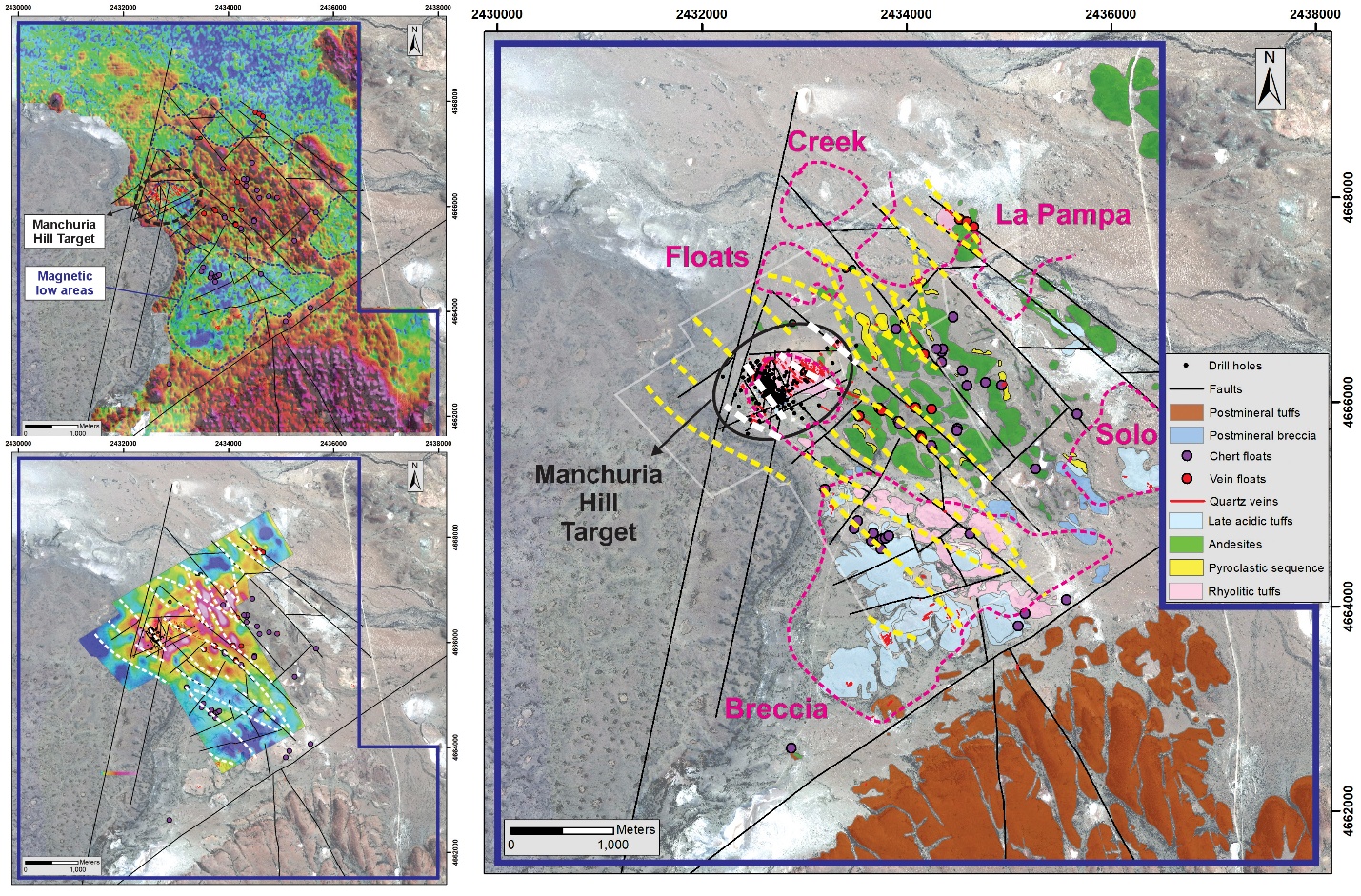
The targets sit within the same geological system as the existing deposits, sharing similar characteristics that suggest uranium is likely present. Drilling in this part of Zambia is also relatively inexpensive because the uranium sits at shallow depths, reducing the cost and time required to test each target. The Chisebuka deposit, one of the two new discoveries, also remains largely undrilled across much of its footprint - meaning additional resource growth from that deposit alone is a realistic near-term outcome.
It is important to note that the 40 to 100 million pound exploration target is a conceptual range, not a confirmed resource. There is no certainty that drilling will result in that material being added to the resource - but the geological basis for the target is grounded in existing survey data and historical drilling across the licence area.
Board Strengthened With Uranium Industry Veteran
Atomic Eagle appointed Grant Davey as Non-Executive Chairman on 20 April 2026, a move that carries direct strategic relevance given Davey's role as founder of both Boss Energy Limited (ASX: BOE) and Lotus Resources Limited (ASX: LOT) - two of Australia's most closely watched listed uranium producers. With more than 30 years of experience building and operating mining and energy projects globally, his appointment signals a deliberate shift toward execution-focused leadership at a company now holding a completed feasibility study and entering its most intensive exploration program to date. Chief Executive Officer Phil Hoskins welcomed the appointments:
"We are delighted to have attracted individuals of the calibre of both Grant and Muna to the board of Atomic Eagle, as their experience in dealing in Africa over the duration of their careers is vitally important. In addition, Grant's expertise in the uranium sector of more than 20 years will no doubt prove invaluable, having been the founder of both Boss Energy and Lotus Resources."
Alongside Davey, Muna Hantuba joins as Non-Executive Director. Hantuba has spent 40 years working across finance, mining, insurance, and corporate governance in Zambia, including serving as Chairman of Zambia's Securities & Exchange Commission and President of the Economics Association of Zambia. He currently chairs Chilanga Cement Zambia Plc, Zambia's largest cement producer - a role that reflects the depth of his business relationships within the country. Those connections carry practical value as Atomic Eagle works toward obtaining the environmental and community approvals required to begin construction, both of which are expected to be finalised in 2026. Govind Friedland transitions from Chairman to Non-Executive Director, while Eric Krafft resigned from the board effective 20 April 2026.
Why Zambia & Why Now
Zambia is one of Africa's most established mining countries, best known as the world's seventh-largest copper producer. It ranks third in Africa in an annual survey of mining investment conditions published by the Fraser Institute, reflecting its stable regulatory environment, transparent tax regime, and long history of hosting large-scale international mining operations. For a uranium project, those qualities matter enormously - investors and offtake partners pay close attention to the political and regulatory stability of the country where a project is located.
The timing is also significant from a global supply perspective. Governments around the world are racing to secure long-term uranium supplies as nuclear power makes a major comeback. The US currently imports 95% of the uranium used by its nuclear reactors and has committed to tripling its nuclear capacity by 2050. China has 37 nuclear reactors under construction and announced 10 more in April 2025. India is targeting approximately 100 gigawatts of nuclear power by 2047 and has already signed major long-term supply deals with two of the world's largest uranium producers. Against that backdrop, a large, fully licenced uranium deposit in a geopolitically neutral African country - one that can supply buyers in both the west and the east - has a strategic value that goes beyond the numbers on a resource estimate.
Market Position
As of 25 March 2026, Atomic Eagle's shares were trading at A$0.37, giving the company a market value of approximately A$144 million. The company held A$19 million in cash as of December 2025, with an enterprise value - which is the market value adjusted for cash on hand - of approximately A$125 million. The company has 391 million shares on issue.
What This All Means for Atomic Eagle
Atomic Eagle holds a large and growing uranium resource in one of Africa's most mining-friendly countries, at a time when global demand for uranium is accelerating and new supply is scarce. The company has completed an independent study confirming the project works financially, is about to begin its biggest ever drilling program, and has just appointed a chairman who has built uranium companies from the ground up before. Each of these developments - resource growth, financial validation, exploration upside, and strengthened leadership - represents a building block toward the company's longer-term goal of becoming a producing uranium company in Zambia.
FAQs (AI-Generated)
Atomic Eagle's Muntanga project in Zambia holds a total uranium resource of 58.8 million pounds, following a 24% increase announced in March 2026.
The study confirmed the project can generate a net value of US$243 million after tax, with full repayment of its US$282 million construction cost within 3.5 years.
Grant Davey is the founder of two successful listed uranium producers - Boss Energy Limited and Lotus Resources Limited - and his appointment as Non-Executive Chairman brings direct project-building experience to Atomic Eagle's leadership at a critical stage of development.
Zambia ranks third in Africa in the Fraser Institute's annual mining investment survey, offering a stable regulatory environment, a transparent tax regime, and a long history of hosting large-scale international mining operations.
The company's largest drilling campaign in 18 years, commencing April 2026, is targeting between 40 and 100 million additional pounds of uranium across its 1,126 square kilometre licence area in eastern Zambia.
Analyst's Notes





Subscribe to Our Channel





Stay Informed