Australian Uranium Sector Advances Despite Regulatory Contradictions & Policy Uncertainty



Cauldron Energy reports 3 uranium discoveries in 2 years, $70M market cap, institutional backing; resource update due weeks before expanded drilling as Australia's energy crisis worsens.
- Cauldron Energy Update: Strong capital raise completed, market cap reached ~$70M attracting institutional investors including Tribeca's Guy Keller; resource update expected within weeks after delivering three uranium discoveries in two years
- Australian Energy Crisis: Interest rates rose 25 basis points driven by 21% energy price surge after government energy rebates ended, exposing true cost of renewable-focused energy policy while 50% home battery subsidies continue
- Political Landscape Shift: One Nation party polling at 28% (second-largest party), challenging traditional two-party system; Chris Bowen appointed global climate czar despite Australia losing COP31 hosting rights to Turkey
- Uranium Policy Progress: Federal support exists but state-level bans persist in Queensland and Western Australia; private members bills introduced to overturn restrictions while uranium remains excluded from Australia's critical minerals list despite U.S. partnership
The Australian uranium sector continues navigating a complex landscape of political uncertainty, energy policy contradictions, and evolving market dynamics, according to Jonathan Fisher, CEO of Cauldron Energy. In a recent interview, Fisher provided comprehensive insights into Cauldron's operational progress, Australia's deteriorating energy situation, and the uranium market's current state. The discussion offers critical context for investors tracking uranium equities and energy policy developments in a key mining jurisdiction.
Cauldron Energy's Strong Position
Fisher reported significant operational momentum for Cauldron Energy, describing the past year as "cracking" with strong capital raising completion and robust start to the new year. The company's market capitalisation has reached approximately $70 million, a threshold that opens doors to family office and institutional investment. This milestone was underscored by Tribeca's Guy Keller taking a position in the company, which Fisher characterised as an important endorsement that could encourage other institutional followers.
The company has positioned itself as Australia's leading uranium discovery team, having made three new uranium discoveries over two years, including two in the past year alone. Fisher emphasised this achievement demonstrates efficient capital deployment and exploration capability. A resource update is scheduled for release within the next few weeks, which will quantify the uranium identified through recent drilling campaigns.
Looking ahead, Cauldron has secured heritage clearances for May 2026, a dramatic improvement from the October timing experienced in the previous year. This earlier access to drilling sites will enable a full exploration season starting mid-year. Fisher expressed confidence about the drilling program, noting the company now has sufficient cash reserves to execute its strategy while maintaining financial flexibility.
Australia's Energy Price Crisis
Fisher provided detailed analysis of Australia's worsening energy situation, which has direct implications for uranium policy and public sentiment. The country experienced a 25 basis point interest rate increase in January 2026, counter to trends in most developed nations. This rate rise was driven primarily by December inflation data showing energy prices surging 21%.
The energy price spike, Fisher explained, does not reflect recent consumption increases but rather the termination of government energy rebates that artificially suppressed reported prices. "The government was giving us free money in energy rebates to keep inflation and the pricing down."
When these subsidies ceased, the true cost of Australia's renewable-focused energy policy became apparent to consumers.
The government response has involved redirecting subsidies rather than addressing underlying policy issues. Australia now offers a home battery scheme rebating 50% of installation costs. Fisher noted that even in Australia's solar-rich environment, home battery economics remain unviable without subsidies, with payback periods exceeding warranty periods on an unsubsidised basis. These interventions continue to burden government finances without addressing structural energy cost problems.
Political Realignment & Climate Policy
The Australian political landscape is experiencing unprecedented disruption. One Nation, traditionally considered a fringe party, is now polling at 28%, making it the second-largest political party nationally and potential opposition if elections were held today. This represents a historic shift, as one of the two major parties has never been displaced from its traditional role.
Fisher attributed this surge partly to the Liberal-National Coalition's internal dysfunction, including two formal dissolutions and reconciliations of their coalition partnership. The traditional conservative opposition has been "in complete shambles" according to Fisher, with ongoing leadership challenges continuing to destabilise the party.
On climate policy, Chris Bowen has been appointed as global climate czar despite Australia losing the COP31 hosting rights to Turkey. Fisher suggested this international role may create conflicts with Bowen's domestic ministerial responsibilities, with speculation that some within his own party welcome his potential exit to the global stage.
Fisher wryly noted, "He's an international problem now. He's not our problem."
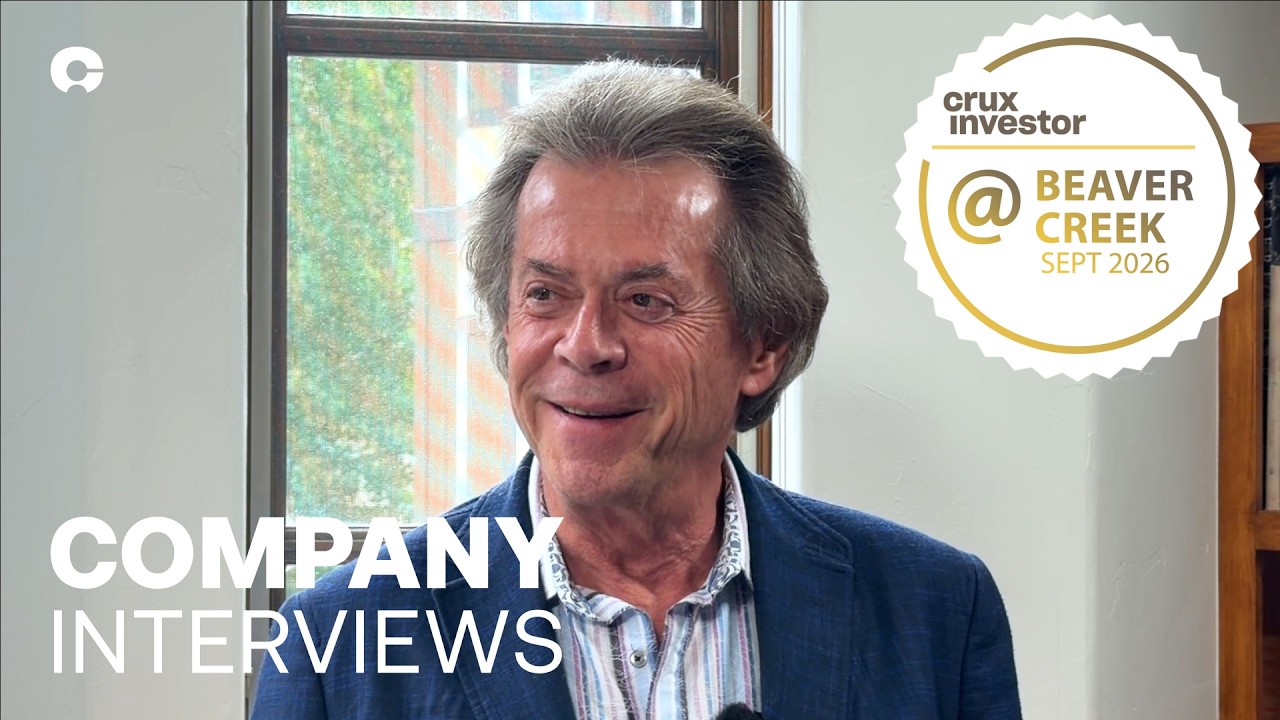
Jonathan Fisher, CEO of Cauldron Energy & Market Commentator
Uranium Policy Framework
Australia maintains federal-level support for uranium mining and export, but faces state-level prohibitions in key jurisdictions including Queensland and Western Australia, where Cauldron's projects are located. Fisher has submitted extensive documentation to parliamentary inquiries examining these bans, with one submission exceeding 100 pages.
Private members' bills have been introduced in three jurisdictions to overturn nuclear energy or uranium mining restrictions. While Fisher acknowledged these rarely succeed, particularly on controversial topics, he views their introduction as maintaining important policy dialogue and building momentum for eventual reform.
A critical gap exists in Australia's critical minerals strategy. Despite signing a critical minerals partnership with the United States that includes uranium, Australia's government has not designated uranium as a critical mineral domestically. Fisher attributed this to political sensitivities, stating the prime minister "is so averse to even uttering the word uranium that he gets scared."
This designation matters beyond symbolism. Critical minerals projects receive support from the Critical Minerals Facilitation Office, which coordinates government approvals - a significant benefit for uranium projects navigating complex regulatory requirements. Fisher emphasised he doesn't require concessional funding available to other critical minerals projects, but administrative coordination and governmental advocacy would provide substantial value.
Fisher argued that expanding uranium exports represents Australia's highest-impact decarbonisation contribution globally, more effective than other strategies like liquefied natural gas exports to displace coal. He noted the World Nuclear Association identifies access to "high ESG strategically aligned uranium" as a critical path constraint for the global nuclear renaissance, with uranium mine development timelines exceeding nuclear plant construction schedules.
Market Dynamics and Pricing
The uranium spot market has experienced significant volatility driven by Sprott Physical Uranium Trust buying activity. Fisher noted that on some trading days, Sprott represents the only buyer, creating artificial price movements. The fund has purchased approximately 4 million pounds within a month against an annual limit of roughly 9 million pounds, though Fisher suggested unused allocations from prior years might enable additional purchases beyond current annual caps.
Fisher emphasised that utilities understand Sprott's limitations and can strategically time purchases accordingly. He called for greater transparency from Sprott Physical Uranium Trust management regarding purchasing plans and available capacity, arguing this would provide market stability and reduce opportunities for utilities to game pricing cycles.
In contrast to spot market volatility, term contract prices continue trending upward. Fisher acknowledged that retail investors struggle to track term prices given the private nature of utility contracts, though occasional reports indicate contracts signing well above current spot prices. He suggested the industry could benefit from more frequent public reporting of term price indicators from services like UxC and TradeTech.
Strategic Priorities
Cauldron Energy will present at the RIU Conference in Perth, described as Australia's largest event for junior mining companies. Cauldron Energy and Alligator Energy will occupy the two main slots in the opening uranium-focused session, with Fisher noting his presentations aim to be "interesting and engaging" for the investment community.
The upcoming resource update will provide investors with quantified results from recent exploration success, enabling assessment of capital efficiency and future drilling potential. With heritage clearances secured months earlier than the prior year and strong cash position, Cauldron appears positioned to execute an aggressive 2026 exploration program.
Fisher concluded with confidence about the company's trajectory:
"We are rapidly moving up the ladder of biggest uranium projects in Australia."
Cauldron Energy has established itself as Australia's most successful uranium exploration company over the past two years while navigating a policy environment marked by federal-state contradictions and political instability. The company's improved market capitalisation and institutional backing provide financial flexibility for accelerated exploration programs. Australia's energy crisis, manifested in surging electricity prices and interest rate increases, may eventually force policy recalibration despite current government reluctance to embrace uranium's role in decarbonisation.
The uranium market faces near-term volatility from Sprott buying patterns, though underlying term contract prices continue strengthening. For Cauldron investors, the immediate catalysts include the pending resource update and RIU Conference presentation, while medium-term value drivers depend on both exploration success and potential state-level policy reforms in Western Australia.
TL;DR: Executive Summary
Cauldron Energy has achieved three uranium discoveries in two years, raised capital to reach ~$70M market cap attracting institutional investors like Tribeca, and expects to release a resource update within weeks before launching an expanded mid-year drilling program. Australia's 21% energy price surge after subsidy removal highlights renewable policy failures that may catalyse uranium policy reform, though federal-state regulatory contradictions persist. Sprott uranium fund buying creates spot price volatility while term contracts strengthen; Cauldron positioned as leading Australian discovery team with improved drilling access and financial runway.
FAQs (AI Generated)
The company expects to release a resource update within the next couple of weeks, quantifying uranium discoveries from recent drilling programs and demonstrating capital efficiency.
Despite U.S. partnership including uranium, Australia's government avoids the designation due to political sensitivities, though federal support for uranium mining and export exists.
Fisher states Cauldron is "the number one uranium discovery team in Australia" with three discoveries in two years, rapidly ascending rankings of largest Australian uranium projects.
December inflation showed 21% energy price surge after government energy rebates ended, revealing true costs of renewable-focused policy and forcing rate hikes counter to global trends.
Sprott occasionally represents the only buyer, purchasing 4 million pounds monthly against 9 million annual limits, creating predictable patterns utilities can exploit for strategic purchasing.
Analyst's Notes





Subscribe to Our Channel



Stay Informed