




Beetaloo Energy Targets First Gas in Q4 2026 as AI Data Centre Opportunity Emerges


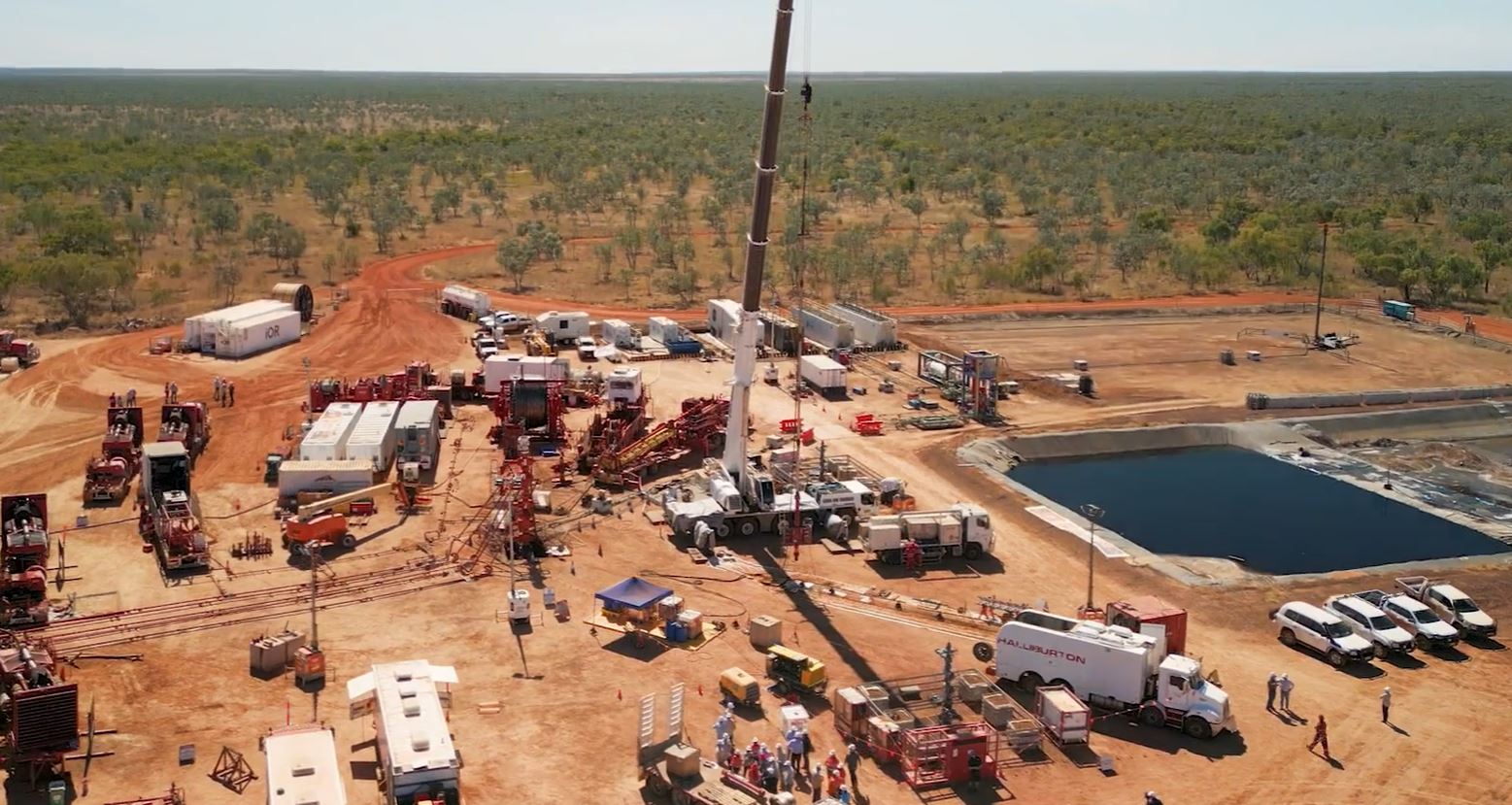
Beetaloo Energy (ASX:BTL) nears first gas from its Carpentaria pilot in the Beetaloo Basin, with a Halliburton MOU targeting AI data centre power demand.
- Carpentaria pilot targeting first gas Q4 2026, later than prior 2025 guidance.
- Binding 10-year, CPI-linked gas sales agreement with NT Government underpins near-term revenue.
- ~A$125 million total liquidity funds the company through first gas.
- Halliburton MOU adds AI data centre demand angle via Beetaloo Digital, gas-supply role only.
- Well costs (>A$50m each) expected to roughly halve under year-round drilling, driving 30-50% IRR target.
Australia's Beetaloo Basin has spent the better part of two decades as a "someday" story - enormous resource numbers, slow appraisal, and a market that struggled to price molecules that weren't yet flowing. That is starting to change. Beetaloo Energy Australia Limited - formerly Empire Energy Group Limited - is now weeks away from its Carpentaria pilot delivering first gas, and has layered a second growth angle onto the story: a memorandum of understanding (MOU) with US oilfield services major Halliburton to help power a proposed AI data centre near Darwin. Managing Director Alex Underwood set out both threads in a recent interview, alongside an update on financing, well economics and the broader competitive backdrop for Australian gas.
Carpentaria and the Path to First Gas
Beetaloo holds two large acreage positions either side of the Beetaloo Basin in the Northern Territory. The Carpentaria project (EP187), on the eastern side, covers around 110,000 continuous acres and is the near-term production asset; a much larger position on the western side spans roughly 1.2 million continuous acres. Independently assessed prospective resource across the portfolio stands at approximately 47 trillion cubic feet (Tcf) of gas equivalent, with around 1.7 Tcf converted to 2C contingent resource.
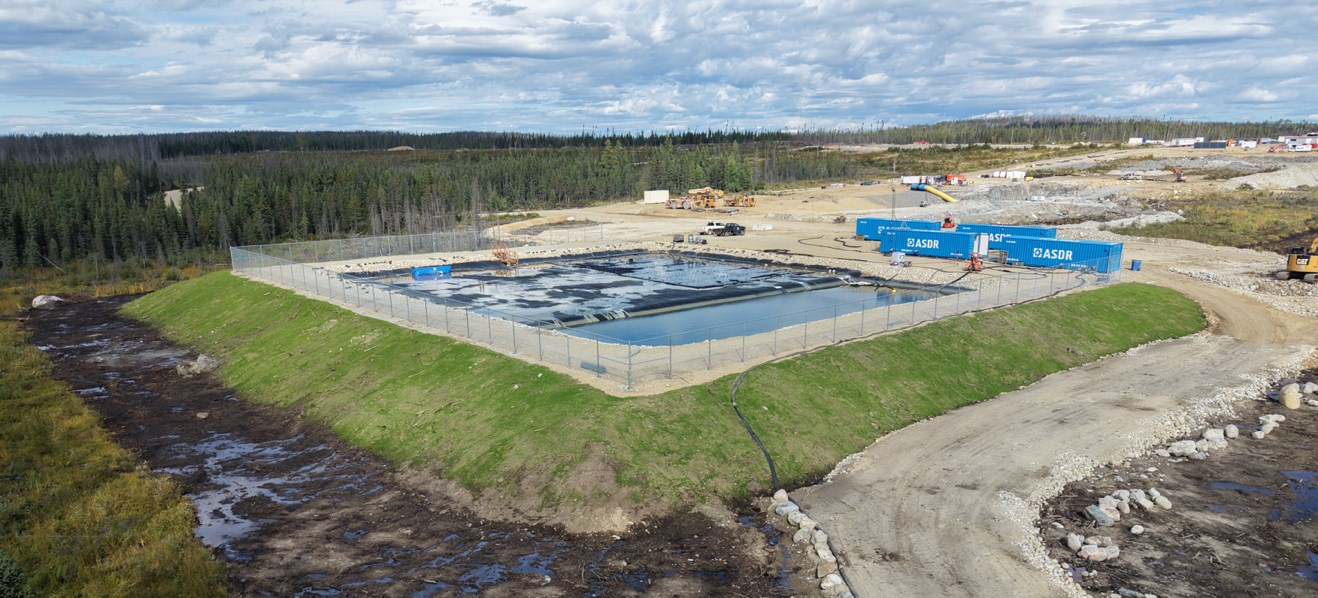
Three wells are connected to the pilot pad roughly 5km from the Carpentaria gas plant, with the plant construction and flowline now largely complete. Underwood confirmed the company is targeting first gas in the fourth quarter of 2026 - later than the 2025 timeline the company had previously flagged, reflecting the practical realities of construction and commissioning rather than any change in resource or contract position.
"The Beetaloo Basin is the largest undeveloped gas deposit in the world outside of the Middle East and Russia. It's enough gas to power Australia for 200 years."
Underwood frames the scale of the opportunity even as the company focuses on proving commerciality one well at a time.
Resource Scale & Well Economics
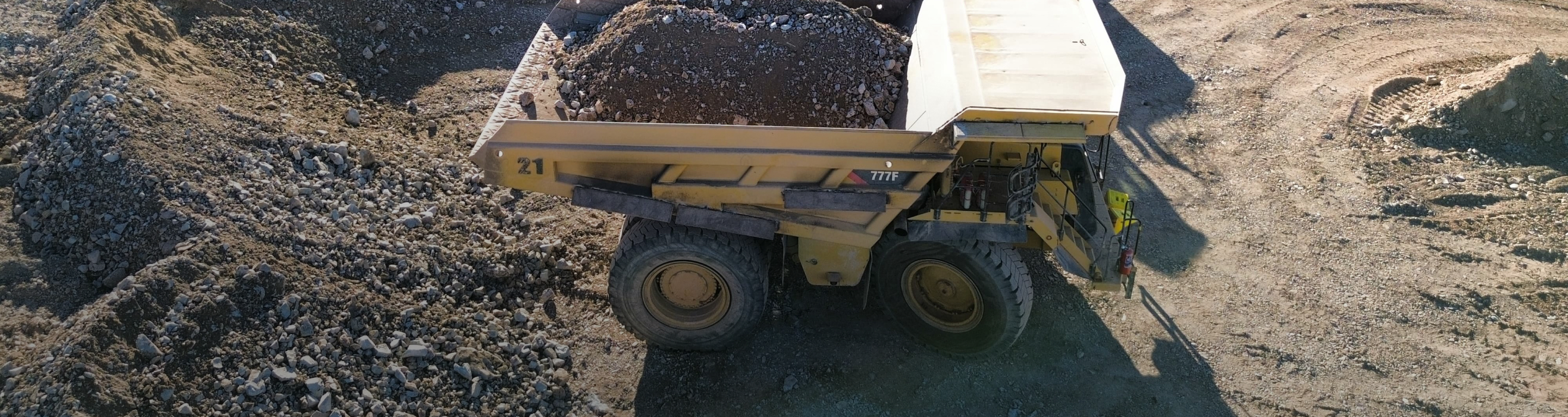
Underwood was candid about the cost side of the ledger. The company's most recent well cost north of A$50 million to drill and hydraulically fracture - a high figure by US shale standards, driven largely by the cost of transporting equipment and materials across Australia. Sand alone accounted for A$6 million on the last well, of which A$5 million was trucking. Using a rule-of-thumb gas price of A$10-12 per gigajoule and an estimated 10 petajoules of recoverable gas per well, Underwood put gross revenue potential at around A$100 million per well over its life, generating modest but net-present-value-positive returns during the pilot phase.
The bigger opportunity, he said, lies in cost reduction as drilling and stimulation move to a year-round cadence - a pattern already seen in the Queensland coal seam gas industry, where current wells cost around 20% of the earliest ones. Beetaloo's own modelling suggests well costs could fall by at least half under year-round operations, at which point Underwood expects returns of 30-50% IRR (internal rate of return).
Funding Position
Beetaloo has backing from Macquarie Bank, including a midstream infrastructure facility funding the Carpentaria gas plant build, and raised approximately A$70 million in equity earlier this year. The company recently reported total available liquidity of around A$125 million, split roughly evenly between cash and undrawn facilities - which Underwood described as the strongest financial position in the company's history heading into first gas.
A binding 10-year gas sales agreement with the Northern Territory Government underpins near-term revenue, priced on a fixed basis with a CPI (consumer price index) escalator. Beetaloo expects to supply 10 terajoules per day (TJ/d) into the McArthur River mine pipeline this year, rising to a further 15 TJ/d next year once the Northern Territory Government funds a reversal of pipeline flow to serve the local market.
Interview with Alex Underwood, Managing Director, Beetaloo Energy
Halliburton MOU and the Beetaloo Digital Opportunity
The most significant new development is a non-binding MOU signed with Halliburton, focused on the power generation component of a proposed data centre project - Beetaloo Digital - on government-granted land at Weddell, near Darwin's industrial precinct. [Editor's note: land size stated as 85 hectares in the interview audio but 185 hectares per the company's press release - flagged below for verification.]
Underwood was explicit about Beetaloo's role in the venture:
"I am not looking to become a data center owner and operator. This is about creating a local market for our gas at scale and rapidly."
The company is assembling a consortium spanning gas supply, solar generation, pipeline construction and power generation, with Halliburton contributing expertise from its own behind-the-meter power generation work - including a recent tour of the Stargate data centre project in the US. Underwood noted a rule of thumb of around 200 TJ/d of gas required per gigawatt of installed data centre capacity, translating to roughly $1 billion of EBITDA (earnings before interest, tax, depreciation and amortisation) a year per gigawatt for gas suppliers into that market. Beetaloo's role, he stressed, is confined to gas supply rather than data centre ownership or downstream power revenue.
Competitive Positioning
Beyond the AI opportunity, Underwood pointed to structural demand from Australia's east coast, where declining Bass Strait output and rising LNG (liquefied natural gas) export needs are expected to draw on Beetaloo Basin gas. Neighbour Santos has publicly flagged the Beetaloo as a meaningful contributor to its Gladstone LNG project by the early 2030s, while APA Group is reportedly planning a pipeline capable of moving 1,000 TJ/d or more east. Darwin itself already exports LNG equal to roughly 11% of Japan's gas needs, with expansion capacity at both existing terminals.
Underwood also addressed the renewables question directly, noting that hydrocarbons have held steady at around 91% of Australia's total primary energy mix over the past 20 years despite the renewables build-out - underscoring, in his view, gas's durability as the backbone of the system.
The Investment Thesis for Beetaloo Energy
- Beetaloo is weeks from first gas at Carpentaria, a binary de-risking event after years of appraisal-stage development.
- A binding 10-year gas sales agreement with the NT Government provides contracted, CPI-linked revenue visibility from first production.
- Total liquidity of ~A$125 million, split between cash and undrawn facilities, funds the company through to first gas without further near-term dilution flagged.
- Well costs (>A$50 million per well) are high relative to US shale comparables; execution on the year-round drilling cadence needed to halve costs is a key catalyst to monitor.
- The Halliburton MOU and Beetaloo Digital data centre proposal add a second, largely unpriced demand driver, though it remains non-binding and subject to consortium formation, financing and regulatory approval.
- East coast gas demand (Santos/Gladstone LNG, APA pipeline plans) offers a longer-dated market beyond the NT, contingent on third-party infrastructure investment Beetaloo itself won't fund.
- First-gas timing has slipped from a previously flagged 2025 target to Q4 2026 - worth tracking against the company's next quarterly update for further schedule risk.
Macro Thematic Analysis
The Beetaloo story now sits at the intersection of two macro themes reshaping global energy demand: a structural east-coast Australian gas shortfall, and the rapidly escalating power requirements of AI infrastructure. Underwood described the shift succinctly:
"The constraining factor on the buildout of AI and data centers was chip manufactur[ing] and it very quickly flipped over where now the constraining factor is power."
That dynamic, already visible in the US through behind-the-meter projects and reopened nuclear capacity, has arrived in Australia, where the federal government now expects large data centres to source their own power rather than draw on a constrained grid. For gas developers with the resource base and location to supply that demand, the AI buildout represents a potential second market layered on top of traditional domestic and LNG export demand - though, as with any consortium-dependent proposal, the economics remain conceptual until financing and offtake are locked down.
TL;DR:
Beetaloo Energy Australia (ASX:BTL), formerly Empire Energy, is targeting first gas from its Carpentaria pilot in Q4 2026, backed by a binding 10-year gas sales agreement with the Northern Territory Government and roughly A$125 million in available liquidity. Managing Director Alex Underwood detailed well economics (>A$50 million per well, targeting a 50% cost reduction under year-round drilling) and confirmed a non-binding MOU with Halliburton to help power a proposed AI data centre, Beetaloo Digital, near Darwin. Beetaloo's role is limited to gas supply, not data centre ownership. Longer-dated demand from east coast LNG and domestic shortfalls adds further upside, contingent on third-party pipeline investment.
FAQ (AI-generated)
Analyst's Notes





Subscribe to Our Channel

Stay Informed


