




Luca Mining's Acquisition Deals and Major Exploration Set Up Next Phase of Polymetallic Growth


Luca Mining's proposed US$385M Cozamin copper mine deal with Capstone adds cash flow, with a larger drill budget aimed at extending mine life past 2030.
- Luca Mining has signed a definitive agreement to acquire Capstone Copper's Cozamin underground copper mine in Zacatecas for up to US$385 million, with closing expected in Q4 2026 subject to regulatory approval.
- The CEO values the upfront price at roughly two times cash flow, with Cozamin estimated to generate US$140-150 million a year in mine-site free cash flow at current prices.
- Luca plans to lift exploration spending at Cozamin to US$7-10 million a year to extend a reserve base that currently runs to around 2030.
- Cozamin cash flow is earmarked to fund the acquisition of El Barqueño gold project, where land-use issues in Jalisco imply 12-18 months of legal work before drilling resumes.
- A US$300 million financing package brings pro forma debt to about US$126 million and requires copper hedging from 2027 to 2029.
Junior producers rarely get the chance to buy a well-capitalised copper mine from a larger rival. Luca Mining Corp. (TSXV:LUCA, OTCQX:LUCMF) has signed a definitive agreement to do exactly that. The company has agreed to acquire 100% of the Cozamin underground copper mine in Zacatecas State, Mexico, from Capstone Copper Corp. (TSX:CS). The transaction is expected to close in Q4 2026, subject to approval from Mexico's Federal Antitrust Commission and the TSX Venture Exchange (TSXV). Until then, it remains a pending deal.
Speaking at an investor conference shortly after the announcement, CEO Dan Barnholden described Luca as a multi-mine polymetallic producer of gold, silver, copper, zinc and lead. On completion, Cozamin would join the Campo Morado and Tahuehueto mines as Luca's third operating asset. The recently announced El Barqueño development project in Jalisco would bring the portfolio to four.
Luca Financing Structure
Luca will pay Capstone up to US$385 million. Of that, US$290 million is due upfront, made up of US$275 million in cash and US$15 million in Luca shares. A further US$35 million is payable 12 months after closing, in cash or shares at Luca's election. The remaining US$60 million is contingent on copper prices. Capstone receives US$10 million a year if the average London Metal Exchange (LME) copper price is at least US$7.00/lb, rising to US$15 million at US$7.76/lb and US$20 million at US$8.51/lb. These payments apply to each of 2027, 2028 and 2029.
Barnholden framed the upfront price as roughly two times cash flow. He said the mine had become non-core for Capstone as it directs capital towards its larger copper operations in the United States and Chile.
Funding comes from a US$300 million package. It includes US$125 million of term debt from Taurus and Macquarie. National Bank of Canada Capital Markets is leading a C$155 million (approximately US$110 million) bought deal of subscription receipts at C$1.00. A concurrent C$56 million (approximately US$40 million) private placement goes to Wheaton Precious Metals (TSX:WPM, NYSE:WPM) and Taurus. Wheaton is also providing a US$25 million silver stream, and Trafigura has committed to an equity backstop.
Barnholden said these partners helped Luca win the Scotiabank-run sale process by giving Capstone confidence it would be paid at closing.
Why Cozamin Fits the Luca Model
Cozamin is not a turnaround story. Capstone recapitalised the operation from 2020 using proceeds from a US$150 million Wheaton streaming deal. That capital funded new infrastructure, including a paste backfill plant and a dry-stack tailings facility. Barnholden said the Luca team was struck by how efficiently the mine runs. The mill is built for 4,400 tonnes per day and currently processes about 3,700 tonnes per day. That leaves room for modest throughput gains, but he was clear that optimisation is not the core thesis.
Cozamin produced 25.3 kt of copper in 2025 at C1 cash costs of US$1.32/lb. The mine sits roughly five kilometres from the city of Zacatecas. Barnholden said this proximity helps keep staff turnover low. No major capital projects are planned, and spending should be limited to sustaining capital.
The deal is also designed to be immediately accretive. Barnholden said the economic effective date is 31 October 2026, so cash flow accrues to Luca from 1 November even if closing slips towards year-end. He added that the asset should come with US$20-30 million of cash at closing.
"That's the beauty of acquiring operating mines... the very first day the deal closes, you're making money."
Exploration as the Main Value Lever
Luca's stated strategy is to optimise, explore and expand. At Cozamin, the emphasis shifts almost entirely to exploration. Capstone spent around US$2-3 million a year on exploration at the mine in recent years as it focused capital elsewhere. Luca plans to lift that to US$7-10 million. For context, Barnholden said Luca spends about US$4 million a year at each of its smaller existing operations.
The purchase price reflects only the current reserve base, which supports operations to around 2030. Barnholden argued that the mine has a long record of replacing what it depletes. He said he would be surprised if the larger budget failed to add another five years of mine life, and suggested Cozamin could potentially operate for another two decades. The historical reserve, dated 31 December 2025, stands at 6.7 million tonnes grading 1.40% copper and 42.2 g/T silver.
Wheaton has a direct interest in this outcome. Barnholden noted that half of Cozamin's silver is already streamed to Wheaton, so extending mine life also extends the value of that stream. He said this alignment was part of why Wheaton invested equity alongside its new silver facility.
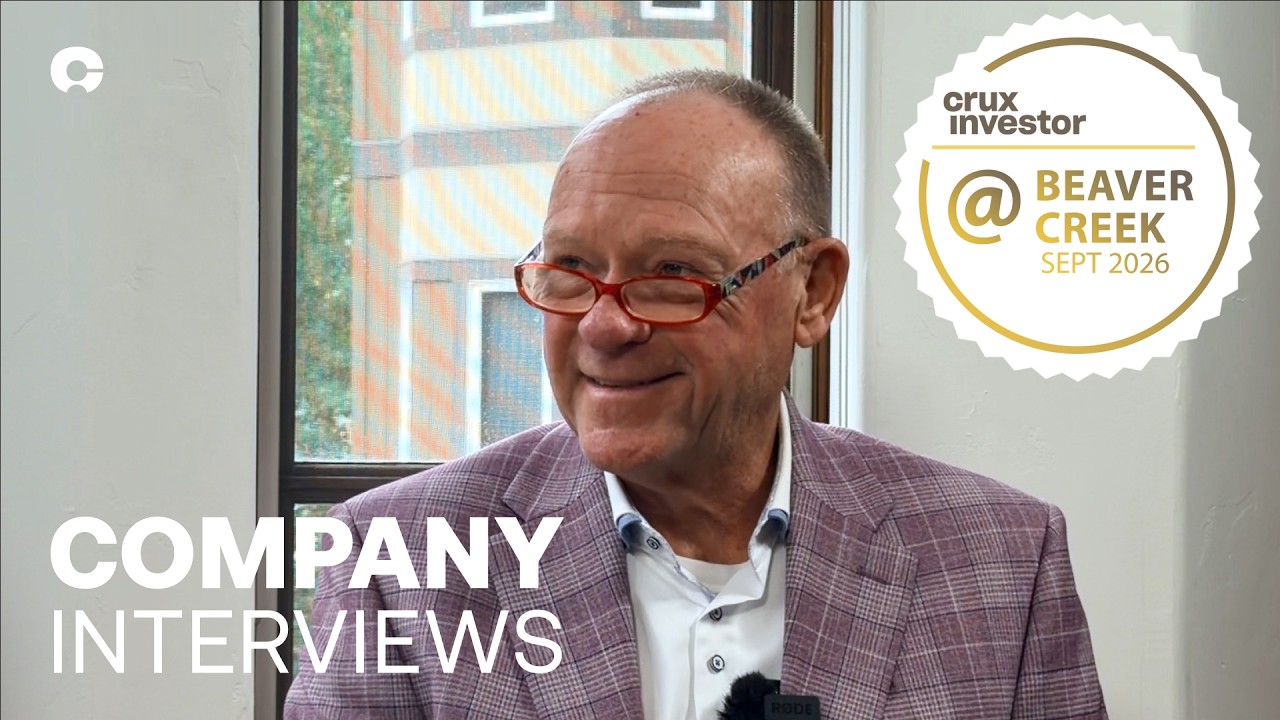
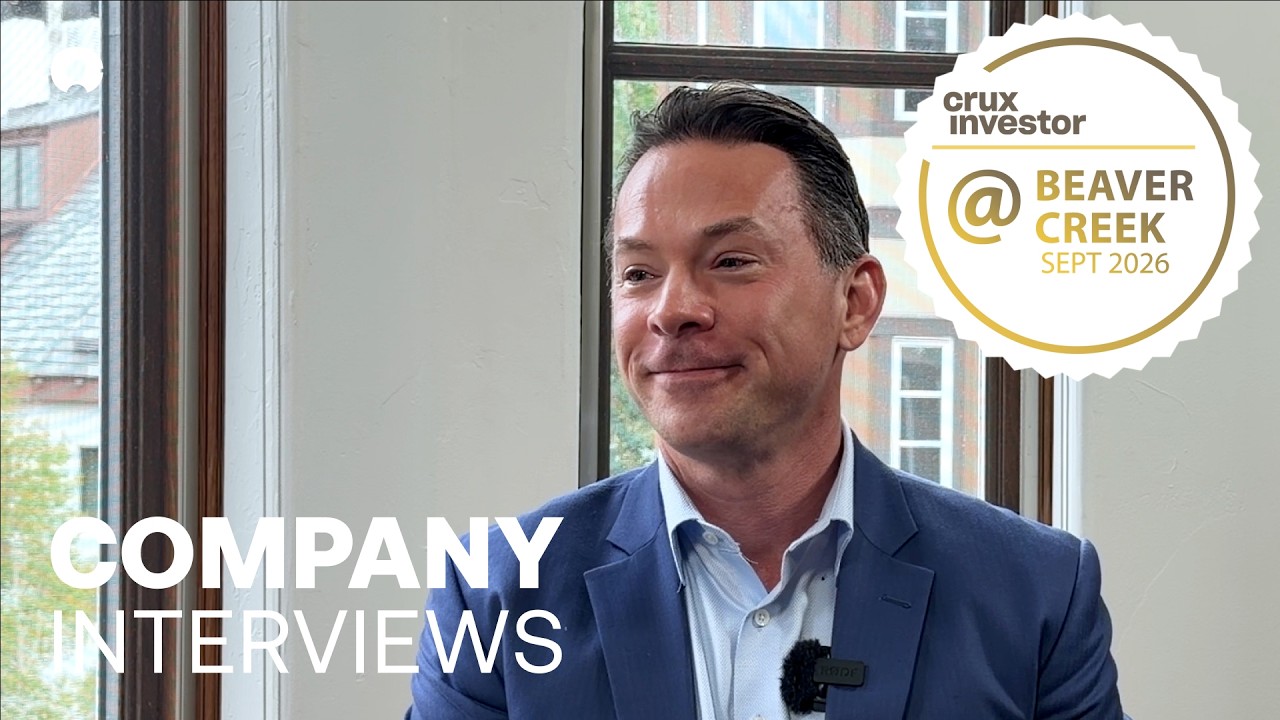
Interview with Dan Barnholden, CEO, Luca Mining
Cash Flow & Balance Sheet Implications
Barnholden estimated that Cozamin generates about US$140-150 million a year in mine-site free cash flow at current commodity prices, after sustaining capital. Luca's presentation, based on Visible Alpha estimates, shows unlevered free cash flow of US$133 million in 2026 and US$139 million in 2027.
That cash will fund Cozamin exploration, further investment at Campo Morado and Tahuehueto, and development of El Barqueño.
The trade-off is leverage. Luca carried minimal debt before the deal, but its presentation shows pro forma debt of about US$126 million. The new facility also requires Luca to hedge 25% of Cozamin's copper output for 2027 to 2029. Repayments amortise quarterly from six months after financial close, so cash generation will need to hold up.
On valuation, Barnholden said Luca trades at around C$1.00 per share and expects operating cash flow of about 42 cents per share next year. He said this implies a multiple of less than three times cash flow, which he expects to correct as the market digests the two acquisitions.
El Barqueño & the Development Pipeline
Cozamin was announced alongside a second deal. Luca has agreed to acquire the El Barqueño gold project in Jalisco from Agnico Eagle Mines (TSX:AEM, NYSE:AEM). Agnico bought the project in 2014 and drilled roughly 225,000 metres over the following decade, spending around US$75 million on exploration. It did not deliver the large open-pit mine Agnico had hoped for.
Luca has re-engineered El Barqueño as an underground mine. Barnholden sees potential for a producer of 50,000-75,000 ounces of gold equivalent (AuEq) a year. The project hosts roughly one million ounces across resource categories, at grades above 1.5 g/T gold plus silver and base metals. He intends to fund construction from Cozamin cash flow.
Permitting is the gating item. Jalisco has changed land-use designations in the project area. Barnholden rejected the description of a land dispute, but said legal work will be needed. He estimated 12-18 months before Luca is back on site drilling. After a year or two of drilling, the company plans to move directly into development.
Near-Term Catalysts at Existing Operations
Optimisation continues at the existing mines. At Tahuehueto in Durango, Luca is moving from cut-and-fill to longhole mining, which Barnholden said should reduce costs and improve efficiency. Exploration spending at Tahuehueto runs at about US$3.5-4 million.
Barnholden flagged new technical reports as a catalyst. Updated mineral resource estimates and mine plans are expected by year-end, replacing reports he described as somewhat out of date. Group exploration spending next year is expected to reach about US$15 million.
On further M&A, Barnholden said the board is metals-agnostic and would consider gold or silver opportunities that raise asset quality. The company will remain focused on Mexico, where it now has assets in Jalisco, Zacatecas, Guerrero and Durango. Growth in cash flow per share is the guiding metric.
The Investment Thesis for Luca Mining
- Luca's proposed acquisition of Cozamin would add an established, recently recapitalised copper mine at a price management describes as roughly two times cash flow.
- The economic effective date of 31 October 2026 means cash flow accrues to Luca before closing, which should make the deal immediately accretive if it completes.
- Cozamin was built with an eight-year mine life around 20 years ago, and that reserve-replacement record underpins management's case that a larger drilling budget can extend operations well beyond 2030.
- Pro forma debt of about US$126 million and mandatory copper hedging introduce balance sheet risk that Luca did not carry before the deal.
- El Barqueño gives Luca a development asset it can fund internally, but the project's timeline depends on resolving Jalisco's land-use changes.
- Investors should monitor completion of the Cozamin acquisition in Q4 2026, including Mexican antitrust and TSXV approvals.
- Updated technical reports at the existing mines, expected by year-end, are a near-term re-rating catalyst to watch.
Macro Thematic Analysis
Copper's structural story centres on demand from electrification, grid investment and data-centre construction, set against a thin pipeline of new mines. Large producers are responding by concentrating capital on their largest projects. Capstone's decision to sell Cozamin fits that pattern. Mid-sized underground mines become non-core to bigger producers, creating openings for smaller companies with lower hurdle rates and regional expertise.
Mexico remains a significant copper and silver jurisdiction with a long history of vein-style underground mining. Barnholden's argument is that operating knowledge, community relations and political relationships in-country form a competitive advantage. With assets in four Mexican states, Luca is betting that local depth outweighs any jurisdictional perception risk.
Exploration underspend is another industry-wide theme. Many operating mines have run for years with drilling budgets limited to short-term reserve replacement. Barnholden noted that Luca's operations saw no exploration spending between 2014 and 2024, seeing the renewed drilling most capital-efficient source of growth.
"Look, I mean first of all, exploration's really the lifeblood of this business. You're replacing depletion, growing new ore bodies, extending mine life."
The acquisition will change Luca's commodity exposure. Luca's copper accounting for about 45% of pro forma 2027 revenue, alongside gold, silver and zinc. Barnholden described a truly balanced base and precious metals producer as uncommon in the market. That mix could appeal to investors seeking copper leverage without giving up precious metals exposure.
TL;DR
Luca Mining has agreed to buy Capstone Copper's Cozamin underground copper mine in Zacatecas, Mexico, for up to US$385 million, with US$290 million upfront and closing expected in Q4 2026 subject to antitrust and TSXV approval. CEO Dan Barnholden says the price equals roughly two times cash flow for a well-capitalised mine generating an estimated US$140-150 million a year in mine-site free cash flow. Reserves run to around 2030, and Luca plans to lift exploration spending to US$7-10 million a year to extend mine life. The deal adds about US$126 million of pro forma debt. Cozamin cash flow is also earmarked to fund the newly announced El Barqueño gold project in Jalisco.
FAQ (AI-generated)
Analyst's Notes





Subscribe to Our Channel


Stay Informed


