




Heliostar Metals' Production Growth Plan and Cash Flow to Ana Paula Build Decision


Heliostar Metals (TSXV:HSTR) plans to fund $150M of its Ana Paula gold mine build from cash flow as the feasibility study reaches 34% ahead of a 2027 decision.
- Heliostar Metals plans to fund around $150 million of Ana Paula's construction from La Colorada and San Agustin cash flow over roughly two years, net of overheads and exploration.
- The Ana Paula feasibility study is 34% complete and due in Q2 2027, with a construction decision expected around mid-2027 and first gold targeted before the end of 2028.
- Study optimisations include 2,000 tonnes per day throughput, equipment sized for 2,500 tonnes per day and a twin-decline conveyor design, while capital is expected to rise to about $330 million.
- VP Stephen Soock argues the company trades at about 0.2 times P/NAV and two times estimated 2029 cash flow, against junior producer ranges of 0.4 to 0.8 times and six to eight times.
- Near-term catalysts include BIOX test results, the Ana Paula permit submission, long-lead equipment orders in Q4 2026 and pending Goldstrike antimony drill results.
Gold developers rarely build a mine without first returning to the equity market. Heliostar Metals (TSXV:HSTR, OTCQX:HSTXF) is attempting to do exactly that. Stephen Soock, Vice President Investor Relations & Development, explained how cash flow from the company's two producing Mexican mines is intended to fund around $150 million of its Ana Paula build. The company is targeting 300,000 ounces of annual gold production by the end of the decade without equity dilution. With gold prices well above the levels used in its own technical studies, the question for investors is whether a small producer can manage several transitions at once. Soock answers rests on sequencing as the producing mines fund Ana Paula, and Ana Paula is expected to fund Cerro del Gallo.
Producing Mines Carry the Funding Load
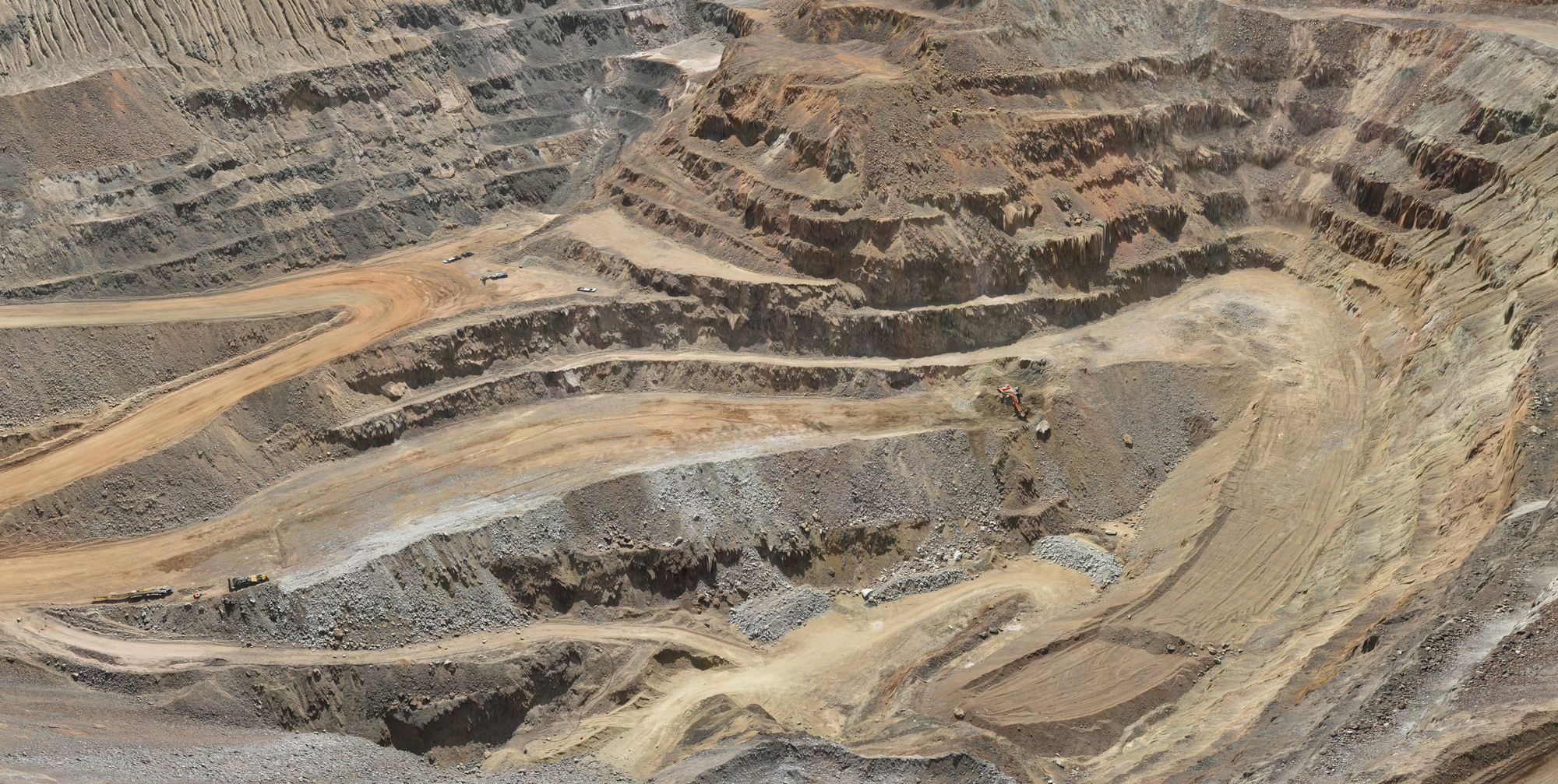
Heliostar produced 14,803 ounces of gold in Q2 2026 across La Colorada in Sonora and San Agustin in Durango. Year-to-date all-in sustaining costs (AISC) were $2,155 per ounce. At La Colorada, the company finished mining its stockpile material in March and has moved to injection leaching, which re-leaches a heap leach pad stacked intermittently since the 1990s. Soock said the technique is producing about 1,000 ounces a month. That output bridges the gap while waste stripping advances on the Veta Madre pit cutback, now called Veta Madre Plus.
The company is confident it can add about 20,000 ounces beyond the roughly 50,000 ounces already in reserve at Veta Madre, although no new technical report has yet been issued. Stripping is expected to run to around Q2 2027, followed by nine to 12 months of production from fresh ore.
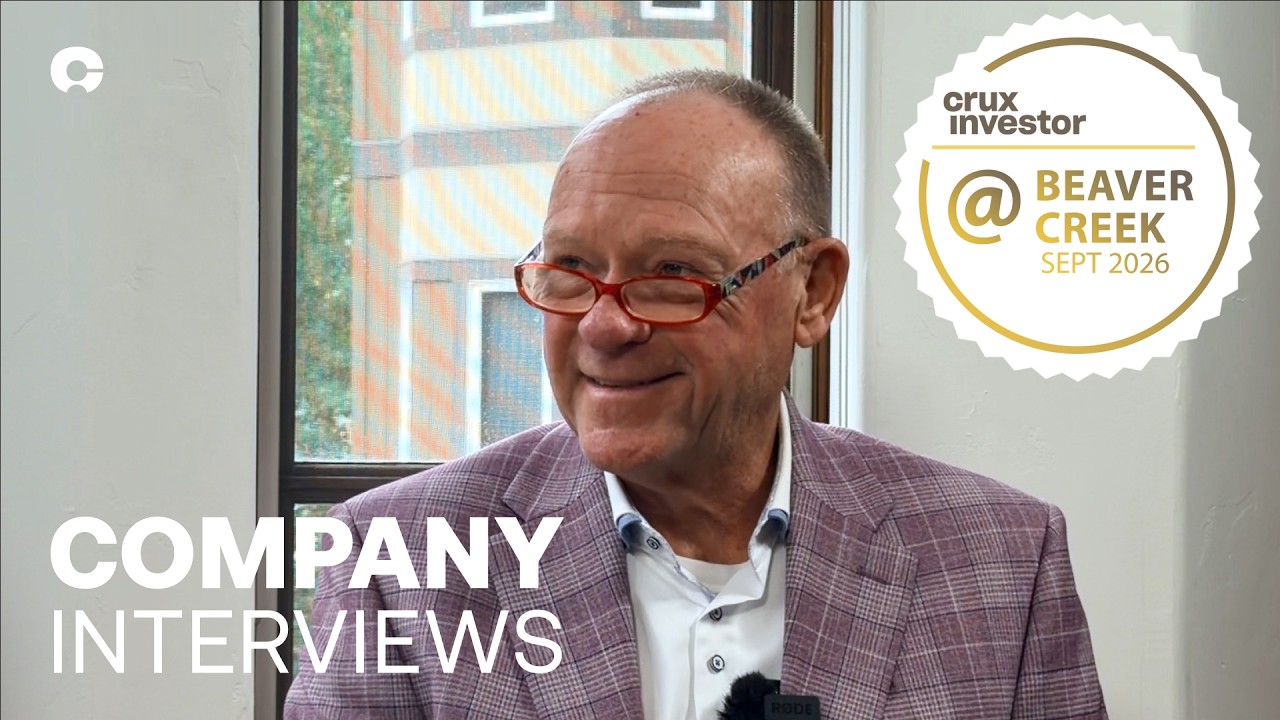
Interview with Stephen Soock, VP Investor Relations & Development of Heliostar Metals
Ana Paula Feasibility Study Reaches 34%
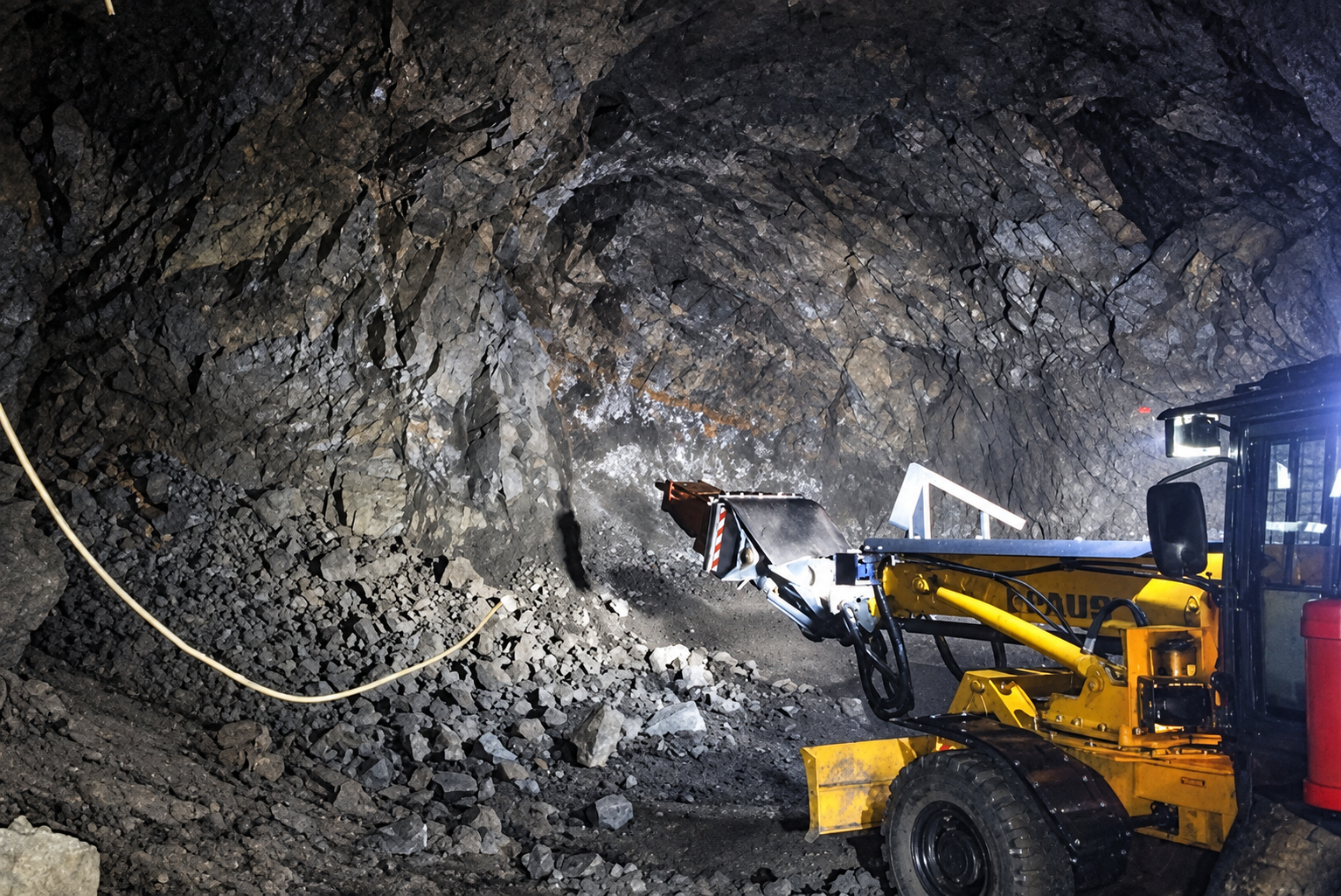
Ana Paula, a high-grade underground project in Guerrero, is the centrepiece. Heliostar's update showed the feasibility study 34% complete and on track for Q2 2027. Around 25,000 metres of drilling, mostly infilling inferred material from the November 2025 preliminary economic assessment (PEA), is converting well, according to Soock. The company is targeting 100,000 ounces a year over a 10-year mine life. Base-case throughput rises from 1,800 to 2,000 tonnes per day, with key equipment sized for 2,500 tonnes per day to keep output steady as grades ease later in the mine life. A twin-decline design with an underground crusher and conveyor would remove haul trucks and a ventilation raise. Lower operating costs may support a lower cut-off grade based on net smelter return (NSR). Variability testing continues to support bio-oxidation (BIOX), a process Soock said is well known globally but not yet used in North America.
Capital Costs, Gold Price Assumptions and Timing
The PEA outlined initial capital of $300 million. Soock said there is no updated estimate yet, but the company expects a figure in the region of $330 million after inflation and items not captured at PEA stage. The PEA used a gold price of $2,400 per ounce. Heliostar bases its study price on a three-year trailing average, which Soock expects to be close to $3,500 per ounce when the feasibility study is published. Market appetite to fund the company has not shortened the technical schedule.
"We've had a few bought deals dangled in front of our face and we said, well, that's great, but there's nothing more we can do with the money," Soock said.
A construction decision is expected around June or July 2027. Meanwhile, Heliostar has budgeted just under $15 million from 2026 cash flow for deposits on long-lead items, namely the electrical transformer equipment and the ball mill.
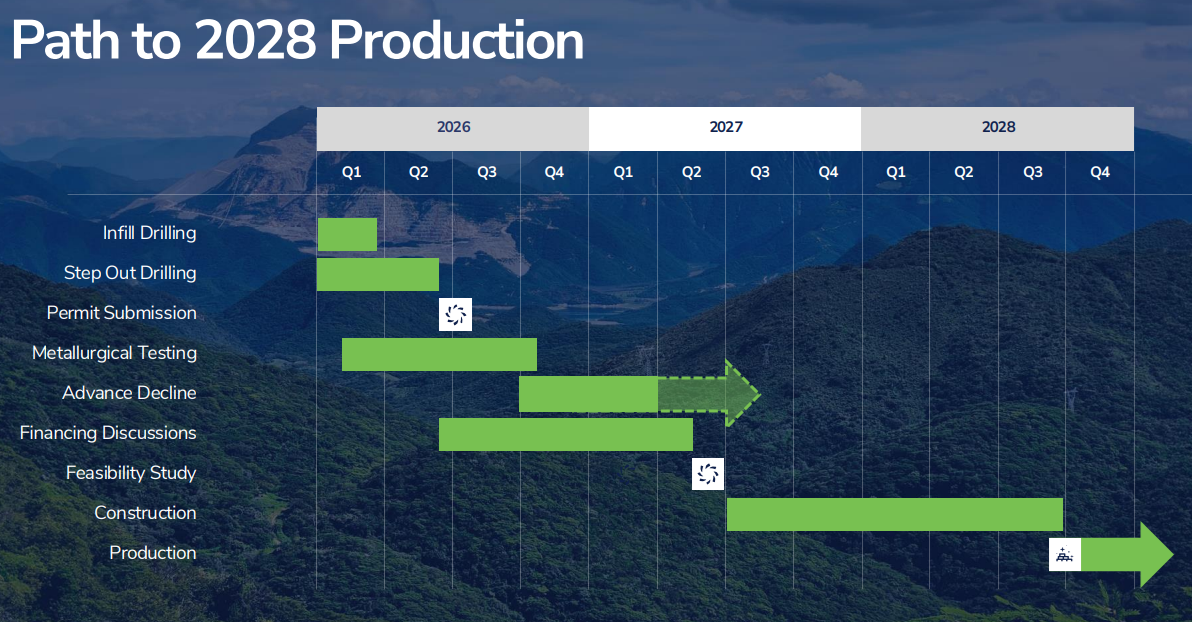
Soock clarified that the $150 million is the amount Heliostar intends to allocate specifically to Ana Paula construction over roughly the next two years. It is net of general and administrative costs, other growth initiatives and exploration across the portfolio. Because the company is spending as it earns, cash is expected to remain steady at around US$43 million through year-end, in line with the June 30 position. The company's September release states that new project debt is intended to cover the balance of construction costs, with Hannam & Partners advising on non-dilutive options during Q4 2026. Heliostar reported no debt at June 30, 2026.
Cerro del Gallo, Exploration & Goldstrike
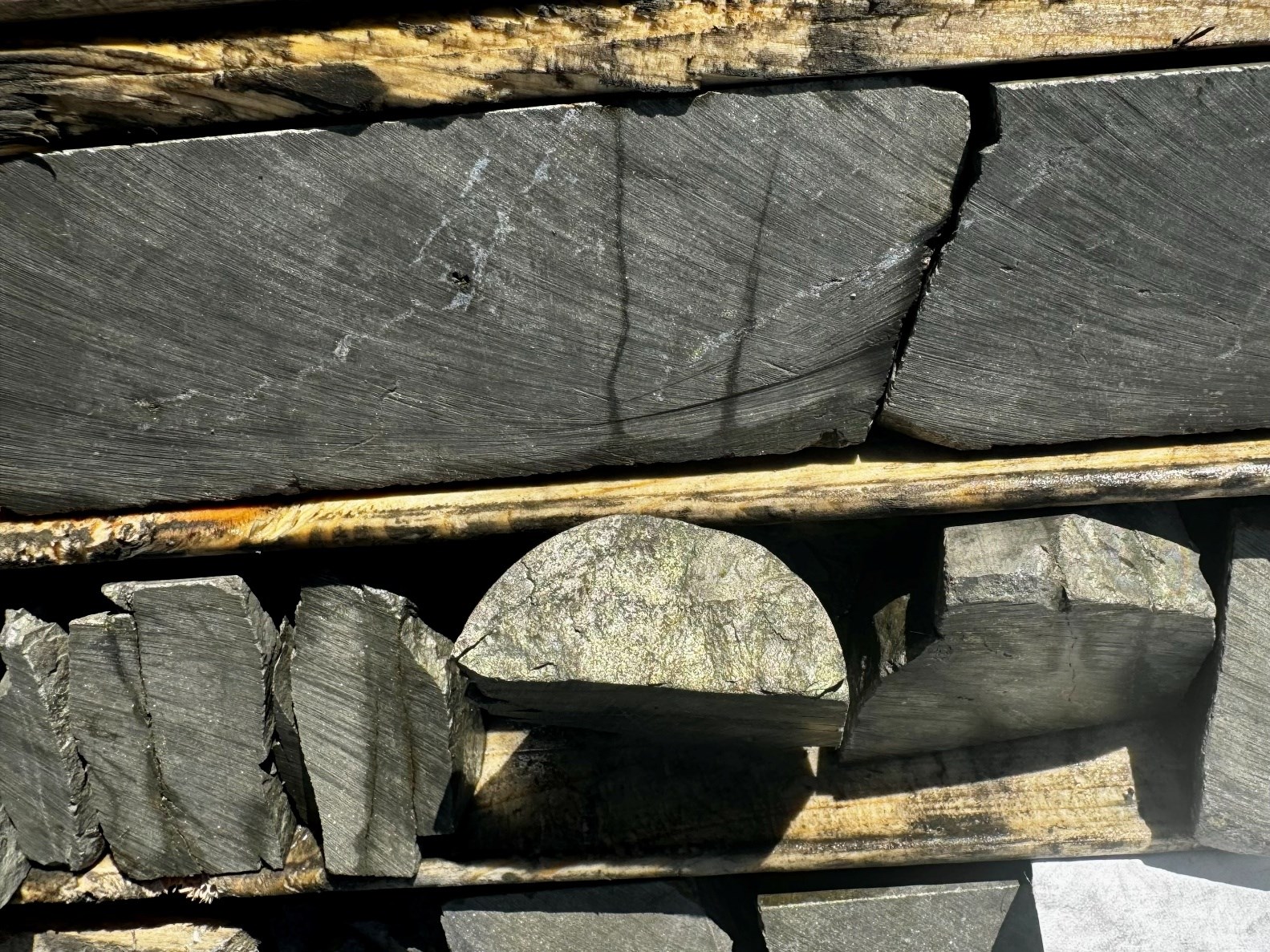
Cerro del Gallo in Guanajuato is the third leg of the 300,000-ounce target. The December 2025 pre-feasibility study (PFS) outlines about 85,000 ounces a year over 15 years, and Soock said production could start just before the end of 2030. He believes sulphides could lift the roughly 5 million gold-equivalent ounce resource to 8 to 10 million ounces, and an updated PFS, likely in 2027, may show closer to 130,000 ounces a year. At La Colorada, Heliostar is starting to drill regional targets on a land package with around 15 historical holes. At Ana Paula, down-dip drilling outside the feasibility study returned 101.0 metres at 5.34 g/t gold. At Goldstrike in Utah, antimony channel sampling returned multi-percent grades. Results from just under 3,000 metres of first-ever drilling in that area are pending. Soock described antimony as an optional card that could support US government discussions or be monetised separately.
The Valuation Debate
Challenged on valuation after the share price rise since early 2025, Soock argued the company still trades at about 0.2 times spot price to net asset value (P/NAV) on analyst estimates, compared with roughly 0.4 to 0.8 times for junior producers around 100,000 ounces a year.
"If you look at a 250,000 ounce a year producer with a sub 2000 [AISC], that's a 3 to 5 billion company. We're 650 million market cap right now," he said.
Soock also set out rough maths on Ana Paula alone. Using the PEA's AISC of just over $1,000 per ounce and a $3,000 margin on 100,000 ounces a year, he estimated about $200 million of after-tax cash flow. On that basis, he said the company trades at about two times 2029 cash flow, against six to eight times for the junior producer average. He acknowledged the mine still has to be built. The presentation lists market capitalisation at C$642 million as of 4 September 2026.
The Investment Thesis of Heliostar Metals
- Heliostar plans to fund about $150 million of Ana Paula's construction from operating cash flow over roughly two years, net of overheads and exploration, which reduces reliance on equity markets.
- The Ana Paula feasibility study is 34% complete and scheduled for Q2 2027, with a construction decision expected around mid-2027 and first gold targeted before the end of 2028.
- Optimisations including higher throughput, a twin-decline conveyor design and an NSR-based cut-off could improve economics, although initial capital is expected to rise from $300 million to around $330 million.
- Management contends the company trades at about 0.2 times P/NAV and around two times estimated 2029 cash flow, compared with junior producer ranges of 0.4 to 0.8 times and six to eight times respectively.
- Near-term cash generation depends on injection leaching and the Veta Madre Plus cutback at La Colorada, and the additional Veta Madre Plus ounces are not yet supported by a technical report.
- Investors should monitor the BIOX test results, the Ana Paula environmental permit submission, Q4 2026 long-lead equipment orders and the pending Goldstrike antimony drill results.
- Key risks include the sensitivity of the self-funding plan to the gold price, permitting timelines in Mexico and execution across several concurrent project transitions.
Macro Thematic Analysis
Heliostar sits within a wider shift in how gold developers fund growth. With gold well above the $2,400 per ounce used in the Ana Paula PEA, cash flow from small heap leach mines has become a meaningful source of development capital. Traditionally, construction equity arrives through discounted placements.
"You kind of get this step-wise growth with no equity dilution compared to your standard developer which, you know, you're valued on future cash flows but there's always an equity dilution assumption or the risk of not being taken out if that's your game plan."
The approach cuts both ways. Removing the dilution assumption supports Soock's case that Heliostar is still priced like a developer. It also concentrates risk on operating delivery. Short-life heap leach assets and a BIOX circuit not yet used in North America all need to perform on schedule. A sustained fall in the gold price would shrink the funding pool. Mexico adds permitting scrutiny, although the company states that Ana Paula's underground design cuts planned surface disturbance by around 65% versus the earlier open pit permit. In the presentation, CEO Charles Funk describes the 100,000 to 250,000 ounce-per-year segment as one the majors have largely abandoned. A producer reaching that scale without heavy dilution could command a different valuation multiple from its developer peers.
TL;DR
Heliostar Metals (TSXV:HSTR) is using cash flow from its La Colorada and San Agustin mines in Mexico to fund around $150 million of its Ana Paula underground gold project over roughly two years, with project debt covering the balance. The feasibility study is 34% complete and due in Q2 2027, with a construction decision expected around mid-2027 and first gold targeted before the end of 2028. Optimisations include 2,000 tonnes per day throughput and a twin-decline conveyor design, while capital is expected to rise to about $330 million. VP Stephen Soock argues the company trades at about 0.2 times P/NAV versus 0.4 to 0.8 times for junior producers.
FAQ (AI-Generated)
Analyst's Notes





Subscribe to Our Channel



Stay Informed






















