




Capitan Silver Ramps to Four Rigs in 60,000-Meter Campaign to Prove Major Silver System Scale


.webp)
Capitan Silver ramps 60K-meter program at Cruz de Plata to prove 21km+ high-grade silver system scale. Mine-builder team, institutional backing, Mexico jurisdiction.
- Capitan Silver emerged from dormancy after securing financing from Jupiter Gold and Silver Fund at a 30% premium, enabling aggressive exploration of the Cruz de Plata project in Durango, Mexico
- Acquisition of surrounding land from Fresnillo expanded the project from a silver vein to a complete mineral system, tripling high-grade silver structure targets from 7km to over 21km cumulative strike length
- Deployed cost-efficient reverse circulation drilling to maximise drill holes and data points, demonstrating continuity and discovering new high-grade zones while maintaining capital discipline
- Launched 60,000-meter drill program with plans to ramp from one to four rigs, transitioning from shallow high-resolution drilling to deeper holes testing system scale and depth potential
- Management team previously built and operated three mines at Argonaut Gold in the same region, bringing construction and operational expertise to an exploration-stage company
Capitan Silver Corp is pursuing an ambitious exploration program at its Cruz de Plata project in Durango, Mexico, following a strategic repositioning in 2025 that attracted institutional investment and consolidated a mineral system with significant scale potential. CEO Alberto Orozco outlined the company's evolution from a dormant junior to an active explorer with backing from Jupiter Gold and Silver Fund, a tight share structure, and a technical team with mine-building experience in the region. The 2026 program aims to demonstrate the scale of what management describes as a rare, high-grade silver deposit in one of Mexico's most prolific mining districts.
The 2025 Foundation: Capital and Consolidation
Capitan Silver's transformation began with a deliberate decision to wait for favorable market conditions before advancing exploration. The company remained relatively inactive until securing the right financing partner, ultimately attracting Jupiter Gold and Silver Fund, which led a financing round at a 30% premium to market - an uncommon achievement for junior mining companies. This capital injection enabled the company to restart drilling operations and begin generating results.
The second critical catalyst was the acquisition of land surrounding the company's existing mineral tenure from Fresnillo. This consolidation proved transformative for the geological understanding of the project. What initially appeared to be a silver vein evolved into a silver trend, and ultimately into what management now characterises as a complete mineral system. Orozco explained:
"What changed from that point to what we got with the land consolidation is that it evolved to become a full mineral system... basically on the silver front, tripling our targets from seven kilometers cumulative of high-grade silver structures to over 21."
The expanded land position allowed the technical team to understand the geological controls governing both silver and gold mineralisation across the property. The company now sees consistent surface expressions of mineralisation around an intrusive body, supported by early-stage geophysical data showing continuity over multiple kilometers of strike length.
Strategic Drilling Approach: High-Resolution Data on Limited Capital
Rather than pursuing expensive deep drilling immediately, Capitan Silver adopted what Orozco describes as a "very strategic" approach to maximise value from available capital. The company focused on shallow reverse circulation (RC) drilling on an outcropping system, which provided several advantages: more total drill holes from the same budget, faster turnaround times, and higher resolution data across the target area.
This methodology allowed the company to identify continuity along strike, discover new high-grade zones, and build a detailed understanding of zonation patterns within the mineralised system. The approach also generated numerous data points that inform future targeting decisions. Orozco noted that drilling deeper holes with the same budget would have yielded "very few shots" and produced "low resolution" results, whereas the shallow drilling program provided comprehensive coverage and geological understanding.
The company's exploration philosophy incorporates industry benchmarks showing that discovering new high-grade zones during step-out drilling typically requires 20 to 30 holes when moving 100 to 200 meters beyond known mineralisation. By maximising drill holes, Capitan Silver increased its probability of making additional discoveries while maintaining capital efficiency.
The 2026 Program: Ramping to 60,000 Meters
With the shallow drilling phase delivering positive results and geological confidence, Capitan Silver announced a 60,000-meter drill program for 2026, representing a significant escalation in activity. The company is ramping operations from one RC rig operating on a 20-days-on, 10-days-off schedule to continuous operation, while adding multiple core rigs. At least two additional core rigs are expected on site within days to weeks, bringing the total to four rigs, with potential for further expansion.
The transition to core drilling reflects the next phase of the exploration strategy: testing depth extensions of known zones and evaluating new targets across the expanded property. The program aims to demonstrate the scale potential of the mineral system and move beyond the near-surface drilling that characterised the initial work. Orozco emphasised:
"I do think this is the year when we demonstrate the scale potential for this... silver deposits in the world are rare high-grade silver deposits... pure or high component silver deposits in the world are... hard to find - big ones even much less."
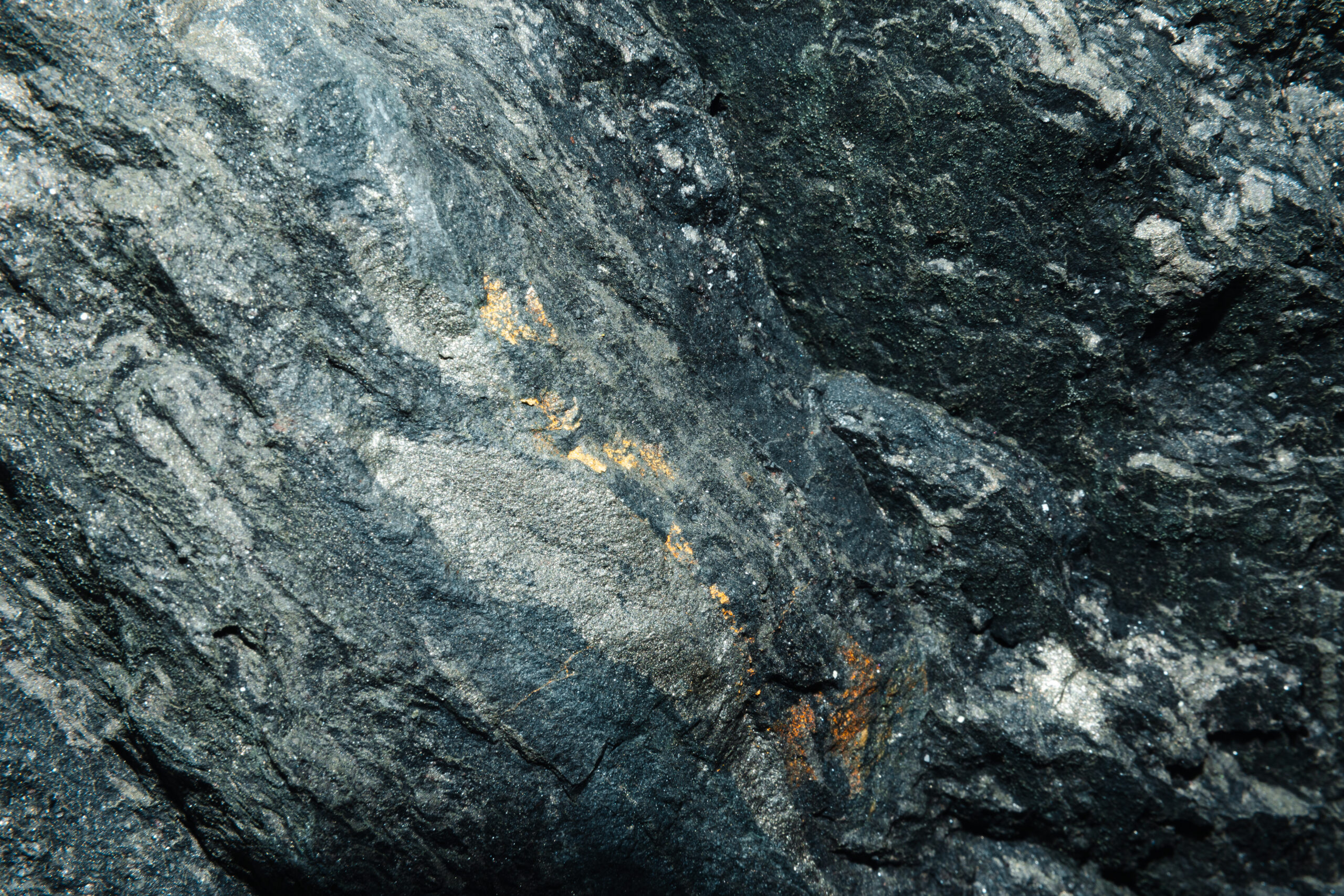
Field teams can identify mineralisation visually through sulfides, silicification, and breccias, allowing real-time decision-making without waiting for assay results. This operational capability, combined with an experienced technical team that has worked together for years, enables dynamic targeting adjustments as new information becomes available.
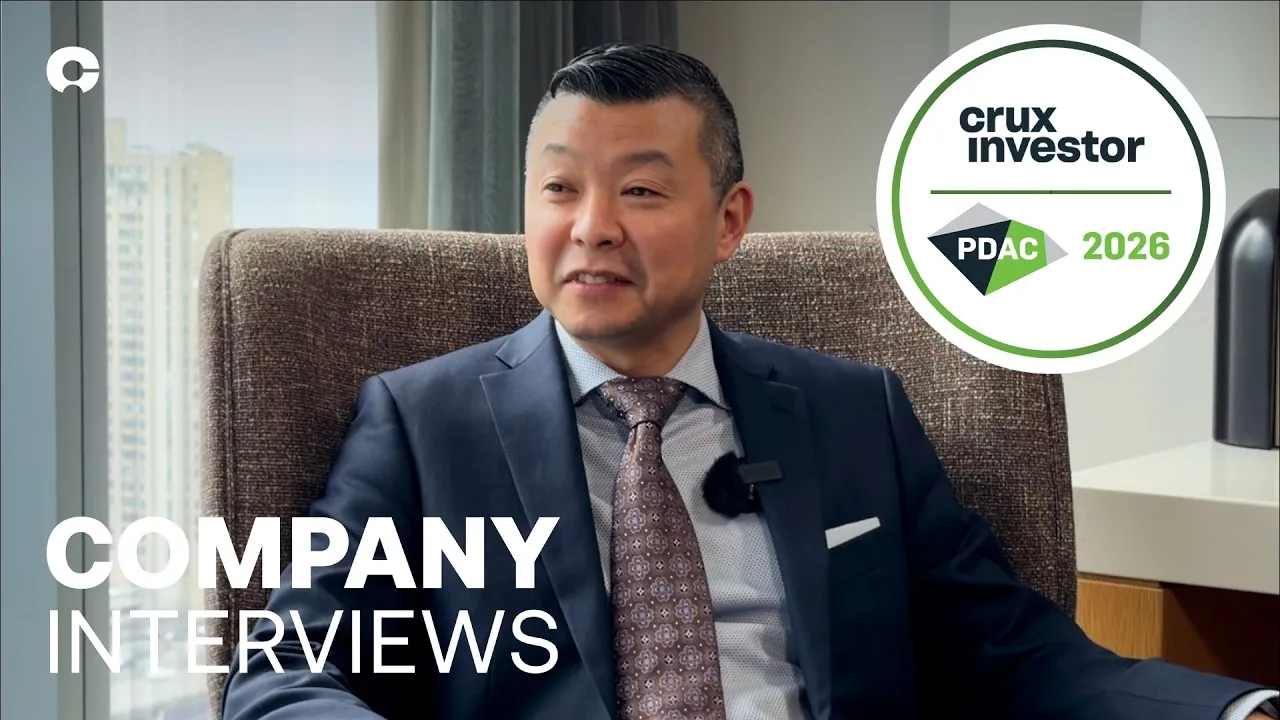
Interview with Alberto Orozco, CEO, Capitan Silver
Geological Context and Technical Characteristics
The Cruz de Plata project hosts an intermediate sulfidation epithermal deposit located directly within Mexico's primary silver trend. The geological setting includes both high-grade silver structures and a disseminated gold deposit, indicating a complete hydrothermal system with multiple mineralisation styles. Surface mapping and sampling programs continue alongside drilling, with the company moving from lower-definition reconnaissance to high-resolution detailed mapping with tighter sampling grids.
A deep-penetrating geophysical survey currently underway will provide the first comprehensive view of the consolidated property at depth, potentially revealing controls on mineralisation that extend beyond surface expressions. This data will inform hypotheses about deeper mineralisation and help prioritise targets across the 21 kilometers of cumulative strike length now under the company's control.
Previous drilling on the Jesus Maria silver vein demonstrated continuity along strike and identified multiple high-grade zones, with additional results from the 2025 program still pending. The company continues to discover structures and veins that were not previously mapped, suggesting the potential for further target expansion as exploration progresses.
Management Pedigree: From Exploration to Production
A distinguishing characteristic of Capitan Silver is the operational and construction experience of its management team. The core technical group previously worked together at Argonaut Gold, where they were responsible for resource expansion, construction, and operations of three mines in the same region of Mexico - approximately one hour south of the Cruz de Plata project. These operations were delivered on time and on budget, demonstrating execution capability across the full mine development cycle.
This background informs the company's approach to exploration and project evaluation. The team evaluates targets not only for geological merit but also for development feasibility, considering factors such as access, infrastructure availability, topography, and potential construction complexity. The Cruz de Plata project benefits from easy access, nearby infrastructure, and low-relief topography - characteristics that the team recognises as favorable for potential mine development.
Investment Positioning and Share Structure
Capitan Silver has attracted attention from institutional investors seeking quality exploration plays with scale potential in a market where large, high-grade silver deposits are scarce. The company has maintained a tight share structure and cultivated what management describes as high-quality investors, including a Mexican investor component that adds regional expertise and alignment.
Jupiter Gold and Silver Fund's decision to invest at a premium reflected confidence in both the geological opportunity and the technical team's track record. The fund recognised that the company possessed not just strong drill results but a systematic understanding of a mineralised system with significant exploration upside, managed by individuals with proven mine-building capability.
The company's market performance has been notable, with rapid share price appreciation raising questions about valuation sustainability. Management views 2026 as the year to validate the valuation through demonstration of scale, arguing that the exploration program will reveal whether Cruz de Plata merits recognition as a rare, large-scale, high-grade silver system in a proven mining jurisdiction.
The Investment Thesis for Capitan Silver
- Rare Asset Class: High-grade, potentially large-scale pure silver deposits are exceptionally scarce globally, with recent multi-billion-dollar takeouts demonstrating institutional appetite for quality assets
- Systematic Scale Potential: Evolution from vein to trend to mineral system, with cumulative strike length expanding from 7km to 21km+ of high-grade silver structures, supported by consistent surface expressions and early geophysical data
- Proven Technical Team: Management built and operated three mines on time and on budget at Argonaut Gold in the same region, bringing mine-building expertise rare among exploration-stage companies
- Strategic Capital Efficiency: Initial shallow drilling program maximised data density and discovery potential within budget constraints, establishing geological confidence before committing to expensive deep drilling
- Aggressive 2026 Program: 60,000-meter drill campaign with four-rig operation designed to demonstrate scale through depth extensions and testing of multiple targets across consolidated land package
- Institutional Validation: Jupiter Gold and Silver Fund financing at 30% premium signals sophisticated investor confidence in both geological opportunity and execution capability
- Development Optionality: Easy access, nearby infrastructure, low-relief topography, and team's regional operational experience reduce technical risk and potential development complexity
- Tight Share Structure: Disciplined capital management with quality investor base including Mexican strategic investors aligned with long-term value creation
- Operational Momentum: Continuous drilling operations with experienced field teams capable of real-time geological decision-making and rapid target adjustment
- 2026 as Inflection Year: Management explicitly positioning current year as demonstration of scale potential, with comprehensive geophysics, expanded drilling, and results flow designed to validate market valuation
Macro Thematic Analysis
Silver faces a unique supply-demand dynamic as industrial applications - particularly in solar photovoltaics, electric vehicles, and power infrastructure - accelerate consumption while new mine supply fails to keep pace with depletion. Unlike gold, silver's industrial demand component creates inelastic consumption that cannot be reduced during price volatility. The concentration of silver production as a byproduct of base metal and gold mining means primary silver deposits command strategic value, particularly at scale.
High-grade systems like Cruz de Plata, if proven at the scale management envisions, address a structural deficit in the market where development-ready silver assets are exceptionally rare. Mexico's established mining jurisdiction, infrastructure, and skilled workforce provide execution certainty that frontier jurisdictions cannot match, while the permitting and political framework supports advancement from discovery to production for well-managed projects with community engagement.
TL;DR: Executive Summary
Capitan Silver is executing a 60,000-meter drill program at Cruz de Plata, Mexico, following 2025 land consolidation that expanded high-grade silver targets from 7km to 21km+ cumulative strike length. Management - which built three mines on time and on budget at Argonaut Gold in the same region - secured institutional backing from Jupiter Gold and Silver Fund at a 30% premium and is ramping to four rigs to demonstrate scale potential of what they characterise as a rare, high-grade silver system. The 2026 program aims to validate market valuation through depth extensions and systematic testing of a complete mineral system in an established mining jurisdiction with favorable infrastructure and development characteristics.
FAQ's (AI Generated)
Management strategically waited for favorable silver market conditions and the right institutional partner rather than spending capital in a down market where results would receive insufficient recognition and valuation.
RC drilling on shallow outcropping targets delivered more total holes, faster results, and higher-resolution data within budget constraints, maximising discovery probability before committing to expensive deep drilling.
The company is ramping to four rigs with continuous operation as quickly as possible, though specific completion timing depends on operational efficiency, assay lab turnaround, and geological decision-making during the program.
The team's experience building three mines at Argonaut Gold in the same region means they evaluate targets for development feasibility alongside geological merit, focusing on accessible, infrastructure-proximate projects.
The combination of high-grade results, emerging scale across 21km+ of structures, intermediate sulfidation epithermal system, established mining jurisdiction, and mine-building management team is relatively unique in the silver exploration space.
Analyst's Notes





Subscribe to Our Channel









Stay Informed






