




Atlas Salt Advances the Great Atlantic Salt Project as North American Supply Deficits Persist


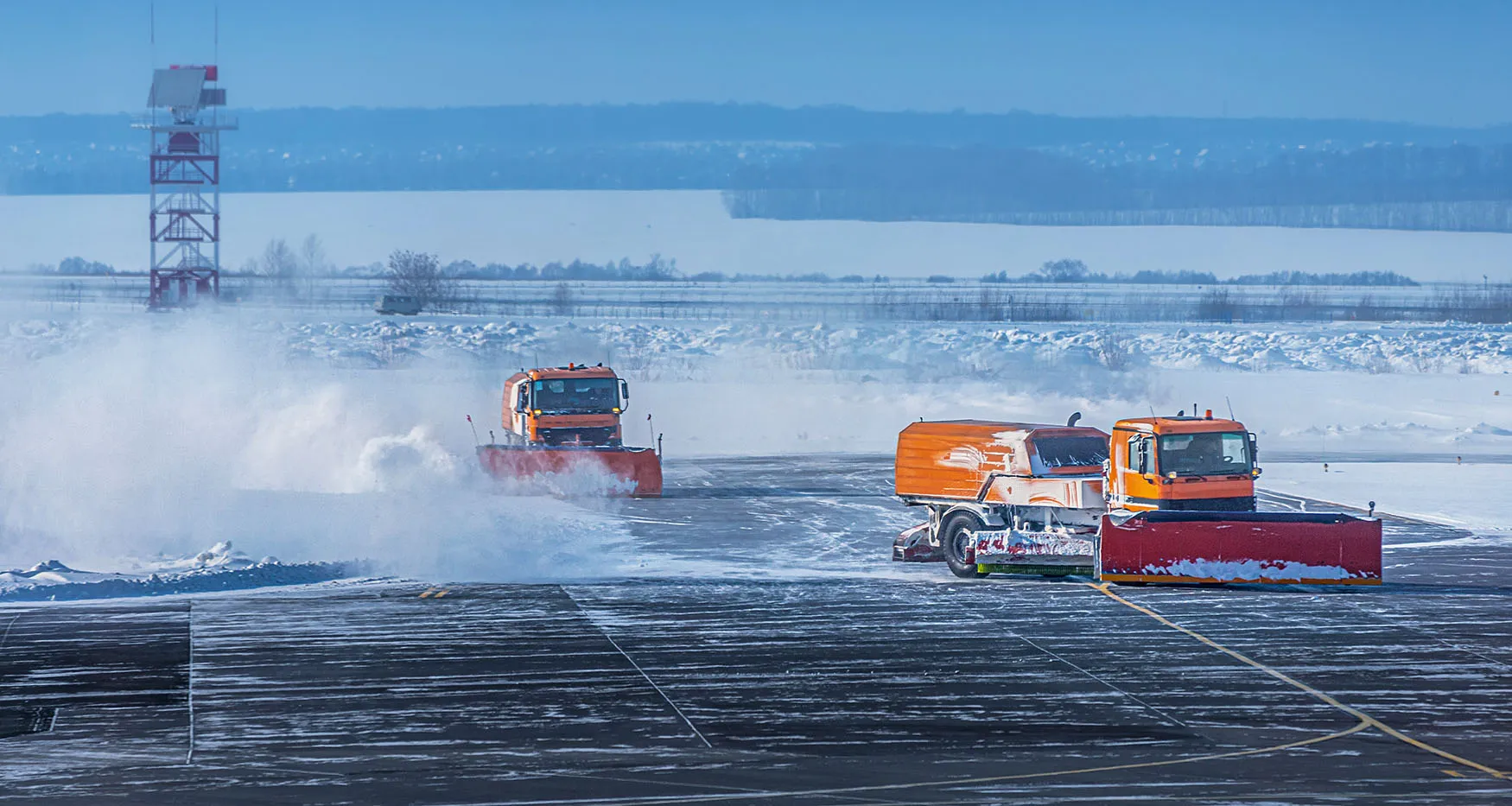
Atlas Salt begins early development at the Great Atlantic Salt Project in Newfoundland, targeting North America’s road salt supply gap with a large, low-cost deposit.
- Atlas Salt has moved the Great Atlantic Project from permitting into early physical development after satisfying environmental requirements and receiving provincial approvals.
- Early site work, including land clearing, tree cutting, and ground preparation, marks the project’s shift toward construction readiness and de-risks development.
- The deposit hosts 95 million tonnes of Probable Reserves at 95.9% sodium chloride (NaCl) and 868 million tonnes of Inferred Resources, supporting over 50 years of potential mine life.
- The 2025 Updated Feasibility Study (FS) shows a $920 million post-tax net present value discounted at 8% (NPV8), after-tax internal rate of return (IRR) of 21.3%, all-in sustaining cost (AISC) of $34.9 per tonne, and average annual free cash flow of $188 million.
- Planned 4 million tonnes per annum production capacity, located near Turf Point deep-water port, targets a direct portion of North America's 8 to 10 million tonne annual road salt import gap.
Moving From Permitting to Physical Execution
Atlas Salt Inc. confirmed it had met the environmental criteria required to begin early physical work at the Great Atlantic Salt Project, located on the west coast of Newfoundland, Canada. The milestone followed a series of approvals from the Government of Newfoundland and Labrador, including approval of the Early Works Development Plan and associated Environmental Management Plans, execution of the Benefits Agreement with the Province following Cabinet approval, and receipt of a formal Letter of Release confirming satisfaction of the applicable Environmental Assessment conditions. These approvals allow the company to move from regulatory preparation into on-site activity such as land clearing, grubbing, and site preparation, marking a key transition from permitting toward construction readiness.
Chief Executive Officer of Atlas Salt, Nolan Peterson, highlighted the transition from regulatory preparation to on-site development activity:
"We have an environmental assessment approved by the government of Newfoundland, so this is a project that’s advanceable, and it’s ready. We did put out just less than a week ago that we are starting construction at the site now. That’s early works activities, so we have an early works package that’s been approved to start construction by the government to allow us to do the work."
Initial development establishes the physical footprint of the future mine and prepares the site for infrastructure construction. The Benefits Agreement with the province also formalizes commitments for local hiring, procurement, and training initiatives throughout the construction and operational phases.
Project Context: The First New North American Salt Mine in Nearly Three Decades
North America currently imports 8 to 10 million tonnes of road salt annually, reflecting a structural gap between domestic supply and demand. Recent winter shortages have exposed supply fragility and price volatility, while aging infrastructure and mine closures continue to reduce production capacity.
"There hasn’t been a new mine built in 25 years at this point. It’s a product that we all need. It’s a very strong, very stable, recession-proof commodity that shortens the supply chain for deicing salt in the key markets that we are selling into."
The Great Atlantic Salt Project is designed for 4 million tonnes per annum production capacity, positioning it as one of the largest new sources of road salt supply in North America. The project could become the first new salt mine in the region in nearly three decades, supporting long-term supply security in a market increasingly dependent on imports.
Asset Quality & Development Fundamentals
The Great Atlantic Salt Project hosts 95 million tonnes of Probable Reserves grading 95.9% sodium chloride (NaCl), alongside 868 million tonnes of Inferred Resources, supporting the potential for more than 50 years of additional mine life beyond the initial reserve base. The deposit begins at approximately 180 metres below surface, is highly homogeneous, and remains open in all directions. By comparison, the world's largest salt mine, the Goderich Mine in Ontario, operates at approximately 600 metres below Lake Huron, requiring more complex infrastructure and higher capital intensity.
The project is located approximately 2 kilometres from the deep-water Turf Point Port, adjacent to the Trans-Canada Highway, and near existing power grid infrastructure, providing strong logistical advantages for bulk commodity transportation. Shipping access from Turf Point enables cargo deliveries to the United States East Coast markets, including Boston, in under 3 days, compared with 14 days or more for overseas supply routes from producers in countries such as Egypt or Chile.
Project Economics & Development Pathway
The 2025 Updated Feasibility Study (FS) for the Great Atlantic Salt Project outlines a post-tax net present value discounted at 8% (NPV8) of $920 million, an internal rate of return (IRR) of 21.3%, and an all-in sustaining cost (AISC) of $34.9 per tonne, based on an initial capital cost of $589 million. The study also projects an average annual post-tax free cash flow of $188 million and a 4.2-year after-tax payback period, positioning the project as a potential low-cost producer in the road salt market. The shallow deposit profile and proximity to East Coast port infrastructure contribute to the low AISC, supporting a competitive cost position relative to domestic producers and overseas import supply chains.
To support project execution, Atlas Salt Inc. has secured key development partnerships, including a $132 million equipment and services memorandum of understanding (MOU) with Sandvik Mining and engineering support agreements with Hatch. The company is also advancing a debt-weighted project financing structure targeting approximately 60% debt funding, advised by Endeavour Financial. Commercial demand is supported by an MOU for future sales, including an agreement with Scotwood Industries covering 1.25 to 1.5 million tonnes per annum of supply potential.
Peterson outlined the financing strategy and the opportunity to accelerate the project’s timeline:
"We see the opportunity to actually accelerate the project by attracting financing sooner than expected. We had been working towards a project financing package with Endeavour Financial, our debt broker adviser out of London, and that’s coming along very nicely. To finance all of this, we are looking to get 60% from debt, having that lined up from the debt providers, and we’re talking about major infrastructure banks, sovereign wealth funds, and the export credit agencies that are out there."
The Investment Thesis for Atlas Salt
- Atlas Salt has transitioned the Great Atlantic Project from permitting into early physical development, confirming regulatory approvals and initiating on-site activities including land clearing, tree cutting, and site preparation.
- The project’s planned 4 million tonnes per annum production capacity targets a portion of North America’s 8 to 10 million tonnes of annual road salt import gap, highlighting a structural opportunity for domestic supply.
- The project hosts 95 million tonnes of Probable Reserves grading 95.9% sodium chloride and 868 million tonnes of Inferred Resources, supporting more than 50 years of potential mine life beyond initial reserves.
- The 2025 Updated Feasibility Study demonstrates a post-tax net present value discounted at 8% of $920 million, an after-tax internal rate of return of 21.3%, and a low all-in sustaining cost of $34.9 per tonne, supporting competitive cost production in North American bulk salt markets.
- Proximity to Turf Point deep-water port and East Coast markets provides logistics advantages, reducing transit time from overseas supply routes from 14 days or more to under 3 days.
- Near-term catalysts include project financing, conversion of memoranda of understanding into binding offtake agreements, and ongoing Early Works, driving milestones toward production.
Atlas Salt is advancing from permitting to physical execution, with a large-scale, high-grade deposit, strong feasibility economics, and strategic positioning that collectively de-risk development and position the project to meet North America’s growing domestic salt demand.
TL;DR:
Atlas Salt has advanced the Great Atlantic Salt Project in Newfoundland from permitting to early site development after securing environmental approvals, marking a key step toward construction. The project hosts 95 million tonnes of Probable Reserves grading 95.9% NaCl and is supported by strong economics from the 2025 FS, including a $920M post-tax NPV8 and 21.3% IRR. Designed to produce 4 million tonnes per annum and located near a deep-water port serving East Coast markets, the project targets a direct portion of North America's 8 to 10 million tonne annual road salt import gap as the company progresses toward project financing and further development milestones.
FAQs (AI-Generated)
Atlas Salt has moved the Great Atlantic Salt Project from permitting into early physical development after securing environmental approvals from the Government of Newfoundland and Labrador. Early works now underway include land clearing, grubbing, and site preparation, marking the project’s transition toward construction readiness.
North America currently imports approximately 8 to 10 million tonnes of road salt annually due to declining domestic supply and aging infrastructure. The Great Atlantic Salt Project aims to produce around 4 million tonnes per year, helping reduce reliance on imports and strengthen regional supply security.
According to the 2025 Updated Feasibility Study, the project has a post-tax NPV8 of $920 million and an after-tax IRR of 21.3%. The study also estimates AISC of $34.9 per tonne and average annual free cash flow of approximately $188 million.
The project hosts 95 million tonnes of Probable Reserves grading 95.9% sodium chloride, along with 868 million tonnes of Inferred Resources. This resource base could support more than 50 years of potential mine life beyond the initial reserve base.
Key upcoming milestones include securing project financing, converting memoranda of understanding into binding offtake agreements, continuing early works development, and advancing toward full construction and eventual production.
Analyst's Notes





Subscribe to Our Channel








Stay Informed


