




Atlas Salt Begins Great Atlantic Mine Build as Supply Shortages Drive Financing Momentum



Atlas Salt advances $600M Newfoundland salt mine with construction started, financing pursued, addressing 25-year supply gap in recession-proof de-icing market.
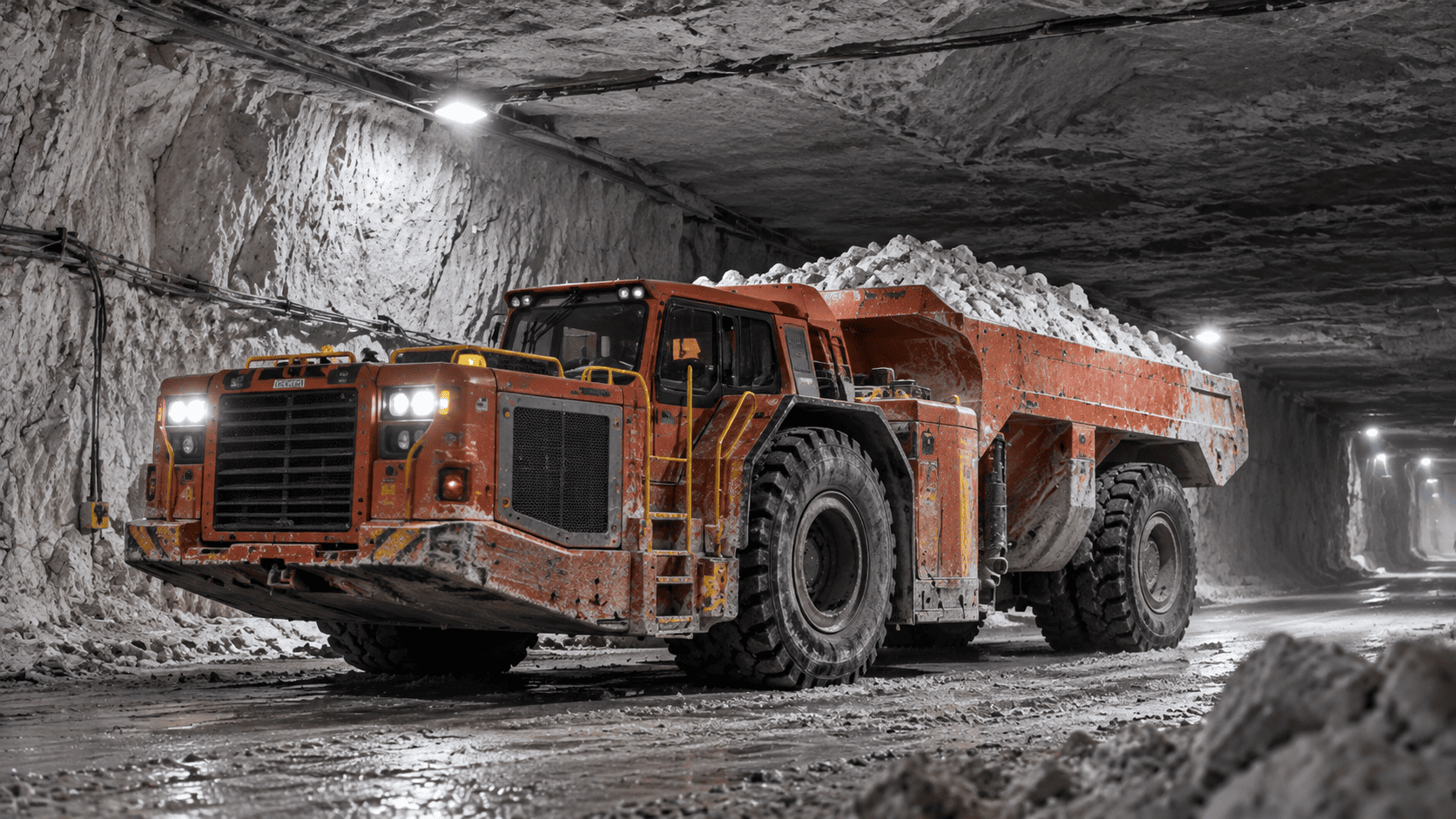
- Atlas Salt has initiated early works construction activities at the Great Atlantic Salt project in western Newfoundland, with a $100 million early works package approved and site clearing, ground preparation, and infrastructure development underway.
- The company is pursuing a $600 million CAD capital program with a target financing structure of 60% debt (infrastructure banks, sovereign wealth funds, export credit agencies) and 40% equity, actively seeking to accelerate timelines beyond original project financing expectations.
- Addressing road de-icing salt shortages in northeastern North America markets, the project benefits from no new mine construction in 25 years, supply constraints, and shortened supply chains with recession-proof demand characteristics.
- Environmental assessment approved in two months, feasibility study completed, permits proceeding on schedule, 100% battery-electric operation planned, and strong provincial government support positions the project for execution.
- 25-year reserve mine life with potential for 50+ additional years from resources, stable annual cash flows, pricing power over domestic operations and foreign imports, and optionality for higher-margin markets (chemical, agriculture, food-grade applications).
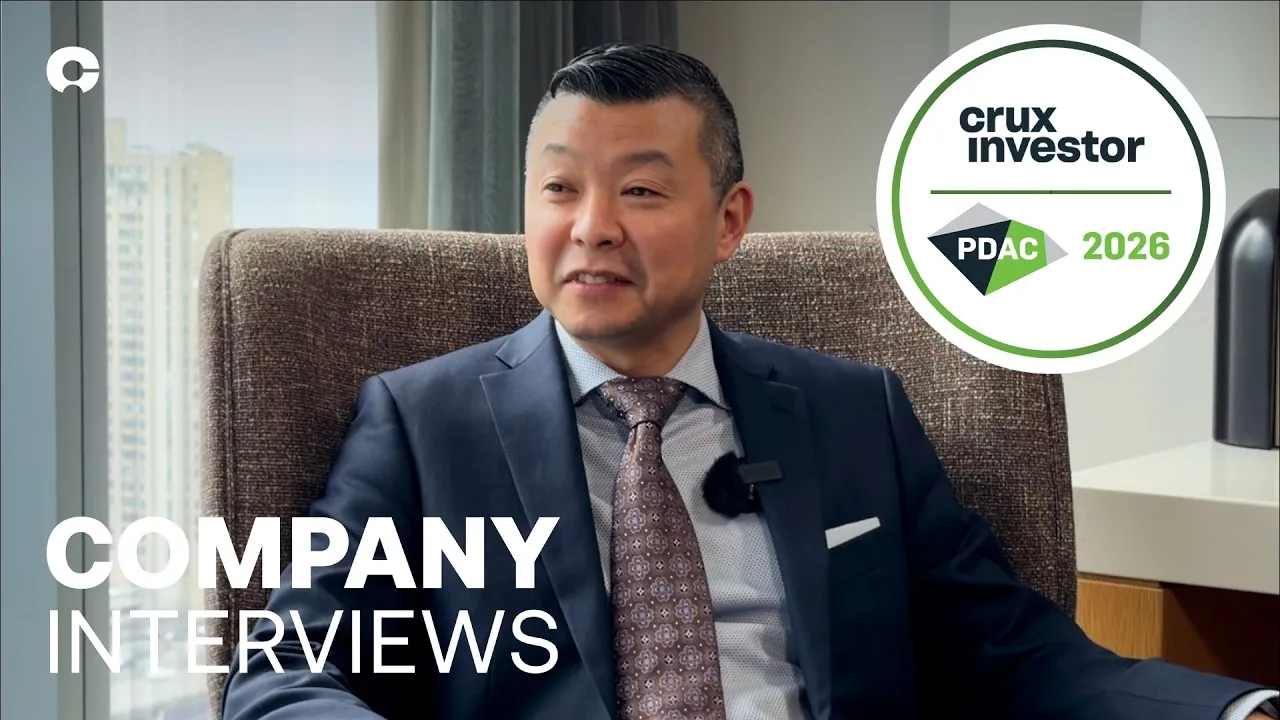
Atlas Salt CEO Nolan Peterson provided a comprehensive development update on the Great Atlantic Salt project during the 2026 PDAC conference in Toronto, outlining significant progress on construction commencement, financing efforts, and the company's strategy to capitalise on favorable market conditions in the North American deicing salt sector.
Early Works Construction Underway
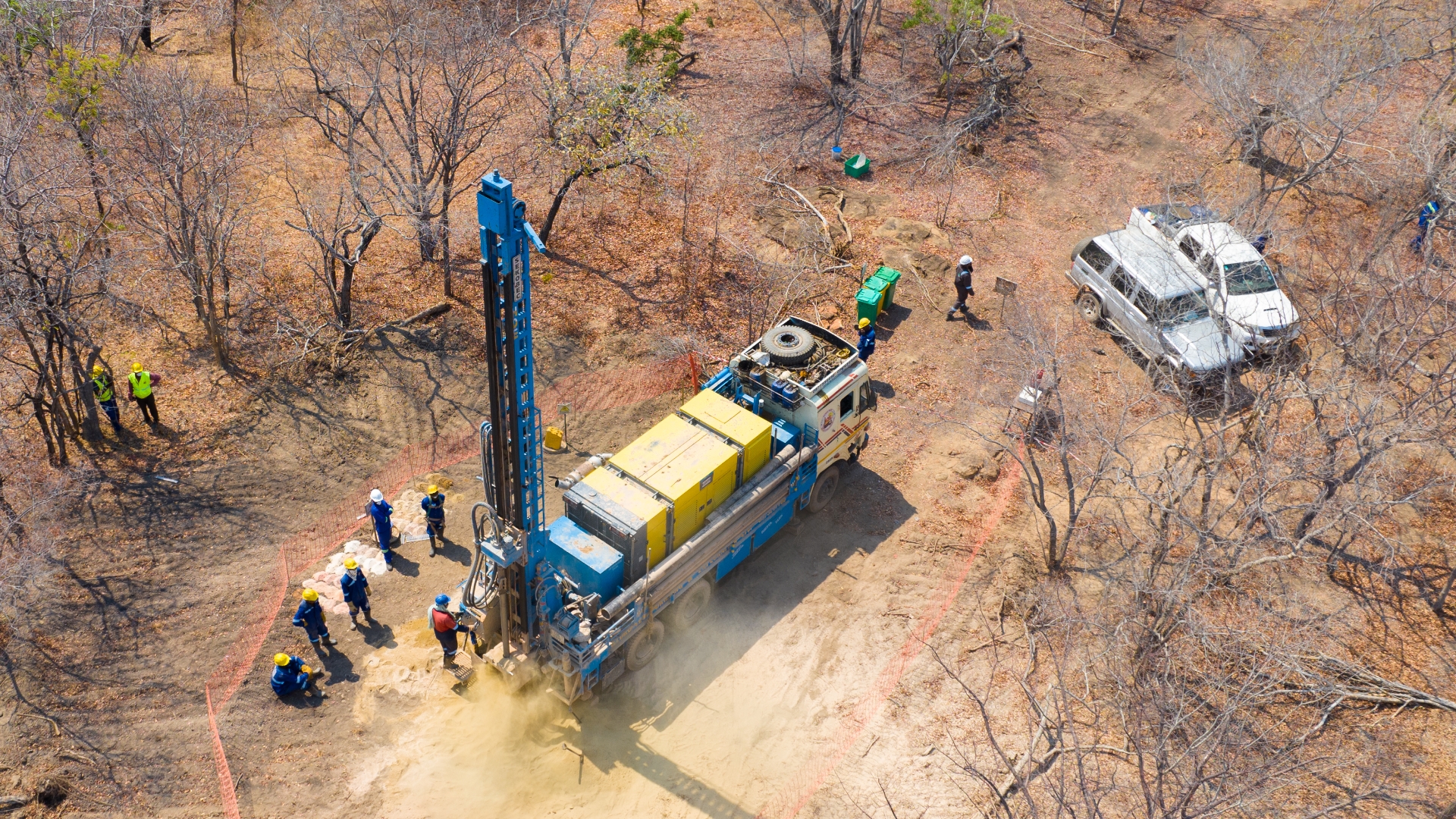
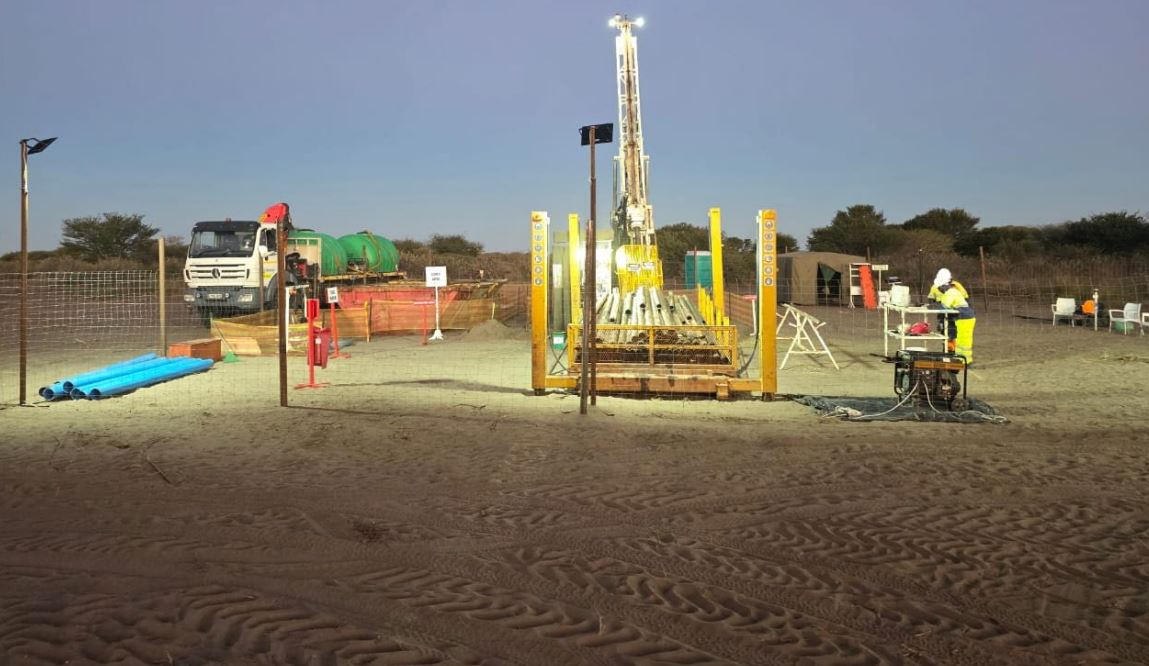
The Great Atlantic Salt project, located on the west coast of Newfoundland, has transitioned from the development stage into active construction. The company recently initiated early works activities with a $100 million package approved by the Newfoundland government. Current operations include site clearing, tree cutting, ground preparation, and grubbing - activities optimally conducted during winter months when ground conditions remain firm.
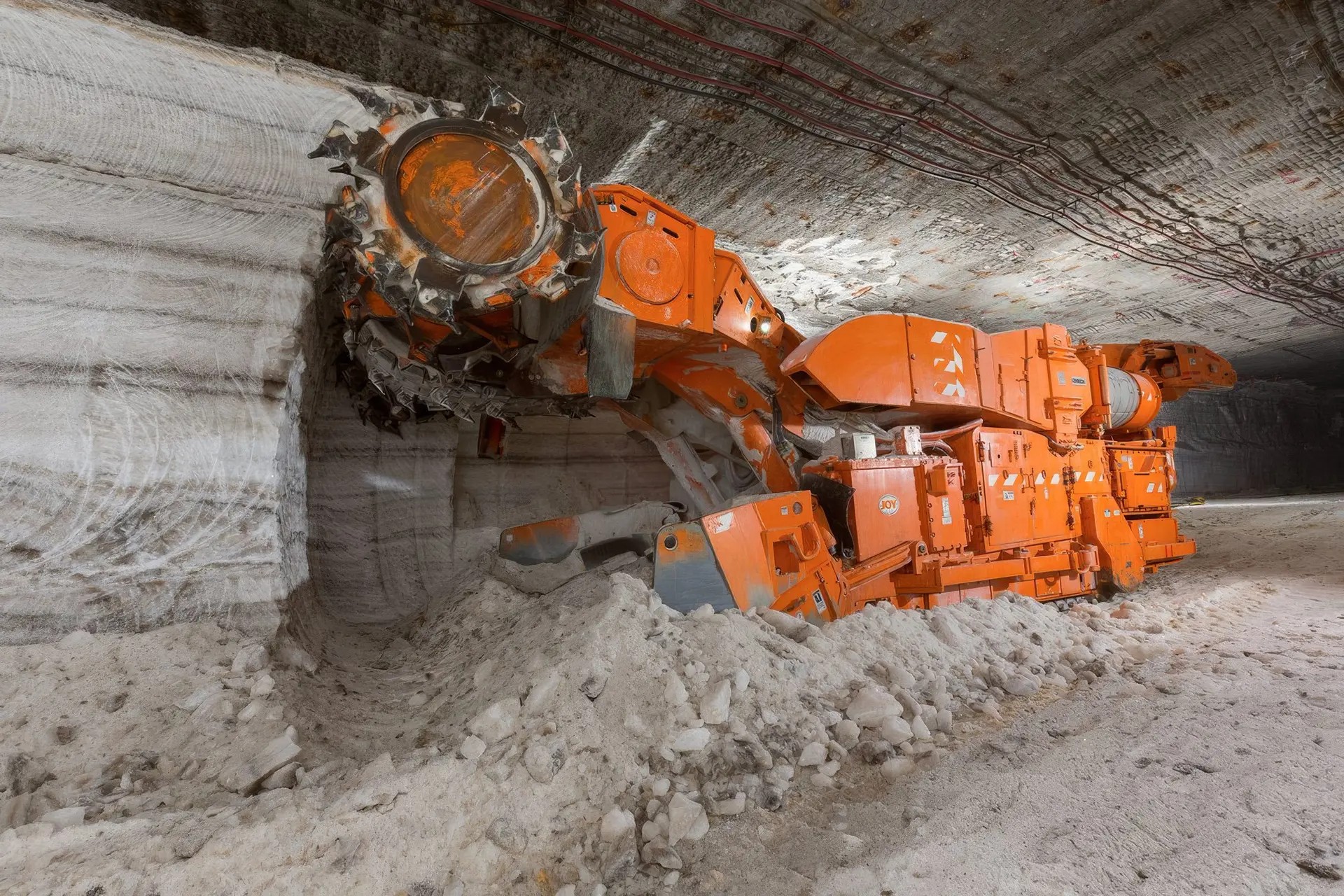
Peterson outlined the roadmap for 2026, which includes establishing site pads, road access, power line infrastructure, substations and transformers, and preparatory work on the box cut that will enable drift development underground. The company will simultaneously advance engineering work supporting final permit applications and drift designs. Looking ahead, permanent buildings and mine infrastructure development will commence, with the project progressing from site preparation into actual underground mining operations.
The total capital expenditure for the project stands at $600 million CAD, with the early works representing the initial phase of this comprehensive development program.
Pursuing $600 Million in Project Financing
Atlas Salt is executing a multi-pronged financing strategy centered on a 60% debt and 40% equity capital structure. The company has engaged Endeavour Financial, a London-based debt advisory firm, to structure a project financing package targeting major infrastructure banks, sovereign wealth funds, and export credit agencies. Peterson emphasised the strategic importance of securing debt commitments first, as this significantly de-risks the project for equity investors and institutional funds.
However, market dynamics have created opportunities to accelerate beyond the original financing timeline.
"People are coming to us earlier and saying, 'Hey, is there an opportunity here to accelerate what you're doing to get some money into the company and start building and advancing it even sooner than that main PF package?'"
The company's PDAC schedule reflected this intensive capital-raising focus, with Peterson conducting meetings with brokers, bankers, lenders, and advisors throughout the conference and scheduling additional meetings in the following days.
Supportive Regulatory Framework in Newfoundland
The project benefits from an exceptionally supportive regulatory environment in Newfoundland and Labrador. Atlas Salt secured environmental assessment approval in just two months, and subsequent permitting has proceeded on schedule. The company maintains strong relationships with assistant deputy ministers, deputy ministers, and the newly elected provincial government, which took office approximately three months prior to the interview.
While not formally designated as a project of national interest, Atlas Salt has received strong provincial backing and sees potential for both federal and provincial government support. Peterson noted that recent changes in government messaging at both levels have created what the company views as a "fruitful path" for pursuing government assistance, including potential financial support and introductions to international export credit agencies.
The company is actively working to have salt added to Canada's critical minerals list - a designation Peterson believes is warranted given salt's integral role in transportation infrastructure and societal functioning in northern climates.
Interview with Nolan Peterson, CEO, Atlas Salt
Addressing Regional Workforce Dynamics
The project addresses a significant economic opportunity for Newfoundland, where a highly educated and mining-experienced workforce currently travels extensively for employment opportunities. Peterson described the dynamics at Deer Lake, the regional airport serving western Newfoundland, where frequent travelers maintain elite status on Air Canada due to work-related travel. The company receives regular inquiries from workers eager to remain in their home communities rather than continue multi-decade patterns of travel for employment.
"We're creating jobs for Newfoundlanders. We're creating tax revenue. It's a 100% battery electric operated project. That's what we're contemplating. So it'll be an example project too of a very clean and green project that any government can point to and say, you know, we supported this project and look at how fantastic it is in terms of what we want to see out of projects in the future."
The project's 100% battery-electric operational design positions it as a showcase for clean mining operations, providing additional support for government backing and social license.
Capitalising on Supply-Constrained Markets
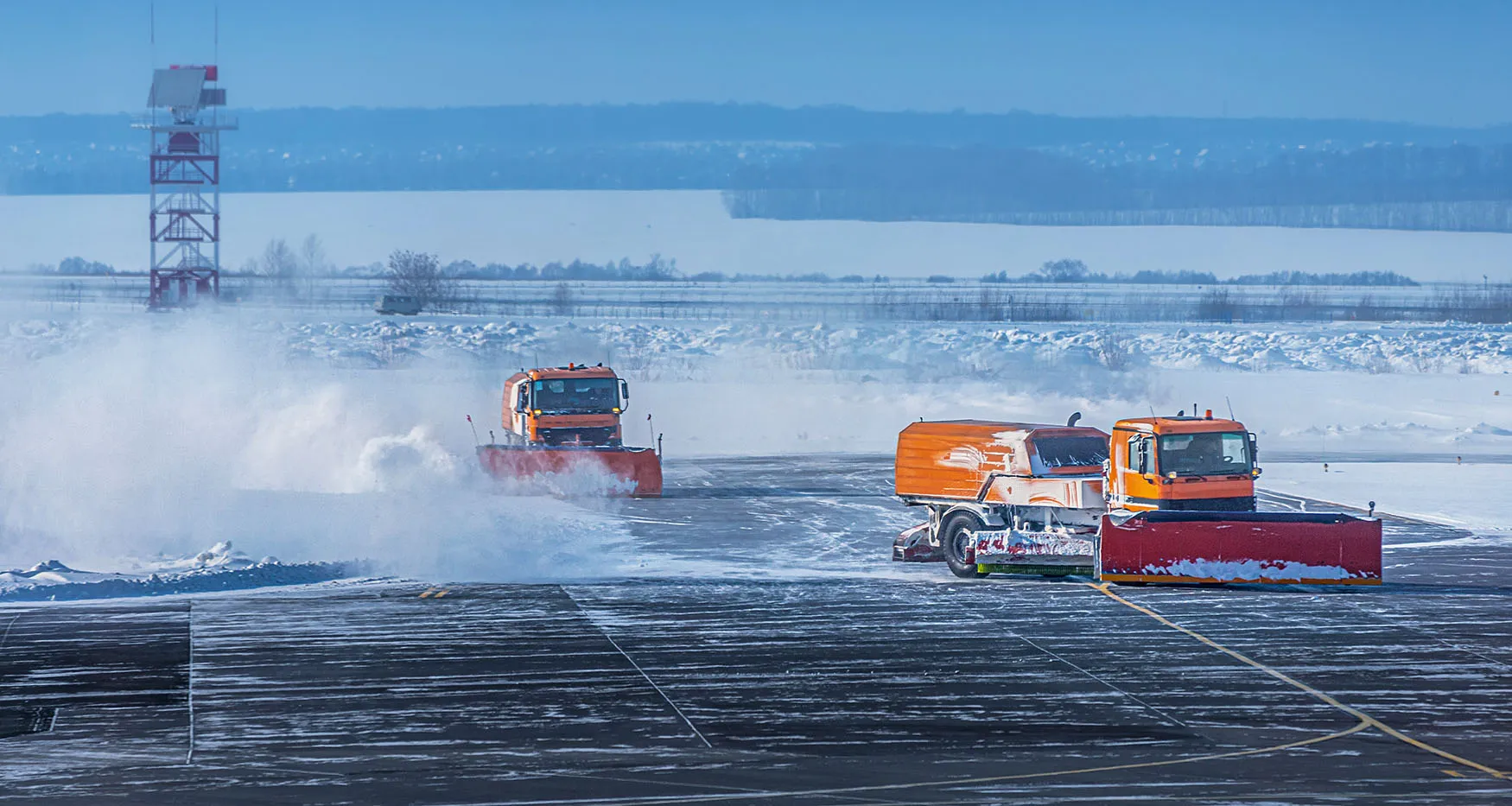
The North American deicing salt market presents compelling fundamentals for Atlas Salt. No new salt mine has been constructed in 25 years, creating supply constraints that have been exacerbated by harsh winter conditions. The Great Atlantic project will shorten supply chains for key northeastern markets currently served by more distant domestic operations or foreign imports.
Salt's characteristics as a recession-proof commodity with stable, predictable demand provide investors with cash flow visibility uncommon in the mining sector. The company's feasibility study projects 25 years of mine life based on current reserves, with potential for an additional 50 years from identified resources. Notably, the feasibility model uses conservative assumptions that do not factor in particularly severe winters - events that drive higher pricing and demand.
Peterson highlighted the project's unusual investment profile, noting that unlike typical mining operations where net asset value declines as reserves are depleted, the Great Atlantic project's substantial resource base allows for reserve replacement without additional drilling, while the discount rate applied to long-duration projects initially suppresses valuations.
Beyond De-icing: Higher-Margin Market Opportunities
While Atlas Salt's initial focus targets the de-icing market, the project provides optionality for higher-margin applications. Chemical processing (chlor-alkali production), agriculture, oil and gas, and food-grade salt markets all offer enhanced profitability, though with higher processing costs and quality requirements.
Peterson explained the company's pragmatic approach: establish a viable project in the core deicing market first, then evaluate opportunities for market expansion once mining operations commence and deposit characteristics are fully understood. The company believes approximately 10% of the deposit could potentially serve food-grade markets with relatively modest capital investment in additional processing facilities - potentially as little as $1 million to access significantly higher-margin markets.
This strategic flexibility enhances the long-term value proposition without introducing execution complexity during the critical development phase.
Development-Stage Valuation Opportunity
Peterson addressed the company's current valuation of $0.90-$1.00 per share in the context of historical trading at over $4.00 per share. He referenced the "Lassonde Curve" - the characteristic valuation pattern for development-stage mining projects that sees an initial peak during discovery, a valley during development, and a second peak as production approaches and cash generation begins.
The CEO, who joined nine months ago when the stock traded between $0.30-$0.40, emphasised that 90% of the investors he meets remain unfamiliar with the company - a marketing challenge for commodity projects that do not benefit from precious metals sector visibility. However, this also suggests significant upside potential as awareness builds and key milestones are achieved.
Peterson noted that the project attracts a broader investor base than typical resource companies, appealing to industrial minerals investors, infrastructure-focused funds seeking stable cash flows, and traditional mining investors. This diversified investor interest stems from the project's unique characteristics combining mining operations with utility-like cash flow predictability.
The Investment Thesis for Atlas Salt
- Supply-Constrained Market: No new salt mine construction in 25 years positions Great Atlantic to address documented supply shortages in high-demand northeastern deicing markets with pricing power advantages
- Development De-risked: Feasibility study complete, environmental assessment approved, permits advancing on schedule, construction activities commenced, and strong government support reduce execution uncertainty
- Stable, Long-Duration Cash Flows: 25-year reserve mine life with 50+ year resource potential, recession-proof demand, and steady annual cash generation provide unusual predictability for mining investment
- Strategic Location Advantage: West coast Newfoundland position shortens supply chains to key markets, reduces logistics costs versus foreign imports and distant domestic operations, and benefits from supportive jurisdiction
- Near-Term Value Catalysts: Debt financing arrangements, accelerated capital raising, construction milestone achievements, and strategic partnership discussions provide multiple catalyst opportunities through 2026-2027
- Environmental Leadership: 100% battery-electric operations create differentiated ESG profile, enhance government support potential, and position project as showcase for clean mining practices
- Market Expansion Optionality: Core de-icing business provides foundation with built-in upside from potential migration to higher-margin applications (chemical, food-grade, agriculture) requiring modest incremental capital
- Lassonde Curve Positioning: Current development-stage valuation valley positions investors ahead of anticipated re-rating as project financing closes, construction advances, and production approaches
Macro Thematic Analysis
The Great Atlantic Salt project addresses a fundamental challenge in North American infrastructure: the supply resilience of essential commodities supporting basic societal functions. Road deicing represents a non-discretionary expenditure for governments across northern climates, with demand largely independent of economic cycles. Recent severe winter conditions have highlighted supply vulnerabilities in markets heavily dependent on aging domestic operations or long-distance imports subject to logistics constraints. Climate variability and infrastructure aging create scenarios where supply disruptions carry significant economic and safety consequences.
The 25-year gap in new mine development suggests structural underinvestment in a critical commodity, while Newfoundland's advantaged position shortens supply chains to major eastern seaboard population centers. As governments increasingly prioritise supply chain security and critical infrastructure resilience, projects like Great Atlantic that combine domestic production, jurisdictional stability, and clean operations align with emerging policy priorities favoring strategic commodity development.
"There hasn't been a new mine built in 25 years at this point... our margins are so much higher. We have pricing power over many of the operations domestically and of course foreign imports that we are trying to displace for the most part."
TL;DR: Executive Summary
Atlas Salt has commenced construction on the Great Atlantic Salt project with $100 million in early works underway, aggressively pursuing $600 million in total project financing targeting 60% debt from infrastructure banks and sovereign wealth funds. The project addresses documented supply shortages in North American deicing markets where no new mine has been built in 25 years, offering 25+ year mine life, stable cash flows, pricing power, and 100% battery-electric operations in a supportive Newfoundland jurisdiction. Current valuation of $0.90-$1.00 represents development-stage positioning with multiple near-term catalysts including debt closure, construction milestones, and potential strategic partnerships.
FAQs (AI Generated)
Atlas Salt is pursuing $600M CAD with 60% debt target. Endeavour Financial is arranging project financing with infrastructure banks and sovereign wealth funds. Market interest has created opportunities to accelerate beyond original timeline.
Specific production timeline not disclosed, but 2026 activities include early works, infrastructure development, and drift preparation. Project sequencing suggests 2-3 year construction timeline following full financing closure.
Advantages include shortened supply chains to key markets, higher margins than domestic competitors, pricing power over foreign imports, and no new mine built in sector for 25 years creating supply constraints.
Primary risks include securing full project financing, construction execution, cost overruns, and market pricing. These are partially mitigated by feasibility study completion, environmental approval, and stable commodity demand characteristics.
Strong provincial government backing, two-month environmental approval, potential federal support, and efforts to add salt to critical minerals list. Not yet formally designated as project of national interest.
Analyst's Notes





Subscribe to Our Channel





Stay Informed


