




China's Scrap Crackdown and Chile Storms Tighten Copper Supply: Watch the $100 Import Premium



China's scrap crackdown and Chile storms tightened copper supply, lifting prices as the import premium hit $100. A drop below $50 signals supply recovery.
- Copper reached $6.4832 per pound on July 21, up 2.92% and its highest level in five weeks as tightening physical supply outweighed recent geopolitical selling.
- China's refined copper import premium climbed to $100 a tonne on July 17, its first triple-digit reading since May 2025 and up from $20 a tonne in late January, signaling stronger competition for available metal.
- Shanghai Futures Exchange copper stocks fell 20% in one week to 79,909 tonnes and are down 45% year to date, while Comex inventories reached a record 630,293 tonnes, highlighting regional supply imbalances rather than abundant global supply.
- Antofagasta's first-half production fell 9.5% to 285,000 tonnes and its 2026 cash cost forecast increased to $2.40 to $2.60 per pound, limiting how quickly higher prices can translate into additional mine output.
- A fall in China's import premium below $50 a tonne would signal improving supply and could end the current copper rally.
Physical Supply Tightens & Copper Rebounds as Geopolitical Risks Fade
Copper reached $6.4832 per pound, up 2.92% and its highest level in five weeks as tightening physical supply supported prices. Comex September copper gained 1.3% to $6.35 per pound, leaving it within 5% of its early June record high, while three-month LME copper rose 0.6% to $13,608 a tonne.
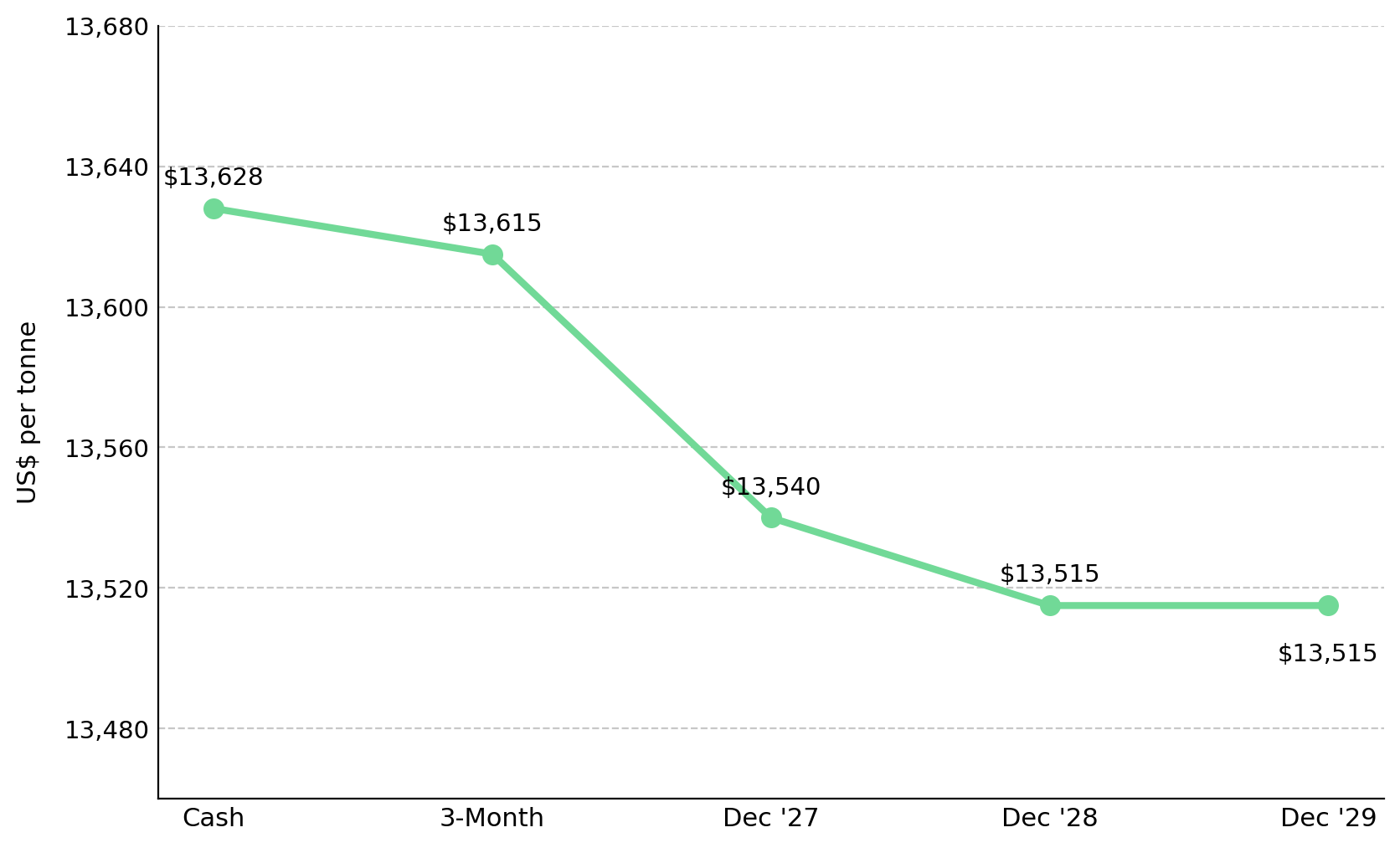
Copper fell below $6.20 per pound to a one-week low after the US struck Iran and Tehran retaliated against US bases. The metal has since rebounded about 5% in four sessions as tightening physical supply outweighed geopolitical concerns, showing that supply conditions are driving short-term price direction more than geopolitical events.
Scrap Supply Tightens & Refined Copper Demand Rises, Supporting Higher Prices
China's refined copper import premium reached $100 a tonne, its first triple-digit reading since May 2025, signaling tighter physical supply in the world's largest copper market. Goldman Sachs said the higher premium reflects scrap processors replacing scrap with refined copper after Beijing tightened enforcement against invoice fraud in the scrap trade, rather than stronger end demand.
The crackdown has reduced scrap availability for months, increasing demand for refined copper and supporting prices. In Chile, storms forced Codelco to halt surface operations at Andina and suspend ore shipments from El Teniente, tightening global copper supply and reinforcing the recent price rally.
Slower Mine Restarts & Falling Shanghai Stocks Keep Copper Supply Tight
Mine restarts take time, limiting near-term supply growth. Antofagasta CEO Ivan Arriagada said higher oil and input costs continue to keep mining costs elevated. Antofagasta's first-half production fell 9.5% to 285,000 tonnes, while its 2026 cash cost forecast increased to $2.40 to $2.60 per pound.
Base case: China's import premium stays above $100 a tonne and Shanghai copper stocks keep falling, allowing Comex copper to retest its early June high this quarter.
Bear case: Chile's mines return to full output, China's import premium falls toward $20 to $40 a tonne, and Comex copper retreats toward $6.20 per pound.
Higher Mining Costs & Supply Disruptions Limit Copper Margin Growth
Higher copper prices are supporting miner margins, but rising costs and lower output are limiting earnings growth. Antofagasta's cash cost forecast of $2.40 to $2.60 per pound against copper at $6.48 still leaves about $4 per pound of margin, while South32's Sierra Gorda copper production fell to 16,000 tonnes from 17,700 tonnes a year earlier.
BHP said Chilean copper production will decline next year, limiting replacement supply after recent weather disruptions. The IEA said tighter sulfuric acid supplies linked to the Middle East conflict are slowing copper processing. Copper remains volatile because weather disruptions and geopolitical risks can quickly change supply expectations, as shown by the drop below $6.20 per pound before the recent rebound.
$100 China Import Premium Supports Copper Prices: A Break Below $50 Signals Improving Supply
China's $100-a-tonne import premium is supporting copper prices near $6.48 per pound by signaling tight physical supply. A premium above $50 a tonne should continue supporting copper prices and copper miners including Freeport-McMoRan,
Southern Copper, and First Quantum. A fall below $50 a tonne, or a return to full Chilean mine output, would signal improving supply and could reverse recent price gains. Shanghai Metals Market's weekly import premium and the LME cash-to-three-month spread remain the key indicators for confirming a change in market conditions.
Analyst's Notes





Subscribe to Our Channel







Stay Informed


