




Why Minto Is Adding a Gravity Circuit Its Last Operator Turned Off


Minto's gold and silver recovery trailed its copper because a stream removed the incentive. With the stream gone, Selkirk Copper is adding gravity recovery.
- Minto's mill averaged a copper recovery of around 91% over the life of the mine, while gold and silver recoveries trailed.
- A gold and silver stream left the previous operator with no incentive to recover the precious metals, so the gravity circuits were shut down.
- With the stream removed in bankruptcy, Selkirk Copper intends to add two gravity concentrators to the restart circuit.
- Selkirk Copper says the change would probably raise gold and silver recovery by about 10% each.
- Published copper-equivalent figures still assume 80% recovery of gold and silver, estimated from historical mineral processing results.
What Has Happened
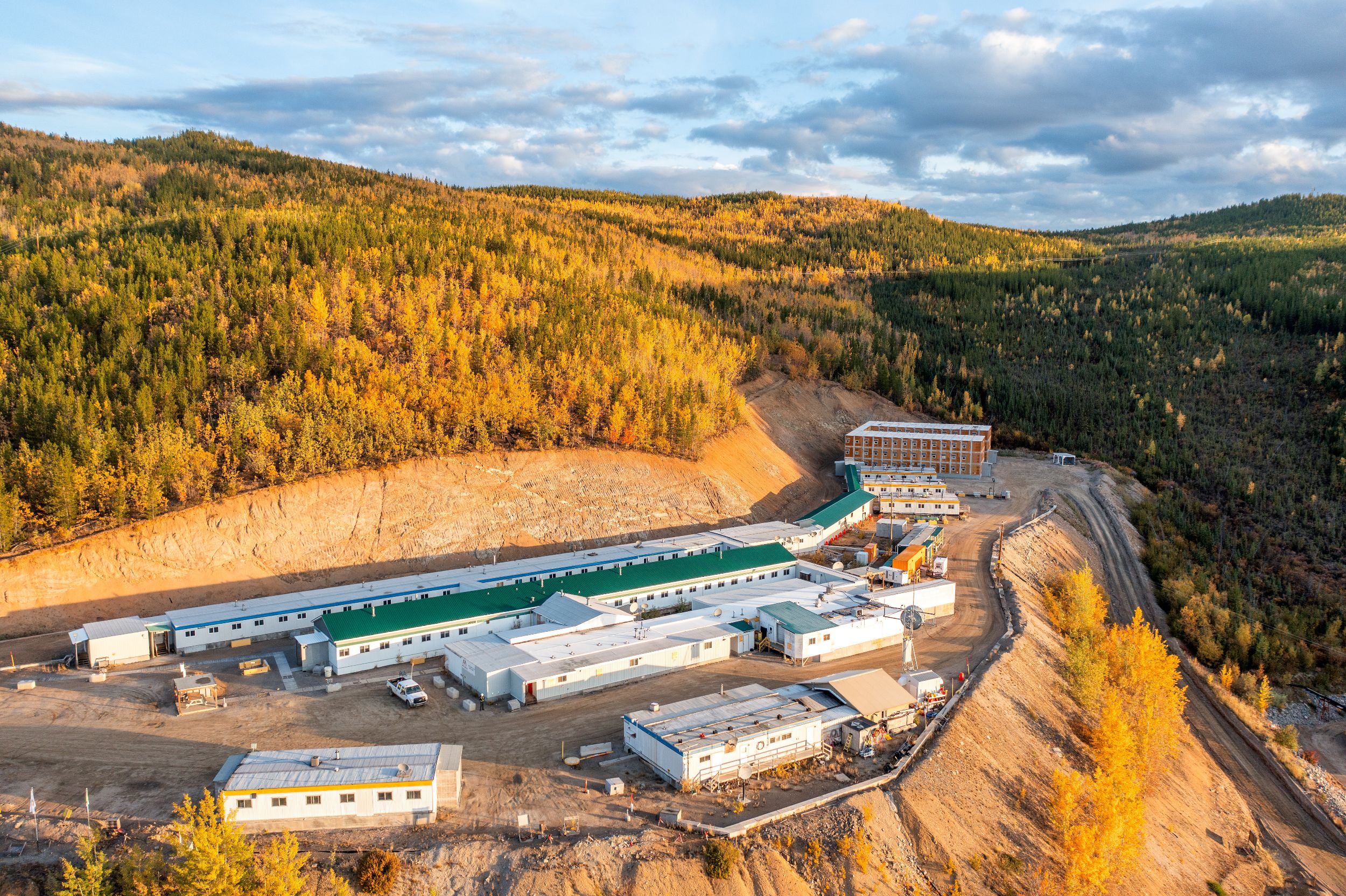
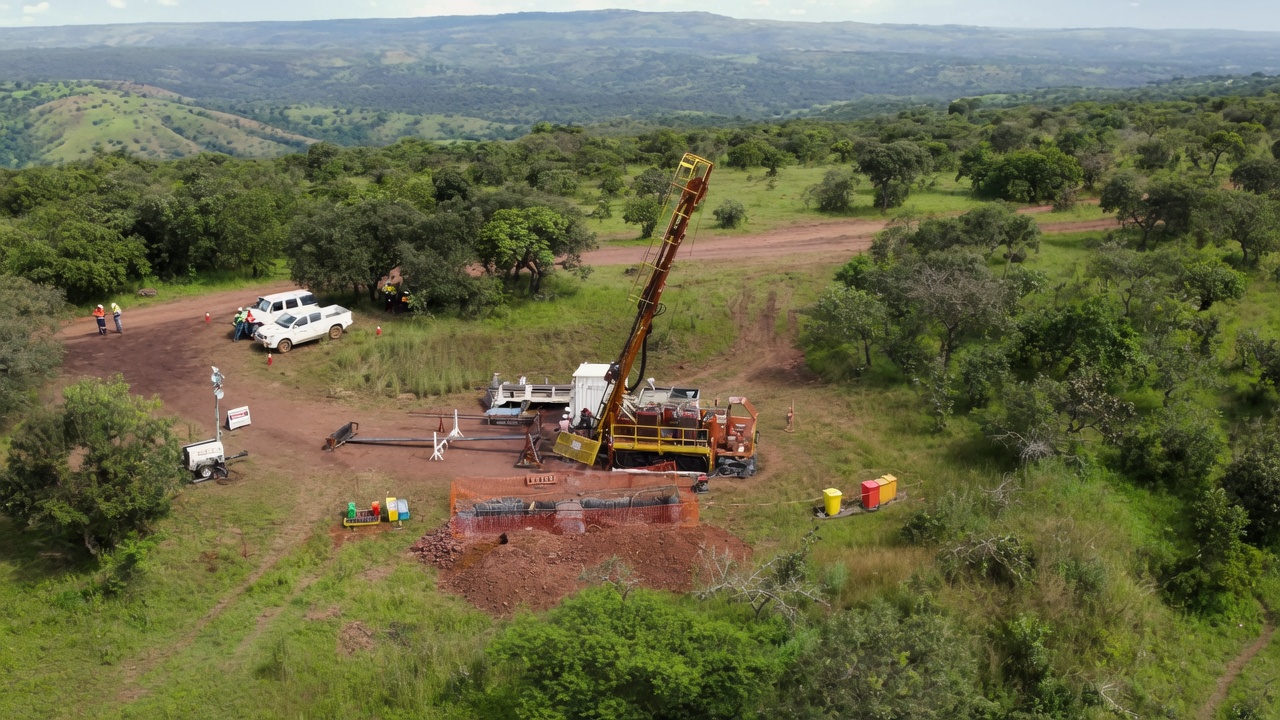
Selkirk Copper Mines (TSXV: SCMI | OTCQB: SKRKF | FRA: IO20) has spelled out what the loss of Minto's gold and silver stream does inside the mill. Management says the company has completed metallurgical test work on the gold and silver recovery that a gravity circuit would add, and is targeting two gravity concentrators in the restart circuit, which it says would probably raise recovery of each metal by about 10%. The former Minto copper-gold-silver mine in central Yukon includes a processing plant rated at 4,100 metric tons per day. The precious metals stream that had once encumbered the asset was removed in the previous operator's bankruptcy, and the gravity equipment that recovered gold and silver had been switched off well before then.
Gold and Silver Recovery Under the Previous Stream
The reason gold and silver recovery trailed the mill's copper performance was contractual, not metallurgical. Selkirk Copper puts average copper recovery over the life of the mine at around 91% and attributes this to the deposit's coarse-grained copper sulfide minerals, chalcopyrite and bornite, which the mill recovered without much effort. Gold and silver were the metals the plant left behind.
Minto carried a gold and silver stream held by Wheaton Precious Metals, an arrangement under which a financier takes a share of a mine's precious metals, and it paid the streamer more than US$250 million over the life of the mine. With that agreement in place, the previous operator decommissioned the gravity circuits that had added gold and silver recovery. Gravity equipment separates dense gold and silver particles by weight.
President and Chief Executive Officer of Selkirk Copper Mines, M. Colin Joudrie, traces the shortfall mainly to the contract rather than the rock:
"There was this metal stream in place, and the operator was not incentivized to recover additional gold and silver."
Selkirk Copper holds no such agreement, so the equipment the previous operator idled is back under consideration.
Gravity Recovery in the Restart Circuit
The test work behind the change is finished, and what follows from it is an intention, not a commitment. No capital cost for the two gravity concentrators and no decision date have been stated.
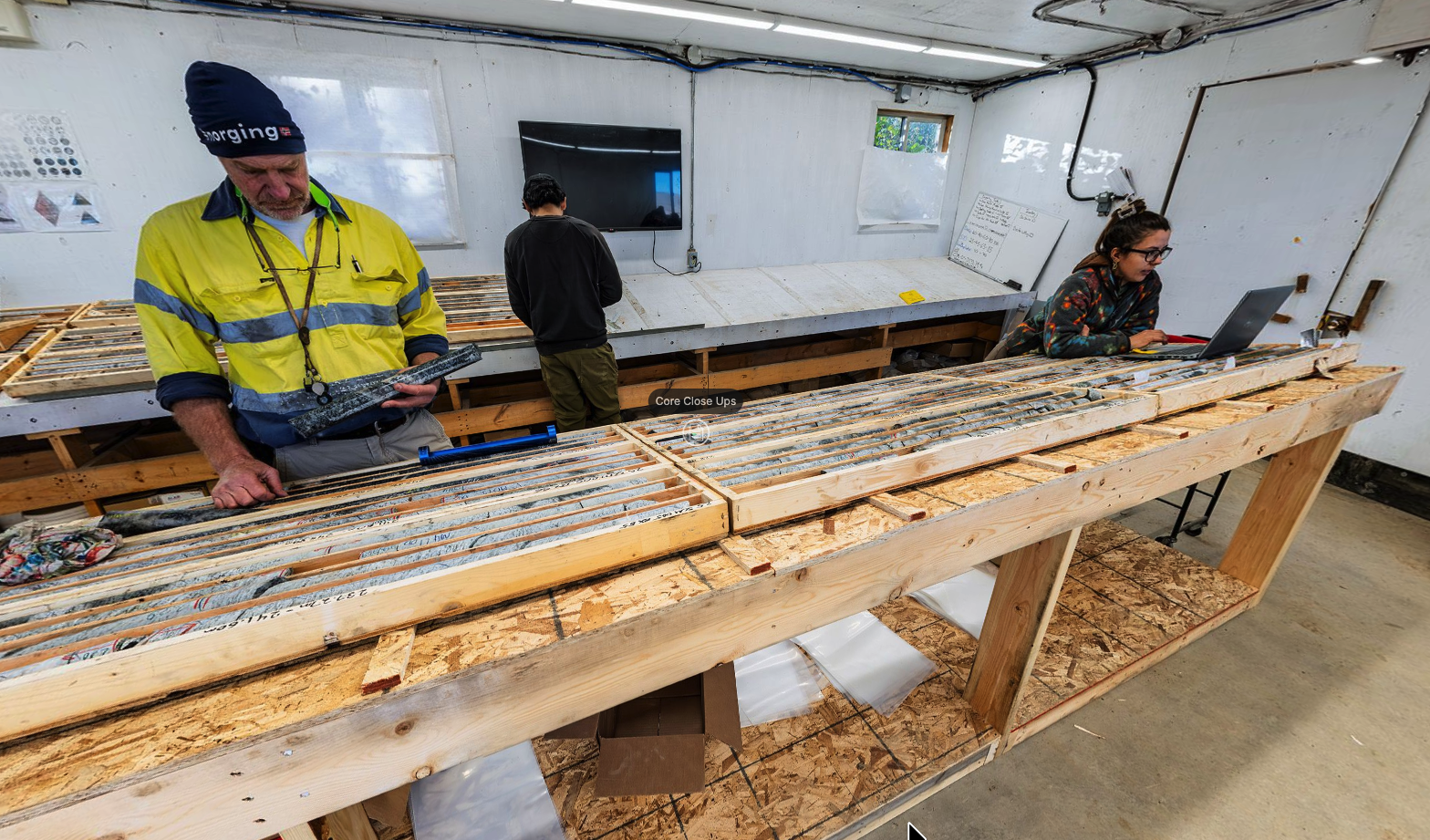
A second strand of the same work concerns the open pit's oxide material, the near-surface rock in which the copper minerals have been weathered. The company says it wants the right metallurgical response from that material and will blend it through the mill to help maintain high recoveries, with further work on it at the feasibility stage. The Phase 2 drill program is also collecting geotechnical data for that study.
The restart plan is built on holding the plant's rated throughput at steady grades. The company pairs that with an ore-blending strategy that keeps mining ahead of milling. Management describes the job as getting the right rock into the mill at the right grade. Against that throughput, the current estimate assumes processing costs of C$30 per metric ton milled and general and administrative costs of C$20 per metric ton milled.
Where Minto's Ore Value Comes From
Gold and silver are not byproducts at Minto. Management allocates 65% of the asset's value to copper and 35% to gold and silver, with the majority in gold, and says the company now holds full ownership of and exposure to both, which no past operator at Minto has had. Both metals end up in the same copper-gold-silver concentrate the mill produces, specified at 36% to 40% copper, 12 to 18 grams per metric ton (g/t) of gold, and 100 to 150 g/t silver. The only royalty left on the asset is a 1.5% net smelter return payable to Selkirk First Nation, a share of revenue after smelting and refining deductions. The company describes the elimination of a stream through bankruptcy as a rare event.
The company's published figures already carry an assumption about that value. The copper-equivalent calculation behind the 2026 drill results, which restates the gold and silver as the copper they are worth, uses a copper recovery of 90% and gold and silver recoveries of 80% each, at US$4.60 per pound for copper, US$3,300 per ounce for gold, and US$40 per ounce for silver, and those recoveries are estimated from historical mineral processing results. The mineral resource estimate, effective June 10, 2026, applies its own recovery formulas that cap gold at 85%, silver at 85%, and copper at 98%. Payment terms then trim what recovery delivers: the estimate assumes 97.5% of the copper is payable, 98% of the gold, and 92% of the silver, after unit deductions of 1 g/t gold and 30 g/t silver. Neither set of assumptions reflects the test work management described in August.
Joudrie puts the accounting last when he describes what the stream's disappearance alters:
"That is a big change for us, and we're trying to make sure that that's reflected properly in everything that we're doing, not just the financials."
How much of that extra gold and silver reaches a payable concentrate is what the coming studies have to quantify.
Broader Context
The precious metals the stream once covered have repriced sharply. Between January 1, 2023, and August 13, 2026, copper rose 75%, from US$3.75 per pound to US$6.61 per pound. Gold rose 138%, from US$1,846 per ounce to US$4,387 per ounce, and silver rose 168%, from US$24.23 per ounce to US$64.99 per ounce. Diesel in Whitehorse rose 53% over the same period, from C$1.347 per liter to C$2.062 per liter.
The rise in copper, gold, and silver prices, in combination with the removal of the precious metals stream, changes the value of a metric ton of ore and changes how the company approaches exploration, resource modeling, mine planning, and mineral processing. On input costs, labor, fuel, and consumables have risen, though not to the same extent as metal prices.
Peak annual output was 31,000 metric tons of copper, 40,000 ounces of gold, and 355,000 ounces of silver in 2016, and the restart targets about 30,000 metric tons of copper-equivalent production per year over a mine life of 12 to 15 years.
What to Watch Next
The plant change gets its numbers from two studies. Selkirk Copper is committed to completing a preliminary economic assessment (PEA) in the third quarter of 2026, with stated objectives that include an updated operating cost estimate built on current power, labor, fuel, and consumables costs. An early-stage closure plan is another of that study's stated objectives. The additional metallurgical work on the oxide material and the blending response fall under the feasibility study that follows.
One financing option would put a smaller version of the old encumbrance back on the asset. Management has said the company will consider a silver stream as one of its financing options.
Joudrie sizes it against the ore rather than against the balance sheet:
"I'm not a big fan of the stream in that regard, but it's about 2 to 3% of the value of this ore."
The company's stated view is that silver streams are a cost-effective way to finance, and that this is one of several options under consideration, not a decision taken.
FAQs (AI-Generated)
Analyst's Notes





Subscribe to Our Channel






.jpg)
Stay Informed


