




Dead Mines, New Money: Why Copper's Next Wave Could Come From the Ground Already Broken



Brownfield copper restarts are gaining investor attention as legacy liabilities clear and metal prices rise. Here is what that means for the sector and for projects like Minto.
- Brownfield copper restarts offer a faster and cheaper path to production than building a new mine from scratch, because the processing plant, roads, and infrastructure already exist.
- Rising copper, gold, and silver prices since 2023 have fundamentally changed the economics of assets that previously looked marginal or unprofitable.
- Bankruptcy processes can remove legacy financial arrangements such as streaming agreements and offtake contracts that weighed on previous operators, making the same physical asset significantly more valuable under new ownership.
- Genuine equity partnership with Indigenous communities, rather than consultation alone, is emerging as a more durable foundation for obtaining and maintaining social license in politically sensitive jurisdictions.
- Selkirk Copper is pursuing a structured, methodical restart of the Minto copper-gold-silver mine in the Yukon, with the Selkirk First Nation holding an 18% equity stake and two board seats.
When most people think about building a new mine, they picture a company going into untouched land, drilling for years, spending hundreds of millions of dollars on construction, and eventually producing metal a decade later if everything goes right. That is the reality for most new copper projects today, and it is a big part of why the world faces a growing gap between how much copper it needs and how much is actually being produced.
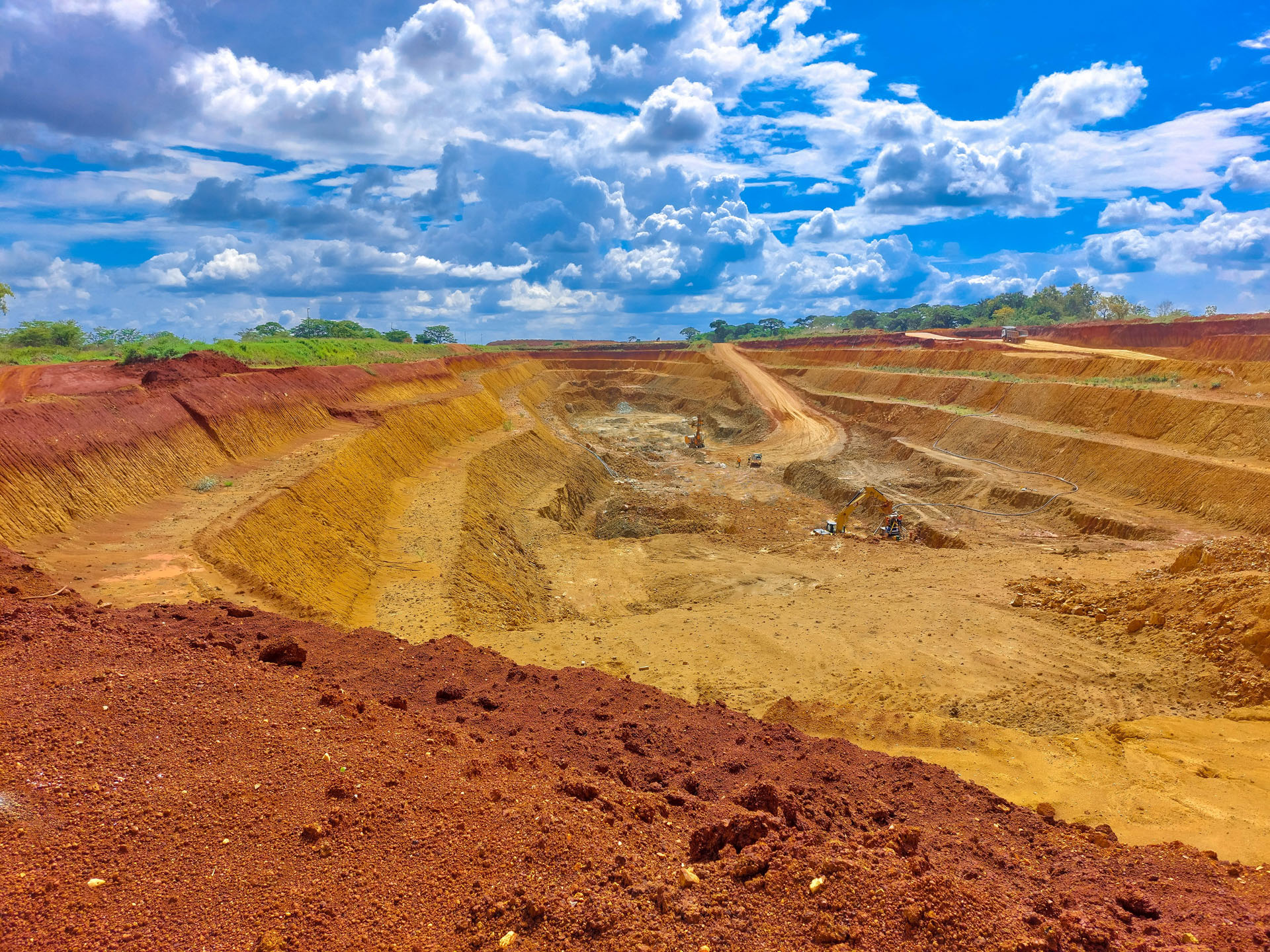
But there is another category of opportunity that gets less attention: mines that already exist. Mines that were built, operated for years, and then shut down not because the copper ran out, but because the companies running them ran into financial trouble. These are called brownfield assets, and in the current environment, they are attracting serious investor interest.
The reason is simple. Copper prices have risen significantly since 2023. Gold and silver, which often appear alongside copper in the same ore, have also climbed sharply over the same period. Assets that looked marginal or unprofitable a few years ago can look very different when the metals they contain are worth substantially more.
Why Mines Fail & What Gets Left Behind
To understand why old mines are worth a second look, it helps to understand why they failed in the first place.
When copper prices fall, mines that were profitable can quickly become loss-making. Companies that took on heavy financial commitments during better times, including loans, royalty arrangements, and contracts that lock in selling prices below what the market later offers, can find themselves running out of money even while the mine is still producing metal. Eventually, some of those companies go bankrupt.
Bankruptcy is a painful process, but it does one important thing: it clears the slate. A new owner can acquire the physical mine, including the buildings, the equipment, the roads, and the processing plant, without inheriting the financial arrangements that helped sink the previous operator.
This matters especially for copper mines that also produce gold and silver. Some of these operations ran under streaming agreements, where a financial company provided upfront cash in exchange for the right to buy the mine's gold and silver at a fixed, below-market price for years into the future. When gold and silver prices rise sharply, those agreements become extremely costly for the mine operator. Losing them through a bankruptcy process can dramatically improve the economics of the same asset under new ownership.
The Cost Advantage of Starting With Something Already Built
Building a copper mine from scratch is extraordinarily expensive. Before a single tonne of ore is processed, a company needs to construct a processing plant, build roads, set up worker accommodation, install water treatment systems, and manage dozens of other capital requirements. That spending happens years before any revenue comes in.
A mine that has already been built sidesteps most of that. The processing plant is already there. The roads exist. The camp is standing. Years of drilling have already mapped out where the copper is underground. The question becomes not how to build all of this, but whether the copper in the ground justifies the cost of getting it running again. That is a much simpler and usually much cheaper calculation.
With a compressed timeline, a restart can potentially reach production within two to three years, compared to a decade or more for a new mine. The investment also carries less of the long-term uncertainty that makes greenfield development so difficult to finance.
The Complications That Come With the Territory
None of this means brownfield restarts are straightforward. The same financial distress that makes these assets available can mean they have been poorly maintained. Regulators may have had difficult experiences with the previous operator. Indigenous communities may carry justified grievances from how the mine was managed before it closed.
Underground mines that have been sitting idle for years typically fill with water. Before mining can resume, that water needs to be removed, a process with its own environmental requirements and costs. Developers most likely to succeed are those who approach these assets with clear eyes, doing the detailed technical work before committing to a restart.
Selkirk Copper & the Minto Mine: A Working Example
One of the clearest current examples of this approach in the Canadian copper sector involves Selkirk Copper Mines Inc. (TSX-V: SCMI | OTCQB: SKRKF | FRA: IO20) and the Minto copper-gold-silver mine in the central Yukon. Minto entered production in 2007 and operated for more than fifteen years under three different companies, reaching peak annual output of 31,000 of copper, 40,000 ounces of gold, and 355,000 ounces of silver in 2016. The final operator, Minto Metals, went bankrupt in May 2023 after regulators imposed operating restrictions due to concerns about financial security. The bankruptcy left behind more than C$300 million worth of intact infrastructure and also removed two costly financial arrangements: a gold and silver streaming agreement previously held by Wheaton Precious Metals, which had generated more than US$250 million in payments over the mine's life, and a concentrate offtake agreement previously held by Sumitomo. The only royalty now remaining is a 1.5% net smelter return payable to the Selkirk First Nation.
What sets this restart apart is the structure of the community relationship. The Selkirk First Nation completed the acquisition of the Minto Mine's assets in June 2025, and Selkirk Copper Mines Inc. was subsequently formed with the nation holding an 18% equity stake and two board seats following a C$40 million financing in October 2025 and a further C$35 million raise in April 2026. The nation is not simply a consultation stakeholder. It is the largest single shareholder in the company, with nominated board representation and engineering consultants embedded in the technical study work, creating shared economic interests that a conventional consultation process does not provide.
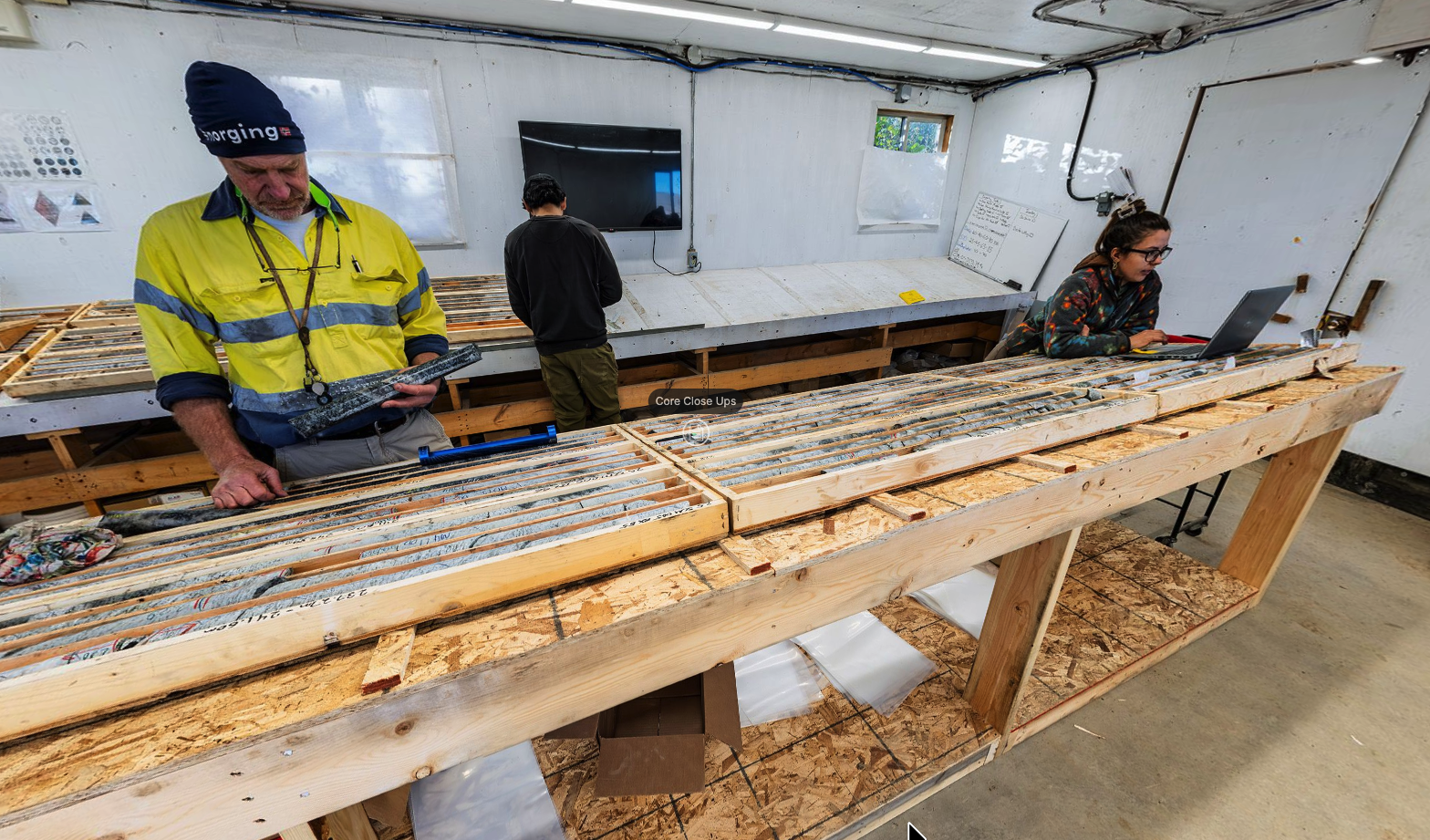
On the technical side, Selkirk Copper has moved quickly. A 52,288-metre Phase 1 drill program completed in early 2026, one of the largest conducted in the Yukon in the past decade, returned results showing an expansion of up to 90% in the high-grade Minto North West Zone, and a second 50,000-metre program is now underway. The company's current resource estimate includes a combined Indicated resource of 12.6 million tonnes grading 1.20% copper containing 334 million pounds of copper, and an Inferred resource of a further 23.7 million tonnes grading 1.05% copper containing 547 million pounds of copper. A Preliminary Economic Assessment targeting a 12 to 15-year mine life at 4,100 tonnes per day throughput and approximately 30,000 tonnes of copper equivalent per year is due by mid-2026, with a full feasibility study planned for mid-2027 and first production possible in mid-2028.
What This Means for the Copper Sector
For investors watching the copper space, the brownfield restart category offers a useful lens. Not every old mine is worth restarting, as the technical, financial, and community conditions all need to align. But when they do, the combination of existing infrastructure, cleared legacy liabilities, updated resource knowledge, and genuine equity partnership with local communities can create a risk and return profile that looks quite different from either early-stage exploration or large-scale greenfield development.
Copper demand is not going away. The energy transition, electric vehicles, and grid expansion all require large and growing quantities of the metal. Where that supply will come from, and how quickly, is a question the industry will be wrestling with for years. Brownfield restarts may not be the whole answer, but they are increasingly part of the conversation.
FAQs (AI-Generated)
Analyst's Notes





Subscribe to Our Channel





Stay Informed


