




EraNova's Molybdenum Development Story on C$714M NPV Adanac Project in Canada


.jpg)
EraNova's Adanac PEA delivers a C$714m after-tax NPV, 23.5% IRR and 24-year mine life at a $10m market cap - a rare primary molybdenum development play.
- EraNova's Adanac PEA delivers a C$714.4 million after-tax NPV, a 23.5% IRR and a 2.6-year payback at a $25/lb molybdenum price, rising to C$1.29 billion and a 30.2% IRR at the current $31.91 spot price.
- The project carries more than C$100 million in historical infrastructure investment, a 2007 Environmental Assessment Certificate, and over 73,000 metres of historical drilling, providing an unusually de-risked foundation for a PEA-stage asset.
- Ninety-three percent of the mine plan is sourced from Measured and Indicated resources, out of a total 435.7 million pound Measured and Indicated molybdenum resource, reducing the need for extensive further drilling.
- Molybdenum supply is structurally constrained because roughly 90% of global output comes as a by-product of copper mining, and by-product grades are declining as copper operations move underground.
- Against a market capitalisation the company puts at roughly $10 million, EraNova plans to fund its C$953.3 million initial capital requirement incrementally, through government programmes, strategic partnerships and off-take discussions.
Molybdenum rarely gets discussed in the same breath as gold, copper or lithium, but the metal that hardens steel for pipelines, aerospace components and defence applications is quietly becoming scarcer just as demand for high-performance alloys grows. EraNova Metals (TSXV:NOVA) (OTCQB:STXPF) is betting that a decades-old, partially built molybdenum project in northern British Columbia can capitalise on that supply squeeze - and its newly released Preliminary Economic Assessment (PEA) gives investors the first modern economics on the asset since 2008.
The PEA, prepared by Tetra Tech Canada, values the Adanac Molybdenum Project at an after-tax net present value (NPV) of C$714.4 million at an 8% discount rate, with a 23.5% internal rate of return (IRR) and a 2.6-year payback, based on a long-term molybdenum price of US$25.00 per pound. At the current spot price of US$31.91 per pound, President and CEO Meredith Eades said those figures rise to a C$1.29 billion after-tax NPV, a 30.2% IRR and a 2.4-year payback. Against a market capitalisation the company itself puts at roughly $10 million, the numbers point to a significant valuation gap.
A Project With a Head Start
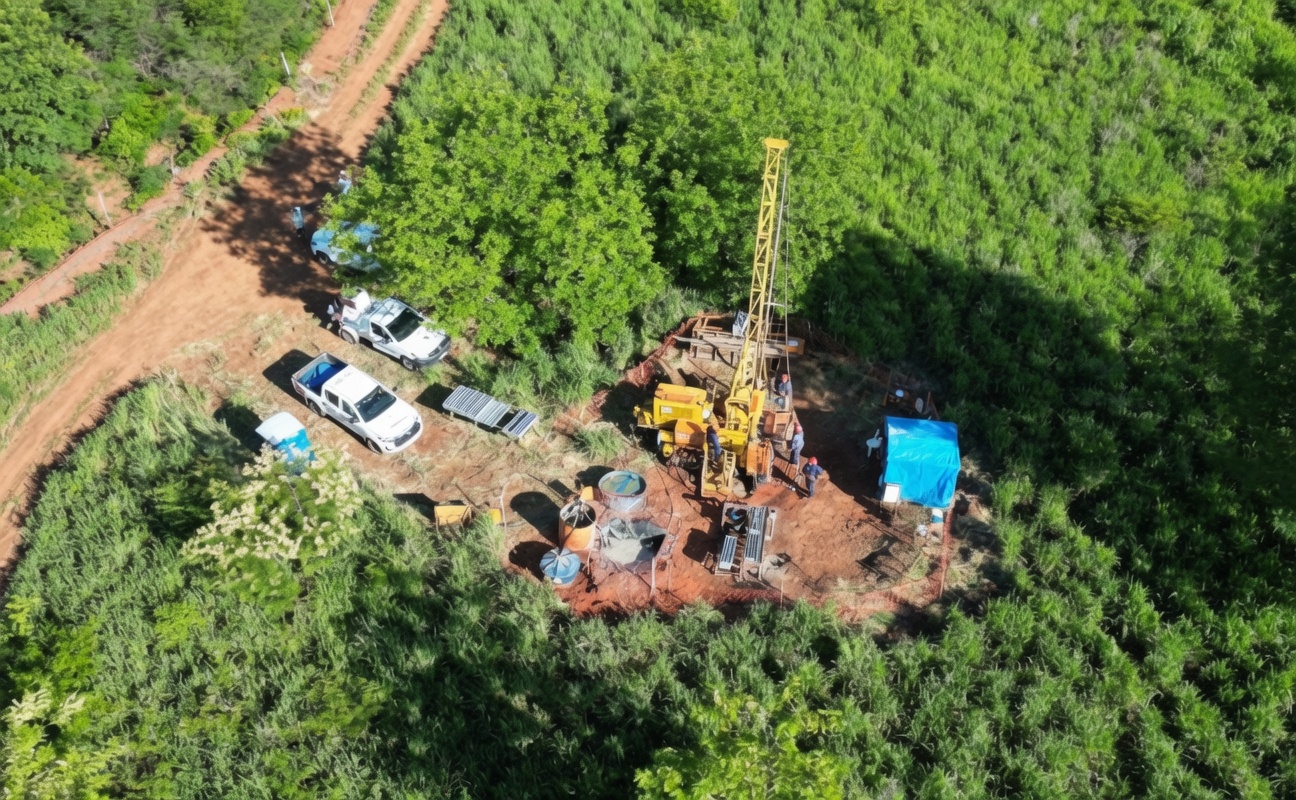
Adanac is not a greenfield discovery. First identified in the late 1960s, the project has absorbed more than 73,000 metres of drilling, underground bulk sampling, a completed feasibility study and an Environmental Assessment Certificate (EAC) issued in 2007, before construction was halted by the 2008 financial crisis. EraNova puts the value of this historical work at more than C$100 million, alongside established road access linking the site to Atlin, Whitehorse and the deep-water Port of Skagway, Alaska.
Eades argues this history is the company's central asset. EraNova's working towards building market awareness of a project that already carries permitting and engineering credibility most junior developers lack.
"Investors haven't recognised the value of what we have, which is... this development asset that's got a whole lot of infrastructure from historical workings in the past."
PEA Highlights: Scale, Grade and Cost
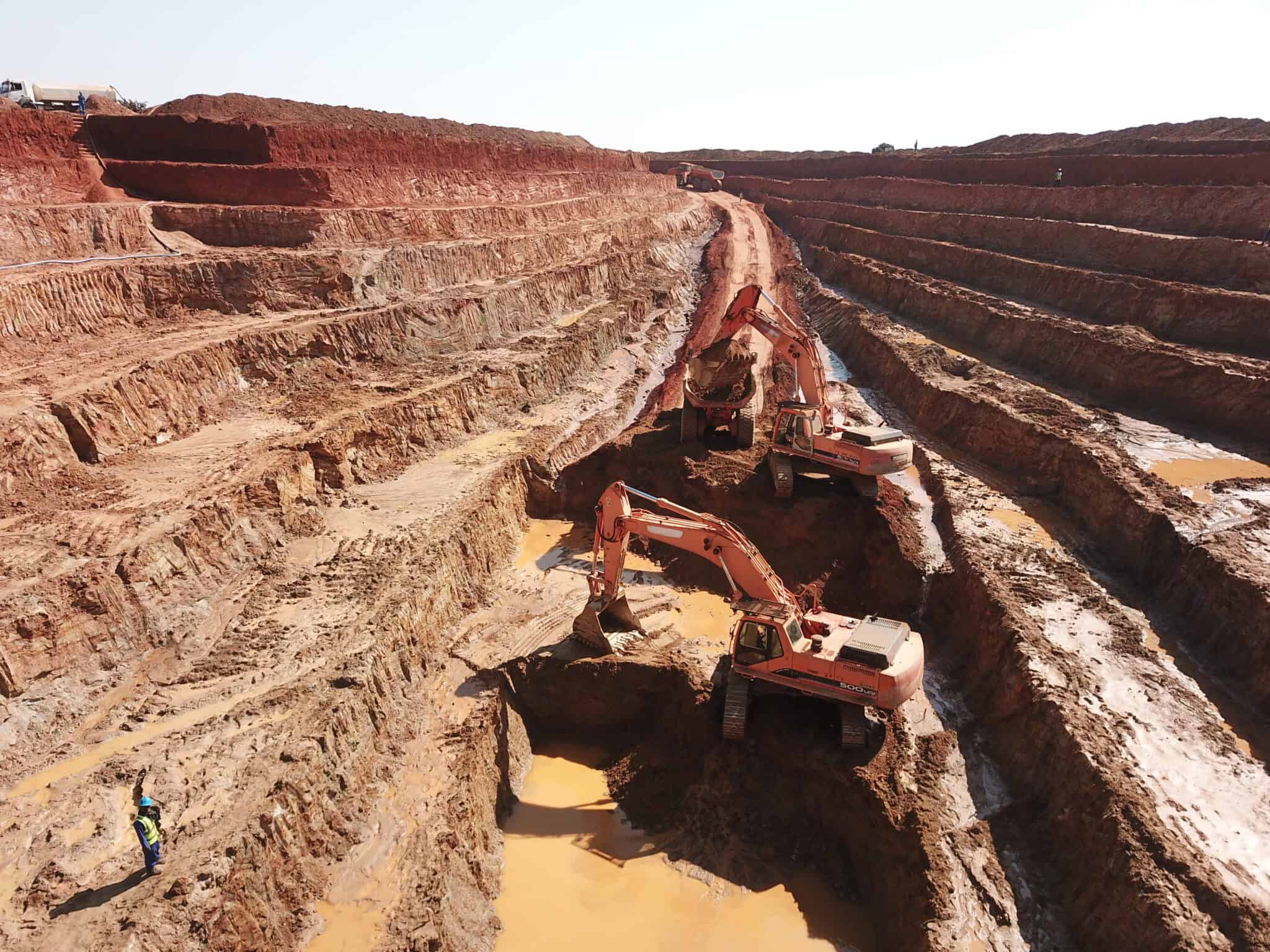
The PEA outlines a 30,000-tonne-per-day open-pit operation with a 24-year mine life, producing an average of 11.4 million pounds of molybdenum annually and 270.1 million pounds over the life of mine. Cash costs are estimated at US$17.48 per pound and all-in sustaining costs at US$19.79 per pound. Initial capital requirements are C$953.3 million, including C$120.7 million of contingency.
Resource confidence is high: the updated Mineral Resource Estimate reports 435.7 million pounds of contained molybdenum in the Measured and Indicated categories, with a further 71.0 million pounds Inferred. Ninety-three percent of the pounds scheduled in the mine plan come from Measured and Indicated resources, reducing the need for further definition drilling ahead of a Feasibility Study.
Interview with Meredith Eades, President and CEO, EraNova Metals
A Structurally Tight Molybdenum Market
Roughly 90% of the world's molybdenum supply is produced as a by-product of copper mining, meaning primary molybdenum developers such as EraNova are unusual in a market increasingly short of dedicated supply. Eades points to declining by-product grades as copper operations move underground.
"Ninety percent of moly comes as a by-product of copper, and what's happening is a lot of the copper mines - the grades of moly and copper - are decreasing as they're going underground. That's constricting the supply available of moly."
Molybdenum's uses extend well beyond conventional steelmaking. It is used in pipelines and energy infrastructure, aerospace engineering, defence and industrial manufacturing - applications where high-strength, corrosion-resistant alloys are essential and substitution is limited. Molybdenum is included on Canada's critical minerals list, a status EraNova intends to leverage in seeking federal and provincial funding as it advances toward Feasibility. Eades also notes that dedicated primary molybdenum developers are rare, since most existing supply is tied to copper producers' own capital and mine-planning decisions rather than to molybdenum-specific investment - a structural gap she believes favours a project like Adanac. Demand is expected to grow over the next two decades even as new supply remains difficult to bring online.
Funding the Path to Feasibility
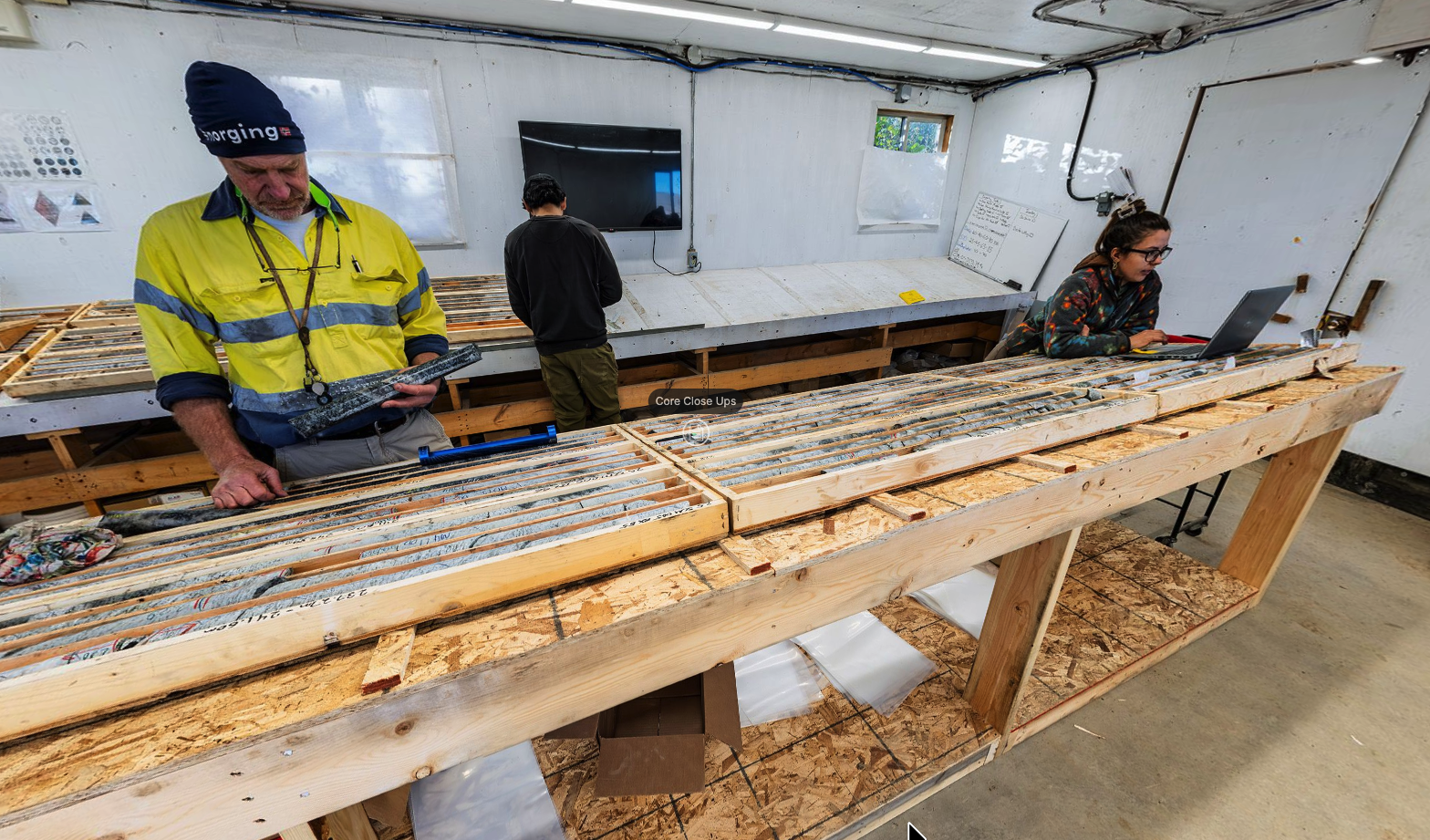
EraNova is not seeking to raise the full C$953.3 million capital cost in one step. Eades frames the PEA as the first of several de-risking milestones intended to widen the pool of available capital - through government critical-minerals funding, strategic partnerships, and off-take discussions with consumers such as Freeport, Centerra and Molymet. Engineering support drilling of approximately 3,000 metres is planned to support a Feasibility Study, focused on infill, geotechnical and metallurgical work rather than resource expansion. In parallel, the company intends to advance an updated environmental assessment and permitting process, continuing engagement with the Taku River Tlingit First Nation.
Eades points to peer precedent for how these conversations can build market confidence: she cites Greenland Resources' memoranda of understanding with potential offtake partners as evidence that demonstrated buyer interest can de-risk a project ahead of full financing being in place. She plans to attend the International Molybdenum Association's AGM to advance similar conversations. Throughout, she has stressed capital efficiency and minimising dilution as priorities, describing her approach as raising capital "in context to the market" at each stage rather than committing to the full C$953.3 million build upfront.
Exploration Optionality Beyond Adanac
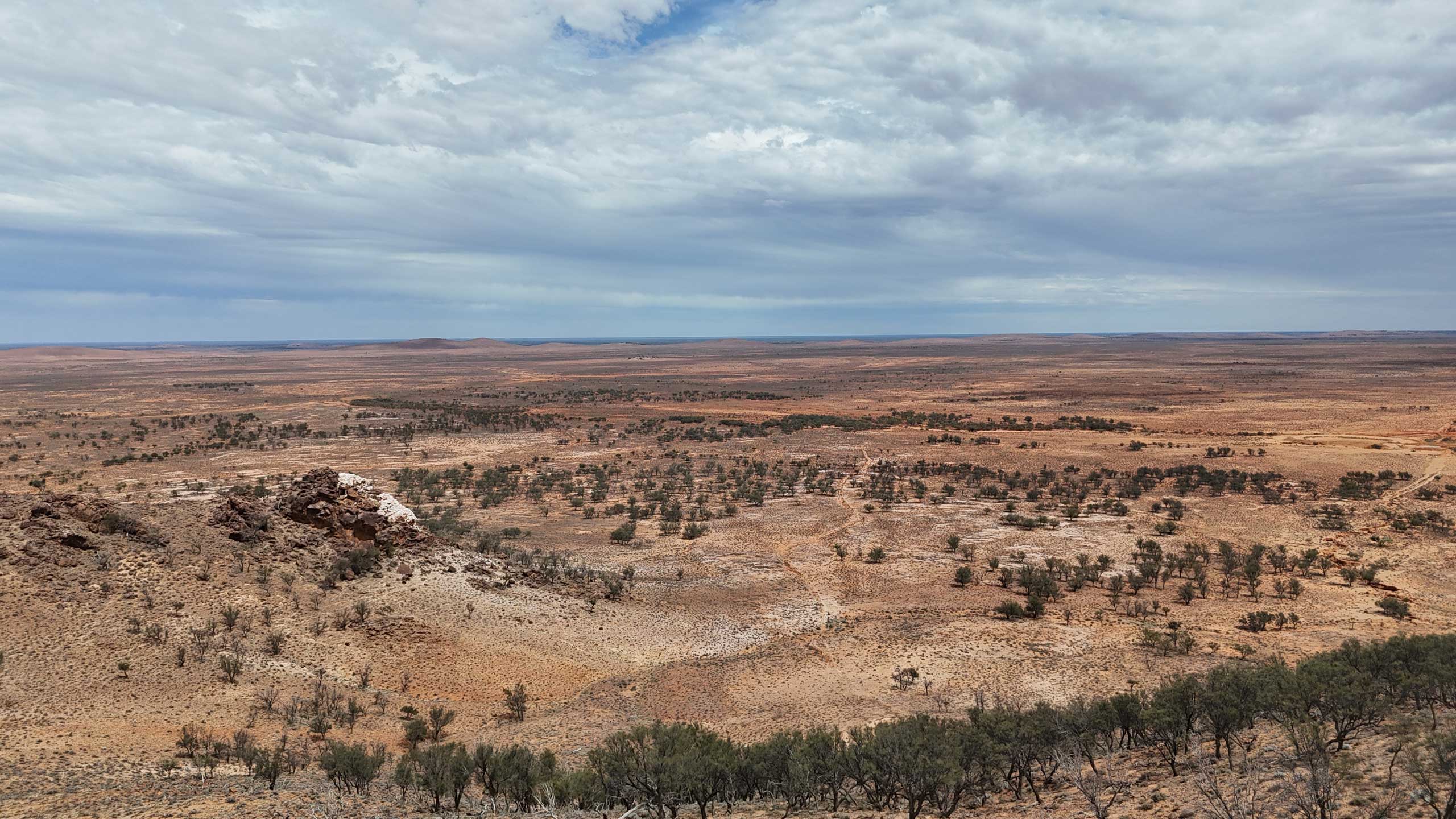
Beyond the molybdenum development case, EraNova's 29,700-hectare Ruby Creek property hosts the Atlin Discovery Project, a district-scale package of gold, silver, copper and tungsten targets. A reprocessed bulk sample from the high-grade Silver Surprise zone produced a 50-ounce silver bar at grades of 4,200 g/t silver, and widespread tungsten mineralisation - including historical values up to 17% WO₃ - has been identified flanking the molybdenum resource itself, though it has not yet been systematically assayed.
Other targets across the property include Lakeview, where grab samples have returned up to 257 g/t gold and 3,660 g/t silver from visible gold-bearing quartz veins, and Ruffner, a historic silver-producing area where recent exploration has identified a potential copper-gold porphyry system beneath earlier high-grade silver workings. Grab samples are inherently selective and not necessarily representative of broader mineralisation across the property, but together the targets point to multiple deposit styles within Ruby Creek. Management has said it intends to advance this exploration selectively, as a complement to - rather than a distraction from - the Adanac Feasibility Study.
Investment Thesis for EraNova Metals
- Adanac's C$714.4 million after-tax NPV and 23.5% IRR compare to a market capitalisation of roughly $10 million, indicating a substantial valuation disconnect if the PEA economics hold through Feasibility.
- More than C$100 million in historical infrastructure, a previously issued EAC, and 93% Measured and Indicated resource classification provide a materially de-risked starting point compared with typical greenfield molybdenum developments.
- Structural under-supply of molybdenum, driven by declining by-product grades from ageing copper operations, supports a favourable pricing backdrop for one of the few primary molybdenum developers globally.
- Meaningful leverage to spot pricing: at US$31.91 per pound versus the US$25.00 base case, after-tax NPV rises to C$1.29 billion and IRR to 30.2%.
- Near-term catalysts include off-take and government funding discussions following the PEA, progress on the planned Feasibility Study, and results from the approximately 3,000-metre engineering support drilling programme.
- Monitor dilution risk as the company raises capital in stages toward the C$953.3 million initial capex requirement; management has stated an intent to preserve shareholder value through incremental, milestone-based funding.
- Exploration results from Silver Surprise, Lakeview, Ruffner and the Black Diamond Corridor targets offer additional, uncorrelated catalysts across the wider Ruby Creek property.
Macro Thematic Analysis
Molybdenum sits at an unusual point in the critical minerals cycle. Unlike lithium or rare earths, it rarely features in headline supply-chain policy discussions, yet it is indispensable to high-strength steel used across pipelines, energy infrastructure, aerospace and defence manufacturing - sectors seeing sustained capital investment. The metal's supply chain is structurally awkward: roughly 90% of global output arrives as a by-product of copper mining, meaning molybdenum supply growth is largely dictated by copper capital allocation and ore-grade trends rather than by molybdenum economics themselves. As copper operations increasingly move to underground, lower-grade mining, by-product molybdenum output is coming under pressure at precisely the moment demand continues to climb.
That dynamic creates a structural opening for primary molybdenum developers, of which there are very few globally. EraNova's position is reinforced by the fact that Adanac already carries a completed PEA, an issued EAC, and decades of engineering work that would typically take a greenfield project years and tens of millions of dollars to replicate. Eades is candid that near-term share price recognition is not guaranteed.
"In the short term the market doesn't always value things at fair value. In the long term, I believe that the market does eventually see the value that is in front of them."
TL;DR
EraNova Metals' PEA values its Adanac Molybdenum Project at a C$714.4 million after-tax NPV, 23.5% IRR and 2.6-year payback, rising further at spot molybdenum prices. Built on more than C$100 million of historical infrastructure, a 2007 environmental certificate and a 93% Measured and Indicated resource, Adanac offers an unusually de-risked starting point for a primary molybdenum developer. Against a roughly $10 million market cap, and with molybdenum supply structurally constrained by declining copper by-product grades, management sees the PEA as the inflection point for funding conversations toward Feasibility.
FAQ (AI Generated)
Analyst's Notes





Subscribe to Our Channel







Stay Informed


