




Sovereign Metals Plots $750M Kasiya Build for US-Aligned Critical Minerals Supply


Sovereign Metals CCO Sapan Ghai on US offtake talks, a $750M Kasiya funding plan, Rio Tinto stepping back as operator and new heavy rare earth upside.
- US State Department interest has reframed Kasiya as a supply source for US and allied titanium, graphite and heavy rare earth demand.
- Sovereign will build Kasiya itself on the back of a DFS completed with Rio Tinto’s input.
- Peak funding is estimated at about $750 million, with roughly $450 million targeted from DFIs and $300 million from equity and offtake-linked finance.
- Rutile is expected to flow to Japanese titanium producers, while industrial graphite has a non-binding US marketing arrangement with Traxys.
- A scoping-level heavy rare earth add-on of about $30 million could add around $80 million a year in profit, giving material upside optionality.
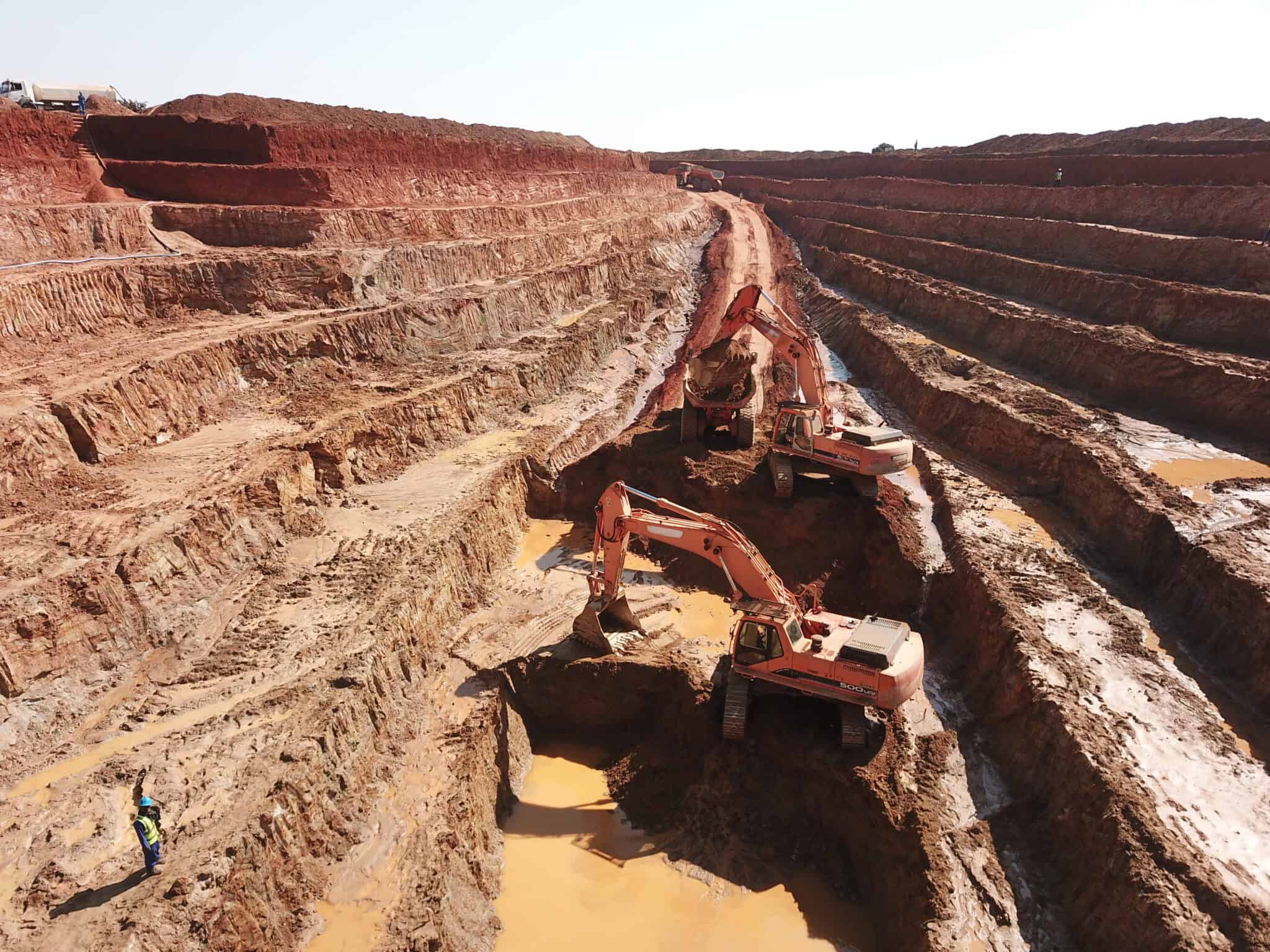
Sovereign Metals Limited (ASX:SVM | AIM:SVML | OTCQX:SVMLF) is rebuilding the commercial case for its Kasiya project in Malawi around one buyer group: the US and its allies. Kasiya hosts what the company describes as the world’s largest rutile deposit, alongside a large graphite co-product and a newly identified heavy rare earth concentrate. Chief Commercial Officer Sapan Ghai explained how approaches from the US State Department have reshaped offtake and funding conversations. He also addressed Rio Tinto’s decision not to take on operatorship and set out a working assumption of roughly $750 million in peak funding. For investors, the question is whether Washington’s interest can be converted into binding offtakes and development finance on management’s timeline.
Sovereign Steps Up
Rio Tinto has invested roughly A$60 million in Kasiya and built its holding in Sovereign from an initial 15% to just under 20% but declined to take on operatorship. Ghai was clear that the decision reflects Rio Tinto’s corporate priorities rather than any concern about the asset.
“Rio Tinto has not stepped away from the project from a technical perspective because of any technical red flags or anything to do with the project [or] the company itself. This is completely because of a change in guard at Rio Tinto, a new strategy for them where they are basically focused on copper, aluminium, iron ore and some lithium.”
Ghai argued the partnership has left Sovereign on a stronger footing. Rio Tinto contributed capital and technical input to the Definitive Feasibility Study (DFS), and Ghai expects actual outcomes to land within plus or minus 5% to 10% of its estimates. The World Bank was brought in during that period to support environmental and social work. Former Rio Tinto environmental, social and corporate affairs staff have since joined Sovereign. Ghai added that the build team has constructed around a dozen mines in Africa over 25 years.
The shift from explorer to developer is visible at board level too. Dr Julian Stephens, who led the team that discovered Kasiya, has stepped down as a non-executive director and remains a consultant. Ghai said no further drilling or geological work is needed.
Washington Comes to Kasiya
Ghai said the US State Department and other agencies approached Sovereign roughly nine months ago. Their question was how Kasiya’s minerals could be processed in Malawi into products suited to US end uses, from aerospace and defence-grade titanium to industrial graphite and refined heavy rare earths. Ghai has also briefed the White House Council of Economic Advisers on the titanium and graphite markets.
He described the engagement as covering offtakes, funding and knowledge sharing. On funding, his position is direct.
“If DC would like these molecules in the ground to end up in something useful in the US, then we would like them to help us build it.”
Ghai said Kasiya’s rutile output over its first 25 years is equivalent to well over 50,000 fighter jets’ worth of titanium. The figure is a company illustration rather than a contracted volume.
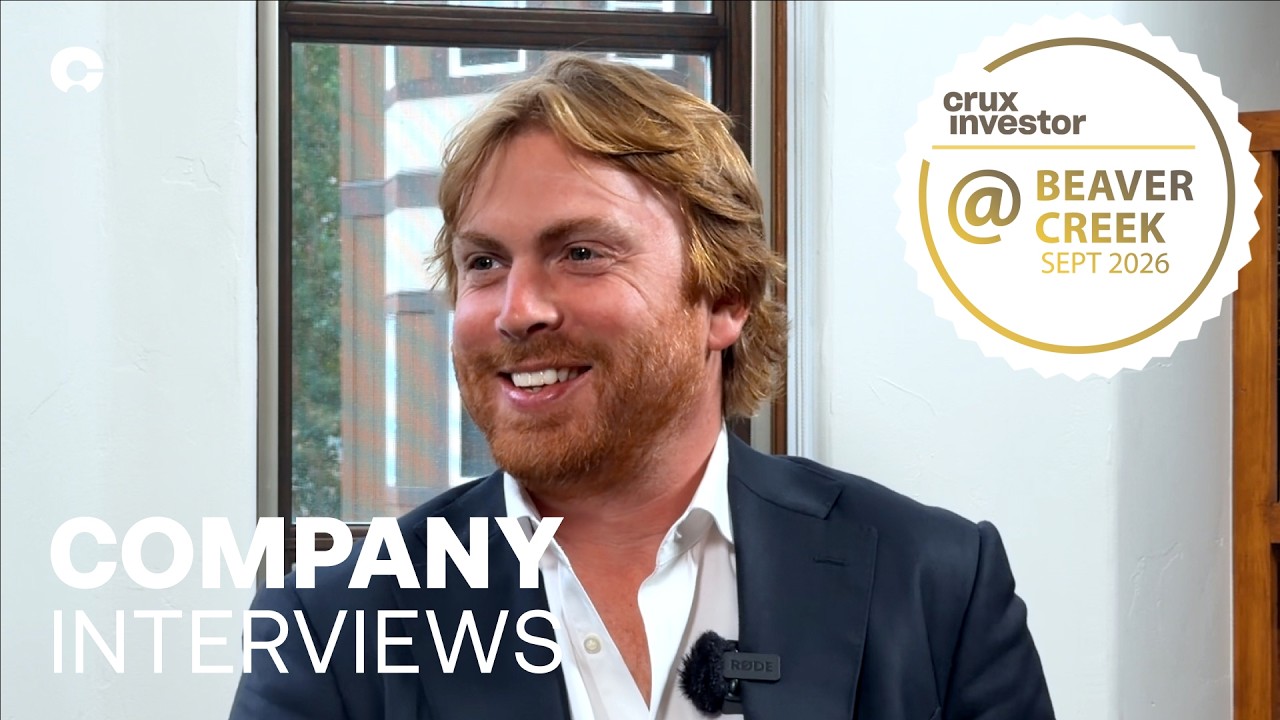
Interview with Sapan Ghai, CCO of Sovereign Metals Ltd.
Offtake Pathways Take Shape
Ghai expects most, if not all, of Kasiya’s rutile to go to Japan for conversion into titanium metal. Japanese producers already supply US defence and aerospace primes such as Lockheed Martin and Boeing. New titanium metal supply chains can take the best part of 20 years to qualify, so access to an established one matters. Ghai said a leading Japanese titanium producer has confirmed Kasiya rutile can be used for all end purposes.
Around 70% of Kasiya’s graphite is refractory or industrial grade, used to line the electric arc furnaces that smelt steel, copper and aluminium. This material currently comes from China, and Ghai said Sovereign can produce it at lower cost. The company holds a non-binding marketing arrangement with Traxys North America to sell its industrial graphite into the US. Traxys participates in Project Vault, a roughly $12 billion US critical minerals stockpile initiative backed by the Export-Import Bank of the United States (EXIM). Rare earth offtake discussions with Western refiners are at an early stage.
A $750 Million Funding Stack
Ghai’s working assumption is peak funding of about $750 million. Around $450 million would be debt from development finance institutions (DFIs) such as the International Finance Corporation (IFC), the US International Development Finance Corporation (DFC) and the Africa Finance Corporation (AFC). Ghai favours DFIs over commercial banks for their lower cost of debt. The remaining $300 million or so would come from equity plus offtake-linked financing, including prepayments.
The aim is for equity to be the last dollar in. Before that point, Ghai wants a fully permitted project, binding offtakes and costings refined through a Front-End Engineering Design (FEED) study. He is targeting line of sight on everything except equity by the end of Q1 or in Q2 2027. He expects some form of financing solution to be tabled within six to nine months.
Strategic interest has also revived. Titanium industry participants that tested Kasiya product found no critical impurities, and several sought a toehold before Rio Tinto moved first. Ghai said those parties have returned to discussions. A strategic partner is not off the table, although no agreement has been announced.
Heavy Rare Earths Add Optionality
The rare earth stream emerged almost by accident. An electrostatic separator installed in the laboratory last year revealed rare earths in material previously bound for waste. Test work in the first half of 2026 fed into a scoping study. Ghai said adding a rare earth circuit would cost roughly $30 million more and could generate around $80 million a year in profit over 23 years. He put the return at about 25 times on an NPV basis. These are scoping-level figures.
The concentrate contains heavy rare earths including dysprosium, terbium and yttrium, whose prices Ghai said have risen between 40% and 4,000% over two years. He estimates Kasiya could meet around 35% of US yttrium requirements. Yttrium is used in zirconia-based coatings that protect jet engines from extreme heat.
Investment Thesis for Sovereign Metals
- Kasiya combines what the company describes as the world’s largest rutile deposit with large-scale graphite and a heavy rare earth by-product, giving three critical mineral revenue streams.
- Direct engagement with the US State Department and the White House Council of Economic Advisers places Sovereign inside US supply-security policy.
- Validation by a leading Japanese titanium producer gives Kasiya rutile an established route into US aerospace and defence supply chains.
- Rio Tinto’s step back is attributed to strategy rather than technical concerns, and the DFS completed with its input underpins project confidence.
- Investors should monitor DFI debt progress and binding offtake agreements over the next six to nine months as the primary re-rating catalysts.
- The roughly $30 million heavy rare earth add-on offers outsized upside, although its economics still need confirmation beyond scoping level.
Macro Thematic Analysis
US critical minerals policy has shifted from diagnosis to deployment. Washington is no longer simply mapping its dependence on China. It is funding stockpiles, backing traders through Project Vault and encouraging development finance institutions to underwrite projects in partner jurisdictions. Kasiya sits where three of those dependencies meet.
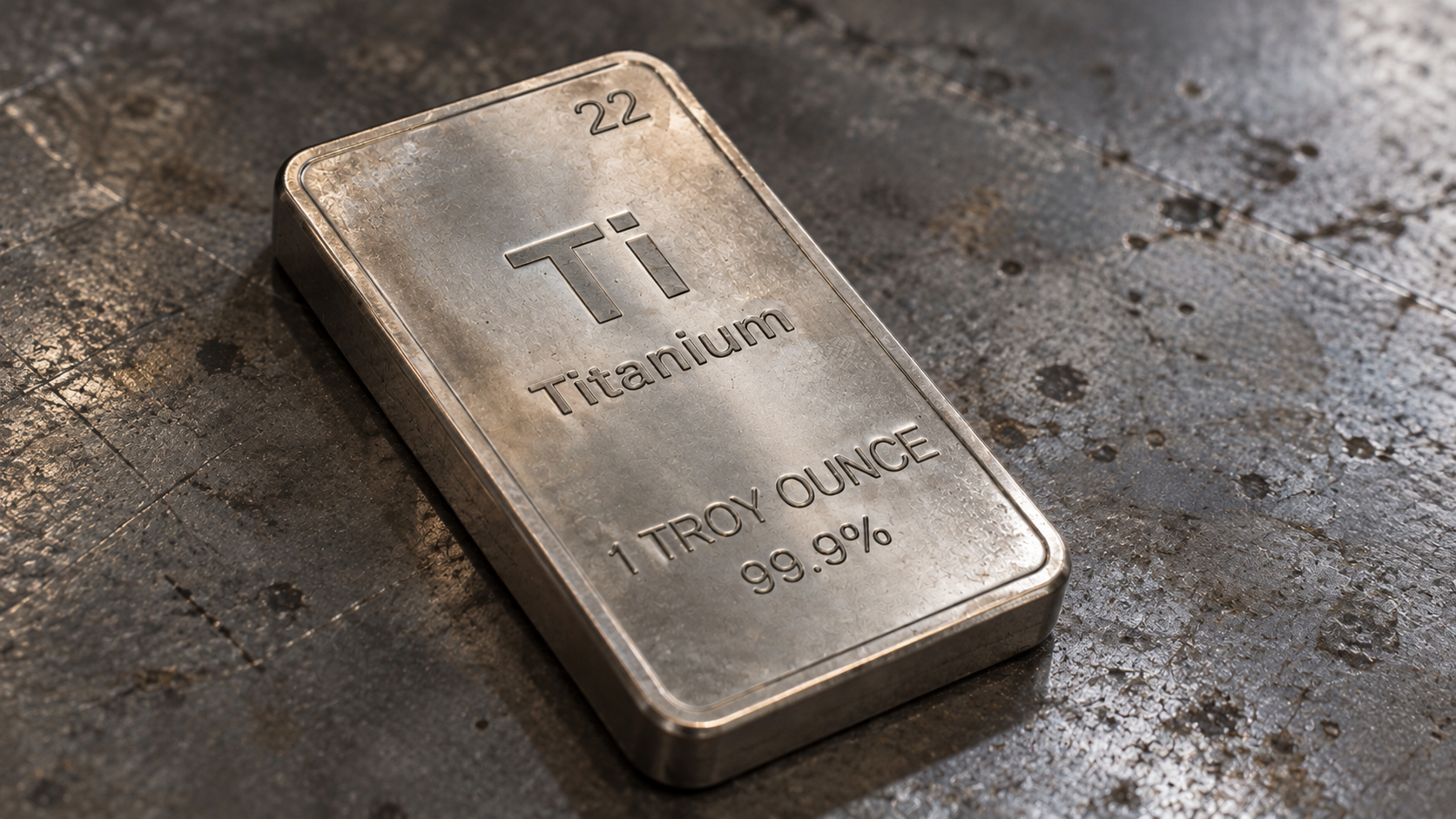
Titanium is the clearest defence case. Natural rutile is a high-grade feedstock for titanium metal, and the qualification cycle for aerospace metal is long. Projects that feed existing Japanese producers avoid that bottleneck. Graphite is usually discussed as a battery story, yet Kasiya’s larger opportunity is industrial. Refractory graphite is essential to the electric arc furnaces behind any rebuilding of Western steel, copper and aluminium capacity.
Heavy rare earths carry the starkest concentration risk. Light rare earths such as neodymium and praseodymium are relatively abundant but dysprosium, terbium and yttrium are scarcer and more tightly controlled, and Chinese export restrictions have widened the price gap between Chinese and non-Chinese supply. Ghai framed the US exposure plainly. The implication is that policy alignment is becoming a source of financing advantage. Development finance institutions can offer cheaper debt than commercial banks, and offtake-linked prepayments become more realistic when end users are under pressure to diversify. Sovereign’s task is turning that alignment into signed agreements.
TL;DR
Sovereign Metals is positioning its Kasiya project in Malawi as a US-aligned source of rutile, graphite and heavy rare earths after approaches from the US State Department. Rio Tinto has declined operatorship for strategic reasons, leaving Sovereign to build Kasiya itself using a DFS completed with Rio Tinto’s input. CCO Sapan Ghai’s working assumption is $750 million in peak funding, including about $450 million of DFI debt and $300 million of equity and offtake-linked finance. The graphite marketing arrangement with Traxys is non-binding, and rare earth offtake talks are early. Ghai expects a financing solution to be tabled within six to nine months.
FAQ (AI-generated)
Analyst's Notes





Subscribe to Our Channel



Stay Informed


