




Lithium Ionic Eyes Permit by Year-End for $2B NPV Bandeira Lithium Project


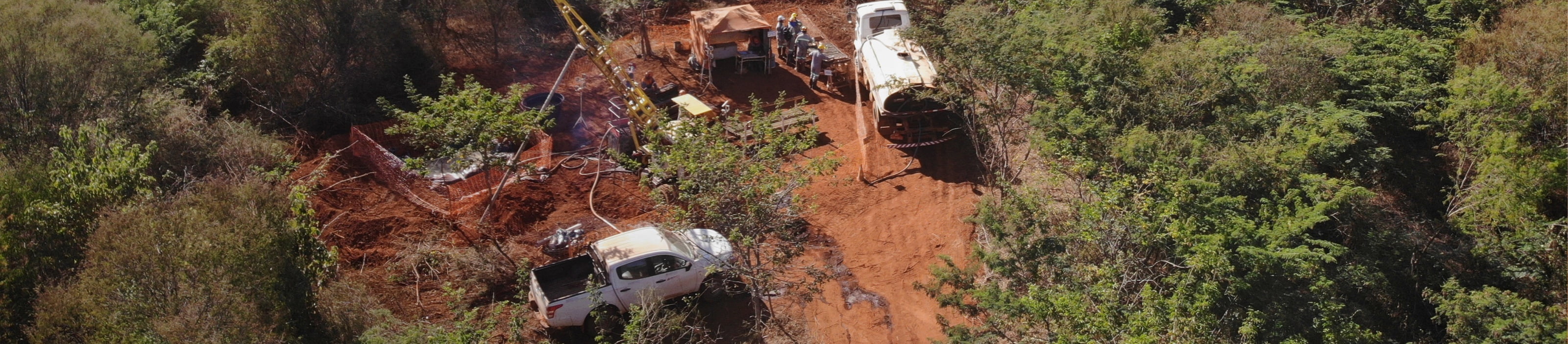
Lithium Ionic (TSXV:LTH) targets Bandeira permits by end-2026, with US$191M capex, C$30M cash and a US$1,000/t offtake floor underpinning its lithium build.
- Lithium Ionic has closed its Salinas sale and now holds almost C$30 million in cash plus a 2% royalty and a US$7.5 million deferred payment.
- Bandeira permits are targeted by the end of 2026, with a state committee vote expected to begin within about two months.
- The Bandeira project's feasibility study shows a US$1.45 billion post-tax NPV and 61% IRR on US$191 million capex, and management estimates around US$2 billion at spot.
- Company offtake agreement with Yahua Group and Grand Chen includes a US$1,000 per tonne floor against an estimated US$650 per tonne all-in sustaining cost.
- Management expects 60% to 65% debt funding and targets production around the end of 2027 or early 2028, with permitting and financing timing as the key risks.
Lithium developers have spent the past three years out of favour as spodumene prices fell from their 2022 peak and capital moved to gold and silver. Blake Hylands, CEO of Lithium Ionic Corp. (TSXV:LTH), argues that this backdrop now favours the handful of hard-rock projects close enough to production to matter. The Bandeira project in Minas Gerais, Brazil is targeting permits by the end of 2026. It carries an initial capital cost of US$191 million and sits beside two operating lithium mines.
Hylands described a far stronger funding environment than a year ago. For investors, the question is whether Bandeira can convert that interest into a completed financing package and a construction start in the months ahead.
Strengthening the Balance Sheet
The first building block is already in place. Lithium Ionic has closed the sale of its Salinas asset. Hylands confirmed the cash is in the bank, leaving the company with almost C$30 million after closing costs. The company recorded cash of roughly C$12 million at the end of March 2026, so the sale has more than doubled its treasury.
The transaction also left Lithium Ionic with a 2% royalty on the divested asset and a further US$7.5 million deferred payment still to come. It funds engineering and pre-construction work without an immediate need to tap equity markets.
Permitting Enters the Final Stretch
Permitting is now the gating item for a construction decision. Hylands said the federal process is being wrapped up. That returns Bandeira to the state committee for a vote, which he expects to begin within roughly two months. The company is targeting permits in hand by the end of 2026.
The company's application for its construction licence was submitted in November 2023. Lithium Ionic drilled its first hole in 2022, so a permit by the end of 2026 would take Bandeira from discovery to a construction licence in roughly four years.
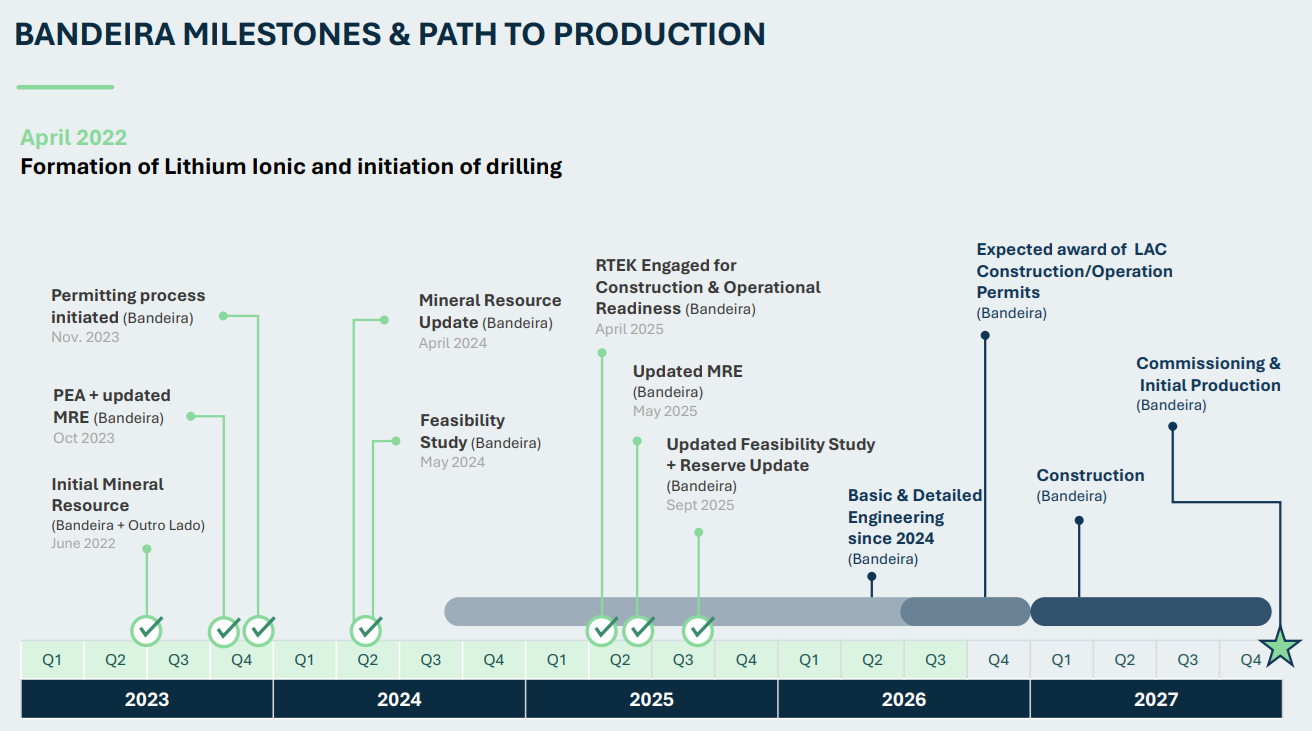
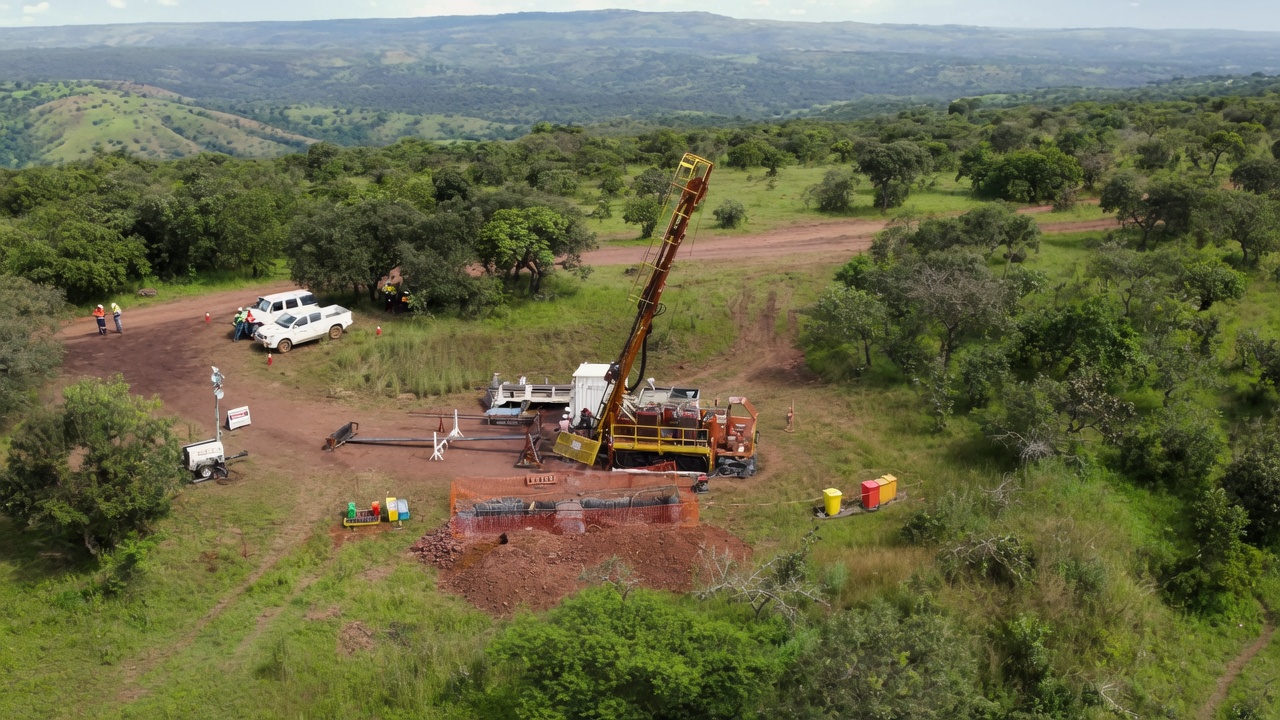
Engineering is running in parallel. Hylands said the next level of engineering has a couple of months left to run and is confirming the numbers in the September 2025 feasibility study. The company has drawn on the R-Tek team, which worked on Sigma Lithium's neighbouring Grota do Cirilo project, alongside COO Mike Westendorf. Sigma's operation next door and decades of production at the nearby CBL mine give the company rich local cost data to benchmark against.
Interview with Blake Hylands, CEO of Lithium Ionic Corp.
Economics Built on a Sub-US$200 Million Capex
The September 2025 feasibility study outlined a post-tax net present value (NPV) of US$1.45 billion and a 61% post-tax internal rate of return (IRR). These figures used Fastmarkets forecast pricing, which assumed a near-term spodumene concentrate price of around US$1,392 per tonne for 2026 to 2028. Initial capital was estimated at US$191 million, including contingency. The mine life is 18.5 years at an average of 177,000 tonnes of concentrate per year.
Hylands said spot pricing is now in the range of US$2,000 to US$2,500 per tonne. At those levels, he estimates the NPV is closer to US$2 billion with an IRR near 100%. The company's own January 2026 sensitivity, using a spot price of US$2,515 per tonne, shows an NPV of US$1.8 billion and an IRR of 102%.
Hylands contrasted Bandeira with the gold and silver developers dominating conference floors.
"A lot of gold, silver and those are all exciting and it's great that they're making money and there's a pool of capital to invest, but they're not building projects for less than $200 million with 100% IRRs and $2 billion NPVs. These are is a unique project, a unique opportunity."
Hylands attributes the low capital cost to simple, modular dense media separation (DMS) processing, much of which can be sourced in Brazil. Paved roads and hydroelectric grid power are already in place, and the company has secured the power it needs.
A Financing Stack Weighted Towards Debt
With a capital requirement of roughly US$200 million, Hylands said the equity portion of the funding package will not be large. He expects around 60-65% of the total to come from a debt facility. The company's long-standing institutional shareholders have indicated they want to take part in the construction financing.
A further US$20 million prepayment, linked to the company's offtake agreement, will be released once Lithium Ionic reaches its final investment decision (FID) and begins construction. Hylands described this as the last money in the stack, effectively covering working capital rather than the core build cost.
Hylands said Brazilian lenders may be a longer-term option, but the company's pace calls for a more aggressive lender now, with a possible refinancing later. He said lenders used to gold and silver have needed some education, but the mining itself is conventional underground work with proven DMS processing.
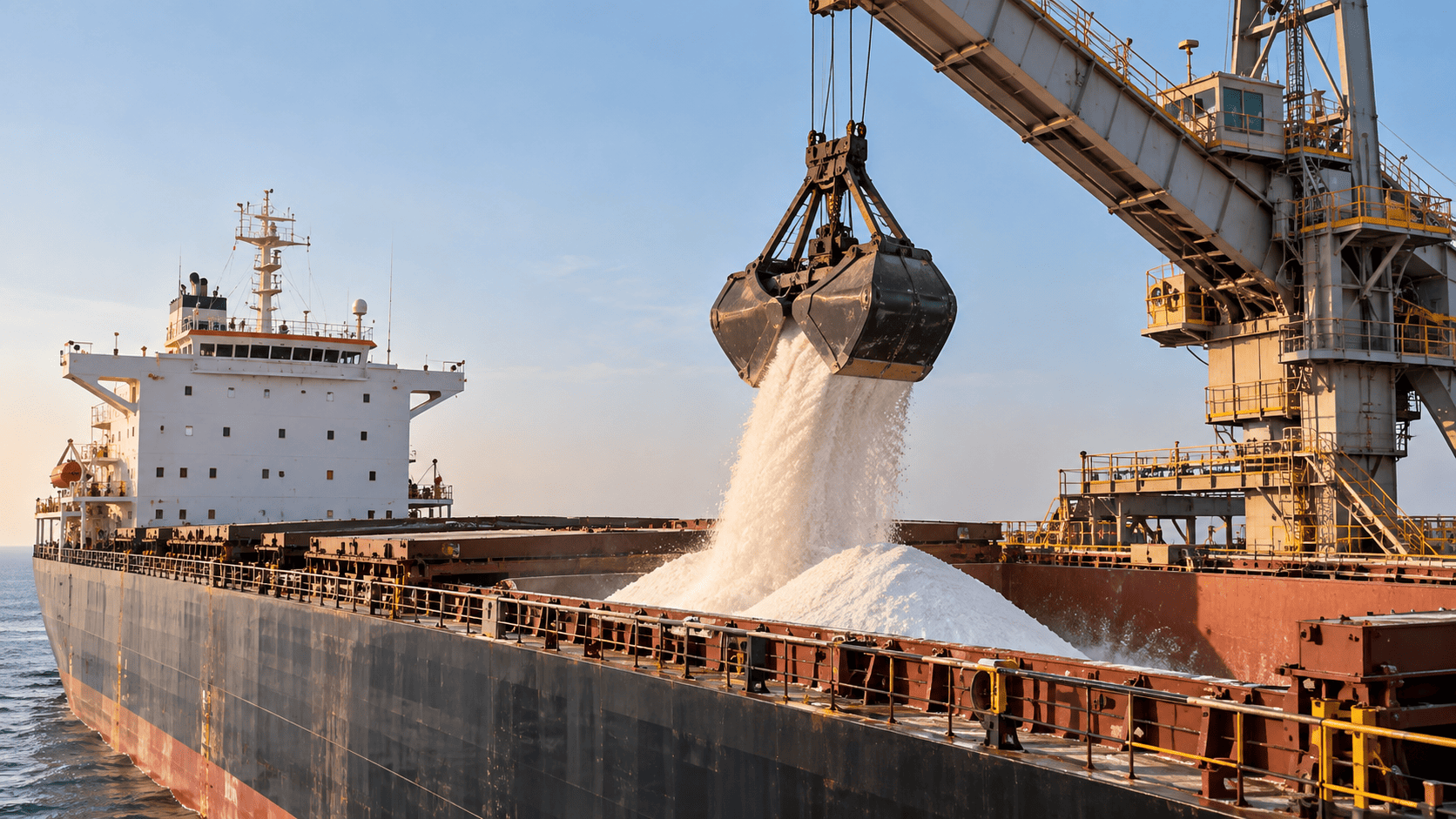
Lithium Ionic signed binding five-year offtake agreements with Yahua Group and Grand Chen in March 2026. Hylands said the pricing carries no discount to market and includes a US$1,000 per tonne floor. Against an all-in sustaining cost of about US$650 per tonne, he said the company would make money on every tonne sold under the agreement.
Valuation and the Road to Production
Hylands argued that Lithium Ionic trades at a steep discount to its peer group, including the producer next door. He expects equity to be raised at higher levels than the current share price as catalysts arrive. These include the permit decision, completion of the debt facility and, ideally, a stronger market.
Looking to 2027, Hylands said the aim is to exit 2026 permitted and well advanced on financing, with long-lead and semi-long-lead items already ordered. Construction would follow, with production targeted for the end of 2027 or early 2028. He said the company remains within that window.
The key risks are timing and execution. A delay to the state vote would push back every later milestone, and debt terms are not yet agreed. Industry-wide construction cost inflation could also test the US$191 million estimate.
The Investment Thesis for Lithium Ionic
- Bandeira's initial capital cost of US$191 million supports a post-tax NPV of US$1.45 billion at the feasibility study's forecast pricing, and management estimates this rises to around US$2 billion at current spot prices.
- The completed Salinas sale has left the company with almost C$30 million in cash, plus a 2% royalty and a US$7.5 million deferred payment.
- The offtake agreement with Yahua Group and Grand Chen sets a US$1,000 per tonne floor against an all-in sustaining cost of about US$650 per tonne, which limits downside for lenders.
- Management expects 60% to 65% of the construction funding to come from debt, which would limit dilution for existing shareholders.
- Investors should monitor the state committee vote on the construction permit, which management expects to begin within roughly two months.
- Investors should watch for the announcement of a debt facility and a final investment decision, which would release the US$20 million offtake prepayment.
- The main risks are permitting delays, financing terms, construction cost inflation and the volatility of spodumene prices.
Macro Thematic Analysis
Lithium prices surged in 2022 as electric vehicle (EV) demand expectations ran ahead of supply, then fell sharply as new capacity arrived. The resulting sentiment gap has left many lithium developers trading well below the value implied by their project economics.
EV sales are still growing year on year in many markets, and battery energy storage systems (BESS) are adding a second large source of demand. Robotics and drones were also cited as newer industries that did not exist at scale a decade ago. The argument is that supply will struggle to keep pace with the combined growth of these sectors. Hylands said this helps explain why lithium prices remain volatile but have trended upwards over time.
Sentiment is also set largely in North American markets, while China dominates physical consumption and processing. That disconnect is likely to persist until more processing capacity is built elsewhere. Hylands framed Bandeira's appeal around its cost position:
"The price resiliency that this project has is extremely unique and I think that that should be our focus as opposed to constantly predicting the macro. It's saying making money on every ton, this is a good business, we have a buyer, the buyer needs it and so we're we're going to be financially sound."
This is where Bandeira's position matters. Brazil's Minas Gerais state has emerged as a hard-rock lithium district with operating mines, established infrastructure and a state initiative aimed at streamlining lithium development. Few projects globally combine a completed feasibility study, a near-term permit, binding offtake and a sub-US$200 million capital requirement. Earlier-stage projects remain years away from production, so projects able to produce in 2027 and 2028 are best placed to benefit if prices hold.
TL;DR
Lithium Ionic (TSXV:LTH) is moving its Bandeira hard-rock lithium project in Minas Gerais, Brazil, towards a construction decision. The company closed its Salinas sale, leaving almost C$30 million in cash plus a 2% royalty and a US$7.5 million deferred payment. Permits are targeted by the end of 2026, pending a state committee vote. The September 2025 feasibility study shows a US$1.45 billion post-tax NPV and 61% IRR on US$191 million capex, and CEO Blake Hylands estimates about US$2 billion at spot. Offtake with Yahua Group and Grand Chen carries a US$1,000 per tonne floor against about US$650 per tonne all-in sustaining cost. Management expects 60% to 65% debt funding and production around end-2027 or early 2028.
FAQ (AI-generated)
Analyst's Notes





Subscribe to Our Channel



Stay Informed


