




AI Data Center Expansion is Creating a Copper Supply Gap that New Mine Development Must Fill


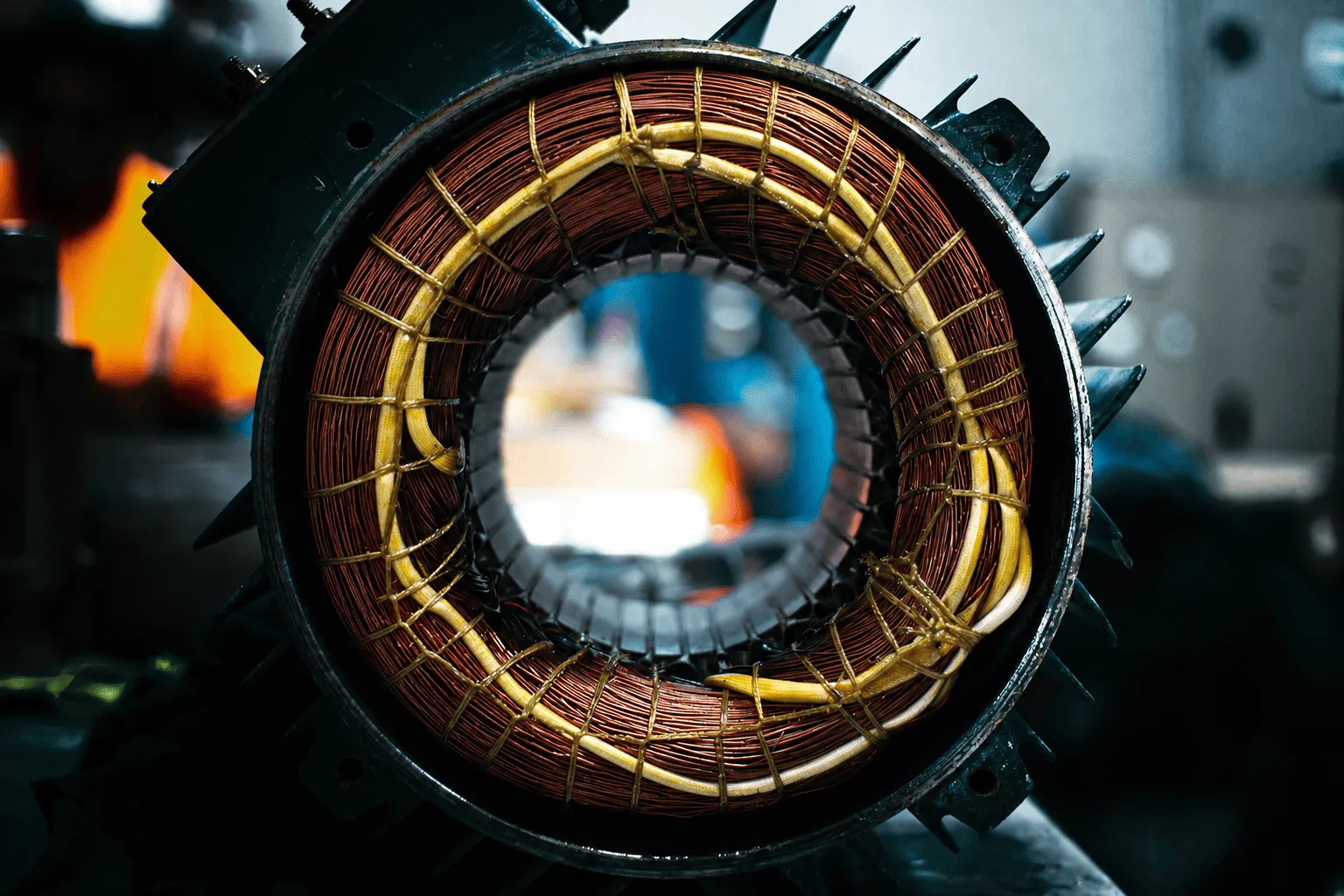
AI data center growth is driving copper demand that mine supply cannot match, creating opportunities across developers, brownfield assets, and explorers.
- AI-driven data center expansion is generating structural copper demand growth as rack densities increase from single-digit kilowatt loads toward 130 to 300 kilowatts per rack, requiring proportionally larger power distribution and cooling systems built around copper.
- Copper supply remains highly inelastic, with new mines requiring multi-million-dollar capital commitments, permitting windows that routinely exceed 10 years, and total development timelines that frequently surpass two decades.
- Rising capital intensity, declining ore grades, and expanding environmental and social-license requirements are pushing the copper incentive price above US$5.00 per pound for most greenfield projects.
- Technology companies have committed hundreds of billions of dollars to AI infrastructure, but capital formation in upstream mineral supply chains has not kept pace with announced computing capacity targets.
- Copper developers and explorers positioned to deliver future supply, particularly those with manageable capital requirements, existing infrastructure, or high-grade resource bases, represent differentiated exposure to the AI infrastructure buildout at the upstream end of the physical supply chain.
AI's Infrastructure Revolution Is Creating a New Demand Profile for Copper
Previous technology cycles were primarily software-driven. Productivity gains from cloud migration, mobile adoption, and software-as-a-service did not require proportional increases in physical commodity consumption. Artificial intelligence is different. Training and deploying large language models and inference workloads at commercial scale requires purpose-built physical infrastructure: power substations, cooling systems, transformers, and high-density copper wiring. The physical commodities required to execute those programs are subject to supply chains that cannot respond at the same pace as software deployment.
From Computing Power to Physical Metal Demand
Traditional enterprise data centers were designed around rack densities of 5 to 10 kilowatts per rack. AI workloads, particularly graphics processing unit clusters running model training, have broken that design paradigm.

High-density AI rack configurations now operate at 130 kilowatts per rack, with next-generation systems targeting up to 600 kilowatts per rack under NVIDIA's published Rubin Ultra roadmap for H2 2027. Every incremental kilowatt of compute demand becomes heat, and managing that heat requires expanded power delivery infrastructure and thermal management systems built substantially from copper. Chile alone accounts for approximately 23% of global copper mine production, and total annual mine supply runs at approximately 22 to 23 million tonnes, a base against which the incremental demand from AI infrastructure buildout is material.
Why Copper Has Become a Critical Input for AI Infrastructure
Copper's combination of electrical conductivity and thermal performance makes it effectively irreplaceable in current AI data center architecture. Power delivery from the grid through transformers, busbars, cable runs, and rack-level distribution relies on copper at each stage. At the chip level, direct-to-chip liquid cooling systems use copper cold plates to extract heat directly from processor packages. Redundant power pathways, required for data center uptime guarantees, further increase per-facility copper intensity. There is no commercially deployed substitute that matches copper's performance across both electrical and thermal functions simultaneously at the operating densities of current AI systems.
Marimaca Copper Chief Executive Officer Hayden Locke has noted the upstream consequences of that supply pressure extending beyond the mine itself:
"There are certain things that are becoming more concerning, certainly around transformers… which ironically is being driven by issues with copper supply."
The Supply Response Problem: Why Copper Cannot Scale Like Technology
Technology companies can deploy capital and begin generating compute capacity within 18 to 36 months of a major investment decision. Copper mines cannot. The geological, engineering, permitting, and financing requirements that govern mine development operate on timelines that are structurally incompatible with the pace of demand growth being driven by AI infrastructure commitments. Understanding that mismatch is foundational to understanding why copper prices may need to move substantially higher before sufficient new supply enters the market.

Discovery, Permitting & Construction Create Multi-Decade Lead Times
A copper deposit must progress through multiple resource classification stages before a mine can be built. Inferred resources represent early-stage drilling results with insufficient density to support economic studies. Indicated resources carry enough geological confidence to underpin preliminary economic assessments. Measured resources, the highest classification, support full feasibility studies. The transition from initial discovery to a measured resource base typically requires five to ten years and significant exploration expenditure. Permitting in major copper jurisdictions including Chile, Peru, the United States, and Canada typically adds further years to the timeline. Construction of a large open-pit copper mine takes three to four years after financing is secured, placing total timelines from discovery to first production well beyond a decade in most cases. Against a demand inflection that is already underway, the pipeline of projects that could realistically enter production within the next five years is very limited.
Capital Intensity & Incentive Pricing Are Rising
The capital cost for new large-scale copper mines has risen materially over the past decade, driven by higher labour costs, energy requirements, equipment prices, and more extensive tailings and water management infrastructure requirements. At these cost levels, projects using standard open-pit and sulphide processing methods struggle to generate internal rates of return above 15% unless sustained copper prices exceed US$5.00 per pound. Net present value, calculated at an 8% discount rate against a base-case metal price, is the primary metric financiers use to assess project viability. The industry term for the metal price required to justify a major new mine investment is the incentive price, and that threshold has risen materially as construction costs have compounded. Selkirk Copper Chief Executive Officer Colin Joudrie has quantified what an equivalent greenfield project would cost to build today:
“We’re targeting 12-15 year mine life, 30,000 tons of copper per annum equivalent. If we had to go do that in a greenfield setting today you're probably looking at 8 to US$900 million US to get it back into production, and that's assuming you've got all the sort of accoutrement of strong First Nations support, permissibility, etc."
Not All Copper Projects Are Equal in a Higher-Priced Market
A higher copper price is a necessary but insufficient condition for new supply growth. Capital will move toward projects that can demonstrate financing probability, not simply geological potential. In a market where debt providers face rising cost of capital and equity investors are increasingly selective, project economics, development timeline, and capital intensity determine which assets attract the resources needed to advance.
Low-Capital-Intensity Projects May Capture Greater Strategic Value
Marimaca Copper is developing a copper project in the Atacama region of northern Chile. The company's August 2025 Definitive Feasibility Study reports initial capital expenditure of US$587 million, a post-tax internal rate of return of 31%, a payback period of 2.5 years, and an all-in sustaining cost of US$1.97 per pound, all at a base-case copper price of US$4.25 per pound. These metrics reflect the initial oxide heap-leach phase, which converts oxide ore to copper cathode directly without smelting. Beyond the oxide phase, Hayden Locke has described what management characterizes as a district-scale sulphide system with the potential to support 100,000 tonnes of copper production per year for more than 20 years — the threshold that defines a tier-one asset by standard industry classification.
Existing Infrastructure Can Significantly Reduce Development Risk
Brownfield copper assets, projects with substantial infrastructure from prior operations — occupy a differentiated position in the development landscape. Selkirk Copper is pursuing a restart of the Minto copper mine in Yukon, Canada, where previous operators invested more than C$300 million in above-ground infrastructure. Selkirk holds 100% ownership of the Minto mine and its infrastructure, which includes a concentrator, roads, power connections, accommodation facilities, and tailings management systems. The company's May 2026 corporate presentation outlines a schedule targeting first production in mid-2028.
Exploration Success Matters More When Supply Is Scarce
Even if every advanced-stage copper development project in current pipelines were to receive financing and proceed to construction on schedule, the projected supply additions would still fall short of demand growth through the early 2030s. That gap can only be closed by new discoveries entering the development pipeline today. The exploration stage of the copper market is therefore integral to the long-term supply picture.
High-Grade Discoveries Can Reshape Supply Forecasts
Abitibi Metals Corp is advancing the B26 volcanogenic massive sulphide deposit in Quebec, Canada. The January 1, 2026 mineral resource estimate encompasses 1.467 billion pounds of copper equivalent across the combined measured, indicated, and inferred categories, totaling 25.3 million tonnes at an average grade of 2.6% copper equivalent. Volcanogenic massive sulphide systems at this grade level attract acquisition interest from major producers because of their high metal recovery characteristics and compact mining footprints. Chief Executive Officer and founder Jon Deluce has framed B26's strategic position relative to recent comparable transactions:
"The consistency is how rare these deposits are in the marketplace. We look at the recent closing of the Foran takeover by Eldorado for almost $4 billion, it showcases the demand for these assets in the market, but also how rare they are. There are very few of these available across Canada that have the size and scale like B26.
The Exploration Pipeline Determines Long-Term Supply
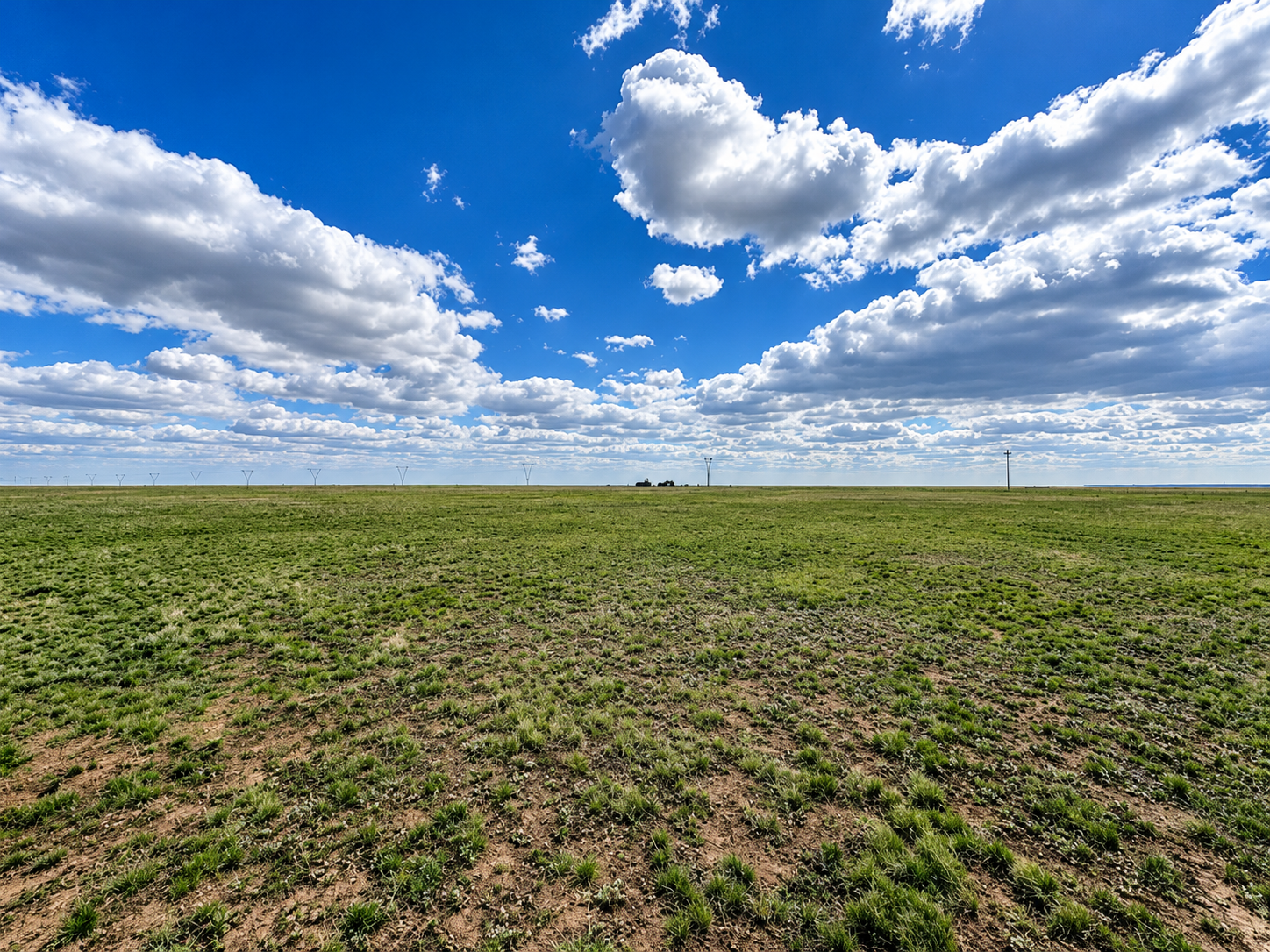
Early-stage copper exploration in proven metallogenic belts provides the only mechanism through which future mine supply can be created beyond what is already in development pipelines. Fitzroy Minerals is conducting copper exploration across multiple project areas in northern Chile, targeting an iron oxide copper-gold system at its Buen Retiro project and a copper-molybdenum-gold-rhenium porphyry system at its Caballos project.
Chile accounted for approximately 23% of global copper mine production in 2025, and contains some of the world's largest known copper porphyry systems, making it among the most significant jurisdictions for new discovery potential. With a C$25 million treasury and C$4.8 million in warrant premia disclosed in its 2026 corporate presentation, Fitzroy is funded to advance both programs through their current exploration phases.
ESG & Permitting Are Becoming Strategic Variables
Supply constraints in the copper market are no longer determined exclusively by geology and engineering. Non-technical risk factors, including community relationships, environmental approvals, and regulatory timelines, now exert material influence on whether projects advance from feasibility to production.
Permitting Delays Can Create Hidden Supply Constraints
Regulatory timelines for environmental approvals in major copper jurisdictions have lengthened over the past decade. Water use permitting, tailings facility approvals, and carbon impact assessments each require separate regulatory processes that can proceed sequentially rather than in parallel. Environmental, social, and governance criteria are now embedded in the financing requirements of major lending institutions and export credit agencies, meaning projects that lack comprehensive ESG frameworks face capital access constraints independent of their technical and economic merits.
The Investment Thesis for Copper
- AI infrastructure is increasing the copper intensity of data centers as rack power densities move toward 130 to 600 kilowatts per rack, compounding existing electrification demand from grid upgrades, electric vehicles, and renewable energy systems.
- Supply growth faces structural constraints that cannot be resolved by price signals alone, as development timelines exceed a decade in most jurisdictions and limit the industry's ability to respond to near-term demand acceleration.
- Higher incentive prices are required to justify new greenfield copper projects, with feasibility-stage development economics illustrating that post-tax project returns require a sustained copper price materially above current spot levels.
- Capital efficiency and development readiness may command premium valuations, with DFS-stage projects demonstrating competitive initial capex, post-tax IRR, payback periods, and all-in sustaining costs relative to industry peers.
- Brownfield infrastructure positions reduce development capital requirements in ways that greenfield projects cannot replicate, with existing processing and access infrastructure at advanced-stage assets materially compressing the path to production.
- High-grade exploration assets and early-stage exposure across major copper belts provide complementary forms of upside, resource-scale M&A optionality in stable jurisdictions and discovery-stage returns that cannot be replicated at later project stages, with treasury strength and prospective IOCG and porphyry targets determining which programs can sustain multi-year drill campaigns.
- Environmental approvals and regulatory timelines now function as binding development constraints, with ESG frameworks becoming a financing prerequisite independent of technical and economic merits.
Artificial intelligence is broadly characterized as a software revolution, but its physical requirements are substantial and growing. The expansion of AI computing capacity depends on data centers, and data centers depend on copper at every level of their electrical and thermal architecture. The growing disconnect between the pace of hyperscaler capital expenditure and the timelines governing copper mine development is not a short-cycle imbalance that market prices will quickly resolve. It is a structural condition rooted in geology, permitting, and capital formation dynamics that will define the copper market for the better part of a decade.
The central investment question for the copper market is no longer whether AI will require more copper. It will. The question is whether the mining industry can organize sufficient capital, permitting approvals, and operational execution to deliver new supply at the pace the next phase of digital infrastructure expansion will require.
TL;DR
AI infrastructure is fundamentally copper-intensive: every kilowatt of compute density requires expanded power delivery and cooling systems that have no commercially viable substitute. Yet copper mine supply operates on development timelines of 10–20 years, making it structurally incapable of responding to the demand inflection already underway. Rising capital costs are pushing greenfield incentive prices above US$5.00 per pound, while the pipeline of projects realistically entering production before 2030 remains thin. Investors seeking physical-supply exposure to the AI buildout should differentiate between capital-efficient DFS-stage developers, brownfield assets with existing infrastructure, and high-grade explorers in proven belts.
FAQs (AI-Generated)
Analyst's Notes





Subscribe to Our Channel






.jpg)


Stay Informed


