




How Sovereign Is Building the Financing Case for Kasiya Beyond the Definitive Feasibility Study


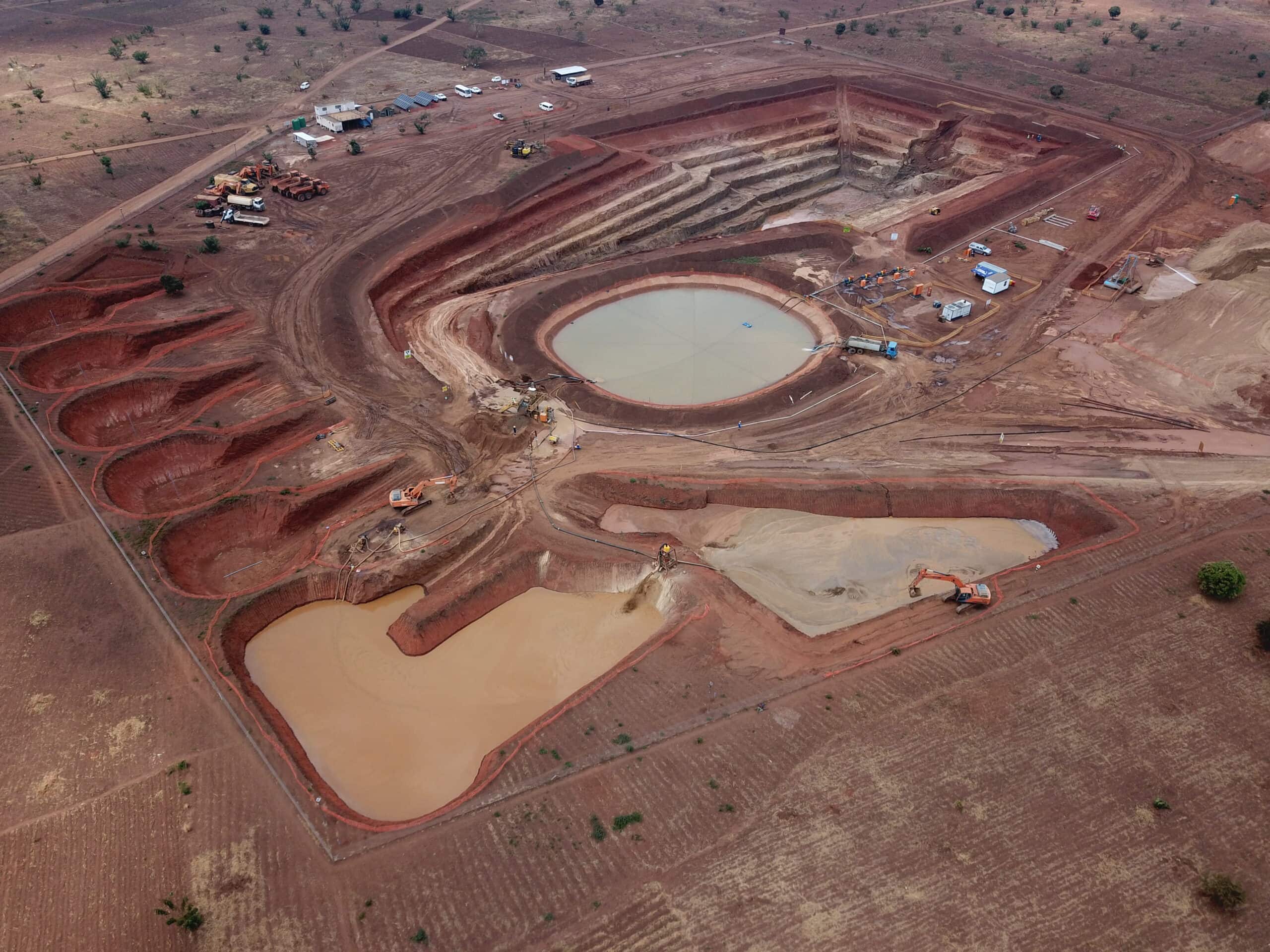
Sovereign Metals is strengthening Kasiya's financing case through IFC alignment, a potential US listing and rare earth upside beyond the DFS economics.
- Sovereign Metals is working to resolve a standoff between debt and equity financing for the US$700 million to US$730 million Kasiya construction cost, targeting roughly a 60% debt, 40% equity, prepayment and offtake finance split.
- The International Finance Corporation (IFC) is positioned as a potential co-lead project financing arranger, having confirmed the definitive feasibility study (DFS) and environmental and social impact assessment (ESIA) meet IFC performance standards.
- Sovereign is actively evaluating a US listing to grow its US shareholder base ahead of construction, with investor interest centred on the project's cash flow durability as a lowest-quartile cost producer.
- New heavy rare earth results confirm the presence of dysprosium, terbium, and yttrium in monazite concentrate across 4 early production pits, adding a potential funding lever at near-zero incremental cost to the DFS.
- Growing US policy and government interest in securing heavy rare earth supply outside China broadens the pool of financing parties with a strategic reason to engage with Kasiya.
A project carrying a US$2.2 billion net present value at an 8% discount rate (NPV8%) does not finance itself on the strength of a feasibility study alone. Sovereign Metals (ASX: SVM | AIM: SVML | OTCQX: SVMLF) now has to convert the numbers in its Kasiya Rutile & Graphite Project definitive feasibility study (DFS) into signed debt and equity commitments, and every recent development, from a multilateral lender's involvement to a new by-product discovery, is best understood through that lens: does it make Kasiya easier to finance?
A Standoff Between Lenders & Equity Holders
Project financing at this scale typically hinges on sequencing. Debt providers are reluctant to finalise terms until equity is secured, while equity investors are similarly reluctant to commit until financing terms are set.
That circular standoff has defined roughly 2 years of structuring work. Sovereign's current framework targets around 60% of the US$700 million to US$730 million capital requirement to be financed from debt, with the remaining 40% coming from a mix of equity, prepayments, and offtake financing.
The IFC's Role as an Anchor Lender
Breaking that standoff requires a credible lender willing to move first. Sovereign has positioned the International Finance Corporation (IFC) as that party, with the multilateral lender confirming that both the DFS and Sovereign's environmental and social impact assessment (ESIA) meet IFC performance standards, the same environmental and social criteria commercial banks and other development finance institutions look for before committing capital.
The confirmation functions as a pre-approval that other lenders can rely on rather than independently re-verify, a step directly aimed at shortening the diligence runway for whichever debt or equity partner comes in behind the IFC.
A US Listing Would Broaden the Funding Pool
Sovereign already trades on the ASX, AIM and OTCQX. Sovereign is actively considering adding a US listing to that mix as construction approaches, a move aimed squarely at deepening a US shareholder base that has already grown meaningfully and could support the equity portion of the capital stack.
The US currently has no domestic titanium, graphite or heavy rare earth production, a gap that has made Kasiya's cost position a focal point for US capital. Investors are less concerned with headline NPV8% or internal rate of return (IRR) figures and more focused on whether Kasiya can deliver as a lowest-quartile cost producer, a factor that speaks directly to the project's ability to service debt and attract equity through commodity cycles.
Rare Earths as an Additional Financing Lever
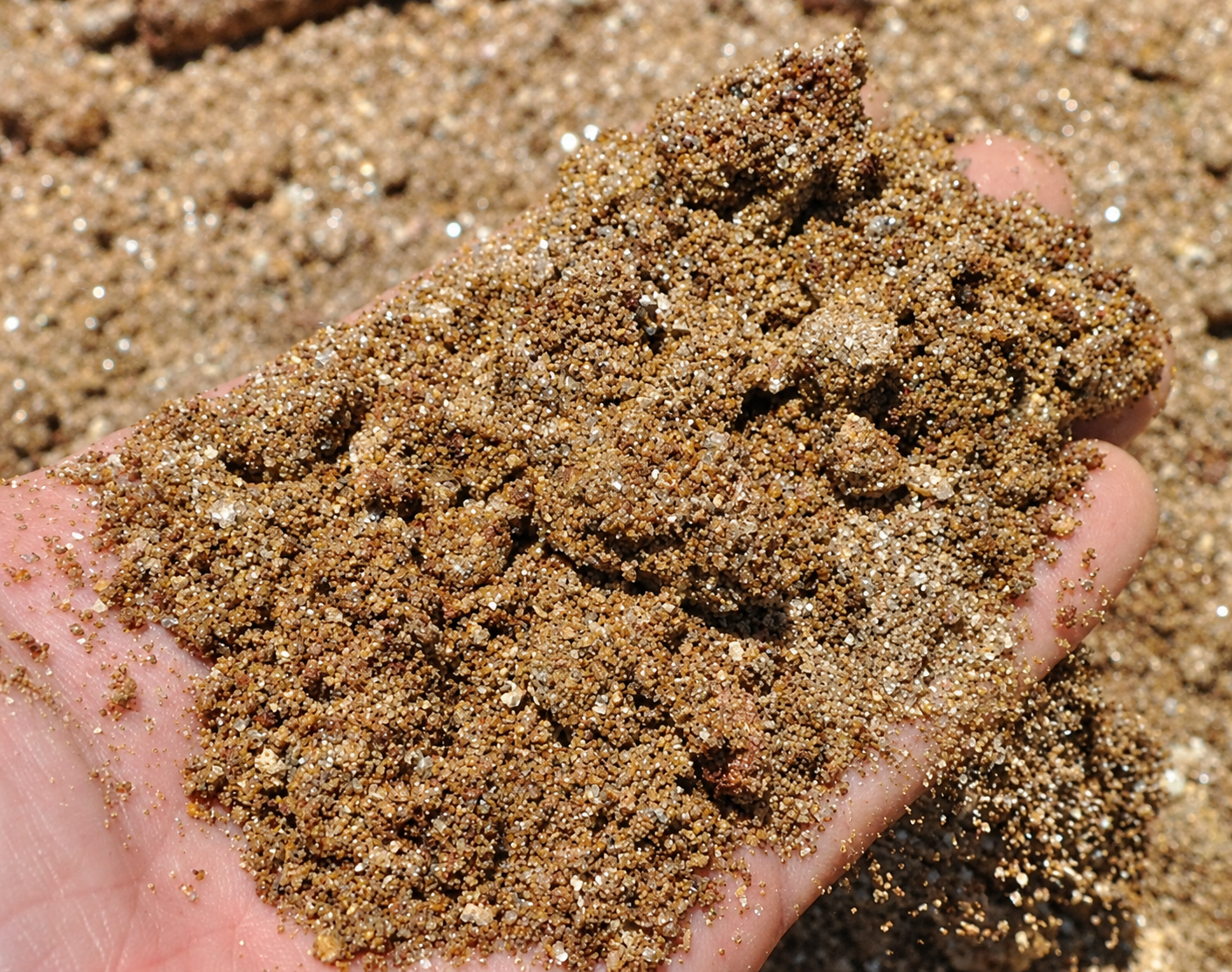
A May 27, 2026 announcement gave Sovereign a new variable to work with in the capital raise. Monazite concentrate confirmed across 4 pits in the DFS mine plan contains dysprosium, terbium and yttrium at grades well above those of the world's largest rare earth producers.
The financing relevance is direct: because the monazite is recovered from the existing tailings stream, the by-product would not require additional mining, a new processing circuit or a standalone plant, meaning any value it adds could come without expanding the US$700 million to US$730 million capital requirement already built into the DFS. No offtake agreement is in place yet, and Sovereign has not incorporated the rare earth results into the DFS pending further metallurgical and economic work, but a confirmed, low-cost third revenue stream is the kind of addition that can strengthen a project's case with both lenders and equity investors.
The company confirmed the concentrate contains all 4 magnetic rare earth elements plus yttrium and said Sovereign's technical team is now working through the test work needed to quantify that contribution.
A Strategic Backdrop That Widens the Pool of Financing Parties
The rare earth angle matters for financing because it is being watched in Washington, not just at Kasiya. US government testimony has flagged heavy dependence on Chinese-sourced heavy rare earths as a national security concern, a position that has already drawn US government and strategic capital toward rare earth supply chains outside China.
For Sovereign, that backdrop is less about the rare earth business standing alone and more about who else it puts at the table. Development finance institutions, strategic investors, and potential US listing participants all have an added reason to engage with a project that combines the IFC-aligned DFS with a rare-earth by-product within a supply chain the US has identified as a priority. Toho Titanium has confirmed that Sovereign's rutile meets the specification required for US defence and aerospace use, a validation that reinforces the strategic case underpinning US interest in the project.
What Has to Happen to Get to Financing Close
Three things determine how quickly Sovereign converts the DFS into a funded project. The ESIA needs to be finalised alongside the DFS as part of the mining license application, a prerequisite for the IFC and other lenders to proceed. The debt-to-equity split remains unresolved pending further engagement with the IFC and other prospective financiers. And the rare-earth by-product requires additional test work before it can be treated as a bankable addition to the project rather than a promising result.
Each step is a discrete, trackable move toward the same outcome: a fully financed construction decision at Kasiya.
FAQs (AI-Generated)
Analyst's Notes





Subscribe to Our Channel


Stay Informed


