




Kasiya's Rare Earth Potential Broadens Its Strategic Financing Appeal


Sovereign Metals' Kasiya project adds heavy rare-earth potential to its DFS, strengthening its access to strategic financing and non-Chinese supply chains.
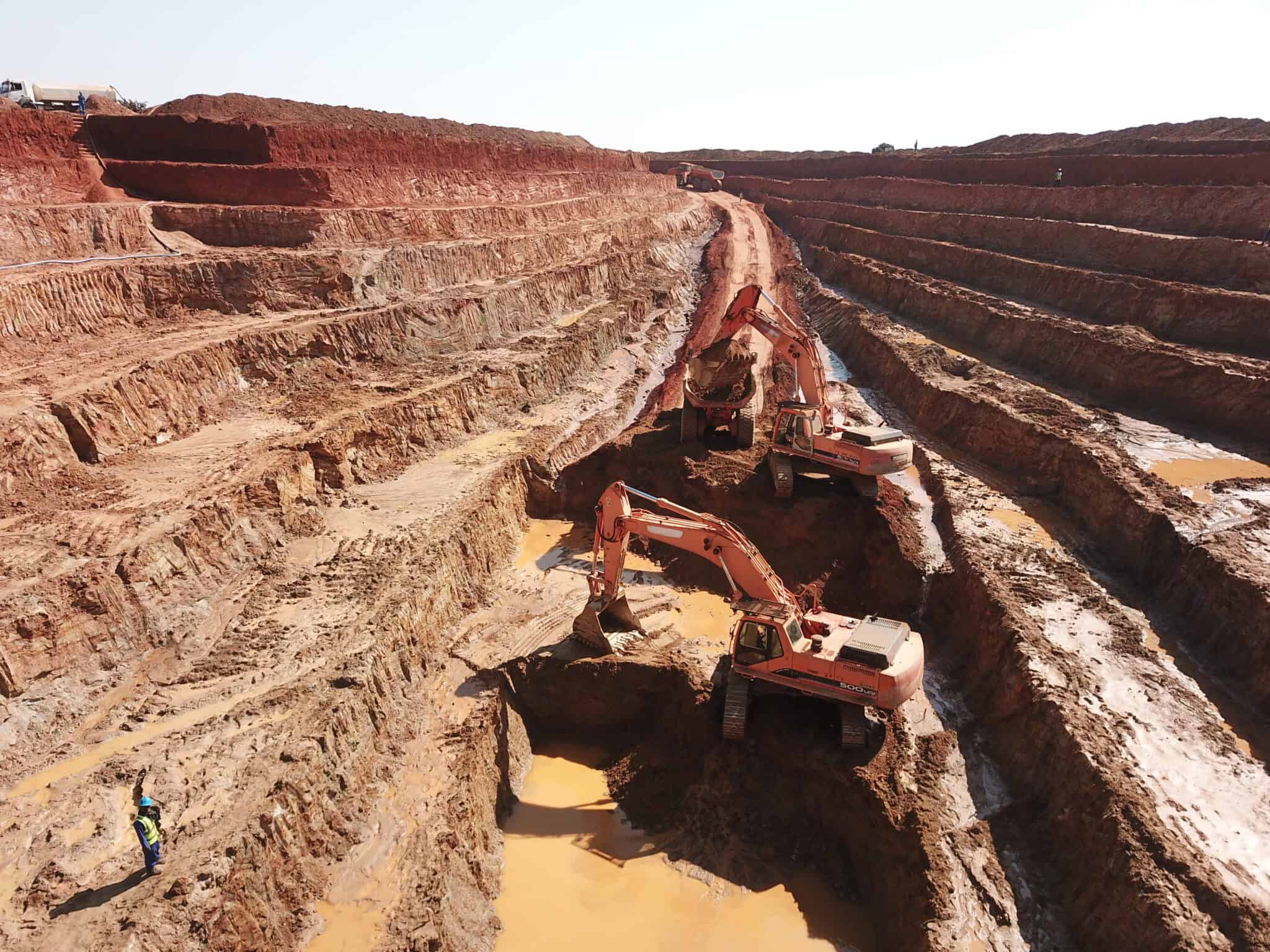
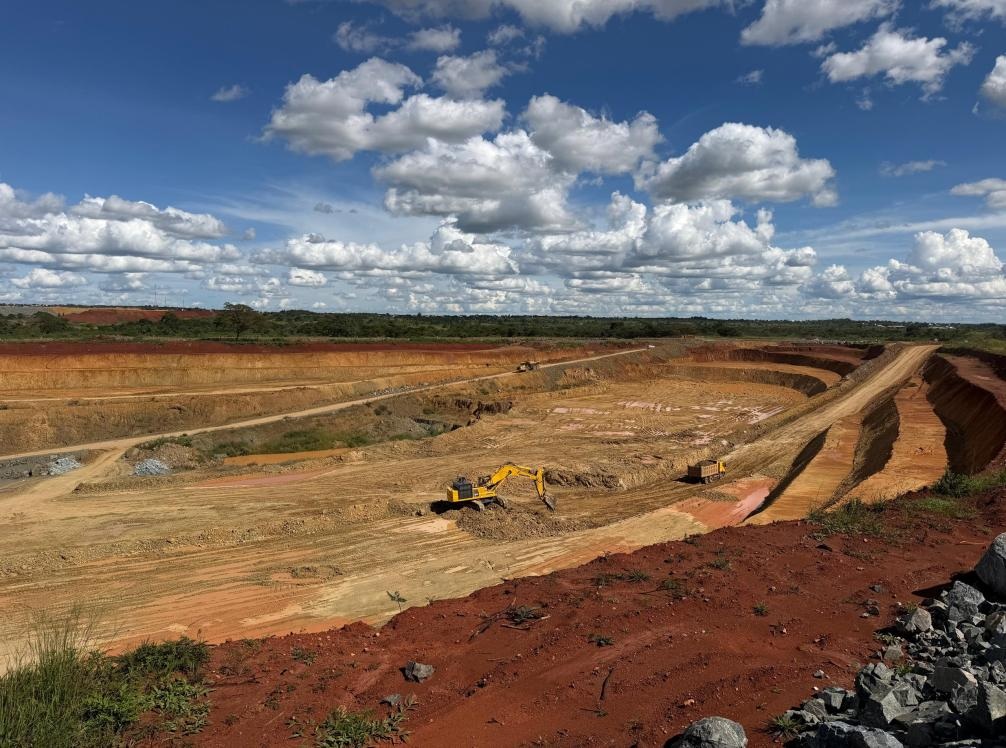
- Sovereign Metals confirmed in its May 27, 2026 announcement that monazite containing critical heavy rare earth elements is present across 4 planned pits in the Kasiya definitive feasibility study (DFS) mine plan, including pits scheduled for Year 1 production.
- The monazite's four-pit average total rare earth oxide (TREO) basket composition of 2.5% combined Dysprosium-Terbium and 11.8% Yttrium is approximately 7 times higher than the average across the world's 5 largest rare earth producers.
- Recovery is targeted from the non-conductor tailings stream of the existing DFS flowsheet, requiring no additional mining and no new primary processing circuit, presenting potential by-product economics at near-zero incremental cost.
- An independent price forecast prepared by Project Blue Group Limited estimates a base-case monazite concentrate price of US$16,000 per tonne in 2026, against a current benchmark spot price of US$6,142 per tonne.
- The rare earth workstream sits alongside a project already carrying a pre-tax net present value at an 8% discount rate (NPV8%) of US$2.2 billion, with strategic offtake memoranda of understanding (MOUs) signed with Mitsui & Co., Ltd. and Traxys North America LLC.
Heavy Rare Earth Content Confirmed Across Early-Production Pits
Sovereign Metals Limited (ASX: SVM | AIM: SVML | OTCQX: SVMLF) has confirmed that monazite containing critical heavy rare earth elements is present across 4 planned pits in the Kasiya definitive feasibility study (DFS) mine plan in Malawi, including pits scheduled for Year 1 production. The confirmation broadens Kasiya's appeal to the class of government-backed and development finance institutions now actively targeting non-Chinese heavy rare earth supply, adding a potential third revenue stream to a project that already carries a pre-tax net present value at an 8% discount rate (NPV8%) of US$2.2 billion and has a World Bank/International Finance Corporation (IFC) Collaboration Agreement in place as a potential co-lead mandated lead arranger for project financing.
Metallurgical testwork conducted on monazite concentrates recovered from the Babbler, Kingfisher, Sparrow, and Mousebird pits returned a four-pit average total rare earth oxide (TREO) basket composition of 2.5% combined Dysprosium-Terbium and 11.8% Yttrium. For comparison, the average across the world's 5 largest rare earth producers, which collectively supply more than 70% of global rare earth production, is 0.4% Dysprosium-Terbium and 1.7% Yttrium. Heavy rare earth ratios are highest near the surface: the 0 to 6 metres interval returned 2.9% Dysprosium-Terbium and 15.4% Yttrium within the TREO basket, compared to 2.3% Dysprosium-Terbium and 10.3% Yttrium at depths beyond 6 metres.
America's only rare earth mine, Mountain Pass, operated by MP Materials Corp., contains no measurable Dysprosium, Terbium, or Yttrium, making Kasiya's profile particularly relevant to Western supply-chain strategies targeting these elements.
A By-Product Requiring No New Processing Circuit
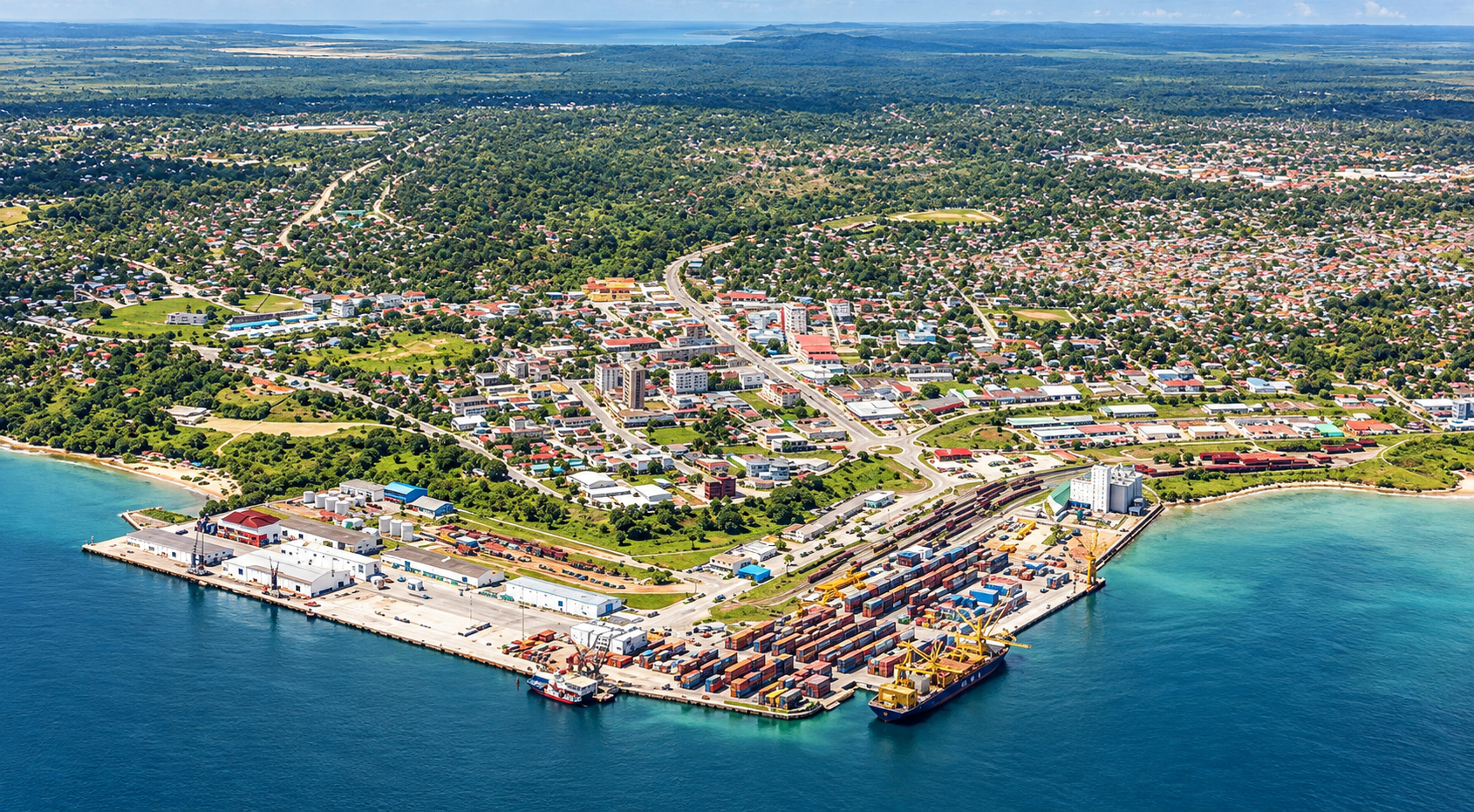
The commercial logic for monazite at Kasiya is grounded in its position within the existing processing flowsheet. Monazite concentrate is recovered from the non-conductor tailings stream of the DFS-specified electrostatic separation circuit, material that would otherwise report to tailings. According to Sovereign, the recovery pathway requires no additional mining, no new primary processing circuit, and no parallel rare-earth processing plant of the kind required by standalone rare-earth miners. Further work is continuing to characterise mineralogy, deportment, and uranium and thorium handling requirements, and to assess the cost implications of any downstream separation or refining.
An independent price forecast prepared by Project Blue Group Limited valued a monazite mineral concentrate containing 60% TREO at a base case of US$16,000 per tonne in 2026, with a high case of US$19,000 per tonne. The current Shanghai Metals Market benchmark spot price for monazite concentrate at a 54% to 55% TREO grade is US$6,142 per tonne. Project Blue attributed the premium potential to the high proportion of heavy rare earths in Kasiya's TREO basket, noting that key products, including Neodymium-Praseodymium oxide, Terbium oxide, Dysprosium oxide, and Yttrium oxide, command premiums in ex-China markets relative to Chinese domestic prices.
Geopolitical Context
The supply-chain urgency underpinning Kasiya's rare earth potential is well documented. On February 24, 2026, US Assistant Secretary of War for Industrial Base Policy, Michael P. Cadenazzi Jr., testified before the Senate Armed Services Committee that China controls 95% of global heavy rare earth output, with the US importing almost 100% of what it uses, 90% of that from China. China's April 2025 export controls on Dysprosium, Terbium, and Yttrium intensified supply tightness for Western manufacturers. On January 6, 2026, China announced strengthened export controls on dual-use items to Japan, effective immediately. Despite 15 years of diversification efforts, Japan remains approximately 60% dependent on Chinese rare earth imports overall, with Japan's dependence on China for heavy rare earths approaching 100%.
Recent transactions signal the scale of capital now targeting non-Chinese heavy rare earth supply. On April 20, 2026, USA Rare Earth, Inc. agreed to acquire Brazil's Serra Verde Group for approximately US$2.8 billion, underpinned by a 15-year US government-backed offtake agreement with contractual price floors of US$575 per kilogram for Dysprosium and US$2,050 per kilogram for Terbium. On January 20, 2026, Energy Fuels Inc. announced the acquisition of Australian Strategic Materials Limited for US$299 million, with the stated aim of becoming the largest fully integrated producer of rare earth materials outside of China.
Project Context
The rare earth workstream is additive to a project with an advanced development profile. The Kasiya DFS, completed under the oversight of the Sovereign-Rio Tinto Technical Committee, delivers a pre-tax internal rate of return (IRR) of 23% on capital expenditure to first production of US$727 million. Steady-state annual earnings before interest, taxes, depreciation, and amortisation (EBITDA) are estimated at US$476 million, with projected total revenue of US$16.2 billion over an initial 25-year mine life. Operating costs of US$450 per tonne of product, free on board (FOB) Nacala, underpin margin performance across commodity cycles.
On the offtake front, a non-binding memorandum of understanding (MOU) with Mitsui & Co., Ltd. covers up to 70,000 tonnes per year of natural rutile concentrate, equating to more than 50% of Phase 1 rutile production. A separate MOU with Traxys North America LLC, one of only 3 trading houses selected to procure critical minerals for the US government's US$12 billion Project Vault strategic reserve, covers approximately 40,000 tonnes per year of graphite in Phase 1, scaling to up to 80,000 tonnes per year as the project expands.
The rare earth co-product potential adds a further dimension to Kasiya's financing appeal. With the World Bank/International Finance Corporation (IFC) Collaboration Agreement already in place as a potential co-lead mandated lead arranger for project financing, and the DFS designed in alignment with IFC Performance Standards, Kasiya is positioned to attract the class of development finance institutions and government-backed capital that have moved decisively toward non-Chinese critical mineral supply. The precedent is tangible: Serra Verde secured a US$565 million mine development finance package from the US International Development Finance Corporation, with the broader US$2.8 billion acquisition by USA Rare Earth, Inc. underpinned by a 15-year US government-backed offtake agreement.
Quantifying the Upside
Sovereign has outlined further evaluation of the monazite opportunity, including detailed mineralogical characterisation, assessment of heavy rare earth concentrate recovery rates through the proposed Kasiya flowsheet, and a study to assess the economic uplift from incorporating monazite as a bolt-on to the existing DFS flowsheet. The company is also progressing engagement with potential offtake partners and government stakeholders regarding the heavy rare earth co-product opportunity, while continuing to advance post-DFS workstreams, including the finalisation of the Environmental and Social Impact Assessment (ESIA). The outcomes of that work carry direct financing consequences: a quantified rare earth revenue stream added to a project already carrying a pre-tax NPV8% of US$2.2 billion and aligned with IFC Performance Standards would strengthen Kasiya's position with the development finance institutions and government-backed capital allocators that have demonstrated a willingness to deploy capital into non-Chinese critical mineral supply at scale.
FAQs (AI-Generated)
Analyst's Notes





Subscribe to Our Channel


.png)

.png)


Stay Informed


