




Kabanga's Quiet Advantage: How Community Engagement Is Becoming Part of Lifezone Metals' Financing Case


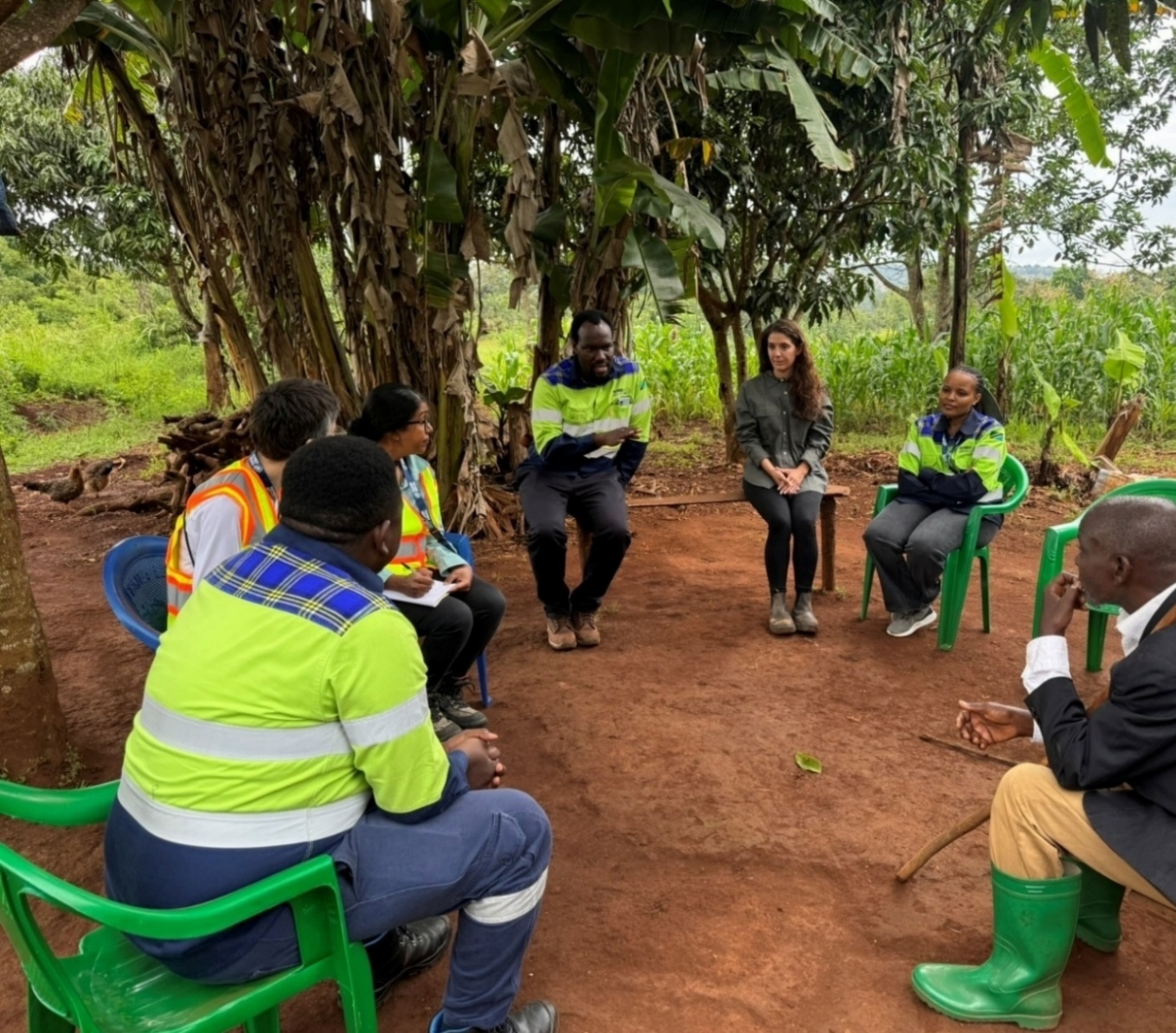
Lifezone Metals' community engagement and ESG execution may strengthen Kabanga's financing case by reducing project risk alongside technical progress.
- Lifezone Metals' First Quarter 2026 Financial Results Summary, released on April 30, 2026, indicates that social performance metrics were reviewed alongside technical and commercial factors during the financing due diligence for the Kabanga Nickel Project.
- The Resettlement Action Plan (RAP) reached 97% of Project Affected Households (PAHs) signing cash compensation agreements, with 100% of cash compensation payments made by the company by the end of 2025.
- A Memorandum of Understanding (MoU) covering 2025 Corporate Social Responsibility (CSR) projects was signed with the Ngara District Council, alongside a zero-incident safety record of more than 2.7 million hours worked without a lost time injury.
- Independent engineers supporting the Societe Generale-led project financing process reviewed environmental and social aspects of Kabanga, while the US Development Finance Corporation (DFC) advanced its own due diligence.
- For a project targeting a Final Investment Decision (FID) through a multi-lender structure, this social record is a factor investors can monitor alongside financing and insurance disclosures.
A Line Item Lenders Are Reading Closely
Most quarterly results releases bury stakeholder relations near the back, after the cash balance table and the drawdown schedule. In Lifezone Metals' First Quarter 2026 Financial Results Summary, released on April 30, 2026, that section carries unusual weight for how the Kabanga Nickel Project's financing timeline is being assessed.
Lifezone Metals (NYSE: LZM) confirmed that potential lenders and lender advisors conducted site visits at Kabanga during the First Quarter of 2026 and that independent engineers and consultants delivered final reports covering technical, logistical, environmental, social, and commodity market aspects of the project. The grouping matters: it suggests social performance is being reviewed inside the same due diligence process as engineering design and offtake terms, rather than in a separate sustainability appendix.
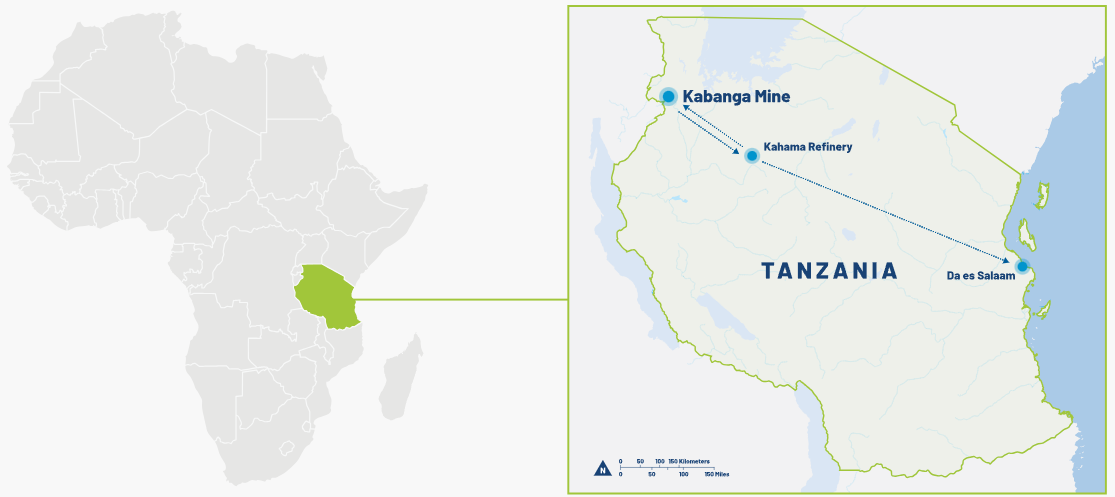
The company also disclosed that the Acting US Ambassador to Tanzania, Andrew Lentz, visited the Kabanga site on March 31, 2026, and met with the Ngara District Commissioner. A visit of this kind is consistent with a stable relationship between the project and host communities and local government.
The Resettlement Record Behind the Financing Push
The clearest, most quantifiable social metric in the release is the Resettlement Action Plan (RAP). Lifezone reported that 100% of cash compensation payments were made by the company by the end of 2025, and that 97% of Project Affected Households (PAHs) have signed their cash compensation agreements and received the associated funds. The remaining balance for households that have not yet completed signing was deposited into an escrow account rather than withheld, keeping the company's payment obligation current even when administrative steps with individual households remain open.
This detail is relevant because resettlement is one of the more common sources of delay and reputational risk in large-scale nickel and battery metals development globally. A RAP that is substantially complete ahead of a Final Investment Decision (FID) may reduce a variable that lenders typically price into risk, whether through extended due diligence timelines, covenant conditions, or delayed drawdowns.
Lifezone paired this disclosure with continued resettlement working group meetings, document verification support for PAHs, and a completed household wellbeing and livelihood survey during the quarter, indicating the resettlement process remains active rather than closed out.
Due Diligence Teams Are Reviewing the Social Record
The project financing process led by Societe Generale continued to advance during the quarter, and potential lenders and lender advisors conducted site visits at Kabanga. Separately, the US Development Finance Corporation (DFC) completed its own due diligence, with further funding workstreams progressing. Lifezone also disclosed that international and local insurance brokers were appointed during the quarter, and that an insurance risk assessment and plan were advanced to support a global insurance roadshow in the coming weeks.
Negotiations for a potential strategic investment into Kabanga, led by Standard Chartered Bank, advanced during the quarter, with multiple offers received. A strategic investor committing capital to an asset in Tanzania is, by definition, taking on country and social risk alongside commodity price risk. The parallel timing of this process with the resettlement, Corporate Social Responsibility (CSR), and diplomatic engagement activity described above suggests these workstreams are connected, at least in the sense that lenders and investors evaluating Kabanga appear to be assessing social performance as part of the same review.
Continued liquidity, including the $25 million registered direct offering that closed on April 23, 2026, and the additional $16.7 million drawn under the Taurus Mining Finance bridge facility on April 29, 2026, is consistent with the company maintaining operational funding through the pre-FID period.
A Small Workforce, a Zero-Incident Record
Lifezone reported zero health, safety, environmental, or security incidents for the quarter, with more than 2.7 million hours worked without a lost-time injury, and 230 employees and contractors directly engaged by the Kabanga Nickel Project as of the end of March 2026. A Regional Police Commander also paid an official visit to assess the project site's current security status.
Under Lifezone's Environmental, Social and Governance (ESG) framework, security at Kabanga is intended to be managed collaboratively with communities and local government, informed by training on the Voluntary Principles on Security and Human Rights. Read alongside the RAP and CSR activity, the incident-free record for the quarter is consistent with stable relations between the project and its surrounding communities to date.
Why This Matters Against Indonesia's Cost Curve
The social license discussion does not sit in isolation from the commodity backdrop. Lifezone's First Quarter 2026 Financial Results Summary presentation notes that the London Metal Exchange (LME) nickel price rose 37% from its late-2025 low, driven substantially by Indonesian government policy, including a reduction in the 2026 nickel ore mining quota to 270 wet metric tonnes from 375 wet metric tonnes in 2025, a cut in mining quota validity from 3 years to 1 year, a revised benchmark pricing mechanism, and increased royalties via tiered rates. The International Nickel Study Group now targets a global nickel deficit of 32 kilotonnes in 2026, compared with a 283 kilotonne surplus in 2025.
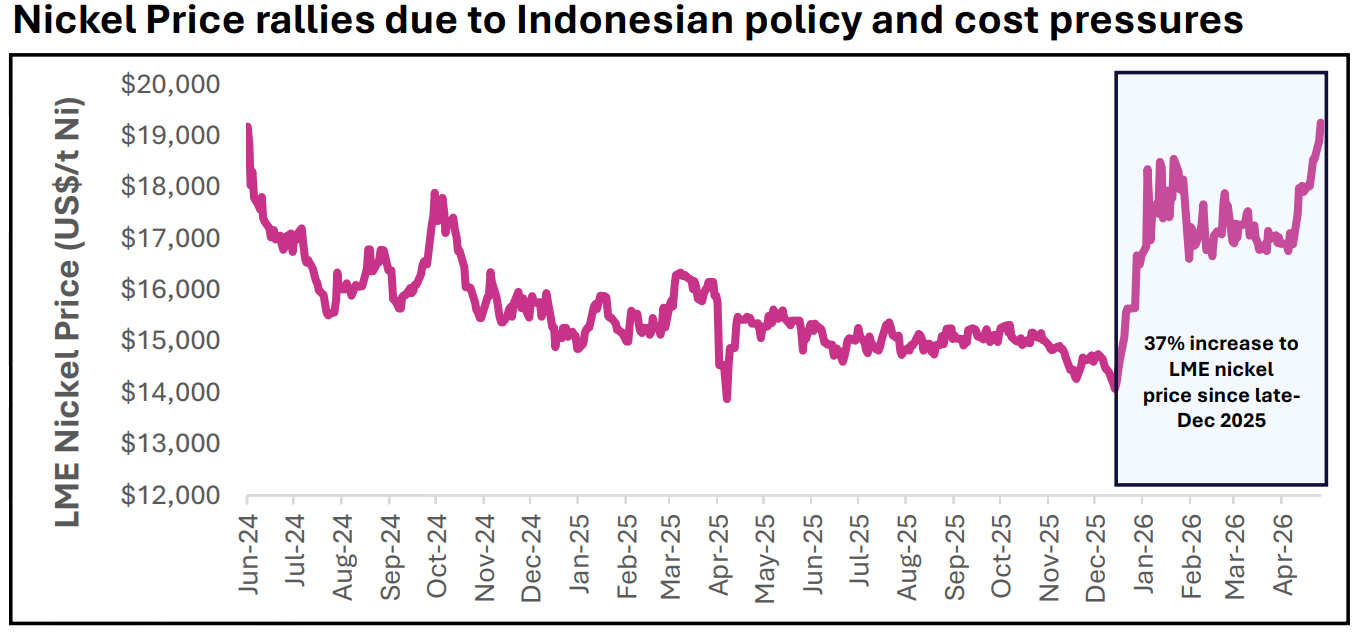
That backdrop raises the stakes for jurisdictional and social risk across the nickel supply chain. If Indonesian supply is being constrained by policy rather than geology, buyers and financiers assessing alternative nickel sources are likely to weigh execution certainty, including social and community risk, as part of the investment case for projects like Kabanga. A resettlement program that is largely complete, a CSR relationship formalised through a signed Memorandum of Understanding (MoU) with the local district government, and a zero-incident safety record function, in that context, serve as inputs to the question of whether Kabanga can be financed and built on the timeline the company is targeting.
What This Means for Investors
Taken together, the disclosures point to three monitorable threads rather than a settled conclusion:
- Resettlement completion: Completion of the remaining PAH signings under the RAP, and whether escrowed funds are drawn down as those households complete the process.
- Financing and insurance outcomes: The results of the Societe Generale-led project financing process, which has incorporated social and environmental review, alongside the Standard Chartered-led strategic investment negotiations and the global insurance roadshow.
- Continued CSR delivery: Progress on projects under the newly signed Ngara District Council MoU, which serves as a proxy for how community relations develop through the FID decision window.
None of these markers guarantees a path to FID without delay. But for a project financed by a coalition that includes development finance institutions, export credit agencies, and a strategic investor process that weighs social risk, community support appears to be moving from a peripheral disclosure to a variable against which the financing package is assessed.
FAQs (AI-Generated)
Analyst's Notes





Subscribe to Our Channel

.png)



Stay Informed


