Integra Resources' Heap Leach Strategy & Why Deferred Production May Strengthen Long-Term Mine Stability


Integra Resources deferred gold output to optimise heap leach recovery, improve mine flexibility and support long-term production growth.
- Integra Resources deferred approximately 3,000 ounces of gold production at Florida Canyon during First Quarter 2026 to optimise heap leach recovery and avoid long-term metallurgical issues.
- Elevated stripping activity and fleet expansion are increasing near-term costs but may materially improve operational flexibility, ore access, and production consistency in future quarters.
- Management maintained annual production guidance of 70,000 to 75,000 ounces despite temporary timing impacts, reinforcing confidence in the underlying operation.
- Florida Canyon's operational stabilisation strategy supports broader corporate ambitions to transition Integra into a multi-asset mid-tier producer across Nevada and Idaho.
- The company's resource inventory of 6.9 million ounces of gold equivalent, Measured and Indicated, and 3.1 million ounces Inferred across Florida Canyon, DeLamar, and Nevada North, provides substantial mine life visibility and development optionality.
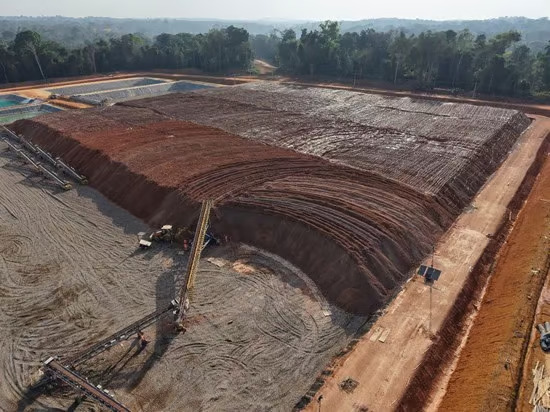
Mining equity investors typically interpret quarterly production delays as operational weakness. However, heap leach operations introduce dynamics that challenge this assessment. In heap leaching, crushed ore is stacked on engineered pads, and gold is extracted through chemical solution percolation. Recovery efficiency depends on ore mineralogy, particle size distribution, solution chemistry, and residence time. Operators must balance immediate recovery rates against longer-term metallurgical performance, particularly when encountering fine-grained material that can reduce solution flow efficiency.
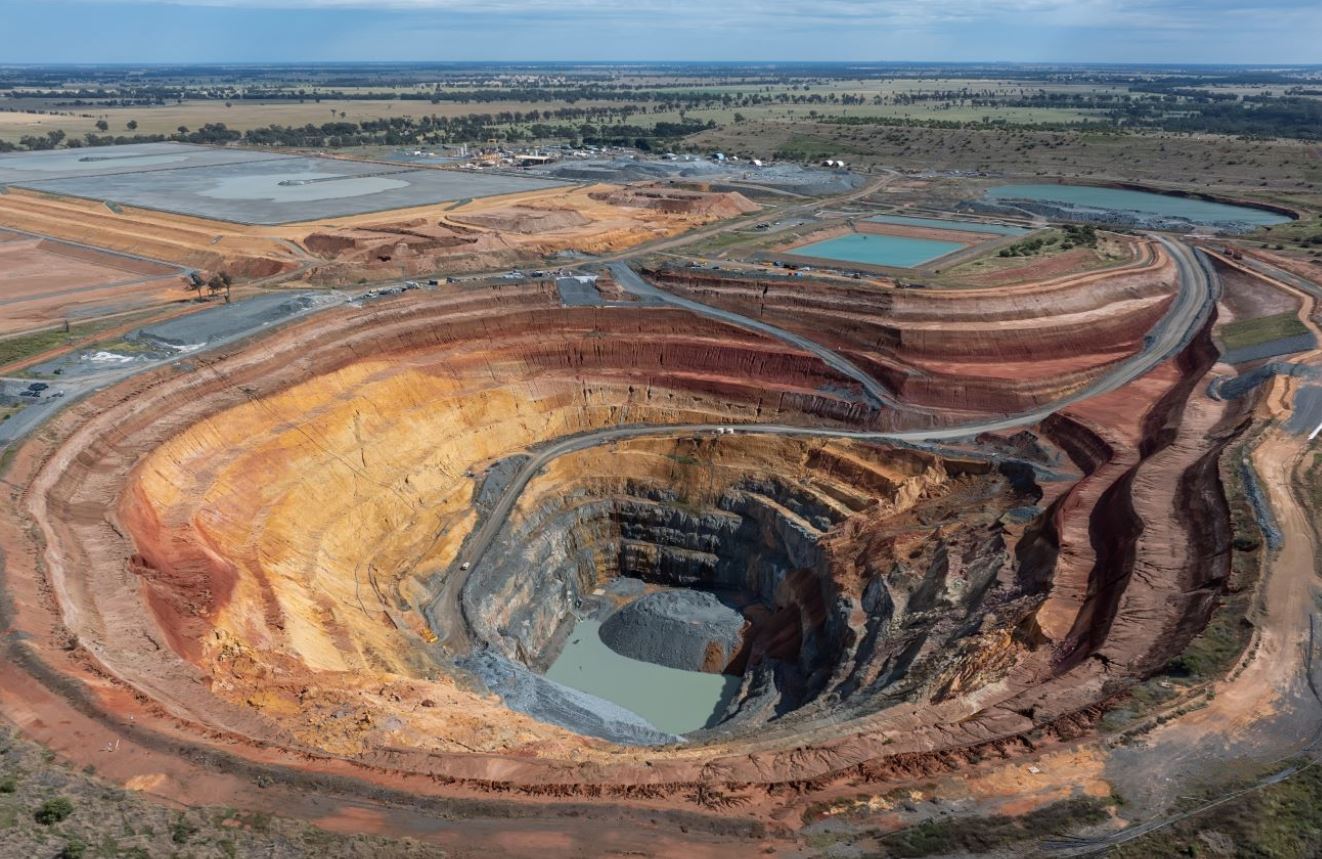
Florida Canyon, Integra Resources' (TSXV: ITR | NYSE American: ITRG) operating gold mine in Nevada, provides a case study in this operational complexity. During First Quarter 2026, the company deliberately deferred approximately 3,000 ounces of gold production to optimise heap leach recovery rates and avoid potential long-term metallurgical complications. Simultaneously, management increased waste-stripping activity and expanded the mining fleet, actions that elevated near-term costs but may improve operational flexibility and ore-access sequencing in subsequent quarters.
Heap Leach Operations Require Recovery Optimisation, Not Maximum Short-Term Throughput
Heap leaching represents a lower-capital-intensity processing method suited to large-tonnage, lower-grade gold deposits. Recovery efficiency depends critically on solution flow characteristics through the ore mass. During First Quarter 2026, Florida Canyon encountered ore from the N2 pit containing elevated proportions of fine-grained material. Fine ore presents a specific challenge because smaller particles tend to compact, reducing void space within the heap and restricting solution permeability.
Rather than continuing to process this fine material at normal rates and risking metallurgical complications, management elected to reduce solution flow rates to specific cells within the Phase II leach pad. The deferred ounces remain within the active leach cycle, and management expects to recover them during subsequent quarters of 2026.
President and Chief Executive Officer of Integra Resources, George Salamis, addressed the approach:
"2026 is about building capacity today at Florida Canyon to deliver more ounces, stronger cash flow, lower costs tomorrow."
Aggressively pushing heap leach systems to maximise short-term recovery rates when encountering unfavourable ore characteristics can create longer-term operational complications. If the solution flow becomes significantly channelised, recovery efficiency may decline persistently. By deliberately maintaining nominal leach rates for fine material, Integra prioritised recovery optimisation over quarterly production optics. The deferred ounces represent a timing issue rather than a permanent production loss.
Elevated Stripping & Fleet Expansion Signal Strategic Reinvestment
At Florida Canyon, the strip ratio increased from 0.60 in First Quarter 2025 to 1.30 in First Quarter 2026. Total waste mined increased from 1.8 million tonnes to 3.9 million tonnes year-over-year. This increase directly impacts near-term economics, contributing to guidance of all-in sustaining costs (AISC) between US$2,750 and US$2,950 per ounce for 2026. However, management has explicitly framed this stripping activity as part of a stated reinvestment strategy.
The elevated stripping addresses constraints inherited from previous operators. By accelerating waste stripping now, Integra aims to establish more robust ore access across multiple mining areas.
Salamis identified the cost pressure mechanism and anticipated resolution timeline:
"What's driving AISC now is essentially the stripping campaigns that we have to get through that are occurring ahead of accessing ore on the central pit, which is one of the largest ore bodies at Florida Canyon. It happens to come with higher grades. Once we get through that stripping in 2026, we're into much lower stripping, presumably much lower costs because of that reduced stripping rate."
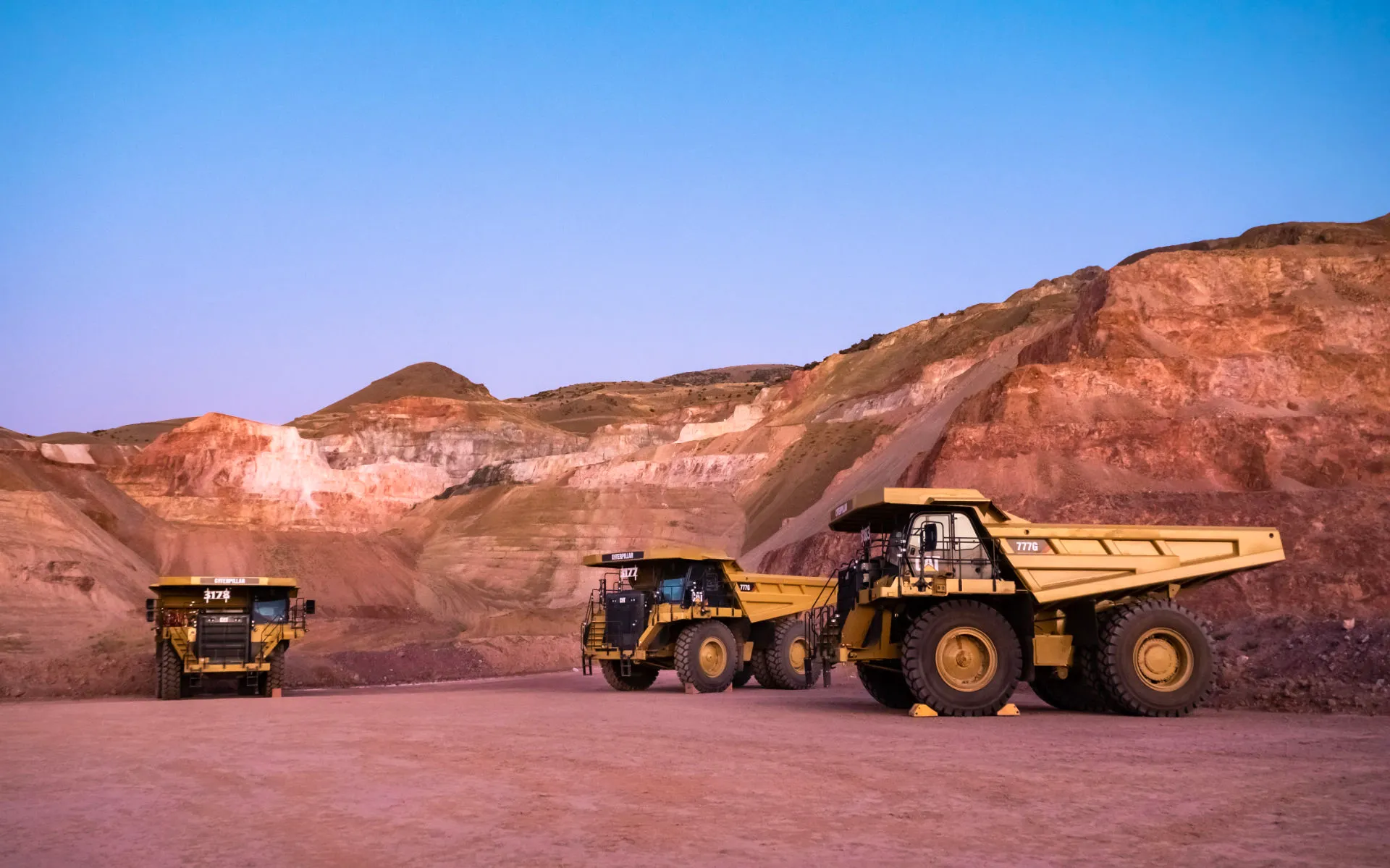
The elevated costs represent an investment phase designed to establish access to higher-grade ore zones that management expects will support production of 80,000 to 90,000 ounces annually in 2027 and 2028. Concurrent with elevated stripping activity, Integra commissioned six new Caterpillar 785 haul trucks during the quarter, expanding the heavy equipment fleet. This equipment expansion enabled the operation to achieve a record mining rate of 76,800 total tonnes per day.
Maintaining Full-Year Guidance Signals Management Confidence
Integra maintained its 2026 production guidance of 70,000 to 75,000 ounces despite deferring approximately 3,000 ounces from First Quarter production. This decision indicates that management expects to recover the deferred ounces throughout the remainder of 2026 and that the underlying operational plan supporting annual guidance remains intact. The maintained guidance implicitly acknowledges that the First Quarter impact resulted from deliberate operational decisions regarding heap leach recovery rates rather than unexpected equipment failures or metallurgical surprises.
For investors assessing execution risk, this distinction matters substantially. Operational disruptions stemming from equipment reliability or metallurgical performance below feasibility study (FS) assumptions typically require multi-quarter remediation periods. In contrast, production timing impacts in heap leach systems represent scheduling adjustments rather than capacity constraints.
This forward guidance, maintained despite First Quarter production timing impacts and elevated costs, suggests management confidence that current operational decisions will translate into materially higher production volumes once the reinvestment phase concludes.
Florida Canyon Cash Flow Supports Multi-Asset Development Pipeline
Beyond Florida Canyon, Integra controls the DeLamar Project in Idaho and the Nevada North Project, both representing advanced-stage development assets with completed feasibility-level studies. DeLamar features a projected 10-year mine life averaging 106,000 ounces of gold equivalent annually, while Nevada North projects a 13-year mine life averaging approximately 80,000 ounces of gold equivalent annually. Combined with Florida Canyon's production, these projects position Integra to operate as a mid-tier precious metals producer once all three assets reach commercial production.
The company's total resource inventory stands at 6.9 million ounces of gold equivalent in Measured and Indicated categories and 3.1 million ounces in Inferred categories. Florida Canyon's role in this growth strategy centres on cash flow generation, reducing the company's reliance on equity or debt financing to fund development activities. The company maintains a cash position of approximately US$115 million, providing operational and strategic flexibility to advance development projects without immediate financing pressure.
The Investment Thesis for Integra Resources
- Florida Canyon's deferred ounces stem from recovery optimisation rather than operational failure, with management prioritising long-term metallurgical performance over quarterly production optics.
- Elevated stripping and fleet expansion represent strategic reinvestment to access higher-grade ore zones, positioning the operation for 80,000 to 90,000 ounces annually in 2027 and 2028 compared to 70,000 to 75,000 ounces in 2026.
- Management maintained annual production guidance despite First Quarter timing impacts, signalling confidence in operational stability and distinguishing temporary adjustments from structural challenges.
- The company generated positive free cash flow of US$3.0 million during First Quarter 2026 despite elevated reinvestment costs, with a corporate cash position of approximately US$115 million supporting development advancement at DeLamar and Nevada North without requiring material equity dilution.
- The portfolio of current production, advanced-stage development projects, 6.9 million ounces of gold equivalent Measured and Indicated resources, and Nevada and Idaho jurisdictional exposure positions Integra to transition into a multi-asset mid-tier producer as DeLamar and Nevada North advance toward commercial operation.
The combination of operational discipline at Florida Canyon and advanced-stage development projects at DeLamar and Nevada North may reduce execution risk as Integra transitions from single-asset to multi-asset producer status.
TL;DR
Integra Resources deliberately deferred approximately 3,000 ounces of gold production at Florida Canyon during First Quarter 2026 to optimise heap leach recovery rather than force short-term output, while simultaneously increasing waste stripping from 1.8 million tonnes to 3.9 million tonnes year-over-year and expanding mining fleet capacity. These decisions elevated near-term all-in sustaining costs to between US$2,750 and US$2,950 per ounce but positioned the operation for materially higher production of 80,000 to 90,000 ounces annually in 2027 and 2028, compared to 70,000 to 75,000 ounces in 2026. Management maintained annual guidance despite the timing impact, signalling confidence that operational reinvestment will strengthen long-term mine stability and support the company's transition into a multi-asset mid-tier producer as DeLamar and Nevada North progress through permitting and development.
FAQs (AI-Generated)
Analyst's Notes





Subscribe to Our Channel


.jpg)
.jpg)

Stay Informed