




Gold Miners' Record Q1 2026 Profits Face Q2 Squeeze as Fuel Costs Spike



Q1 mining earnings hit records but Q2 faces margin squeeze from fuel costs up 50-100% & falling prices. Australia, open-pit ops most exposed. Copper supply risks emerging.
- Q1 2026 represented peak performance for gold producers with record production and cash flows driven by average gold prices near $4,900/oz, up 15% from Q4 2025; however, analysts expect margin compression in Q2 due to declining gold prices and sharply rising fuel costs
- Fuel cost increases pose asymmetric risks across mining operations, with refined products up 50-100% in some jurisdictions; underground, grid-connected mines face 4-5% cost exposure while remote open-pit operations could see 30-40% of cost structure impacted
- Australia identified as most energy-exposed major mining jurisdiction, importing 91% of refined products, leading to portfolio reductions in Australian mining equities; other vulnerable regions include Chile, Peru, and parts of Africa
- Copper markets showing strength amid supply risk concerns, with prices at all-time highs potentially reflecting market anticipation of fuel-driven supply disruptions at major operations in Chile, Peru, and DRC
- Orla/Equinox merger signals continued mid-tier consolidation creating 1Mpa+ ounce producer, reducing number of potential acquirers for 150-200K ounce assets while highlighting scarcity of quality development projects available for M&A
Mining equity investors are navigating a complex landscape as first-quarter 2026 earnings demonstrate robust operational performance while forward-looking indicators suggest material margin compression ahead. In a discussion, Samuel Pelaez, President & CEO, and Derek Macpherson, Executive Chair, at Olive Resource Capital, analysed quarterly results across gold and base metal producers while highlighting the divergent impact of rising energy costs on different mining operations. The conversation provides insight into how fuel price increases - ranging from 50% to 100% for refined products in certain jurisdictions- may affect profitability across the sector in coming quarters.
Record Q1 Performance Masks Emerging Headwinds
The first quarter of 2026 marked another period of exceptional performance for gold producers, with companies reporting record production levels and strong free cash flow generation. Average gold prices increased approximately 15% quarter-over-quarter, rising from roughly $4,200 in Q4 2025 to near $4,900 in Q1 2026, despite a March pullback related to Iran-related geopolitical tensions.
Major producers capitalised on favorable pricing with significant capital allocation announcements. Barrick Gold declared a $3 billion share buyback program, while Agnico Eagle deployed approximately $3 billion for the acquisition of Rupert Resources and Aurion Resources signals a structural shift toward district-scale consolidation in Finland in April.
However, analysts noted that Q1 may represent peak earnings for the sector. Through mid-May, gold prices had declined approximately $200 per ounce from Q1 averages - a 4-4.5% reduction - while input costs continued rising. The combination suggests Q2 will see margin compression despite continued profitability.
Fuel Cost Impact Varies Dramatically by Operation Type
The discussion emphasised that energy cost exposure varies significantly based on mine characteristics, creating asymmetric impacts across the sector. Four primary factors determine vulnerability: mine type (underground versus open pit), power source (grid-connected versus diesel generators), location (proximity to fuel infrastructure), and scale of operations.
Underground operations connected to electrical grids face minimal exposure, with diesel representing perhaps 4-5% of total costs. A 50% increase in diesel prices would translate to only marginal percentage-point increases in overall cost structure - potentially unnoticeable in quarterly reporting.
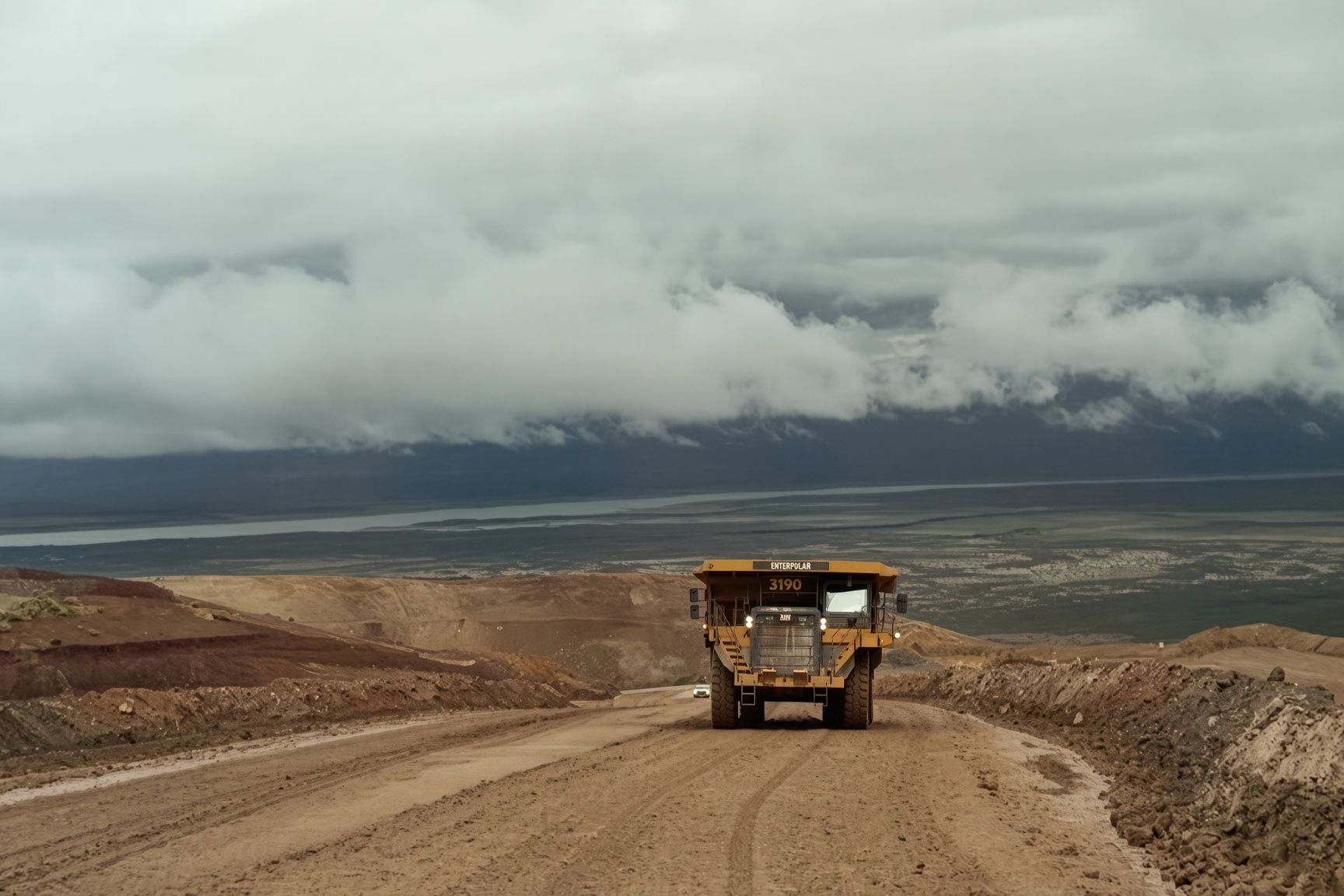
Conversely, large-scale open-pit operations in remote locations face severe exposure. Operations using heavy fuel oil for power generation, diesel for haul trucks, and jet fuel for fly-in/fly-out workforces in jurisdictions with limited fuel access could see 30-40% of their cost structure directly tied to energy prices. As Pelaez noted, "different mines have different intensity of use of fuel... open pit mines, more operational leverage, more use of fuel per unit of product."
Specific companies mentioned as facing higher exposure include AngloGold Ashanti, Kinross Gold, and portions of Newmont and Barrick's portfolios outside Nevada. Grid-connected operations like those Agnico Eagle operates in Canada face less severe impacts.
Geographic Vulnerability: Australia as Highest-Risk Jurisdiction
Geographic analysis identified Australia as the most energy-exposed major mining jurisdiction globally. The country imports 91% of its refined product consumption and lacks spare refining capacity, making it particularly vulnerable to supply disruptions and price spikes.
This assessment led to concrete portfolio decisions, with Olive Resource Capital reducing Australian mining equity exposure. The rationale centered on market pricing not adequately reflecting fuel supply risks, particularly given Australia's position as a net energy importer operating numerous large-scale open-pit and fly-in/fly-out operations.
Beyond Australia, other vulnerable regions include Chile (net oil importer hosting two of the world's four largest copper mines), Peru (importing 50% of fuel needs as the third-largest copper producer), and the Democratic Republic of Congo, which sources fuel through South Africa - itself a net importer - creating a cascading supply priority issue.
Base Metals Face Compounded Pressure
Copper operations face particularly acute challenges given the scale differential between copper and gold mining. While large gold mines like Detour Lake process ~80,000 tons per day, major copper operations like Highland Valley process ~160,000 tons daily - nearly double the material movement and associated fuel consumption.
Despite these cost pressures, copper prices reached all-time highs during the period, potentially reflecting market anticipation of supply disruptions. Several factors compound supply concerns beyond fuel costs: delayed ramp-up at Freeport-McMoRan's Grasberg mine, operational challenges at other major facilities, and sulfuric acid supply constraints affecting heap-leach operations.
The sulfuric acid shortage prompted a nickel smelter shutdown in Indonesia, though analysts suggested this may have provided cover for a marginal operation already challenged by weak nickel prices. Nevertheless, the incident demonstrates how energy-related input constraints are beginning to materialise beyond direct fuel costs.
Consolidation Continues: Orla-Equinox Merger
The May 13 announcement of the Orla Mining and Equinox Gold merger illustrated continuing mid-tier consolidation. The combined entity will produce over one million ounces annually, positioning it as the second-largest gold producer in Canada by domestic production after Agnico Eagle.
Analysts viewed the transaction primarily as a scale play, providing enhanced access to generalist investors and index inclusion while offering limited operational synergies beyond general and administrative expense reductions. Both companies trace backing to successful mining investors - Pierre Lassonde for Orla and Ross Beaty for Equinox - suggesting continued acquisition activity may follow.
However, the merger removes Orla as a potential acquirer of 150,000-200,000 ounce annual production assets, reducing the buyer pool for mid-sized development projects. This reinforces the theme of asset scarcity, with analysts estimating fewer than five high-quality, advanced development projects currently available for acquisition.
The discussion identified potential consolidation candidates including SSR Mining, Torex Gold, and IAMGold, while noting jurisdictional and valuation challenges complicate many potential transactions. Artemis Gold was mentioned as attractively positioned but potentially expensive from a valuation perspective.
Strategic Implications and Market Outlook
Looking beyond Q2, the conversation highlighted several strategic considerations for investors. First, the unprecedented nature of current supply disruptions - described as exceeding both the 1973 oil crisis and 2020 pandemic disruptions - suggests extended market dislocations rather than quick resolution, even with diplomatic progress.
Second, the analytical framework for evaluating mining equities must incorporate operational characteristics beyond traditional metrics. Grid connectivity, proximity to fuel infrastructure, underground versus open-pit configuration, and jurisdictional energy security now represent first-order considerations for relative performance.
Third, the scarcity of quality development assets creates opportunity for companies holding advanced projects in favorable jurisdictions. As Macpherson observed regarding value creation:
"Doing the hard things is how you create value, right, the thing that people don't want to do, and in North America it's building mines."
Companies capable of project development and operation may capture premium valuations as acquisition targets.
Key Takeaways
The mining sector navigates a transitional period where strong fundamental performance confronts emerging operational challenges. First-quarter results demonstrated the earnings power of elevated commodity prices, but forward indicators suggest margin compression ahead as fuel costs rise and metal prices moderate. Geographic and operational diversification takes on renewed importance, with energy-exposed jurisdictions and operation types facing asymmetric downside.
Consolidation continues reducing the pool of available quality assets, while copper markets may be anticipating supply disruptions not yet fully reflected in producer valuations. Investors should evaluate holdings through the lens of energy exposure, operational configuration, and jurisdictional fuel security as these factors increasingly differentiate relative performance in coming quarters.
TL;DR
Q1 2026 marked peak earnings for gold miners with record production and $4,900/oz average prices, but Q2 faces margin compression from $200/oz price decline and 50-100% refined fuel cost increases. Energy exposure varies dramatically: underground grid-connected mines see 4-5% cost impact versus 30-40% for remote open-pit operations, with Australia (91% fuel import dependent) identified as highest-risk jurisdiction prompting portfolio reductions. Copper prices at all-time highs may reflect supply disruption anticipation, while Orla-Equinox merger highlights continued consolidation amid scarcity of quality development assets.
FAQs (AI Generated)
Australia imports 91% of refined fuel products without spare refining capacity, creating extreme vulnerability to supply disruptions and price spikes. Current valuations don't adequately reflect this exogenous risk affecting profitability.
Large-scale, remote open-pit operations using diesel generators and haul trucks in jurisdictions with limited fuel access face 30-40% cost structure exposure, versus 4-5% for underground grid-connected mines.
Markets appear to price in supply disruption risk from fuel constraints at major Chilean, Peruvian, and DRC operations, compounded by Grasberg delays and sulfuric acid shortages affecting heap-leach production.
The combination of $4,900/oz average gold prices (up 15% Q/Q) and pre-fuel-spike cost structures likely won't repeat, with Q2 facing ~$200/oz lower prices and 50-100% refined product cost increases.
Chile (net importer hosting two top-four copper mines), Peru (50% fuel import dependence), and DRC (sourcing through South Africa, itself import-dependent) face cascading supply priority challenges.
Analyst's Notes





Subscribe to Our Channel
.jpg)


.jpg)



.jpg)


Stay Informed






















