




Iran Peace Deal Cuts Brent to $83 as Supply Risks Persist in Fuel Markets



Iran peace deal cut Brent to $83, but a 13% US distillate deficit and Hormuz uncertainty keep oil supply, inflation, and Fed risks in focus.
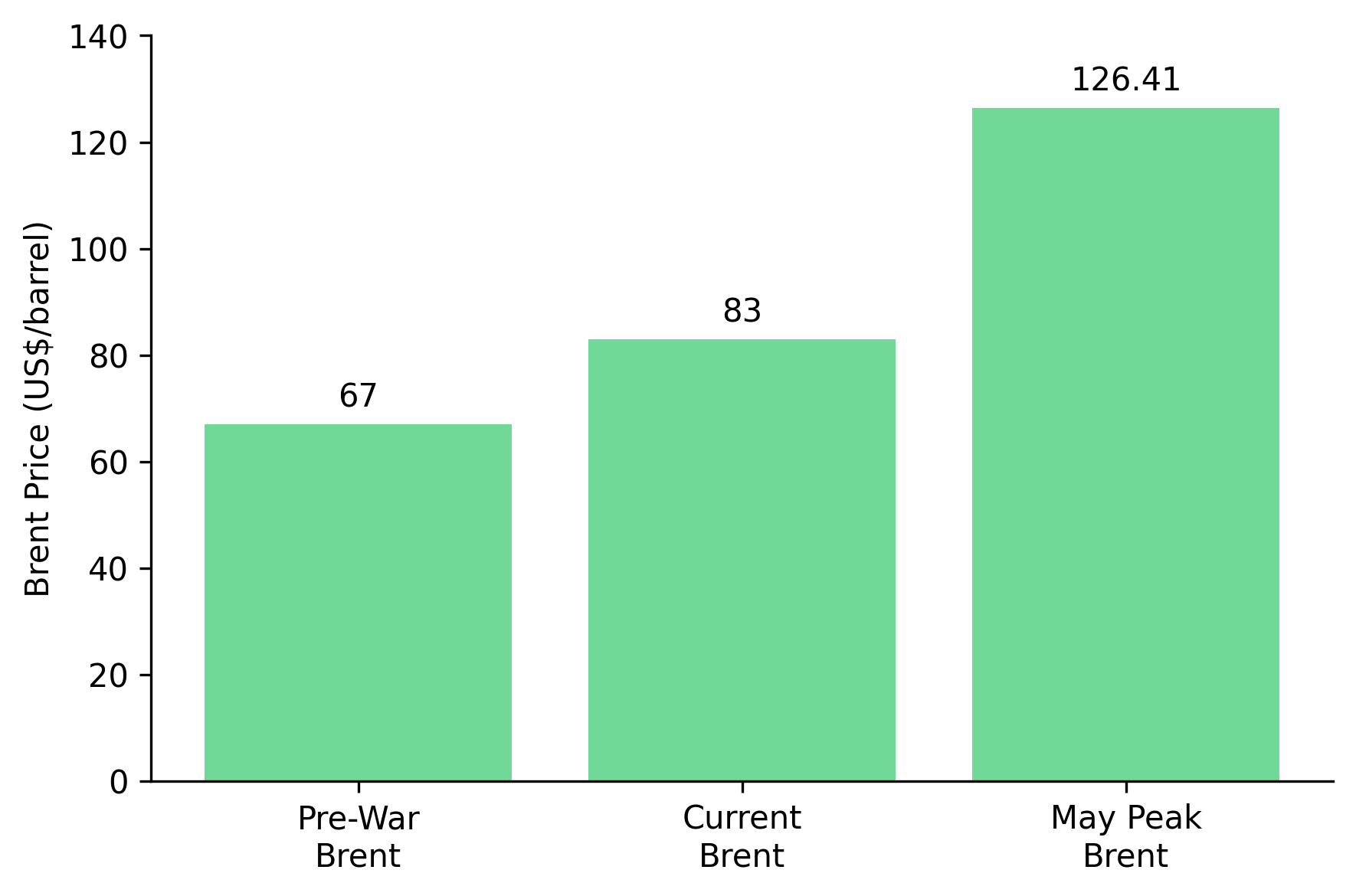
- Brent crude futures fell about 5% to $83 per barrel from a May peak of $126.41, reducing energy price pressure after the peace deal but remaining above the roughly $67 level where Brent traded before the war began.
- Iran said traffic through the Strait of Hormuz would be regulated jointly with Oman, giving Tehran an ongoing role in one of the world's most important oil shipping routes. The framework could include a transit toll, creating uncertainty around future shipping costs and export flows.
- CME FedWatch data showed the probability of a December rate hike fell to about 50% from more than 70% a week earlier after the Iran peace deal reduced concerns about energy-driven inflation. The Fed is expected to keep rates at 3.50%-3.75% at its upcoming meeting.
- US commercial crude inventories stood at 426.5 million barrels, 5% below the five-year average. Distillate inventories were 13% below average while demand averaged 3.7 million barrels per day, up 7.2% year over year, indicating fuel markets remained tight despite the decline in oil prices.
- CBA analyst Vivek Dhar is targeting Brent at $80 by year-end if the Strait of Hormuz remains open. He said damage to regional oil and refinery assets creates uncertainty around how quickly exports can recover.
Brent Falls to $83 as US-Iran Deal Reduces Oil Supply Concerns
Global equity markets rallied after the US and Iran agreed on a framework peace deal that included reopening the Strait of Hormuz, reducing concerns about disruptions to global oil supplies. Brent crude fell about 5% to $83 per barrel from a May peak of $126.41, but remained above its pre-war level of about $67, indicating that energy markets continue to price in supply risk.
Gold rose 2.5% to $4,322 per ounce as 2-year Treasury yields fell 6 basis points to 4.02%, increasing the appeal of non-yielding assets. CME FedWatch data showed the probability of a December rate hike fell to about 50% from more than 70% a week earlier as lower oil prices reduced concerns about energy-driven inflation. The Fed is expected to keep rates at 3.50%-3.75% at its upcoming meeting. The 5% decline in Brent suggests traders removed part of the supply disruption risk that had been priced into oil markets during the conflict.
Iran Retains Influence Over Hormuz Traffic Despite the Peace Deal
Iran said traffic through the Strait of Hormuz would be regulated jointly with Oman, giving Tehran an ongoing role in one of the world's most important oil shipping routes. The framework could include a transit toll, creating uncertainty around future shipping costs and export flows. The agreement does not address Iran's nuclear program, leaving a key source of geopolitical risk unresolved. Further negotiations will help determine whether the reduction in oil supply risk is sustained.
US crude imports averaged 5.9 million barrels per day, 5.8% below the prior-year four-week average, indicating lower crude inflows ahead of the peace agreement. US crude inventories stood at 426.5 million barrels, 5% below the five-year average. Distillate inventories were 13% below average while distillate demand was 7.2% higher year over year, indicating fuel markets remained tight despite the decline in oil prices.
CBA analyst Vivek Dhar said damage to regional oil and refinery assets creates uncertainty around how quickly oil and refined-product exports can recover. The speed of any recovery in Hormuz shipping volumes will influence how quickly additional oil reaches global markets and whether lower prices are supported by improved physical supply.
Lower Oil Prices Cut December Rate-Hike Odds to 50%
CME FedWatch data showed the probability of a December rate hike fell to about 50% from more than 70% a week earlier as lower oil prices reduced concerns about energy-driven inflation. The Fed is expected to keep rates at 3.50%-3.75% at its upcoming meeting. TD Securities strategist Prashant Newnaha cautioned that lower inflation risk may be temporary if oil exports and fuel supplies recover more slowly than markets currently expect.
CBA analyst Vivek Dhar is targeting Brent at $80 by year-end if the Strait of Hormuz remains open. He said damage to regional oil and refinery assets creates uncertainty around how quickly oil exports can recover. The outlook for oil exports also affects interest-rate expectations. If supply recovers more slowly than markets expect, higher energy prices could keep inflation pressures elevated and increase the likelihood of future Fed rate hikes.
Higher Gold Prices & Lower Oil Costs Support Mining Margins
Spot gold rose 2.5% to $4,322 per ounce, increasing revenue per ounce for gold producers. Brent at about $83 per barrel reduces fuel and operating costs relative to the conflict peak of $126.41. Brent remains above its pre-war level of about $67 per barrel, meaning energy costs have not returned to pre-conflict levels.
The impact on mining margins depends on whether producers budgeted for oil prices above or below $80 per barrel. CBA analyst Vivek Dhar is targeting Brent at $80 by year-end if the Strait of Hormuz remains open and oil exports continue to recover. Iran's nuclear program remains under negotiation, and any breakdown in talks could renew supply concerns and push oil prices higher.
Oil Supply Recovery Depends on Fuel Inventories and Iran Nuclear Talks
If the Strait of Hormuz remains open and oil exports recover, Brent could move toward CBA analyst Vivek Dhar's $80 year-end target. Lower oil prices would reduce inflation concerns, supporting lower rate-hike expectations and a weaker US dollar environment for gold. If oil exports recover more slowly than expected and fuel inventories remain tight, energy prices could stay elevated. That would increase inflation risks, support higher rate-hike expectations, and reduce support for gold prices.
Weekly EIA inventory data provides a direct measure of whether oil and fuel supply conditions are improving after the peace agreement. Distillate inventories were 13% below the five-year average while demand averaged 3.7 million barrels per day, up 7.2% year over year, indicating fuel markets remained tight before the agreement. Continued inventory draws would suggest fuel supplies remain tight despite lower oil prices, indicating that additional exports have not yet translated into higher physical supply.
Analyst's Notes





Subscribe to Our Channel





Stay Informed


