




Kodiak Copper Drilling Extends Ketchan Deposit Southeast at MPD Project in British Columbia


Kodiak Copper’s step-out drilling extends Ketchan copper-gold mineralisation over 450 metres southeast, supporting resource growth ahead of a Q1 2027 update.
- Drilling extended the Ketchan mineralised zone by at least 450 metres beyond its currently defined 1.4-kilometre length.
- Hole AG-26-034 returned 0.41% copper equivalent (CuEq) over 122.5 metres from 5.5 metres below surface.
- Hole AG-26-015 intersected 0.31% CuEq over 207.3 metres in a gold-rich zone within the deposit.
- A geophysical anomaly extends one kilometre southeast of Ketchan and is untested beyond hole AG-26-034.
- 12,712 metres in 60 holes completed of a planned 16,500-metre programme, with an updated resource estimate planned for Q1 2027.
Kodiak Copper Corp. (TSXV:KDK) is a Canada-based exploration company advancing its wholly owned MPD copper-gold project in south-central British Columbia. The project lies within the Quesnel Terrane, a geological belt with producing mines and established infrastructure. Kodiak’s initial Mineral Resource Estimate, published in 2025, outlined seven deposits at MPD, all of which remain open to expansion, and many targets on the property have yet to be tested. The company also holds the Mohave copper-molybdenum-silver project in Arizona, near the Bagdad mine. Kodiak’s founder and Chairman is Chris Taylor, known for his gold discovery at Great Bear Resources, and the company is part of the Discovery Group led by John Robins.
Ketchan Mineralisation Extended at Least 450 Metres to the Southeast
Ketchan is a porphyry copper-gold deposit, a type of large system in which metals are spread through a broad body of rock. The 2026 programme is Kodiak’s first at Ketchan and targets areas within and adjacent to the existing resource. Hole AG-26-034, drilled from a site 450 metres southeast of the deposit, intersected 0.31% copper, 0.10 grams per tonne (g/t) gold and 1.70 g/t silver over 122.5 metres. Combined, this equals 0.41% CuEq, a figure that expresses all three metals as a single copper grade for comparison.
Hole AG-26-021 tested a monzonite intrusion (a body of once-molten rock) linked to Ketchan and confirmed it is mineralised throughout, returning 0.20% CuEq over 202.5 metres in veins containing bornite and chalcopyrite, two copper-bearing minerals. Together with historic hole K15-08, which returned 0.31% CuEq over 92 metres, these three holes indicate potential to expand the Ketchan resource by at least 450 metres to the southeast.
Within the deposit, hole AG-26-015 tested an area of patchy grades in the resource model and intersected a gold-rich zone of 0.31% CuEq over 207.3 metres, including 0.15 g/t gold, showing continuity across more than 200 metres. Hole AG-26-020, drilled east of the resource where no mineralisation was previously known, intersected copper enrichment of 0.21% CuEq over 37.5 metres.
President and CEO Claudia Tornquist said:
“The recent drilling at the Ketchan deposit continues to deliver excellent results and suggests near-surface mineralization goes well beyond the current resource footprint.”
Geophysical Anomaly Extends One Kilometre Southeast
Hole AG-26-034 confirmed that copper mineralisation is associated with a 3D induced polarisation (3D-IP) chargeability anomaly. This survey passes an electrical current through the ground and measures how readily rocks hold a charge, a response often linked to sulphide minerals that can accompany copper. The anomaly runs one kilometre southeast from Ketchan and continues 550 metres beyond the AG-26-034 drill site.
AG-26-034 was drilled on the margin of the anomaly, and the mineralised zone showed calc-potassic alteration, a chemical change in the rock caused by hot fluids. The anomaly also coincides with elevated copper values in soil and surface rock samples. The area southeast of AG-26-034 has not yet been drilled.
Mineralisation in this area remains open, meaning drilling has not yet defined its limits. Step-out drilling involves placing holes progressively further from known mineralisation to trace its extent.
President and CEO Claudia Tornquist said:
“This demonstrates the scale of the mineralized system at Ketchan and could potentially result in a significant extension of the current deposit. With mineralization remaining open in this area, we see opportunities to further expand the deposit through continued step-out drilling.”
Drilling Programme Advances Toward Updated Resource in Q1 2027
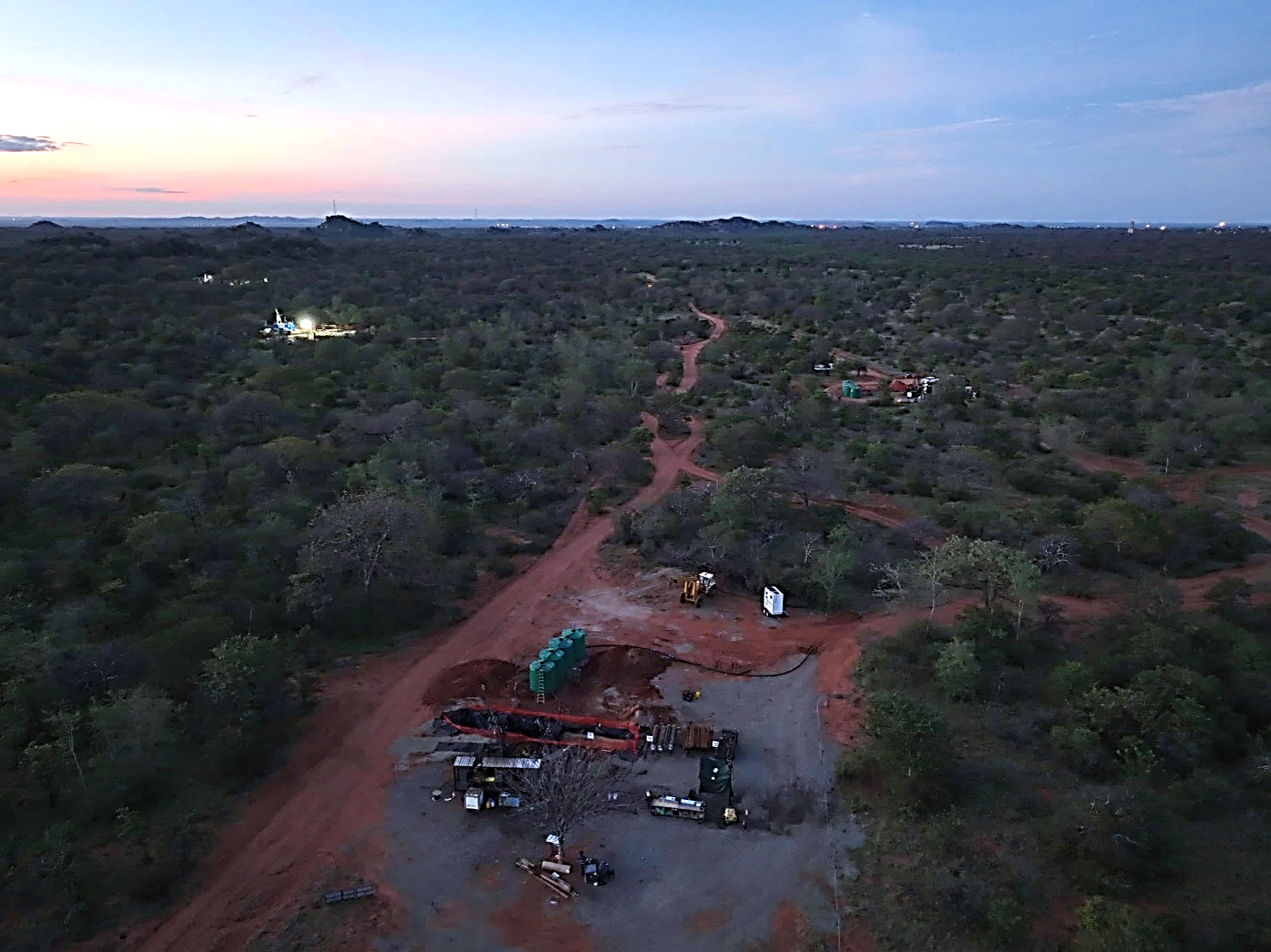
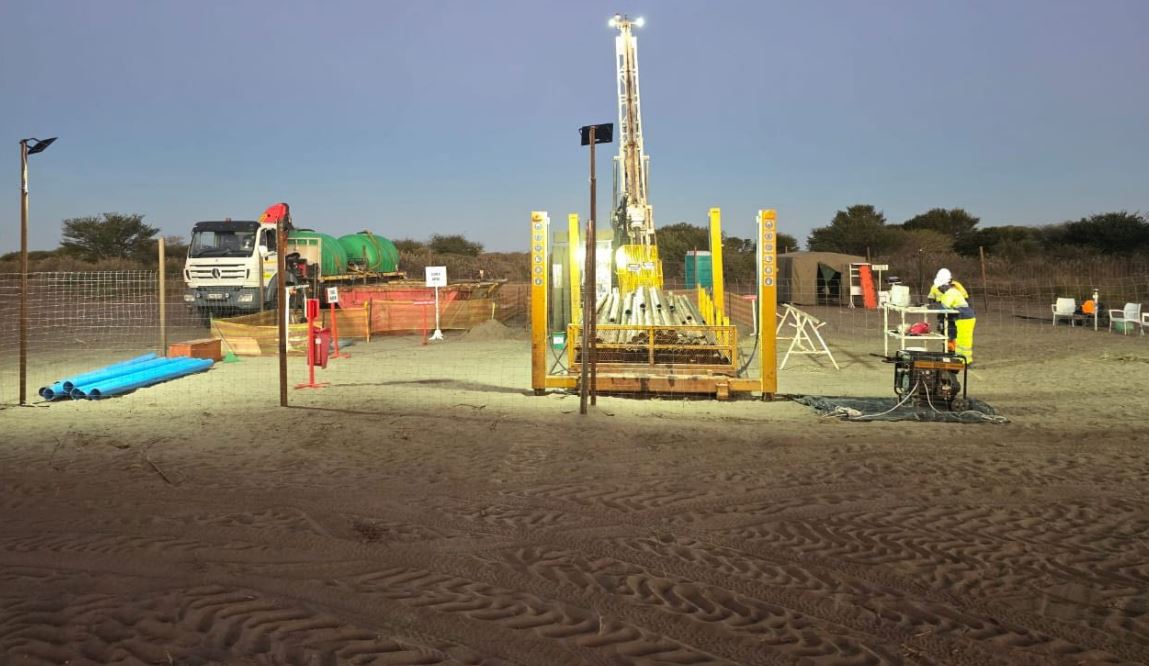
Kodiak has completed 12,712 metres in 60 holes in 2026 across the Ketchan, West and South deposits, out of 16,500 metres planned. The programme aims to expand several deposits and test exploration targets with potential for new discoveries, and drilling is expected to continue until late in the year.
Kodiak expects the latest results to improve and expand the Ketchan resource and, in turn, the overall MPD resource. A Mineral Resource Estimate (MRE) is a formal calculation of how much metal is in the ground and at what grade. Results from the 2026 programme will contribute to an updated MRE planned for Q1 2027.
Core samples are analysed by Activation Laboratories, an accredited laboratory, and Kodiak inserts blanks, duplicates and certified reference samples at a rate of one per ten samples as part of its internal quality control. The technical information was approved by Dave Skelton, P.Geo., Vice President Exploration and Qualified Person under Canadian disclosure standard NI 43-101.
Milestones and Next Steps
Kodiak has reported results from seven holes totalling 1,583 metres at Ketchan, with drilling across Ketchan, West and South continuing toward the 16,500-metre target until late 2026. The southeast extension of the 3D-IP anomaly remains untested, and additional drilling is required between the deposit’s northwestern and main zones. All 2026 results will be incorporated into the updated MRE for MPD scheduled for Q1 2027.
Analyst's Notes





Subscribe to Our Channel




Stay Informed


