




US Salt Production Concentration Puts Distribution Ahead of Mine Size


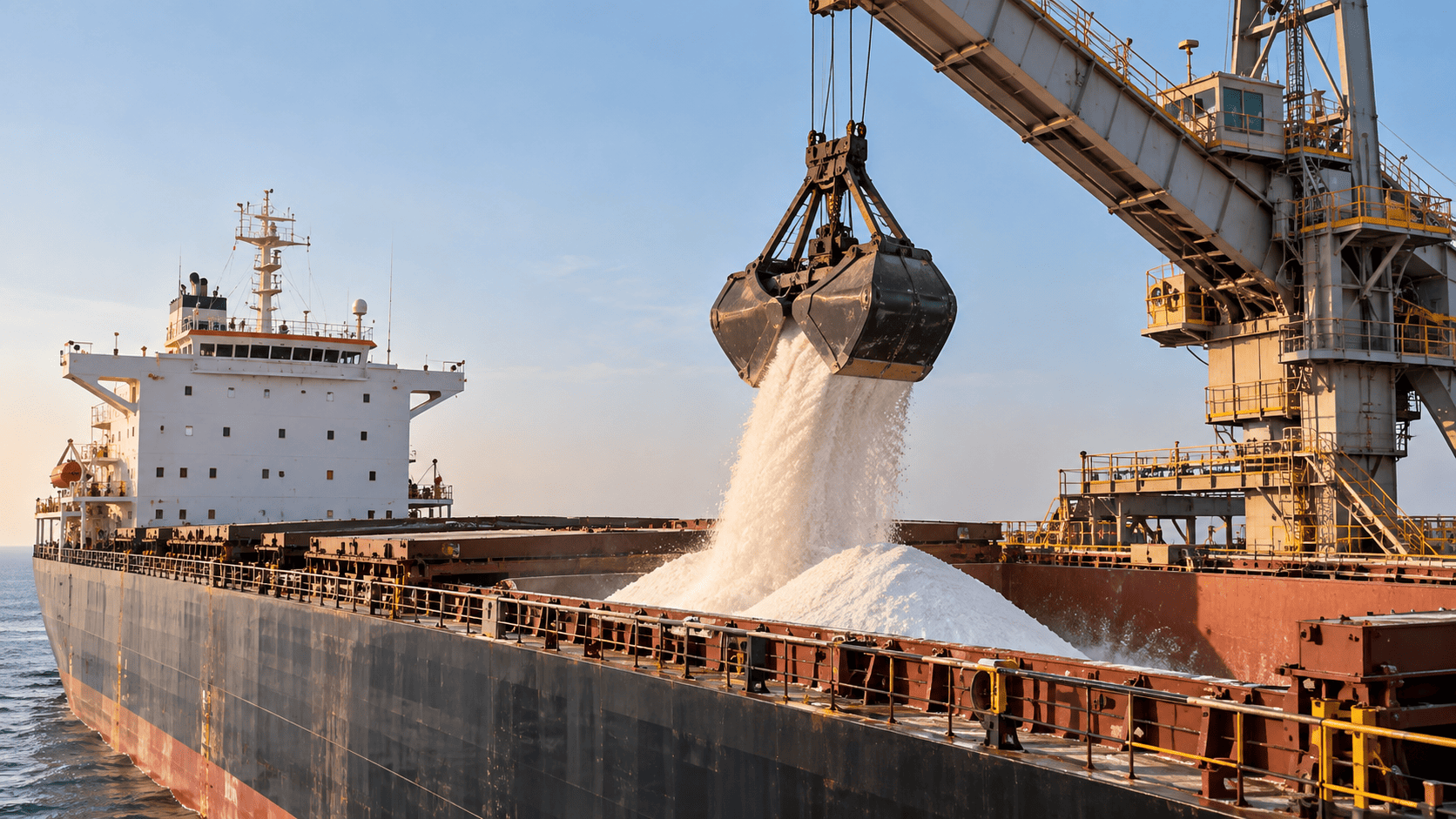
Ports, rail connections, and reliable delivery networks help salt producers reach more customers, expand sales opportunities, and support future mine cash flow.
- US Geological Survey (USGS) estimates that seven states accounted for approximately 95% of US salt production in 2025, making distribution costs a key factor in reaching customers competitively beyond major producing regions.
- Iowa purchases approximately 200,000 tons of road salt annually for 113 delivery locations, with rail, barges, and trucks enabling suppliers in Kansas and Louisiana to compete for inland demand.
- The Port of Toronto handled 751,353 metric tons of road salt in 2025, demonstrating how marine terminals support large-volume distribution to urban road-maintenance markets.
- Massachusetts' 2026-27 road-salt contract ceilings range from US$68.55 to US$181.70 per ton across areas awarded to the same supplier, making delivery costs an important factor in determining which markets are profitable to serve.
- Pre-production salt projects combining competitive mining costs with efficient marine and inland transportation networks can access more customer markets, expanding potential sales without requiring larger mineral reserves.
Concentrated Production Favors Inland Market Access
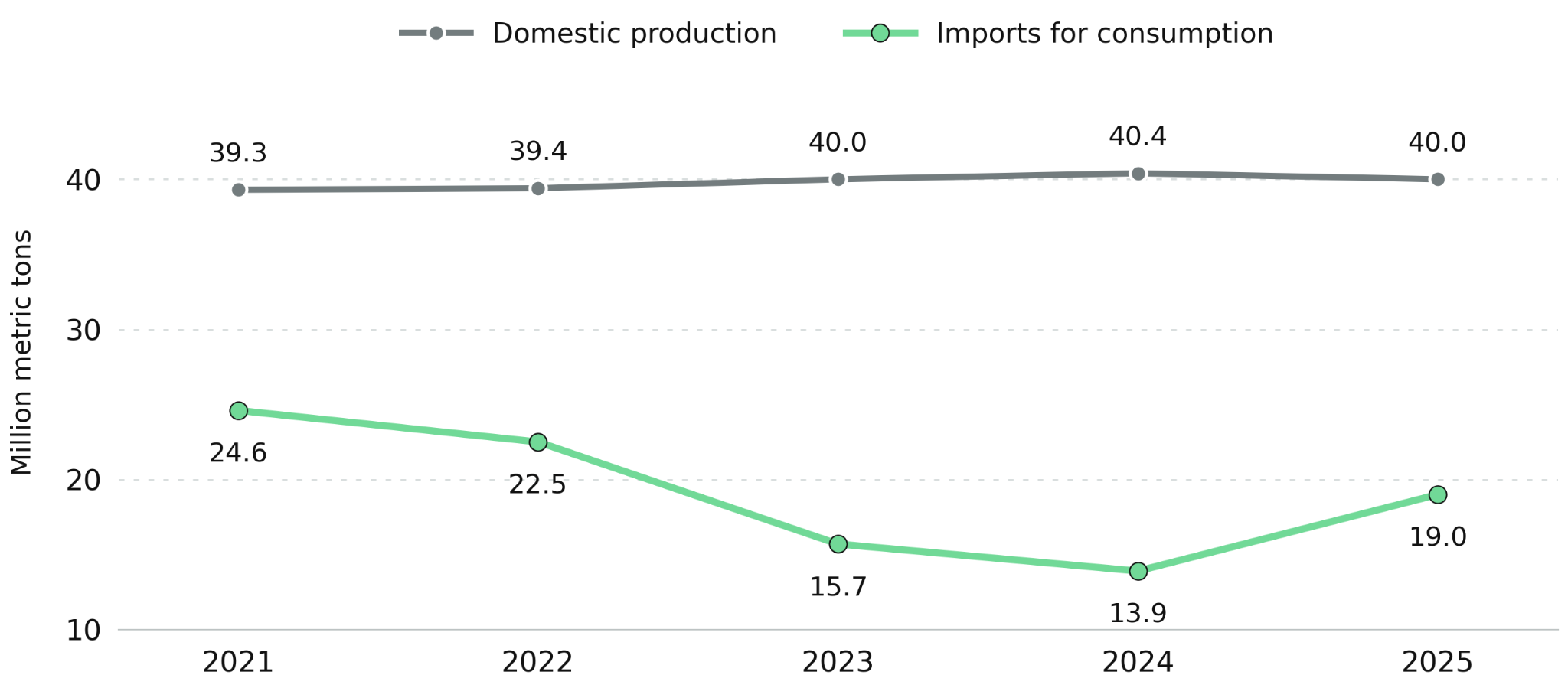
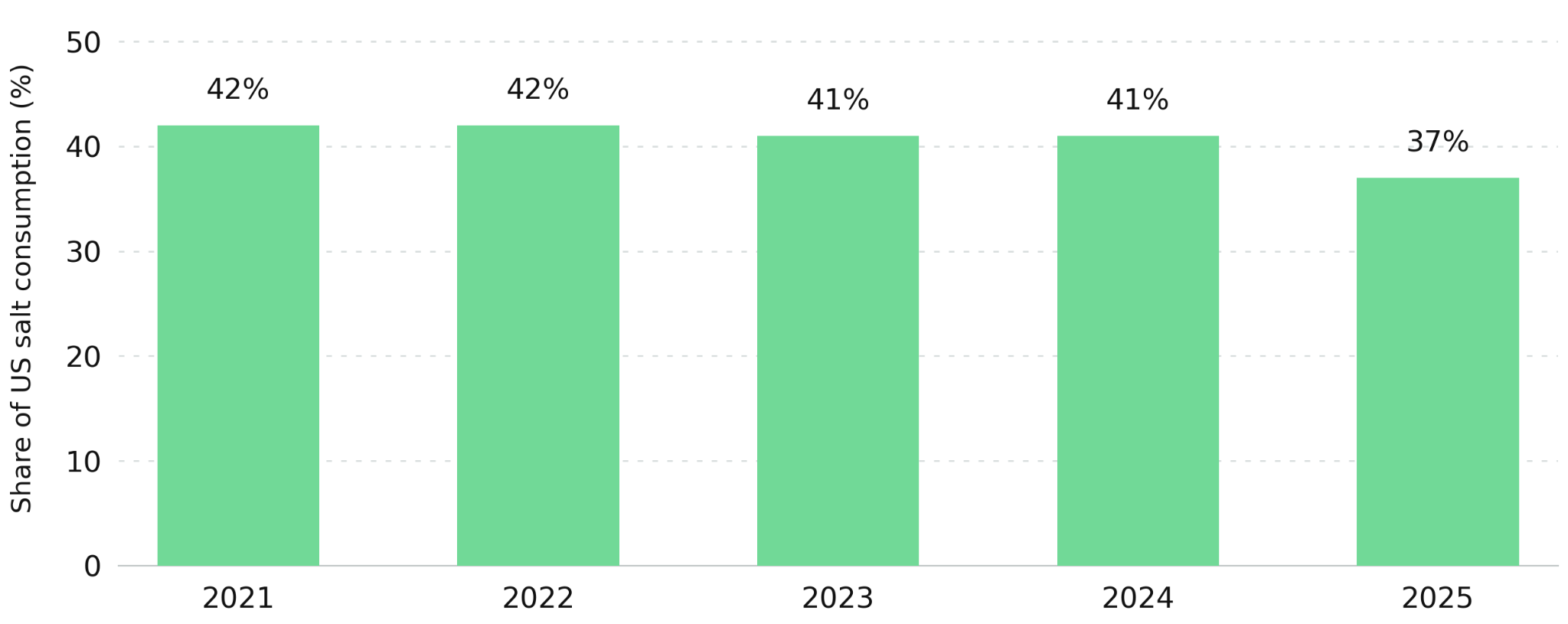
USGS estimates US salt production at 40 million metric tons in 2025, with seven states accounting for approximately 95% of output. Highway de-icing represented 37% of US salt consumption, making access to cost-efficient transportation routes a key factor in competing for road-maintenance customers beyond major producing regions.
The Iowa Department of Transportation purchases approximately 200,000 tons of rock salt annually for 113 delivery locations. Salt from Kansas reaches Iowa by rail and truck, while Louisiana supply travels by Mississippi River barge before final delivery by truck, allowing distant producers to compete for the state's road-salt demand.
Marine Terminals Expand Access to Major Markets
The Toronto Port Authority reported handling 751,353 metric tons of road salt in 2025, demonstrating the scale of marine deliveries into a major urban market. The port's rail and highway connections provide routes for moving bulk shipments to inland customers, expanding the commercial reach of salt suppliers.
In February 2025, Erie County, New York, secured an agreement for 1,000 tons of rock salt per day from Ontario through the Port of Buffalo, targeting 5,000 tons by the following week. The salt would be transferred to county highway facilities for potential distribution to surrounding municipalities, demonstrating how marine access and inland delivery networks can extend the reach of bulk salt supply.
Regional Price Gaps Favor Efficient Distribution
Massachusetts' 2026-27 road-salt procurement schedule lists delivery-inclusive contract ceilings of US$68.55 per ton in Area 5C, US$73.25 in Area 5D, and US$181.70 in Area 5E for the same supplier, making transportation costs an important factor in determining which markets can be served profitably.
Marine terminals, rail connections, and final-mile trucking allow salt producers to reach more customer markets at competitive producer netbacks, or sales revenue remaining after distribution costs, expanding opportunities for profitable sales.
Purchasing Commitments Favor Reliable Salt Distribution
The New York State Office of General Services' April 2026 procurement bulletin requires most participating buyers to purchase at least 60% of their stated road-salt requirements, while suppliers must guarantee deliveries up to 130% of those quantities. Pennsylvania's 2025-26 contract similarly requires minimum purchases of 60% and supplier delivery coverage up to 140%, making reliable transportation capacity essential for fulfilling contracted sales volumes and generating revenue.
For pre-production salt projects, securing government contracts with minimum-purchase commitments can provide more predictable sales volumes than regional demand estimates, strengthening future cash-flow forecasts when planned distribution networks can fulfill delivery obligations.
Coastal Port Proximity Strengthens Future Market Access
Proximity to shipping infrastructure and access to potential inland distribution routes can improve future market reach. These advantages become particularly valuable when planned production can serve major customer markets without relying on lengthy transportation routes.
Atlas Salt, advancing Newfoundland's Great Atlantic Salt Project, is targeting annual production of 4 million tonnes and plans a conveyor to Turf Point Deep Water Port, about 2 kilometers away. The company estimates shipping times of under 3 days to Boston, compared with more than 14 days from Egypt or Chile. A non-binding agreement with Canadian National Railway to explore rail distribution could expand access to inland customers.
Nolan Peterson, Chief Executive Officer of Atlas Salt, explains how its model evaluates supply and demand:
“We have modeled the entire North American market, including every selling jurisdiction, county, city, and municipality, to determine how much salt they buy and how it can reach them from mines and suppliers around the world that could realistically serve them.”
Efficient Transport Routes Expand Sales Potential
Seven states accounted for approximately 95% of US salt production in 2025, while Iowa's rail and barge supply routes and Toronto's marine shipments demonstrate how concentrated production reaches geographically dispersed customers. These examples distinguish the amount of salt a mine can produce from the volume it can competitively sell across regional markets.
For development-stage projects, connections to ports, rail networks, and inland delivery points can expand the markets available to planned production without increasing mineral reserves. Their financial value depends on whether these connections generate sufficient sales at competitive delivery costs to support future cash flow and justify infrastructure investment.
The Investment Thesis for Salt
- Concentrated salt production increases the commercial importance of transportation networks that connect major producing regions with geographically dispersed road-maintenance customers.
- Marine and inland distribution networks allow salt producers to compete for contracts beyond nearby markets, expanding potential sales from existing mineral reserves.
- Developers with nearby port access and direct conveyor connections can reduce material handling costs, improving the economics of transporting large production volumes.
- Government contracts with minimum-purchase commitments provide more predictable sales volumes for salt suppliers with the distribution capacity to fulfill delivery obligations.
- Salt projects combining competitive mining costs with financeable transport infrastructure and sufficient customer demand can convert mineral reserves into profitable sales and future cash flow.
Salt mining economics extend beyond mineral reserves and production costs, with transportation networks determining which customer markets a project can serve competitively. Efficient port connections, marine shipping, and inland distribution can expand potential sales while supporting profitable delivery costs. The long-term investment opportunity lies in projects capable of turning competitive production costs and wider market access into dependable sales volumes and sustained cash flow, making distribution capabilities an important driver of future mine value.
TL;DR
The US produced approximately 40 million metric tons of salt in 2025, with seven states accounting for 95% of output. This concentration makes transportation networks important for reaching customers beyond producing regions. Iowa's rail and barge routes and Toronto's marine terminals demonstrate how distant suppliers access inland markets. Government purchasing commitments further reward reliable delivery capacity by supporting predictable sales volumes. Atlas Salt's planned Great Atlantic project illustrates how proximity to deepwater port infrastructure and potential rail connections could expand market reach. For pre-production projects, competitive mining costs combined with efficient distribution can turn mineral reserves into profitable sales and future cash flow.
FAQs (AI-Generated)
Analyst's Notes





Subscribe to Our Channel






Stay Informed


