




Madsen's Restart Validates a New Class of High-Grade Canadian Gold Producers & Reframes Junior Valuations


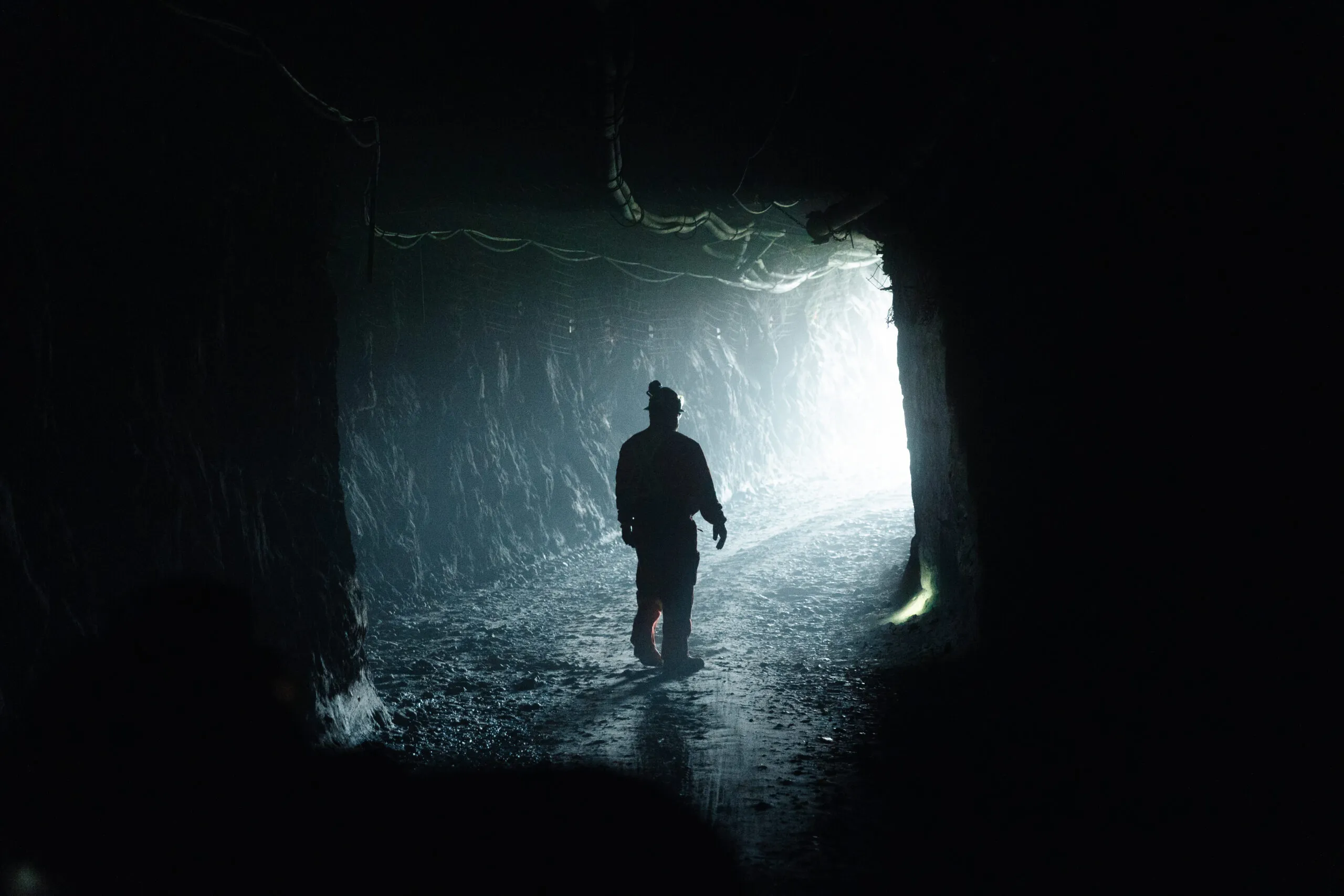
West Red Lake Gold declared commercial production at Madsen mine January 2026, achieving free cash flow with 20,000 oz poured and US$73M revenue in FY 2025.
- West Red Lake Gold declared commercial production at Madsen on January 12, 2026, marking the transition from developer to producer status after pouring 20,000 ounces and generating US$73 million in gold sales revenue during fiscal year 2025.
- The operation has achieved free cash flow and self-funding status, with breakeven production of 2,000 to 2,500 ounces monthly providing substantial margin cushion at current gold prices compared to the previous operator's 4,000 ounce breakeven threshold.
- Reconciliation between the January 2025 resource model and mined stopes has validated geological confidence, while the dual recovery circuit achieves approximately 95% gold recovery on high-grade feed without metallurgical penalties.
- Near-term catalysts include shaft hoisting commissioning in Q1 2026, throughput ramp to 800 tonnes per day targeted for Q2 2026, and full FY 2026 guidance including AISC metrics expected mid-Q1 2026.
- Management is targeting long-term production of approximately 50,000 ounces annually, with exploration of higher-grade zones within the deposit offering potential margin enhancement rather than requiring survival capital.
Why High-Grade Canadian Gold Is Back in Institutional Focus
The structural repricing of gold equities over the past twelve months reflects a fundamental shift in how institutional capital evaluates mining assets. With gold prices sustaining elevated levels, the investment calculus has migrated from resource optionality toward deliverable margins and operational certainty. This recalibration favors assets that can demonstrate near-term cash generation over those requiring extended development timelines or greenfield permitting cycles.
Capital Is Rotating From Optionality to Reliability
Market tolerance for multi-year build risk, cost overruns, and permitting exposure has declined materially as institutional mandates increasingly prioritize capital efficiency. The premium once afforded to large-scale development projects has compressed, while operating assets with proven execution records command expanding multiples. Canada, and specifically the Red Lake district, represents a jurisdiction where execution speed and regulatory certainty compress risk premiums relative to emerging market alternatives.
Grade as a Margin Defense Mechanism
In a cost-inflationary environment characterized by elevated labor, energy, and consumable expenses, head grade emerges as the primary determinant of margin resilience. Higher g/t Au translates directly into lower unit costs, as fixed operating expenses are distributed across greater contained ounces per tonne processed. High-grade deposits also carry structural advantages including smaller mining footprints, reduced permitting complexity, and faster payback periods that drive internal rate of return sensitivity.
Shane Williams, President and Chief Executive Officer of West Red Lake Gold, frames the margin advantage that elevated gold prices provide:
"The previous operator had an average gold production rate of 4,000 ounces to break even. We have the luxury of the gold price being doubled at that stage. 2,000 to 2,500 ounces a month is paying all the bills at Madsen."
Madsen as a Case Study in Execution-Led Mine Restarts
The Madsen mine represents more than a restart narrative. Following formal commercial production declaration on January 12, 2026, the asset's trajectory under West Red Lake Gold illustrates how disciplined capital allocation, operational standardization, and geological understanding can transform a historically inconsistent operation into a predictable production platform.
From Development Asset to Operating System
West Red Lake Gold has repositioned Madsen as a re-engineered operating system built on repeatable underground cycles. The conceptual framework emphasizes process consistency over opportunistic extraction. Each production sequence - muck, haul, drill, blast - follows standardized protocols designed to deliver predictable outcomes across successive mining cycles.
This systematic approach contrasts with historical Red Lake operations that often prioritized grade chasing over sustainable production rhythms. By treating the mine as an integrated system, management has established production profiles that external analysts can model with greater confidence.
Operational Continuity & Risk Compression
Production continuity represents the operational foundation upon which valuation re-ratings are built. West Red Lake Gold has implemented 24/7 production rhythms with standardized shift transition protocols designed to minimize disruption. In December 2025, the mill processed 21,389 tonnes. Management is targeting 800 tonnes per day by Q2 2026, with long-term production outlook of approximately 50,000 ounces annually.
Shane Williams emphasizes the production momentum achieved through fiscal year 2025:
"We have been monetizing all year. We've poured 20,000 ounces this year and generated around US$73 million in gold sales revenue. We are actually in free cash flow. We are producing. We are a producer as of today."
He continues on the self-funding trajectory:
"We're self-sufficient now. We're generating cash every month. That cash will be built up over the rest of this year. We don't expect any need for cash now, it's self-generating."
Technology, Safety & ESG as Production Enablers
Modern mining operations increasingly recognize that safety systems and ESG compliance function as throughput enablers rather than regulatory burdens. At Madsen, the integration of remote mining technologies and safety-first protocols directly supports production consistency while simultaneously satisfying institutional eligibility requirements.
Remote Mining as a Risk Mitigation Tool
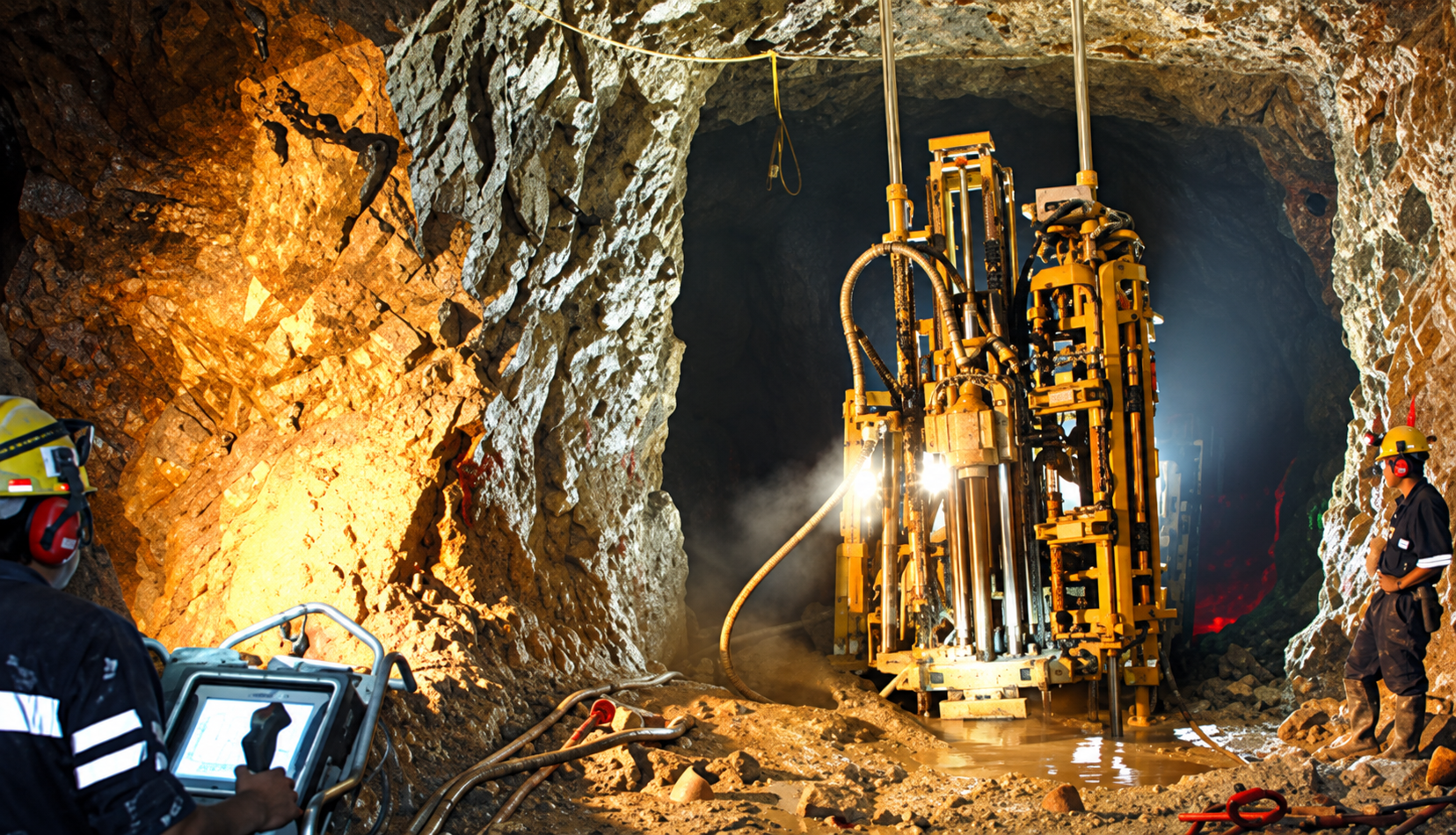
Remote mucking and remote blasting capabilities serve multiple operational functions. By removing personnel from active stope areas during high-risk activities, these technologies reduce downtime associated with workplace incidents while improving stope recovery rates. The elimination of re-entry delays following blast events accelerates production cycles, and labor continuity improves as workforce attrition related to safety concerns declines.
ESG Execution & Investor Perception
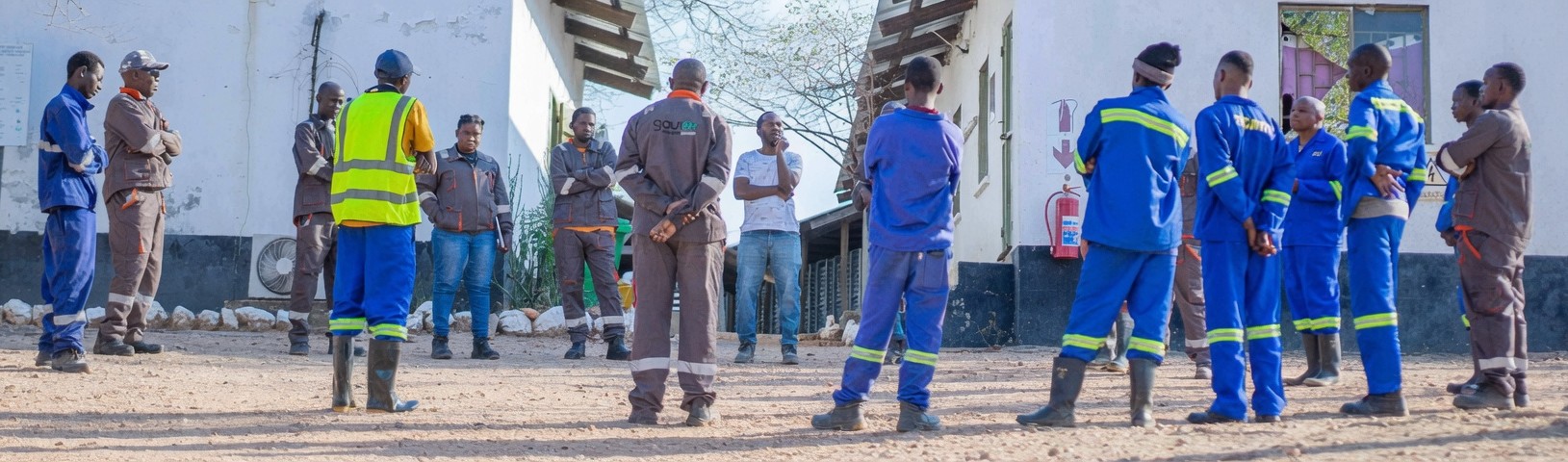
Institutional capital allocation increasingly incorporates ESG criteria that extend beyond environmental metrics to encompass workforce protection and community relations. Safety performance and local stakeholder engagement directly influence discount rates applied in net asset value models. Operations demonstrating consistent ESG execution qualify for institutional mandates that exclude assets with elevated social license risk.
Grade, Metallurgy & Recovery Characteristics
Geological and metallurgical characteristics determine whether high head grades translate into recovered ounces. At Madsen, favorable metallurgy complements elevated grades to deliver recovery rates that support the asset's margin profile.
High Grade Without Metallurgical Penalties
Madsen's processing circuit employs a dual recovery system combining gravity concentration with carbon adsorption, achieving approximately 95% recovery rates on high-grade feed material based on bulk sample processing results. This metallurgical response proves particularly significant when compared with refractory or sulphide-heavy systems that require additional processing steps or oxidation pre-treatment, inflating all-in sustaining costs.
Reconciliation as Proof of Geological Confidence
Grade reconciliation between resource models and mill feed represents a credibility signal that sophisticated investors scrutinize closely. West Red Lake Gold's January 2025 resource model update provides the baseline against which mining performance is measured.
Shane Williams addresses the reconciliation performance validated through 2025 mining operations:
"The team prepared an excellent presentation that showed all the stopes and areas we've mined today are spot on with the new updated resource model. That shows the value of all the drilling we've done. Reconciliation is something that's clear now."
He elaborates on the systematic approach:
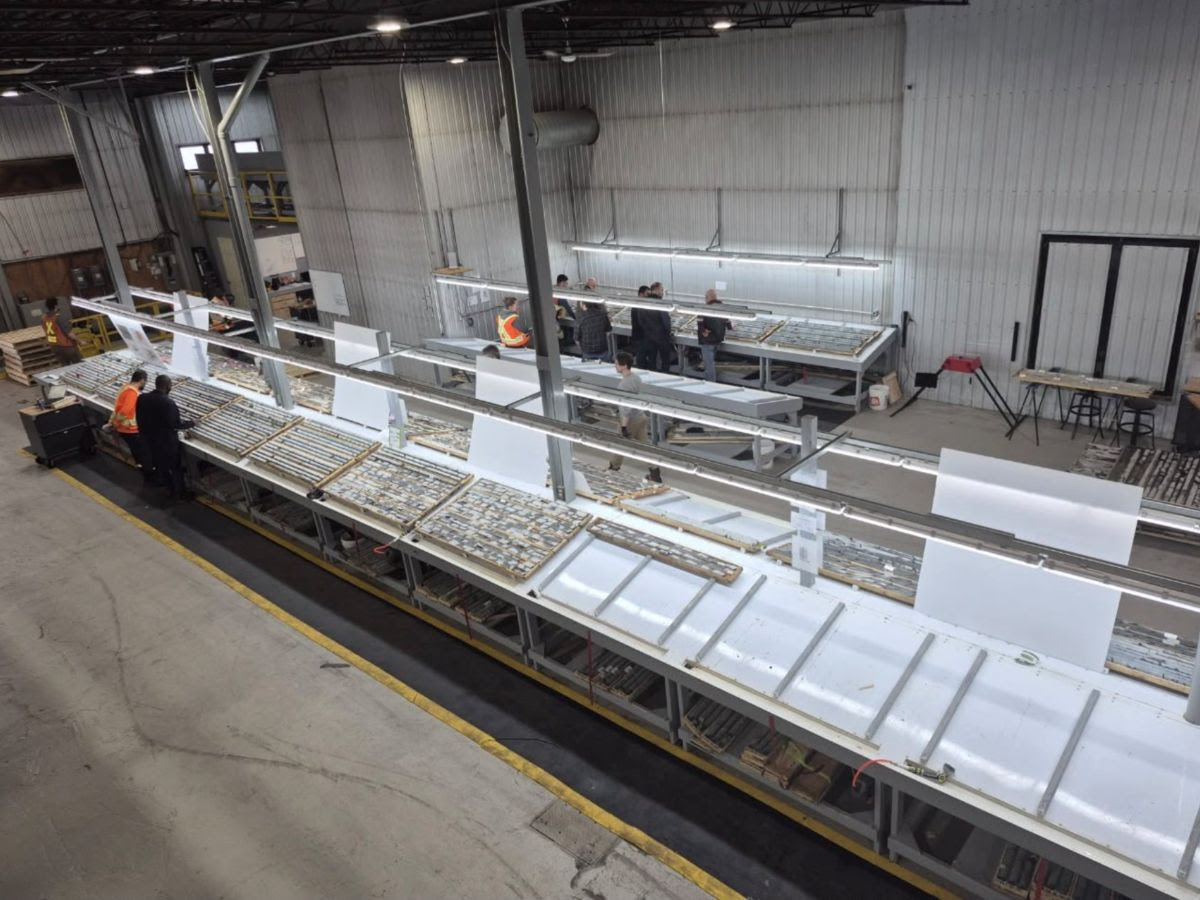
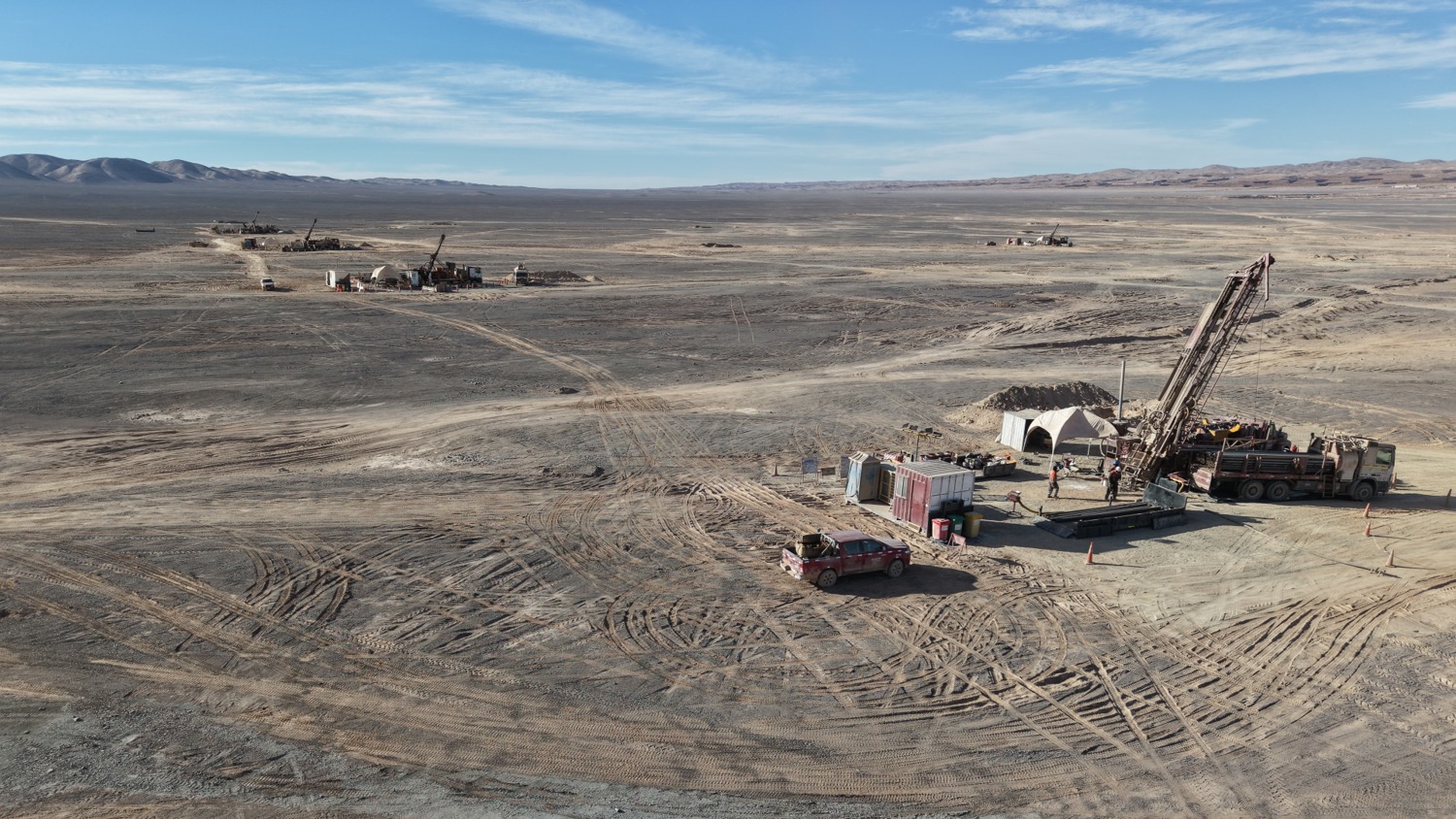
"There's a process that we follow. If we go underground, we drill to that tight spacing, that six to seven meters, we take our time well ahead of mining and development, we translate that through, and do the design into the mining."
Cost Structure, Infrastructure Leverage & Margin Dynamics
Sustainable margin expansion requires structural cost improvements rather than temporary optimization gains. At Madsen, the transition to more efficient mining methods and leverage of existing infrastructure create cost advantages designed to persist across gold price cycles.
Structural Cost Improvements
The shift toward longhole stoping represents a fundamental change in mining methodology that reduces per-tonne extraction costs. Compared with more selective but labor-intensive methods, longhole stoping achieves higher productivity rates while maintaining grade control through disciplined stope design. Shaft hoisting, targeted to commence in Q1 2026 with initial capacity of 350 tonnes per day, is expected to further improve unit economics by reducing the fuel consumption and maintenance requirements associated with truck haulage over extended underground distances.
Infrastructure Leverage in Brownfield Assets
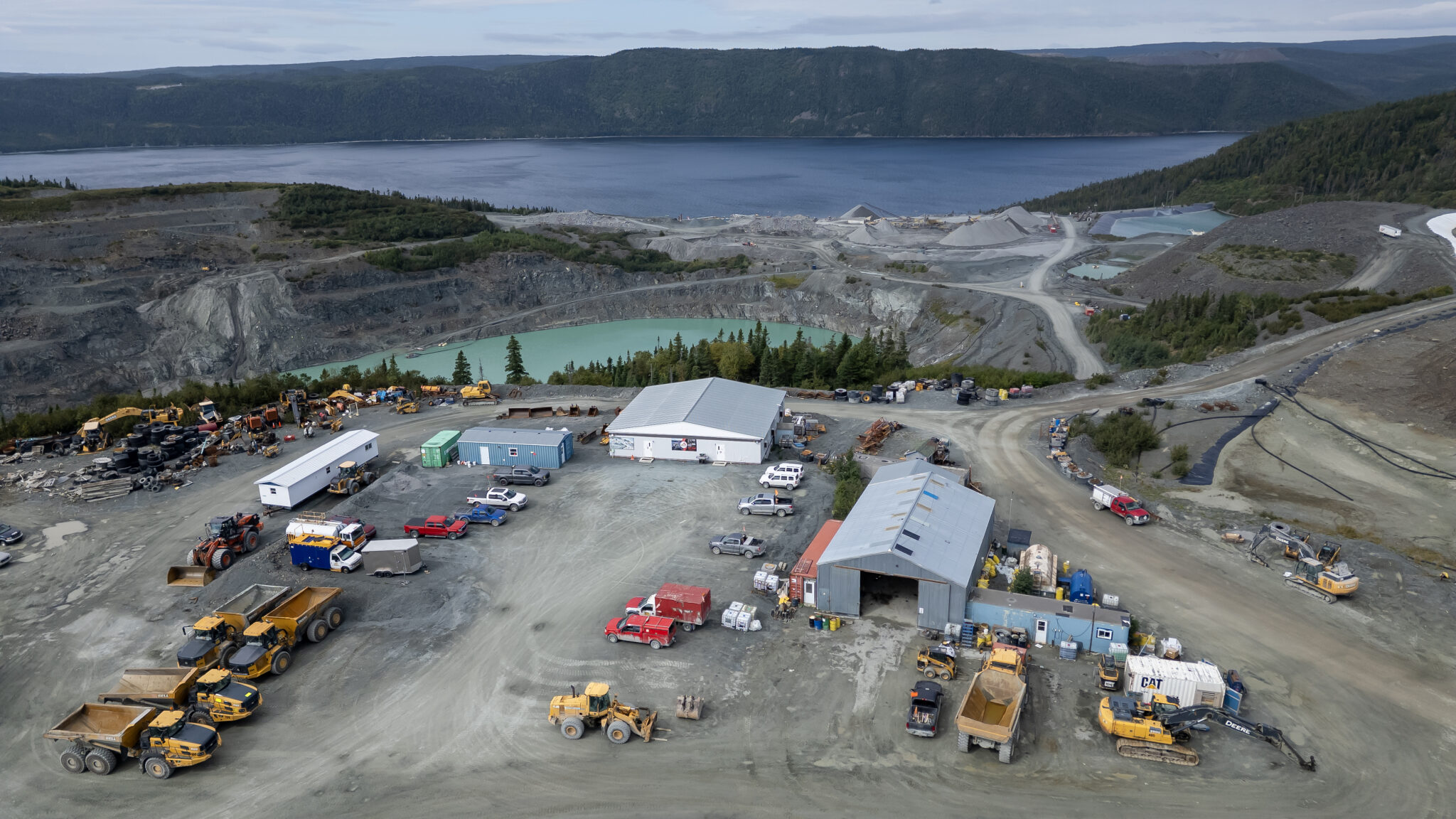
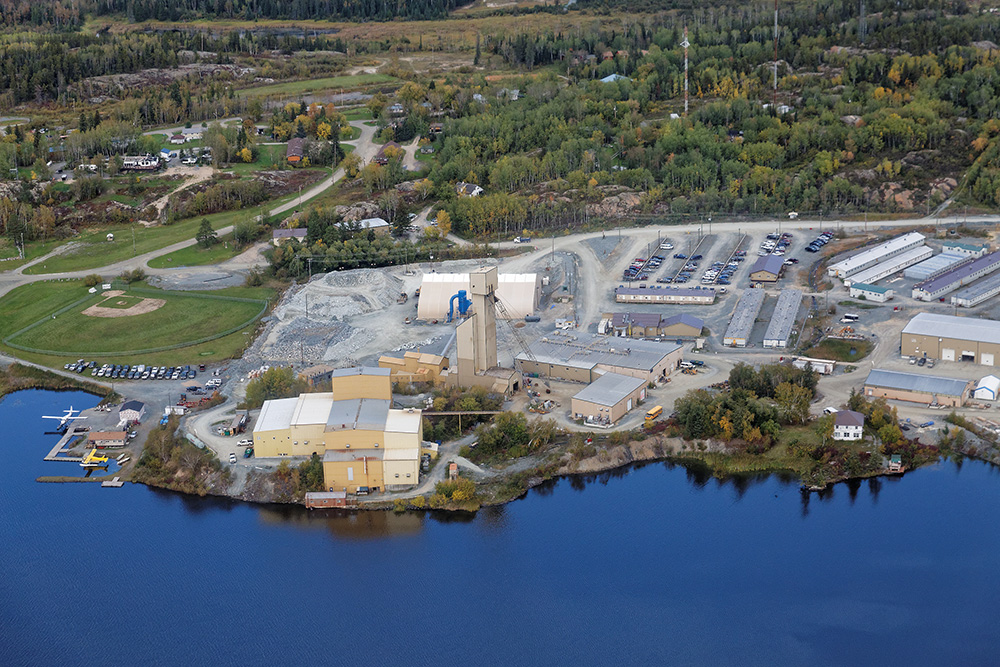
Madsen benefits from substantial sunk capital in processing infrastructure, tailings facilities, and underground access. This brownfield configuration allows faster production ramp-ups than greenfield alternatives while reducing sustaining capital requirements. The mill, tailings storage facility, and shaft infrastructure represent assets whose capital costs have already been absorbed, enhancing NPV sensitivity to gold price movements.
Valuation Considerations as Developers Transition to Producers
The market's approach to valuing gold equities creates distinct phases that influence investment timing and return profiles.
Markets historically apply substantial discounts to pre-production assets, reflecting execution risk, financing uncertainty, and timeline variability. Once operations achieve consistent cash flow generation, these discounts typically compress. With commercial production formally declared January 12, 2026, Madsen has crossed this threshold, potentially creating conditions for valuation adjustment as the market incorporates the reduced risk profile.
Exploration as Margin Enhancement
Shane Williams notes the exploration upside that may extend Madsen's production profile and improve grade:
"We did one stope out of this Triple 47 area and we got nine grams going through the mill, it does open the potential of getting higher grade in Q1 2026… We're now beginning to discover within these deposits and we've got into one, and we're just about to get into another one from our drilling perspective."
Near-Term Catalysts & Execution Milestones
The commercial production declaration carries implications beyond operational semantics as index eligibility requirements, institutional mandate compliance, and analyst coverage initiation often depend on this classification. Full FY 2026 guidance, including AISC metrics, is expected in mid-Q1 2026.
Throughput & Infrastructure Milestones
Near-term operational catalysts include the ramp to 800 tonnes per day targeted for Q2 2026 and commissioning of shaft hoisting in Q1 2026, both of which support the pathway toward the 50,000 ounce annual production target.
The Investment Thesis for West Red Lake Gold
- Execution over optionality reduces discount rates faster than incremental resource additions because demonstrated cash generation directly addresses the primary risk factor institutional models apply to junior equities.
- High-grade systems provide margin resilience in volatile cost environments by distributing fixed expenses across greater contained ounces per tonne processed.
- Brownfield infrastructure leverage compresses development timelines and reduces sustaining capital requirements relative to greenfield alternatives requiring full facility construction.
- Tier-1 jurisdictional stability commands premium valuations as institutions reprice political and regulatory risk following supply disruptions in less stable regions.
- Valuation gaps between developers and producers compress rapidly once cash flow generation is established, creating asymmetric return profiles during transition periods.
Madsen's transition to commercial production on January 12, 2026 demonstrates how high-grade Canadian gold assets can move from development uncertainty to production credibility within compressed timelines. West Red Lake Gold illustrates that operational discipline, geological understanding, and margin protection may warrant greater analytical weight than resource scale alone. As capital continues rotating toward reliability, assets demonstrating consistent execution provide reference points for portfolio construction in the current gold cycle.
TL;DR
West Red Lake Gold formally declared commercial production at its Madsen mine on January 12, 2026, marking a successful transition from developer to producer. The high-grade Canadian gold operation generated US$73 million in revenue from 20,000 ounces poured during fiscal 2025, achieving free cash flow and self-funding status. Breakeven production of 2,000-2,500 ounces monthly provides substantial margin cushion at current gold prices. Near-term catalysts include shaft hoisting commissioning in Q1 2026, throughput ramp to 800 tonnes per day by Q2 2026, and full-year guidance including AISC metrics. Management is targeting long-term annual production of approximately 50,000 ounces.
FAQs (AI-Generated)
West Red Lake Gold formally declared commercial production at the Madsen mine on January 1, 2026, following a successful ramp-up period during which the operation poured 20,000 ounces and generated US$73 million in gold sales revenue in fiscal year 2025.
The operation achieves breakeven at 2,000 to 2,500 ounces monthly, significantly lower than the previous operator's 4,000 ounce threshold, providing substantial margin cushion at current elevated gold prices.
The dual recovery system combining gravity concentration with carbon adsorption achieves approximately 95% gold recovery on high-grade feed material, without the metallurgical penalties associated with refractory or sulphide-heavy systems.
Key catalysts include shaft hoisting commissioning in Q1 2026 with initial capacity of 350 tonnes per day, throughput ramp to 800 tonnes per day targeted for Q2 2026, and full FY 2026 guidance including AISC metrics expected mid-Q1 2026.
Management is targeting long-term annual production of approximately 50,000 ounces, with exploration of higher-grade zones within the deposit offering potential margin enhancement opportunities.
Analyst's Notes





Subscribe to Our Channel


Stay Informed






















