




Marimaca Copper Narrows Development Risk with CAD$409M Global Offering



Marimaca advances to FID readiness with CAD$409M funding, DFS validation, RCA permit, and Pampa Medina upside, narrowing risk to financing, costs, and execution.
- Marimaca has progressed to a definitive feasibility study (DFS)-backed, environmentally permitted copper project, substantially reducing technical and permitting risk.
- CAD$136.5 million treasury funding supports detailed engineering, early site works, and a 30,000-metre Pampa Medina drilling programme, with pro forma cash before transaction costs of CAD$227 million extending the pre-construction runway.
- Pampa Medina offers scale optionality, potentially increasing copper cathode output from 50,000 tonne per annum to 70,000-75,000 tonne per annum, representing DFS-excluded upside.
- The secondary offering by existing shareholders provides liquidity, reduces dilution, and strengthens institutional participation, with Greenstone Group ownership dropping from 18.58% to 6.44%.
- Remaining risks are concentrated in construction financing, execution, cost inflation, and sectorial permitting timelines, typical for projects approaching final investment decision (FID) in established jurisdictions.
From Geological Uncertainty to Development Gating Factors
In copper development, value is created through the sequential reduction of risk rather than solely through resource growth. Late-stage developers are assessed on definitive feasibility study (DFS) validation of capital and operating costs, environmental permitting certainty, funding visibility for pre-construction phases, and engineering maturity sufficient to support a final investment decision (FID). Each milestone reduces the discount rate applied to net present value (NPV) and improves access to project finance on commercial terms.
Marimaca Copper has reached this transition point following completion of the 2025 Marimaca Oxide Deposit DFS, receipt of its environmental resolution approval (RCA), and the closing of the Canadian component of a CAD$409 million Global Offering, with the Australian secondary offering pending close, moving the asset from the study phase into detailed engineering and early works.
Historically, the project carried technical uncertainty around the deposit model, grade continuity, and metallurgy, alongside binary permitting risk tied to the Chilean RCA process and staged funding requirements that exposed shareholders to dilution and market timing. The shift from a volcanic-hosted interpretation to a sediment-hosted manto model at Pampa Medina, supported by consistent drill intersections, materially improves geological confidence. RCA approval removes the primary regulatory gate and moves the project into procedural sectorial permitting.
The treasury component of the Global Offering funds engineering and early works, while the secondary component, conducted by existing shareholders including the Greenstone Group, provides liquidity without using company capital and reduces Greenstone’s ownership from 18.58% to 6.44%. As a result, risk is now concentrated in construction financing, cost control, and build execution, a narrower and more defined category for investors assessing risk-adjusted returns.
DFS Validation & Engineering Progression
The 2025 Marimaca Oxide Deposit DFS establishes a pre-production capital cost of just under US$600 million and applies a conservative copper price of US$4.30 per pound, providing a sensitivity buffer for NPV and IRR assessments relative to forward price scenarios. Competitive operating cost parameters place the project within the expected range for heap-leach solvent extraction-electrowinning (SX-EW) copper operations in Chile, while the DFS reduces uncertainty across metallurgical recovery, reagent and energy consumption, tailings management, and infrastructure requirements. Ongoing pre-construction engineering workstreams are intended to increase cost estimate accuracy ahead of FID, with local Chilean supply chain benchmarking enabling validation of equipment and input costs against operating mines, thereby lowering variance between study assumptions and execution outcomes.
Exploration Upside & Permitting Progress: Scale Optionality with Regulatory Certainty
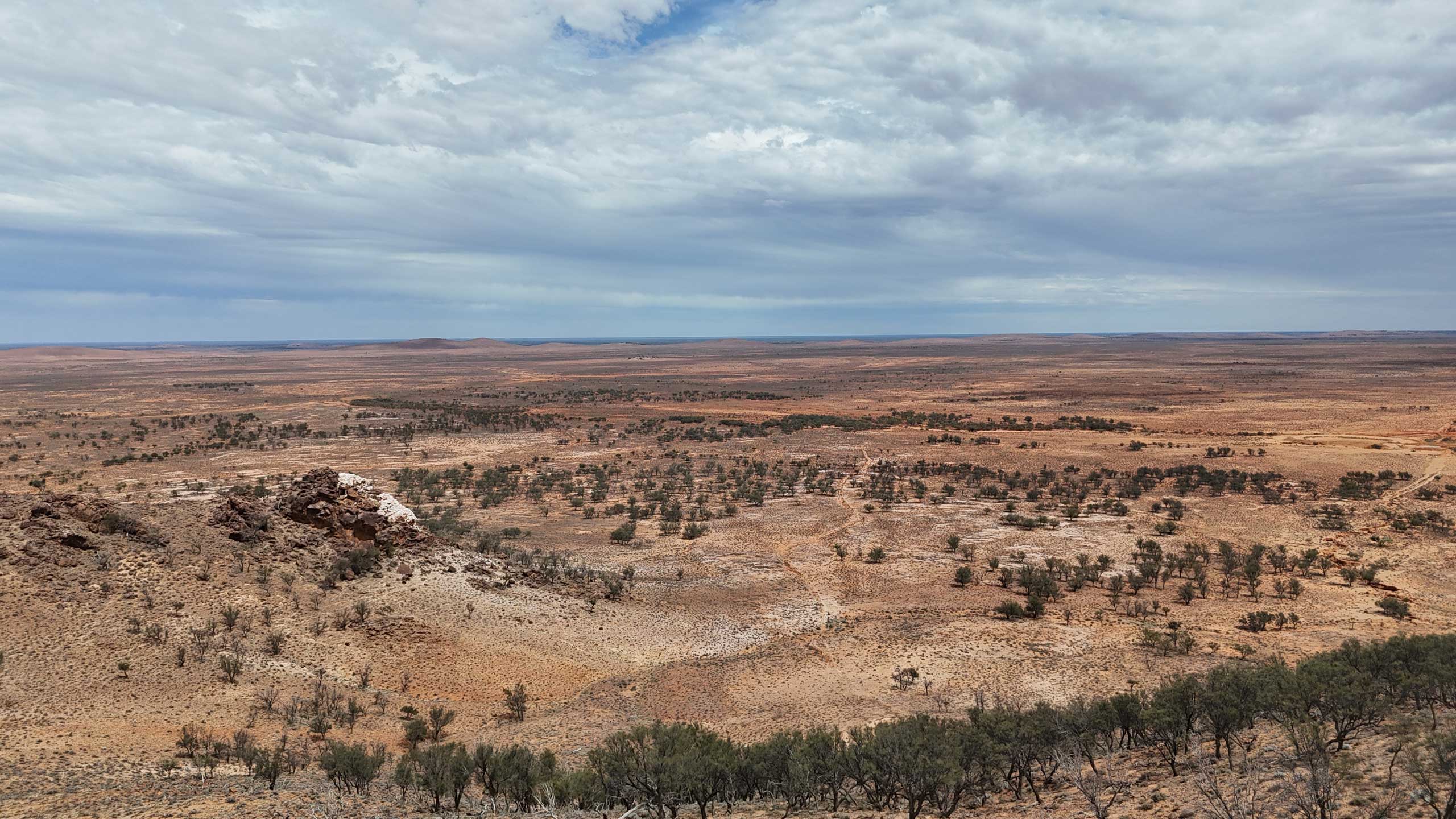
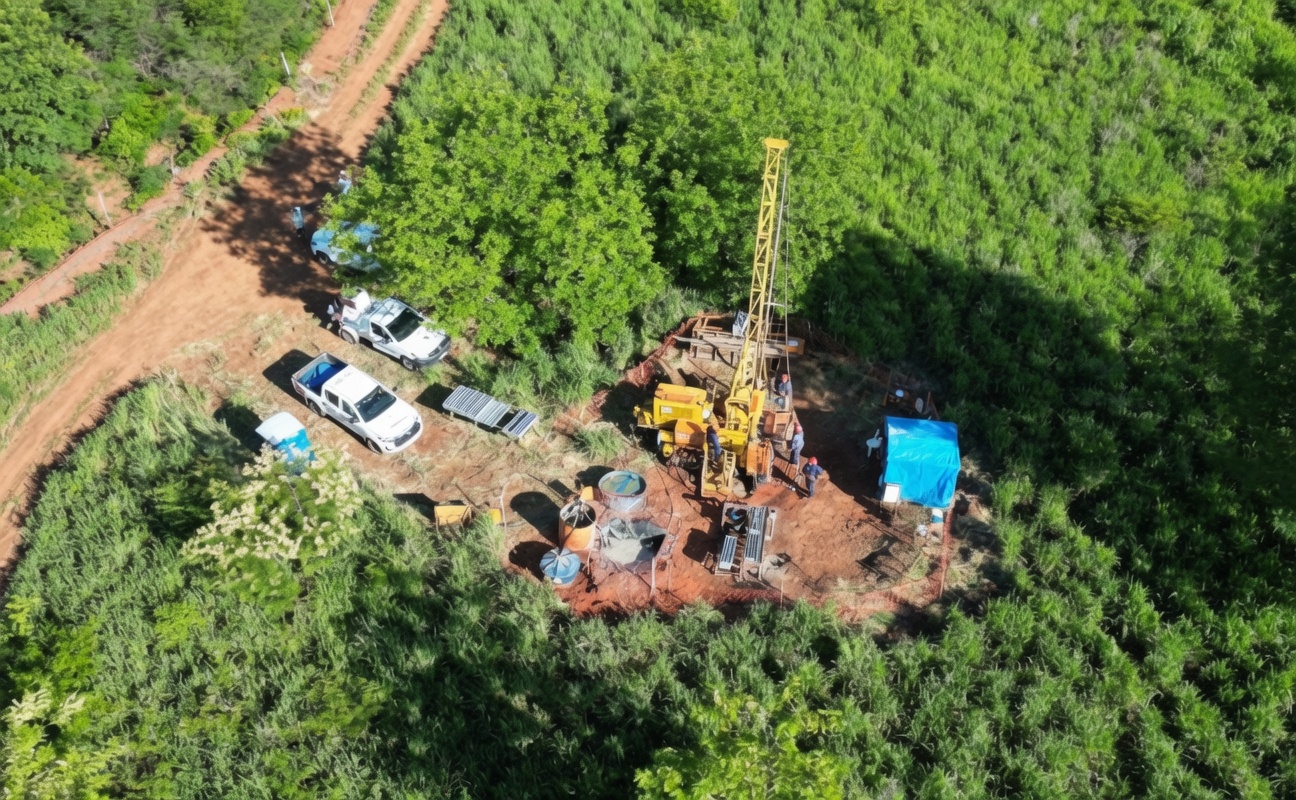
The Pampa Medina discovery introduces a sediment-hosted system across approximately 3km by 1.5km, with an initial intercept of 25 metres at 5% copper within 100 metres at 1.3% copper and consistent mineralisation across more than 20 drill holes, supporting continuity and scalability. If advanced beyond exploration, this could increase copper cathode output from the Marimaca Oxide Deposit base case of 50,000 tonnes per annum to between 70,000 and 75,000 tonnes per annum and potentially reach a tier-one scale of multiple million tonnes of contained copper. This upside is not included in the DFS economics and is being advanced through a 30,000 metre drilling programme funded by the treasury to improve geological confidence rather than alter the construction case.
President and Chief Executive Officer of Marimaca Copper, Hayden Locke, stated:
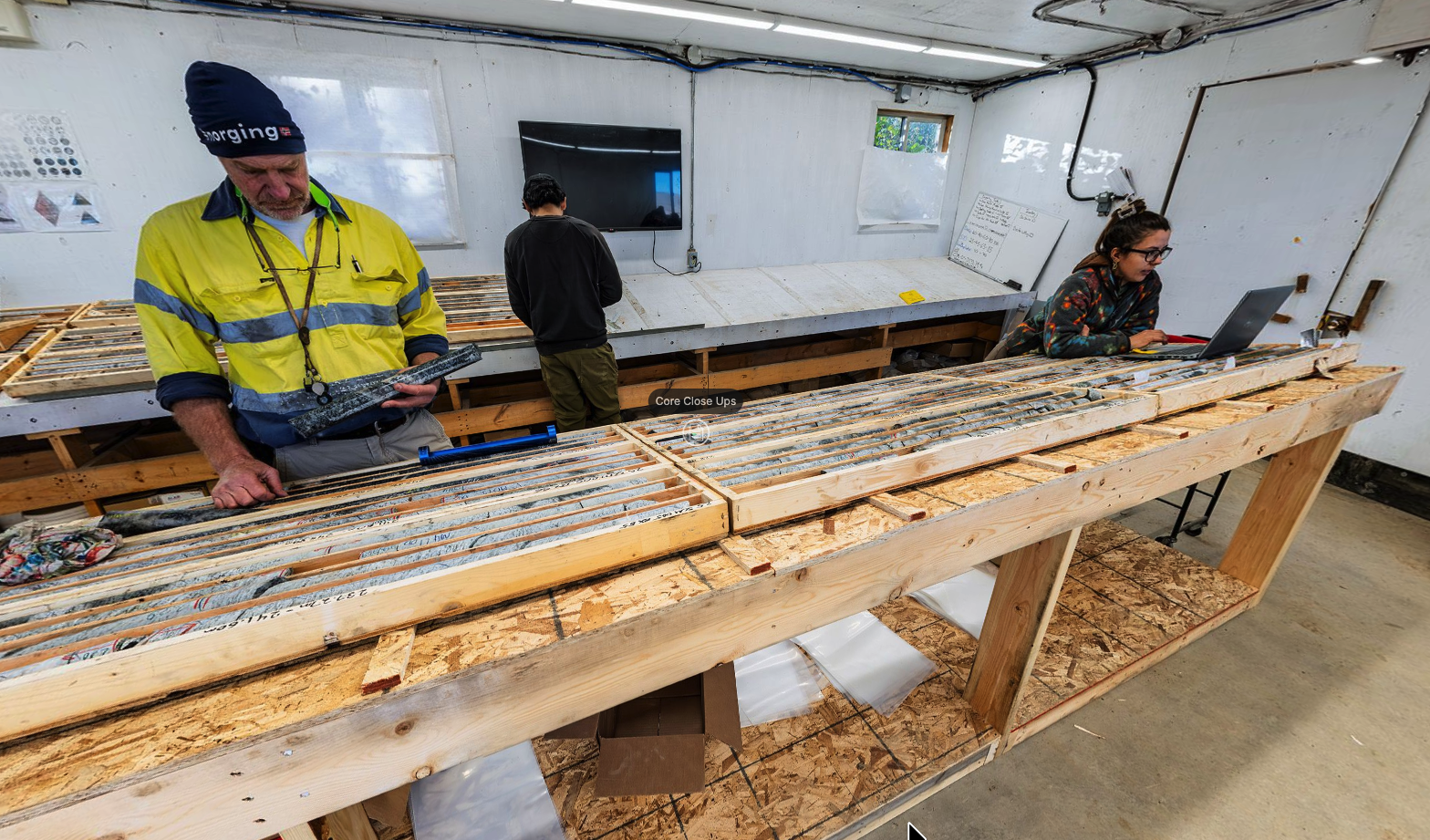
“We think it has the potential to be a tier-one copper discovery, by that I mean multiple million tons of contained copper. Every single drill hole has been mineralized over 20-plus drill holes, which is a pretty amazing hit ratio when it comes to exploration.”
Receipt of the RCA removes the primary binary regulatory risk and moves the project into sectorial permitting covering water, land, and infrastructure, where timing rather than approval is the key dependency, supporting a targeted construction readiness timeline toward the end of 2026. Chile’s established mining regulatory framework is well understood by lenders and institutional investors, reducing jurisdictional risk and improving the credibility of project finance timelines.
Locke noted:
“We're now permitted. We've got our environmental approval, which is a huge milestone. It positions us to start construction sometime during the course of 2026.”
Financial De-Risking: Funding Runway & Institutional Validation
The CAD$409 million Global Offering comprises a CAD$136.5 million treasury tranche and a CAD$272.5 million secondary component. Following the close of the Canadian Offering, with the Australian secondary offering expected to close in the coming days, the company's pro forma cash before transaction costs stands at CAD$227 million, providing a substantive funding runway through the pre-construction engineering phase. The secondary offering, covering 25,699,087 Common Shares in the Canadian component and additional CHESS Depositary Interests (CDIs) in Australia, provides shareholder liquidity without using company funds, limits dilution, and supports a more institutional register, with selling shareholders subject to a 90-day lock-up that reduces near-term overhang risk.
Execution Risk Management: Engineering Discipline & Build Strategy
Management is addressing first-time builder risk by increasing engineering definition before FID, accepting a longer pre-construction timeline to improve cost certainty and reduce change-order exposure during construction. The approach prioritises operability over theoretical capital optimisation to avoid over-engineered complexity that could affect commissioning and ramp-up performance. Locke stated:
“We've got to find the balance between what is operable. Maybe we can sacrifice some capital costs and some perfection in engineering in order to have the most operable project.”
Early site works funded through the treasury raise will test logistics, contractor availability, and site conditions before committing full construction capital, and a culture that encourages early escalation of cost, schedule, and technical issues is intended to protect capital structure integrity and align execution with DFS assumptions.
Risks Substantially Reduced & Remaining Risk Concentration
Technical viability has been validated through the DFS, environmental permitting secured via RCA, and pre-construction funding established through the treasury component of the Global Offering. Cost assumptions are anchored to Chilean operating conditions using local procurement benchmarking, and institutional syndicate participation provides third-party validation of project financeability, collectively narrowing the discount rate applied to NPV and placing the asset in a lower risk band than study-stage or permitting-stage peers. Remaining risks are concentrated in construction financing structure, including the mix of debt, equity, or alternative instruments and sensitivity to copper market conditions and lender appetite, ongoing cost inflation partially mitigated by engineering maturity and local sourcing, sectorial permitting timelines, and execution factors such as contractor management, logistics, and commissioning, which are typical for projects approaching FID and broadly comparable to late-stage developers in established mining jurisdictions.
The Investment Thesis for Marimaca Copper
- Late-stage, permitted assets attract institutional and project finance capital due to materially lower technical and regulatory risk relative to exploration or pre-feasibility stage peers, and Marimaca’s definitive feasibility study completion and environmental resolution approval place it within this category.
- Definitive feasibility study-validated capital costs below US$600 million and a conservative US$4.30 per pound base case copper price support bankability assessments and provide a downside buffer against commodity price sensitivity in financing models.
- The CAD$136.5 million treasury funding, within a CAD$409 million Global Offering and supported by pro forma cash before transaction costs of CAD$227 million, enables management to advance detailed engineering and early site works while optimising construction financing timing and structure.
- The secondary component of the Global Offering, executed by existing shareholders including the Greenstone Group and reducing its ownership from 18.58% to 6.44%, provides liquidity without using company capital, limits dilution, and supports a more institutional register, with a 90-day lock-up reducing near-term overhang risk.
- The Pampa Medina exploration programme introduces scale optionality that could increase cathode output to 70,000 to 75,000 tonnes per annum without altering the existing base-case development economics, representing upside not included in the definitive feasibility study.
- Chilean jurisdictional certainty, established mining regulation, and a deep local supply chain improve lender confidence, reduce permitting timeline variability, and enable accurate cost benchmarking, while institutional syndicate participation provides third-party validation of project financeability.
TL;DR
Marimaca Copper has transitioned to a late-stage, DFS-backed and environmentally permitted copper developer, with CAD$227 million in pro forma cash following a CAD$409 million Global Offering. The treasury tranche funds detailed engineering, early site works, and a 30,000-metre Pampa Medina drilling programme, while the secondary offering provides shareholder liquidity and strengthens institutional participation. The Pampa Medina discovery adds scale optionality, potentially lifting copper cathode output from 50,000 to 70,000–75,000 tonnes per annum. Remaining risks are now focused on construction financing, execution, cost inflation, and sectorial permitting, typical for projects approaching FID in a mature Chilean jurisdiction.
FAQs (AI-generated)
It funds detailed engineering, early site works, and drilling, providing a pre-construction runway that allows the company to optimise construction financing timing rather than raising capital under pressure.
Technical and permitting risks have been substantially reduced through definitive feasibility study validation and environmental approval, concentrating remaining risks in financing structure, cost control, and execution.
The treasury tranche provides project funding, while the secondary offering delivers shareholder liquidity, reduces dilution, strengthens institutional ownership, and includes a 90-day lock-up to limit near-term overhang.
It adds scale optionality that could increase copper cathode output from 50,000 to 70,000-75,000 tonnes per annum, but this upside is not included in the DFS economics and does not change the current construction case.
Key risks include construction financing mix, exposure to copper price and cost inflation, sectorial permitting timelines, and execution factors such as contractor management and commissioning, which are typical for late-stage developers.
Analyst's Notes





Subscribe to Our Channel





Stay Informed


