




Restart Economics: Why Mothballed Mines Are Back in Play as Copper Prices Rewrite Project Viability


Copper, gold, and silver prices have surged since 2023, bringing mothballed mines back into focus. Discover how brownfield restarts, cleaned-up capital structures, and Indigenous equity partnerships are reshaping copper development.
- Copper, gold, and silver prices rose significantly between January 2023 and May 2026, changing the economics of care-and-maintenance copper projects.
- Brownfield mine restarts offer significant infrastructure advantages over greenfield development, but assets passed through bankruptcy carry operational, permitting, and financial complications that must be worked through
- The bankruptcy process can eliminate legacy financial encumbrances such as streaming and offtake agreements, returning assets to the market in a cleaner economic condition
- Indigenous equity ownership is emerging as a structural feature of some mine restarts, moving beyond consultation frameworks toward direct participation in project ownership
- Permitting remains the most underestimated constraint in brownfield restarts, with regulatory timelines often determining whether a project can attract financing and reach construction
When metal prices rise sharply, they do not just improve the finances of mines that are already running. They can also bring back to life projects that were shut down and written off entirely. This is what is happening right now in the copper sector, where a sustained price rally is turning a group of mothballed assets into serious development opportunities - not because the geology has changed, but because the value of what is already in the ground has risen dramatically.
For mines that produce copper alongside gold and silver, these price moves have changed what a tonne of ore is worth, and the improved economics are bringing care-and-maintenance assets back into active consideration.
The harder question is what it actually takes to bring a shut-down mine back into production. Higher prices improve the numbers on paper, but the practical challenges of restarting a mine that went through bankruptcy - degraded equipment, accumulated water underground, complicated permit histories, and leftover financial obligations from previous owners - are significant. How companies navigate those challenges is becoming one of the defining questions in copper development today.
The Brownfield Advantage, Revisited
When developers talk about brownfield projects, they mean sites where a mine has already operated. The appeal is straightforward: the infrastructure is already there, the geology is already understood, and permitting has already been started. Compared to opening a completely new mine from scratch, a restart should in theory be faster and cheaper.
The reality is more complicated. Mines that have passed through care and maintenance and then into receivership carry problems that eat into that advantage. Buildings and equipment deteriorate, water builds up in underground workings, and financial agreements - like streaming deals that give a counterparty the right to buy gold or silver production at a fixed low price - can make a project far less attractive even when metal prices are high. What the bankruptcy process can do, however, is wipe those financial obligations away, returning an asset to the market in a fundamentally cleaner economic condition than it carried under previous ownership.
Infrastructure Value & the Restart Case
Building a new mine is expensive, and the financing environment for large mining projects has become more demanding in recent years. Against that backdrop, a site with existing infrastructure - a working mill, established roads, accommodation, power, and water treatment - offers something that is genuinely difficult and costly to replicate. The Minto copper-gold-silver mine in Yukon, Canada, currently being advanced by Selkirk Copper (TSX-V: SCMI | OTCQB: SKRKF | FRA: IO20), illustrates what that can look like in practice.
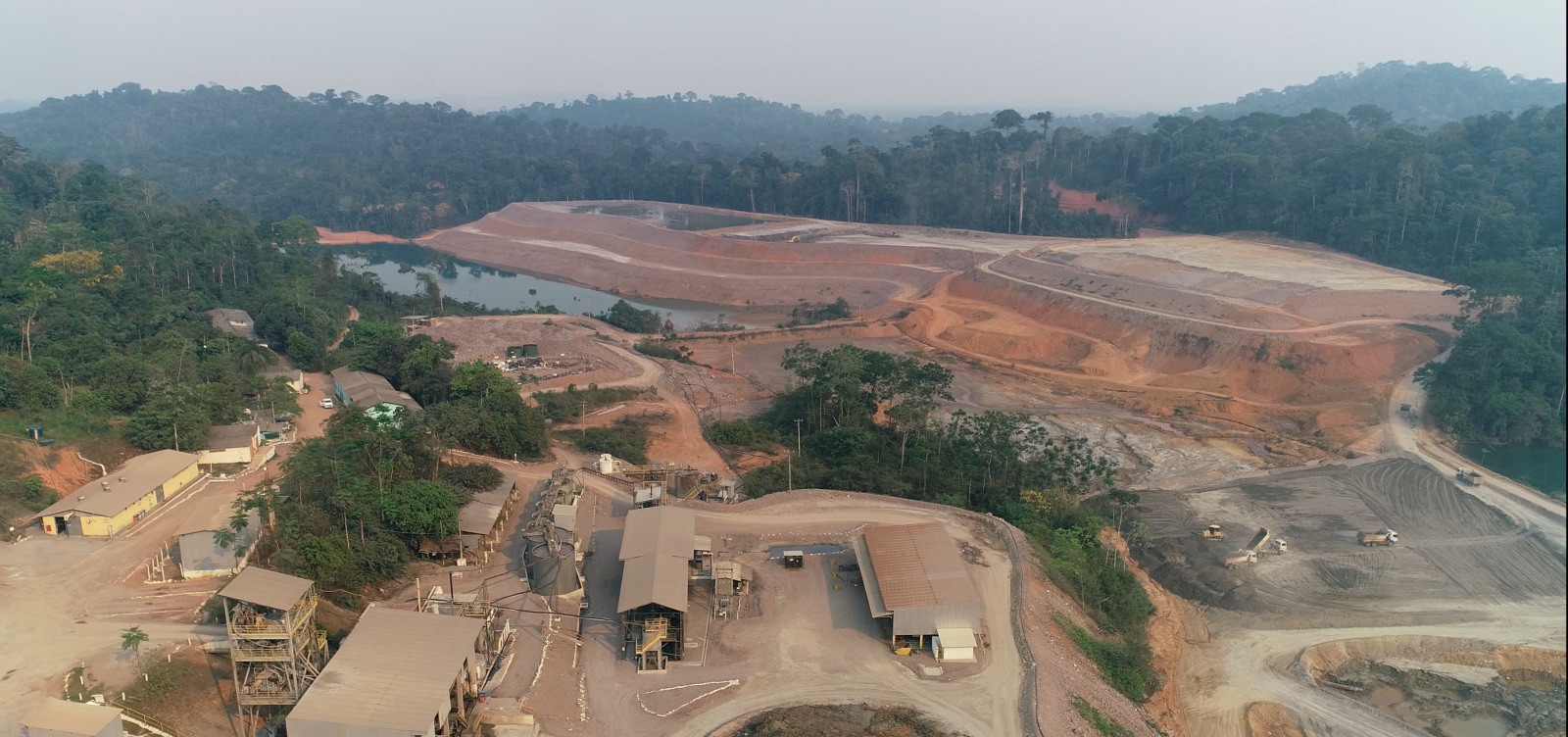
The site includes a mill designed to process 4,100 tonnes of ore per day, open pit and underground mine workings, a tailings storage facility, a 400-person camp, a water treatment plant, and year-round road and power line access - infrastructure valued at over C$300 million in replacement cost. Selkirk Copper has engaged Hatch Ltd. and SRK Consulting (Canada) Inc. to work through trade-off studies and a Preliminary Economic Assessment (PEA) targeted for completion by mid-2026, with a full Feasibility Study targeted for mid-2027. The goal is to confirm that a 12 to 15-year mine life is achievable at the existing mill's designed throughput - a threshold that matters because lenders generally require a minimum mine life before offering project financing on reasonable terms.
Bankruptcy as an Economic Reset
At Minto, the gold and silver stream previously held by Wheaton Precious Metals had paid that company more than US$250 million over the life of the mine. The bankruptcy process terminated that agreement entirely. The concentrate offtake arrangement previously held by Sumitomo was also removed, meaning that a restarted Minto mine would retain the full benefit of current copper, gold, and silver prices rather than sharing a substantial portion of precious metal revenue with a streaming counterparty. The only royalty that remains is a 1.5% net smelter return payable to Selkirk First Nation.
This type of financial reset is not unique to Minto. Across the global inventory of care-and-maintenance copper assets, projects that went through financial distress are now being assessed on the basis of what they are worth without the encumbrances carried in their previous lives. For developers willing to work through the operational and permitting challenges of a restart, identifying assets where that reset has already occurred has become a distinct opportunity in the current market.
Indigenous Equity & Social License
For many years, the conversation about Indigenous communities and mining focused on consultation. More recently, a different model has been gaining ground, in which Indigenous communities become direct equity owners in projects. The Minto restart offers a concrete example. Selkirk First Nation holds approximately 18% of Selkirk Copper Mines and has two nominated board seats. Critically, the Nation was the entity that acquired the Minto assets out of bankruptcy in the first place, structuring its own equity stake from the very beginning rather than negotiating participation rights after another party had already taken control.
Whether this model becomes more widely adopted will depend on whether it delivers results through the difficult phases of permitting and construction that still lie ahead. What it demonstrates is that structuring Indigenous equity ownership as a founding feature of the project, rather than an afterthought, is practically achievable and is being pursued by some developers as a deliberate strategy.
Permitting & the Path to Production
Restarting a mine that has been through bankruptcy is not simply a matter of turning equipment back on. At Minto, the Government of Yukon took over site management after the 2023 bankruptcy and has been carrying out closure work including removing water from the underground workings. Selkirk Copper needs to amend its Quartz Mining Licence and secure updated water and exploration licences, supported by a permitting team that includes a dedicated Director of Permitting and outside specialists covering Indigenous engagement, water and atmospheric assessment, and closure planning.
One factor that may assist the process is the broader political environment. The Yukon Party won a majority government in the November 2025 territorial election, taking 14 of 21 legislative seats on a platform that included support for the mining industry. A supportive government does not change the technical requirements of the permitting process, but it can influence how constructively regulators engage with applications. Selkirk Copper is targeting a restart indication to the Yukon Government and Selkirk First Nation in the fourth quarter of 2026, with potential first production from a restarted operation targeted for mid-2028.
Exploration Upside & the Resource Question
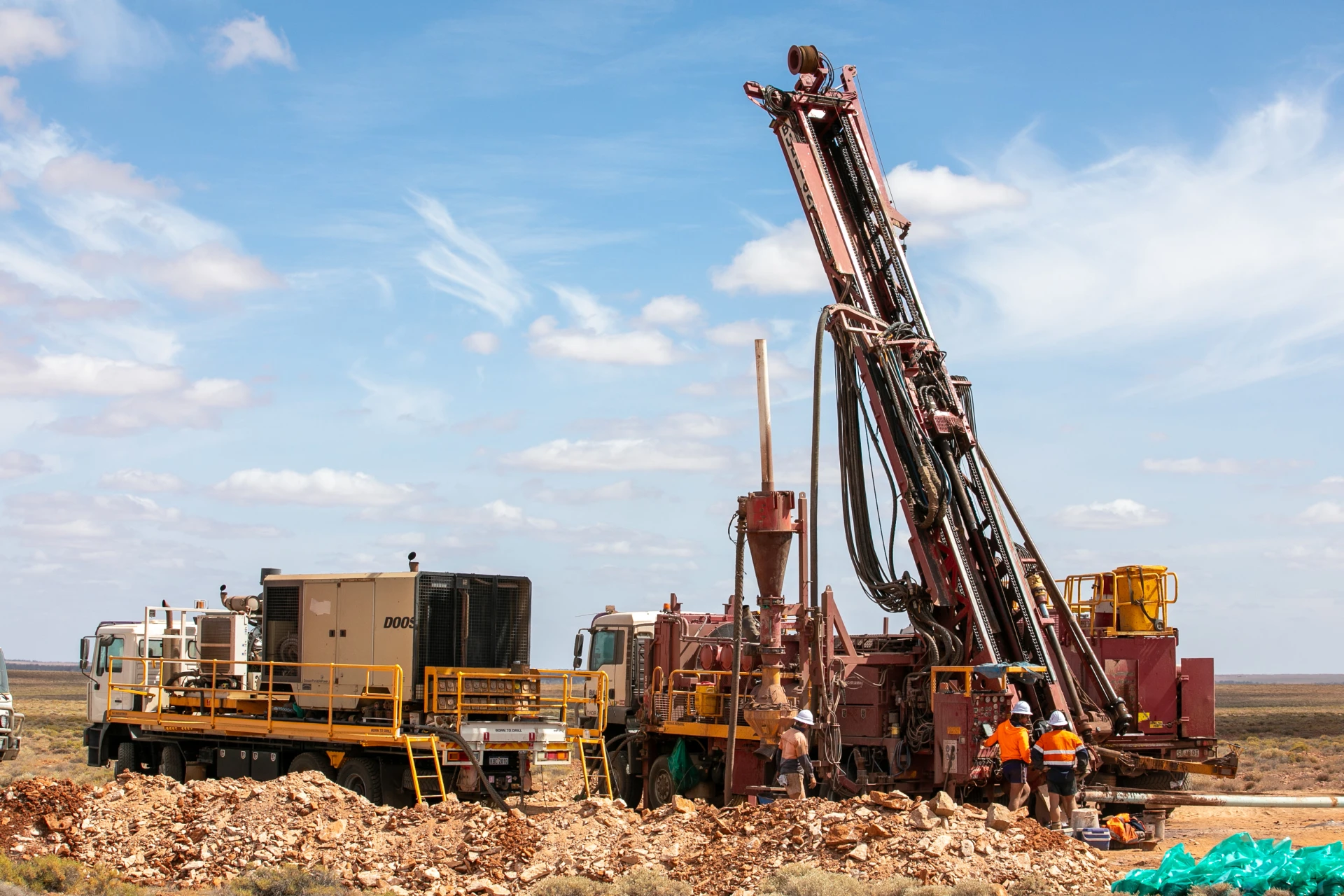
A final dimension of the brownfield restart calculation is the distinction between existing resources and the exploration upside that prior operators left undeveloped. At Minto, only approximately 3 kilometres of a 7-kilometre mineralised trend within the licensed mine area has been systematically explored. Phase 1 drilling, completed in early 2026, achieved a success rate across 175 drill holes, expanded the Minto North West Zone by approximately 90%, and discovered a new copper-gold-silver zone - the 117 Lens - beneath the Area 2 historical open pit, sitting within 200 metres of existing underground tunnels. A 50,000-metre Phase 2 infill program focused on data collection for the Feasibility Study commenced on May 1, 2026.
The current official metal inventory predates all Phase 1 discoveries, meaning it does not yet reflect the 117 Lens or the deeper zones confirmed at Minto East. An updated Mineral Resource Estimate (MRE) and PEA are both targeted for mid-2026, representing the first formal cost and return estimate for the restart under Selkirk's ownership. The broader industry implication is that brownfield assets acquired at distressed valuations sometimes carry exploration upside that was never captured under previous ownership - upside that becomes economically meaningful when metal prices are high.
What This Means for the Copper Sector
The restart economics story playing out at assets like Minto reflects a broader shift in how the copper development sector is thinking about value. Higher metal prices have not just improved the finances of operating mines - they have reopened a category of brownfield assets that were functionally stranded at lower price levels. The combination of cleaned-up capital structures, existing infrastructure, and unexplored ground is attracting developers willing to do the hard work of bringing those assets back into production.
The industry's challenge now is to determine which assets in the current care-and-maintenance inventory genuinely offer this profile - and which carry infrastructure and permitting liabilities that will consume whatever value higher metal prices appear to have created. The answer will shape the copper supply picture for the remainder of this decade.
FAQs (AI-Generated)
Analyst's Notes





Subscribe to Our Channel




Stay Informed


