




Mexico's 6.6M Silver Ounce Gain Links Mine Spending to Supply Growth


Mexico's 6.6 million-ounce silver gain shows how mine spending can lift output while new projects and drilling prepare future supply amid global deficits.
- The Silver Institute forecasts Mexico's silver mine output to rise by 6.6 million ounces (Moz) to 174 Moz in 2026, offsetting part of a projected 0.5% decline in global mine supply.
- Primary silver mines are forecast to produce 233 Moz in 2026, up 6.5 Moz, partially offsetting lower output from mines focused on other metals.
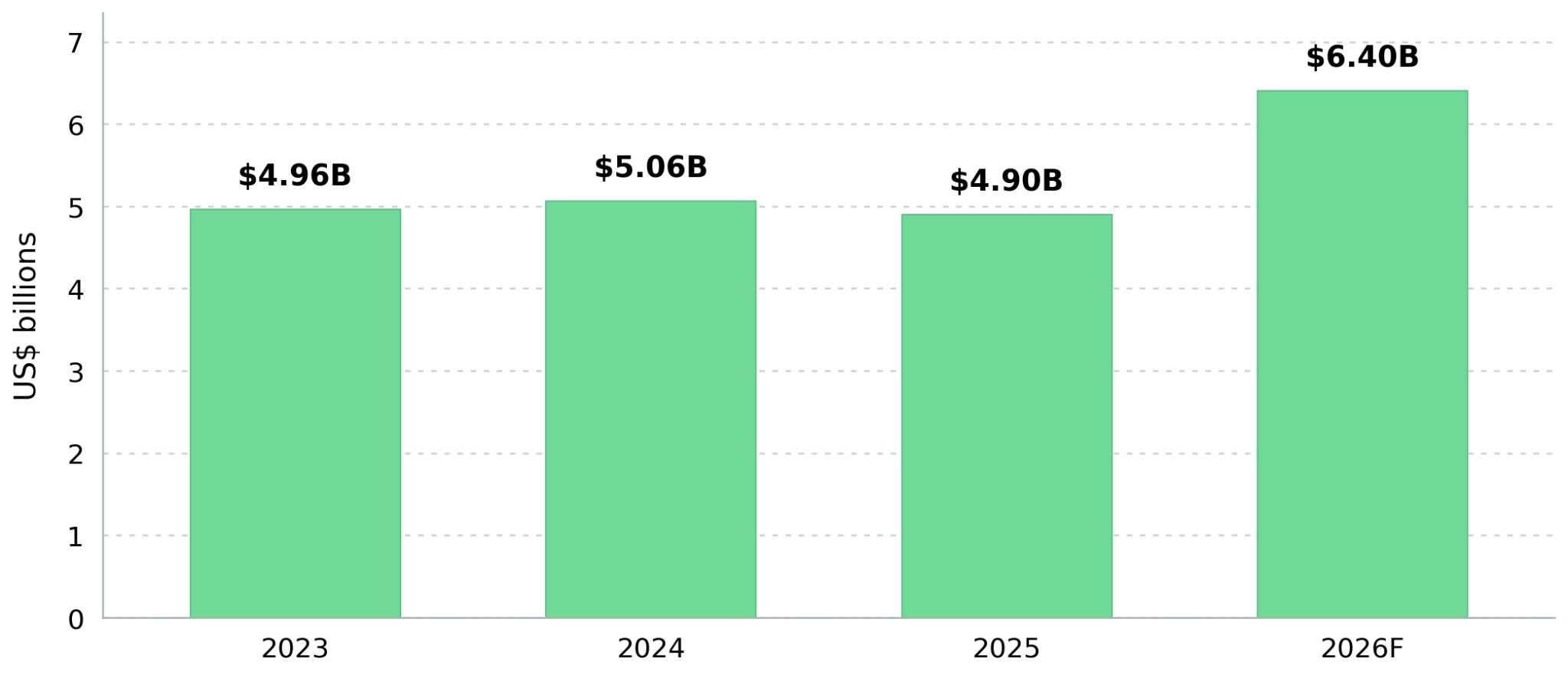
- The Mexican Mining Chamber (CAMIMEX) projects $6.402 billion in 2026 mining investment, 30.8% above the amount spent in 2025.
- CAMIMEX's projected budgets include $975.85 million for expansions, $630.35 million for exploration, and $485.13 million for new projects across multiple mining commodities.
- The Silver Institute forecasts a 35 Moz global silver deficit in 2026, making the conversion of mine spending into additional silver output an important supply consideration.
Higher Ore Grades Lift Mexico's Silver Output as Mine Budgets Rise
The Silver Institute's November 12, 2026 update forecasts a sixth consecutive annual silver market deficit in 2026, with demand reaching approximately 1.08 billion ounces and exceeding supply by 35 Moz. Global mine production is forecast to decline 0.5% to 834 Moz as lower output in Peru, China, and Argentina outweighs gains elsewhere.
Mexico's silver mine production is forecast to increase by 6.6 Moz, or approximately 4%, to 174 Moz in 2026. The projected increase reflects higher ore grades and silver recovery rates, a mine restart, and the first full year of commercial operations at another mine.
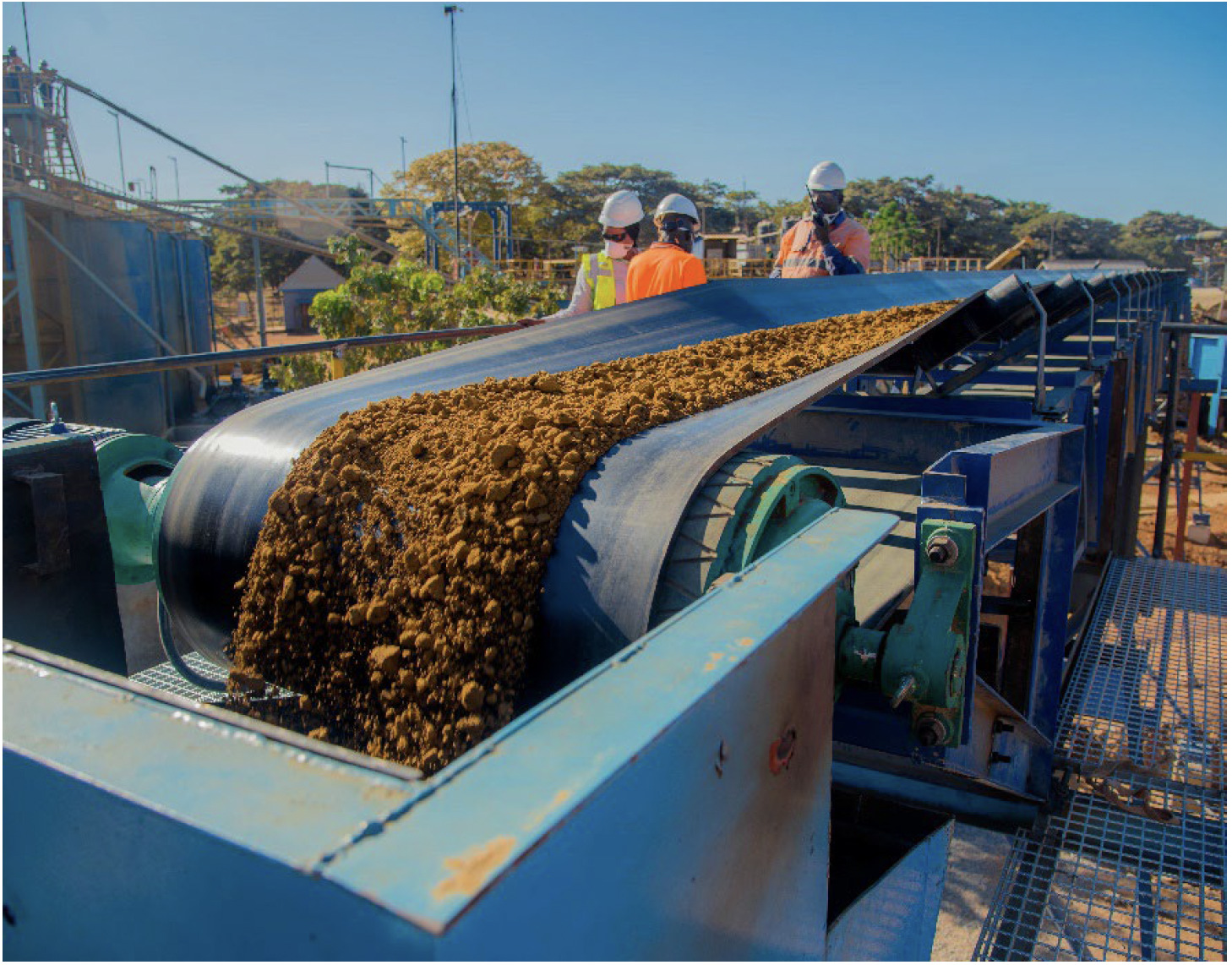
CAMIMEX's 2026 annual report projects $6.402 billion in mining investment for 2026, up 30.8% from the $4.896 billion spent in 2025 across silver, gold, copper, and other minerals. Planned expenditures include $1.113 billion for maintenance, $975.85 million for project expansions, and $834.75 million for equipment purchases. At silver operations, maintenance helps preserve existing output, while expansions and new equipment can increase the volume of silver-bearing ore mined and processed.
Non-Solar Industrial Silver Use Rises 4.5% Increasing Supply Needs
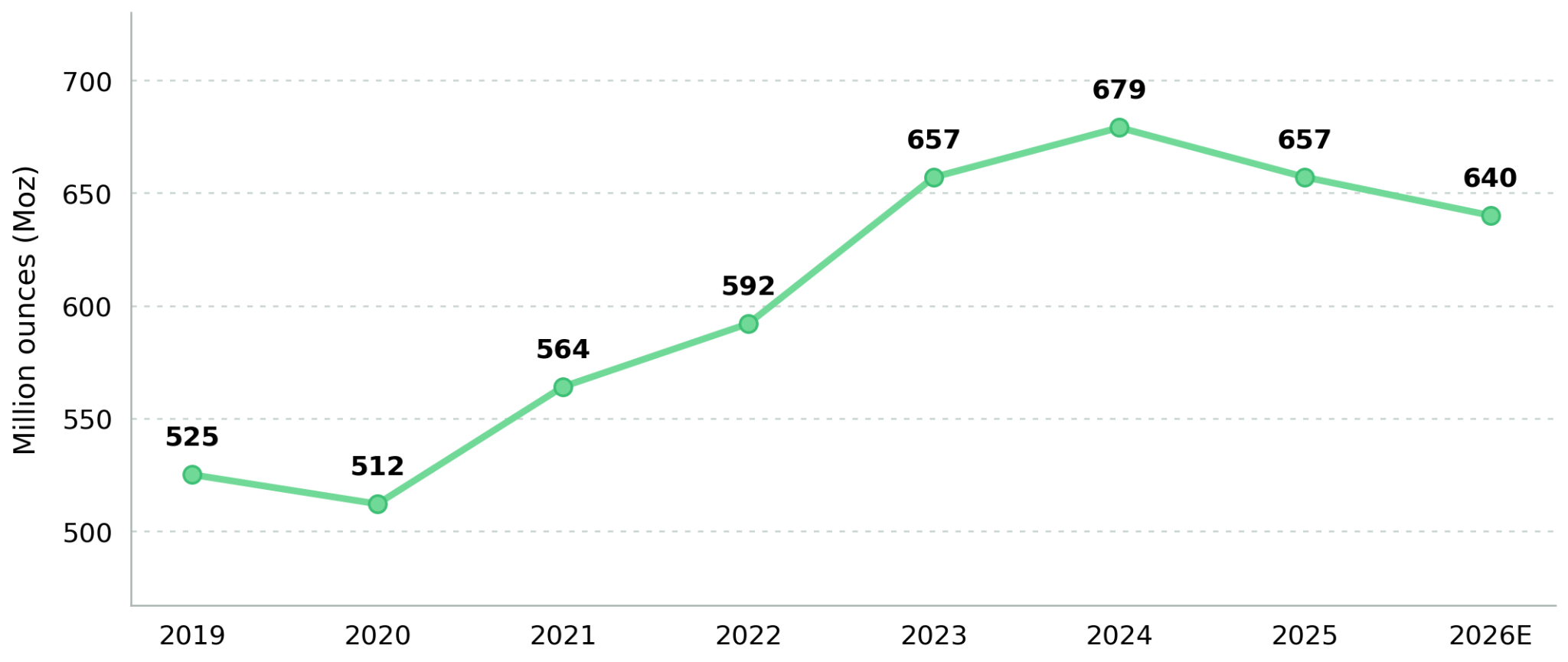
The Silver Institute forecasts industrial silver demand outside photovoltaic applications to rise 4.5% year over year to 492 Moz. This would account for approximately 77% of the 640 Moz projected for total industrial silver consumption. Total industrial demand would remain approximately 22% above its 2019 level, making 2026 the fourth-highest year in Metals Focus's historical series. Vehicle electrification and charging infrastructure use silver-bearing electrical components, while silver-containing brazing alloys and solders are used to join metal parts.
Global data center capacity is forecast to reach 130 gigawatts in 2026, approximately one-third above its 2024 level. Data centers use silver in switchgear and circuit-breaker contacts, selected solders, and power-conversion equipment. Expanding capacity requires additional electrical equipment, increasing demand for these silver-bearing components as new facilities are built.
Mine Reinvestment Targets More Silver Ounces Amid a Stronger Price Outlook
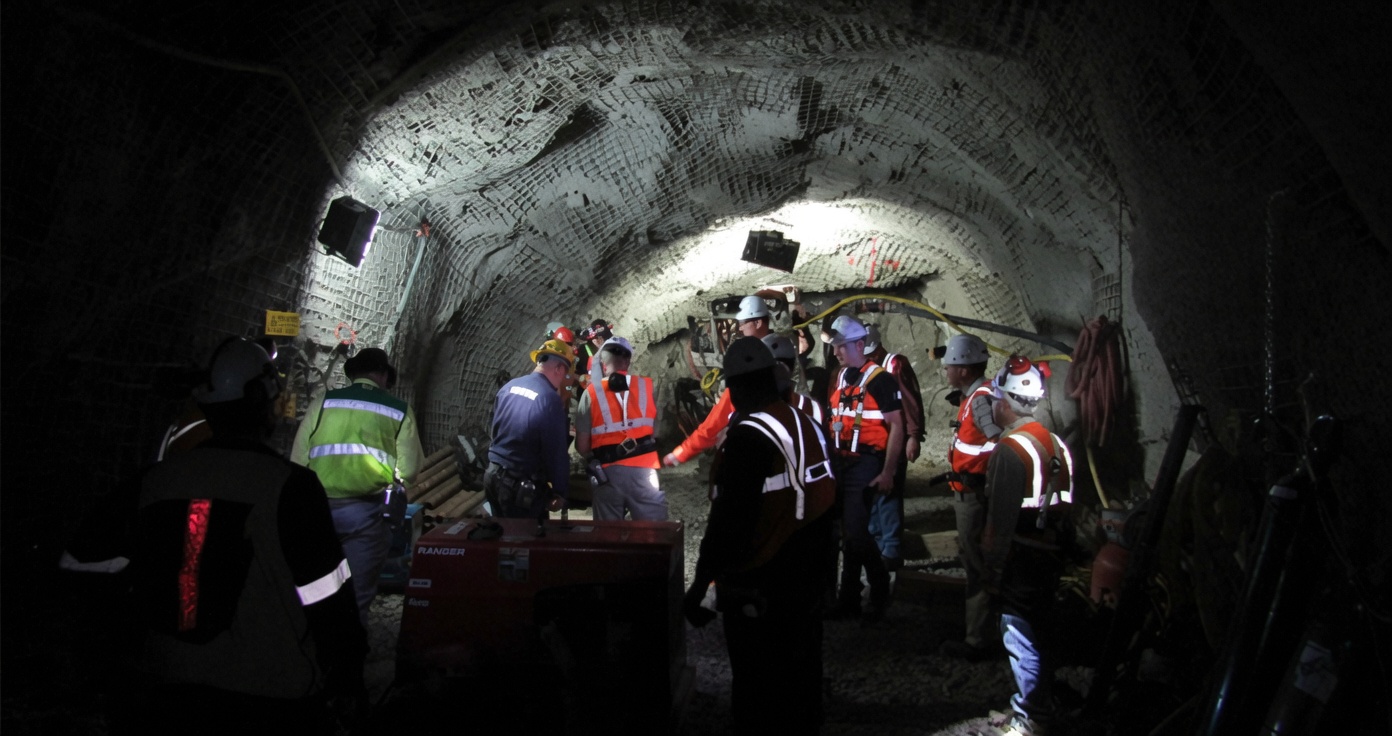
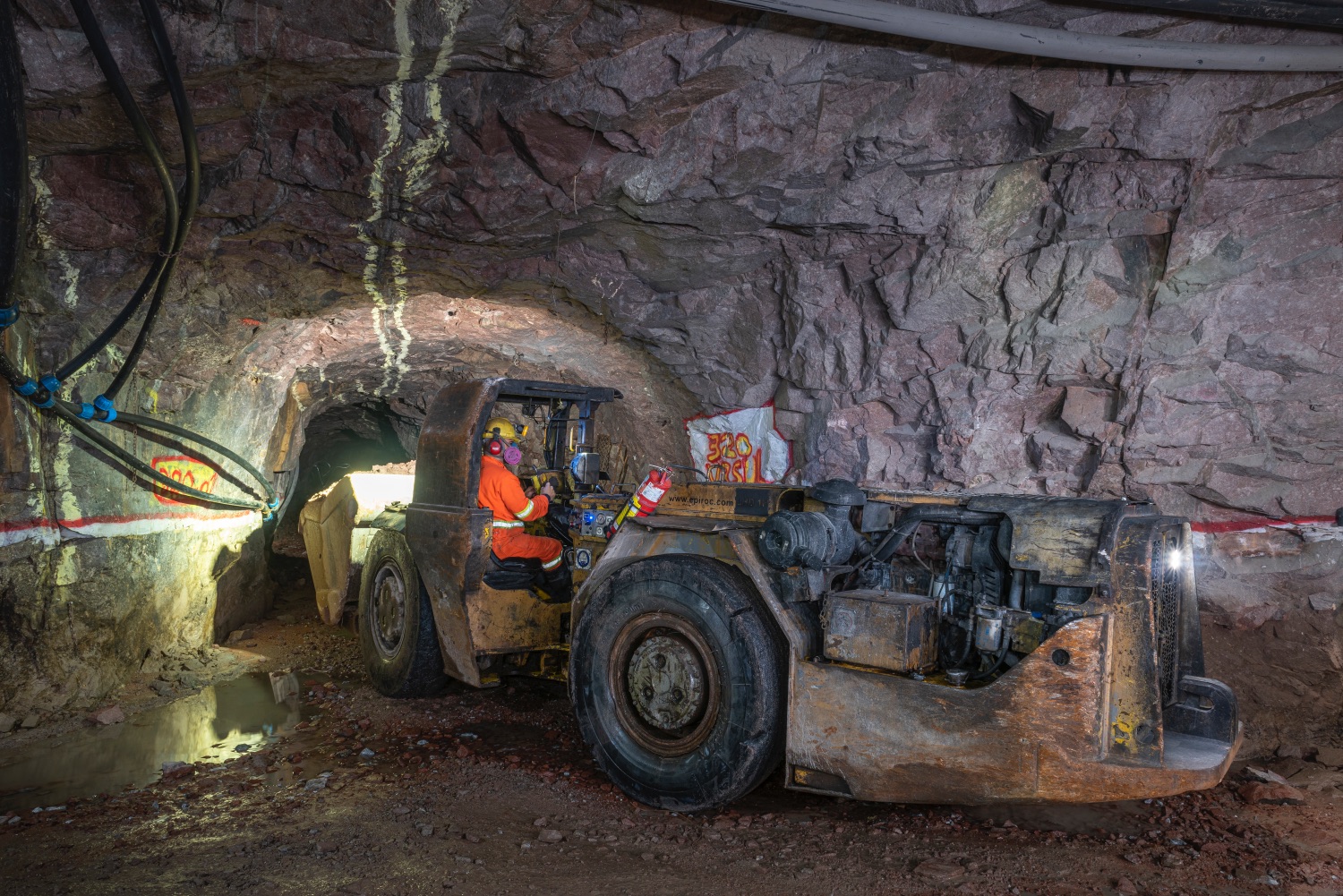
Primary silver mines are forecast to add 6.5 Moz in 2026, bringing their output to 233 Moz as total global mine production declines. Higher-grade ore can increase recovered silver from existing processing facilities, while investment in underground mine access determines how consistently that ore reaches the mill.
Americas Gold & Silver achieved record silver production of 800,458 ounces in the third quarter of 2026, up 5% year over year. Higher ore grades helped its Cosalá operations increase output by 28% to 415,879 ounces despite processing fewer tonnes. With $63.3 million in cash at quarter-end, the company has financial resources to continue mine improvements aimed at increasing productivity and future silver output.
Oliver Turner, Executive Vice President of Corporate Development at Americas Gold & Silver, discusses why past silver price resistance matters today:
“$50 silver was basically the resistance level for the last 50 years. Now that's become a floor. I think that's a pretty important signal of what's to come. I expect prices to go back up, but certainly at these prices, I think everybody's got to be pretty happy with what they're getting.”
Higher Mine Margins Expand Funding Capacity for Silver Supply Growth
The Silver Institute reports that average all-in sustaining cost (AISC) margins at primary silver mines rose 187% year over year to $62.19 per ounce in the first half of 2026. Average AISC, which includes mine operating expenses and the capital required to sustain production, increased 47% to $16.27 per ounce during the same period. The accompanying analysis forecasts 2026 operating cash flow for the silver-mining companies it covers to exceed 2025, increasing their capacity to finance equipment upgrades and mine development through internally generated funds.
The first-half 2026 AISC breakdown shows that increased gold and zinc by-product revenue reduced the year-over-year cost increase by $9.90 and $1.20 per silver ounce, respectively. These credits partly offset increases of $13.50 per ounce in on-site costs and $1.70 per ounce in sustaining capital expenditure, demonstrating how revenue from other metals reduces the net cost of silver production at multi-metal mines.
Funded Mine Plans Advance Mexico's Future Silver Supply
CAMIMEX forecasts $485.13 million in new mining project investment for 2026, nearly triple the $166.8 million spent in 2025. The planned increase reflects greater investment in mine infrastructure and equipment, which can help silver projects with defined reserves and available financing advance toward production.
Vizsla Silver is advancing its Pánuco project toward first silver production in the second half of 2028, with 171.1 million silver-equivalent ounces in proven and probable reserves supporting a planned 9.4-year mine life. As of July 31, 2026, the company held US$411 million in cash and short-term investments, exceeding its estimated US$238.7 million initial capital requirement and providing substantial financial capacity to advance the project toward construction.
Rising Exploration Budgets Target Silver Resources in Mexico's Mining Hub
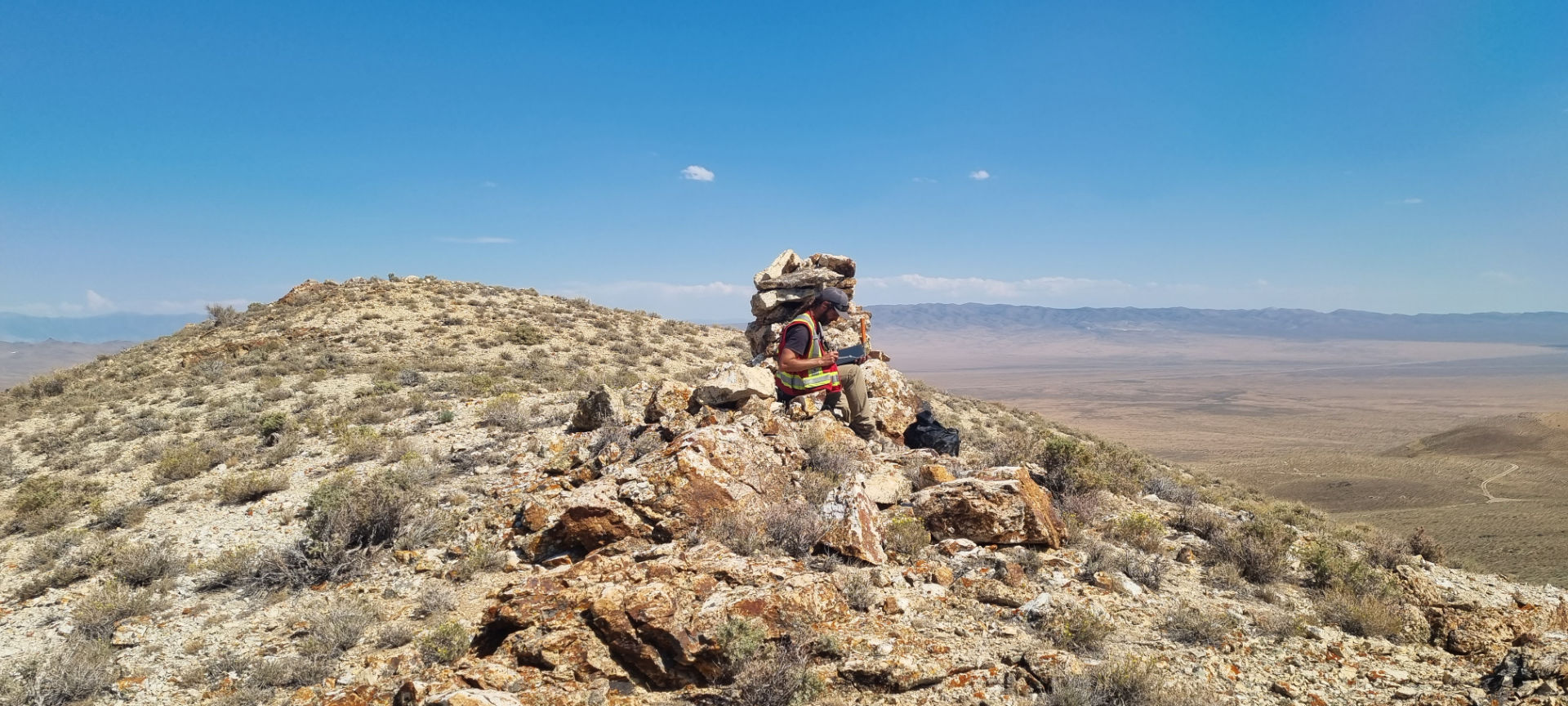
CAMIMEX forecasts $630.35 million in exploration spending for 2026, up from $513.56 million invested in 2025. Increased exploration activity can support drilling that identifies extensions of high-grade silver deposits and improves resource estimates, helping establish their potential size and future mining prospects.
GR Silver Mining reported a 35.45-meter-wide interval grading 311 grams of silver per tonne at its San Marcial project, extending high-grade mineralization beyond the existing resource area. The company has completed 7,756 meters of its planned 20,000-meter drilling program, with an updated mineral resource estimate targeted for mid-2027 that could expand its defined silver inventory and establish a clearer picture of the project's scale.
Eric Zaunscherb, President and Chief Executive Officer of GR Silver Mining, links Mexico's silver leadership to potential government encouragement:
“Mexico is the largest silver producer in the world. It's a match made in heaven to see the administration encourage silver mining.”
Global Silver Deficits Keep Mine Investment Central as Recycling Rises
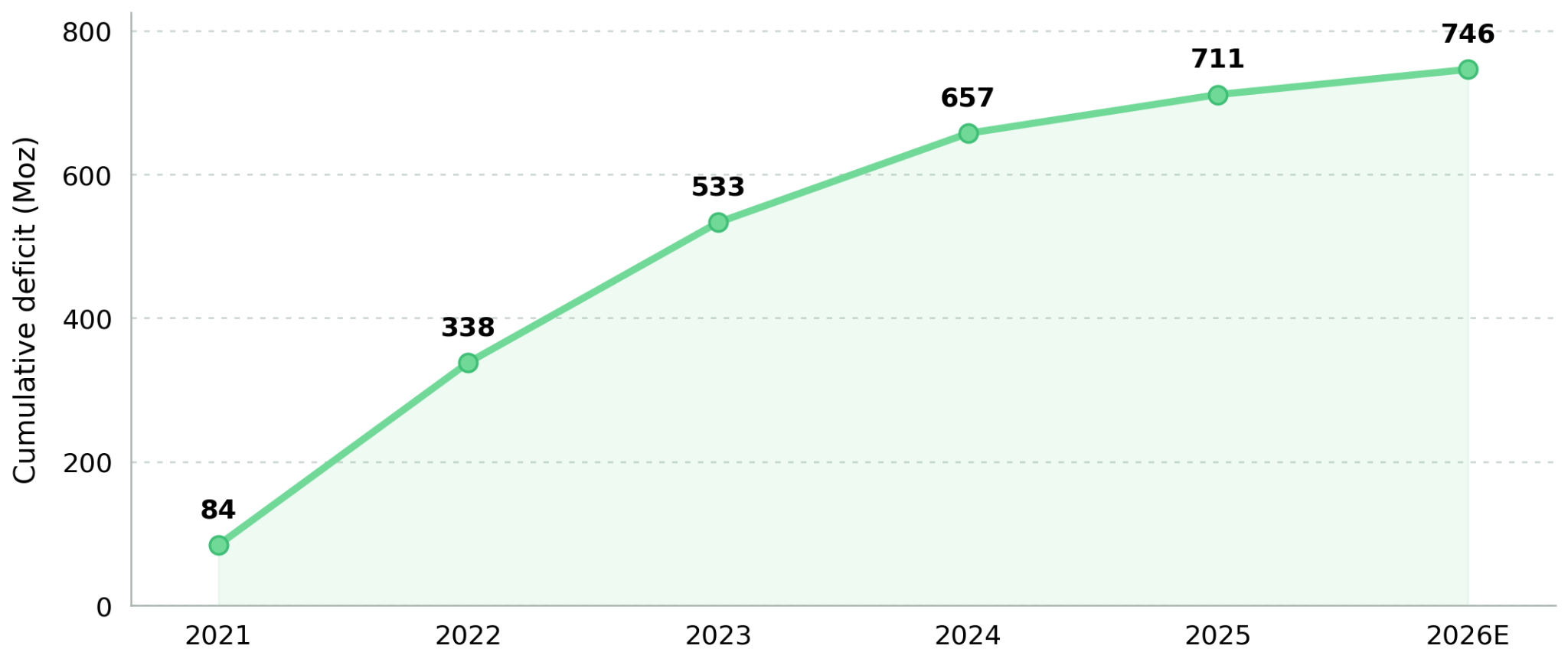
The Silver Institute projects a cumulative global silver market deficit of approximately 746 Moz from 2021 through 2026, including a 35 Moz shortfall in 2026. Mexico's forecast production gain contributes additional supply, while the wider market balance underscores the importance of mine investment that can sustain existing output and bring new capacity into operation.
Silver recycling is forecast to rise 6% to 210 Moz in 2026, its highest level since 2012, yet the market remains in deficit after accounting for that additional metal. Mexico's projected $6.402 billion mining investment program spans multiple commodities, with its contribution to future silver supply depending on how effectively spending sustains existing operations, advances new mine capacity, and expands the resource base for future projects.
The Investment Thesis for Silver
- Producers with established infrastructure and measurable grade, recovery or productivity improvements can convert reinvestment into additional silver output while retaining operating flexibility.
- Developers with defined reserves, sufficient financing and credible construction programs offer exposure to future capacity additions as planned expenditure becomes physical mine infrastructure.
- Explorers advancing high-quality drilling programs toward independently assessed mineral resources can build the inventory required for later development decisions.
- Capital discipline matters across the sector because sustaining costs, development budgets and financing structure determine how effectively available funds translate into economic silver supply.
- Recycling growth is already accounted for in projected silver supply, so continued market deficits reinforce the need for economically recoverable mine output to close the remaining shortfall.
Mexico's silver output gain illustrates how improvements at existing mines can add ounces while construction and drilling advance future supply. Higher production, funded mine plans, and drilling that improves resource estimates provide measurable signs of progress across the mining sector. Long-term silver exposure rests on the amount of recoverable metal, the capital required to bring it to market, and the timeline for doing so.
TL;DR
Mexico's silver output is forecast to rise 6.6 million ounces to 174 million ounces in 2026, even as global mine supply falls 0.5% and the market records another deficit. CAMIMEX projects $6.402 billion in mining investment across several metals, including mine maintenance, expansions, exploration, and new projects. Non-solar industrial silver demand is forecast to grow 4.5%, while stronger mine margins can finance equipment upgrades and additional capacity. Americas Gold & Silver demonstrates output growth at established operations, Vizsla Silver is advancing a funded future mine, and GR Silver Mining is drilling toward an updated resource estimate. Across these stages, the investment question is how effectively spending becomes recoverable silver.
FAQs (AI-Generated)
Analyst's Notes





Subscribe to Our Channel






Stay Informed


