




Silver's 4% Capacity Growth Outlook Supports Additional Supply Investment


High mine utilization, a projected deficit, and declining reserves strengthen the case for investing in silver mine expansions and new supply projects.
- US Geological Survey (USGS) projects a 4% growth in global silver mine production capacity between 2025 and 2030, increasing the importance of mine expansions and development projects capable of adding silver supply.
- USGS estimates that silver mine capacity utilization averaged 87% across producing countries in 2025, the highest among eight minerals studied, indicating comparatively limited unused production capacity.
- The Silver Institute projects a 46.3-million-ounce silver deficit and a 0.3% decline in mine production to 844.1 million ounces in 2026.
- Nearly 74% of global silver mine output in 2025 came from mines primarily producing other metals, linking silver supply to their production decisions and supporting investment in dedicated silver projects.
- Primary silver mine reserves fell by 50 million ounces in 2025 as depletion exceeded new additions, supporting exploration and resource conversion to replenish reserves for future production.
Projected 4% Capacity Growth With High Utilization Favors Mine Expansion
The USGS World Minerals Outlook Through 2030 projects global silver mine production capacity to increase by approximately 4% between 2025 and 2030. This modest growth supports investment in operating-mine improvements and advanced development projects capable of expanding future silver supply.
Silver mine capacity utilization averaged an estimated 87% across producing countries in 2025, the highest among the eight minerals studied. This comparatively high utilization rate indicates less unused capacity, making improvements in mine throughput and silver recovery important routes to increasing output from existing operations.
Mexico accounted for approximately 21% of global silver mine capacity in 2025, followed by Peru and China at about 12% each. With the capacity outlook incorporating announced mine expansions and advanced developments, project execution in Mexico will help determine how much planned silver capacity becomes operational through 2030.
2026 Silver Deficit Outlook Supports New Mine Investment
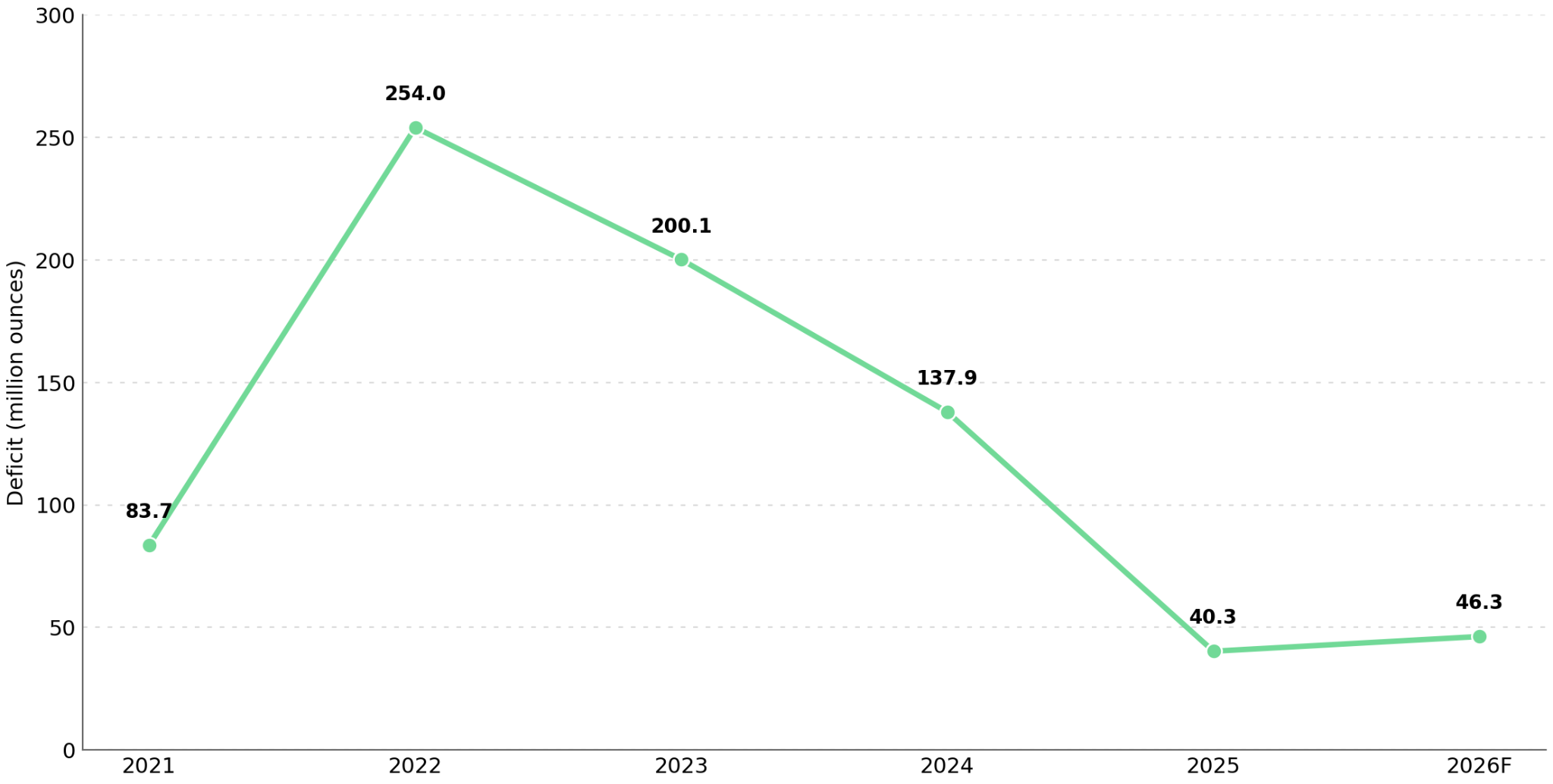
The Silver Institute's World Silver Survey 2026 projects a sixth consecutive annual silver deficit of 46.3 million ounces in 2026, up from 40.3 million ounces in 2025, supporting additional investment in commercially viable mine supply.
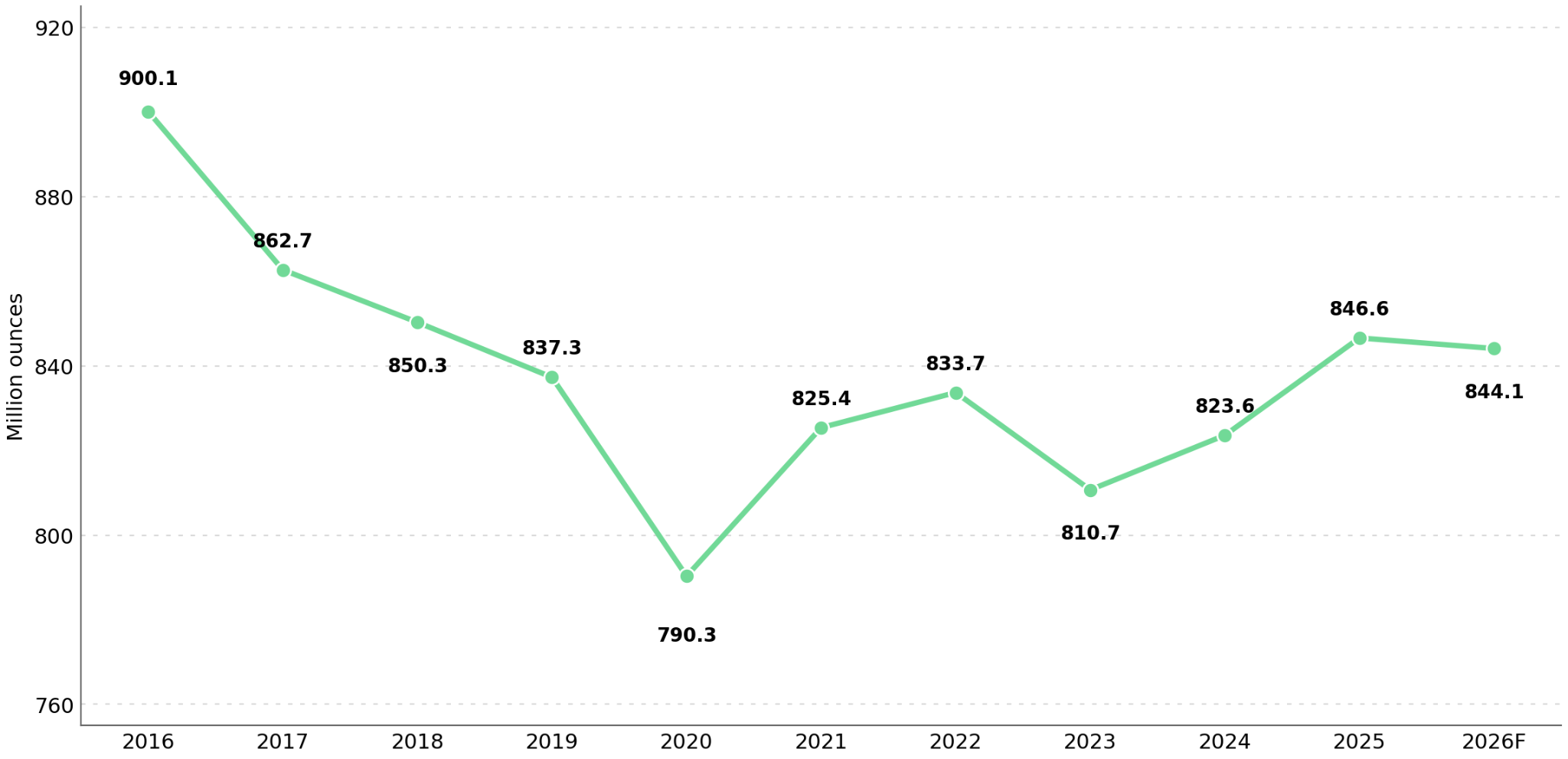
Global silver mine production is projected to decline 0.3% from 846.6 million ounces in 2025 to 844.1 million ounces in 2026, as grade-related and operational constraints offset growth at selected mines. Meanwhile, recycled silver supply is projected to increase by 7% to 211.3 million ounces, expanding its contribution to total silver supply while mine production remains nearly unchanged.
Total industrial silver demand is projected to decline from 657.4 million ounces in 2025 to 639.6 million ounces in 2026, primarily due to a 19% reduction in photovoltaic consumption. Excluding photovoltaics, industrial silver demand is projected to increase by 3.8% to 488.6 million ounces, supporting continued silver consumption across electrical equipment, automotive systems, and other industrial applications.
Byproduct Output Ties Silver Supply Growth to Multi-Metal Mining
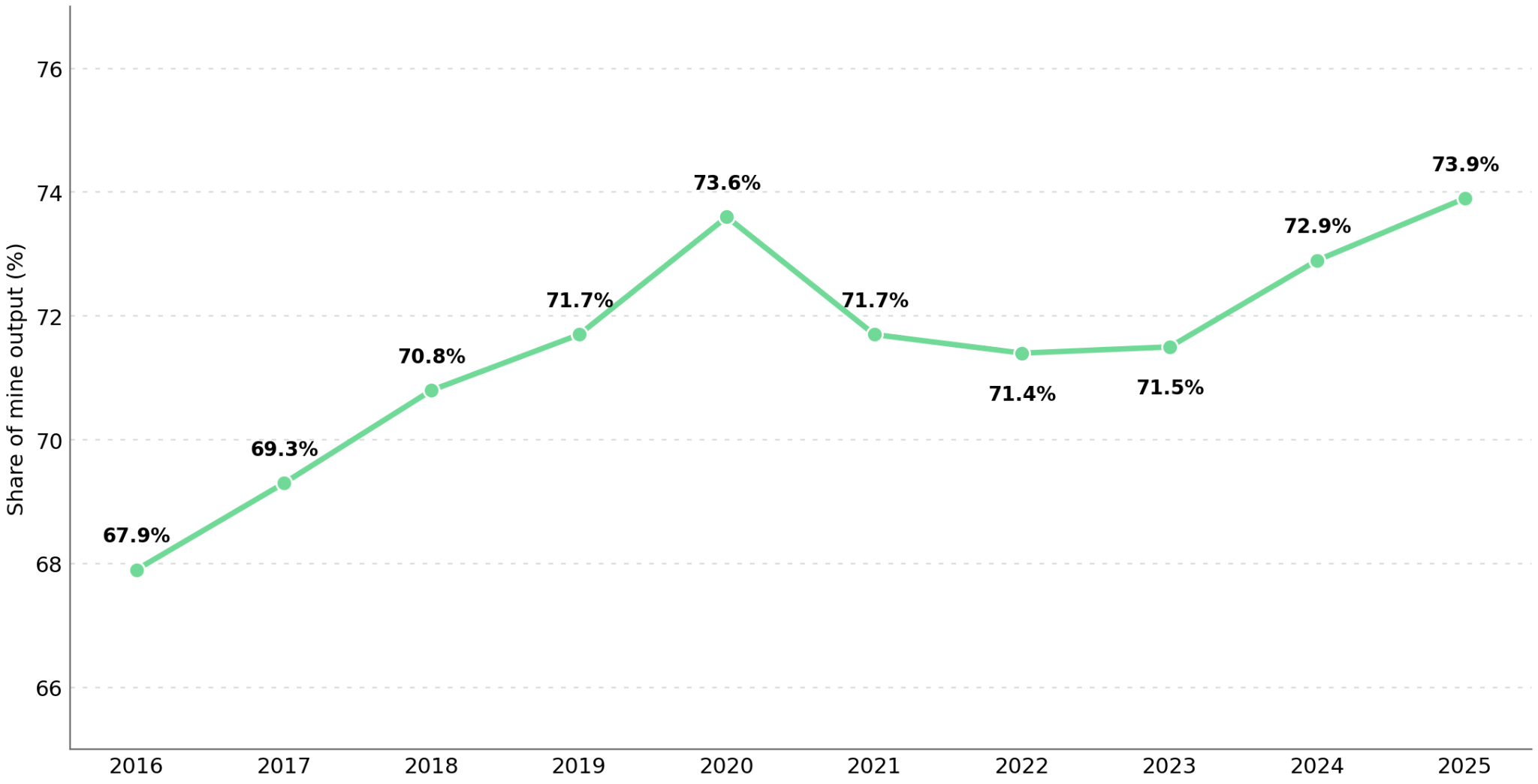
According to the Silver Institute, byproduct silver production increased approximately 4% to 625.5 million ounces in 2025, accounting for nearly three-quarters of global mine output. With much of this silver recovered alongside lead, zinc, copper and gold, improvements in mining throughput and processing recovery can increase payable silver production from existing operations without developing entirely new mines.
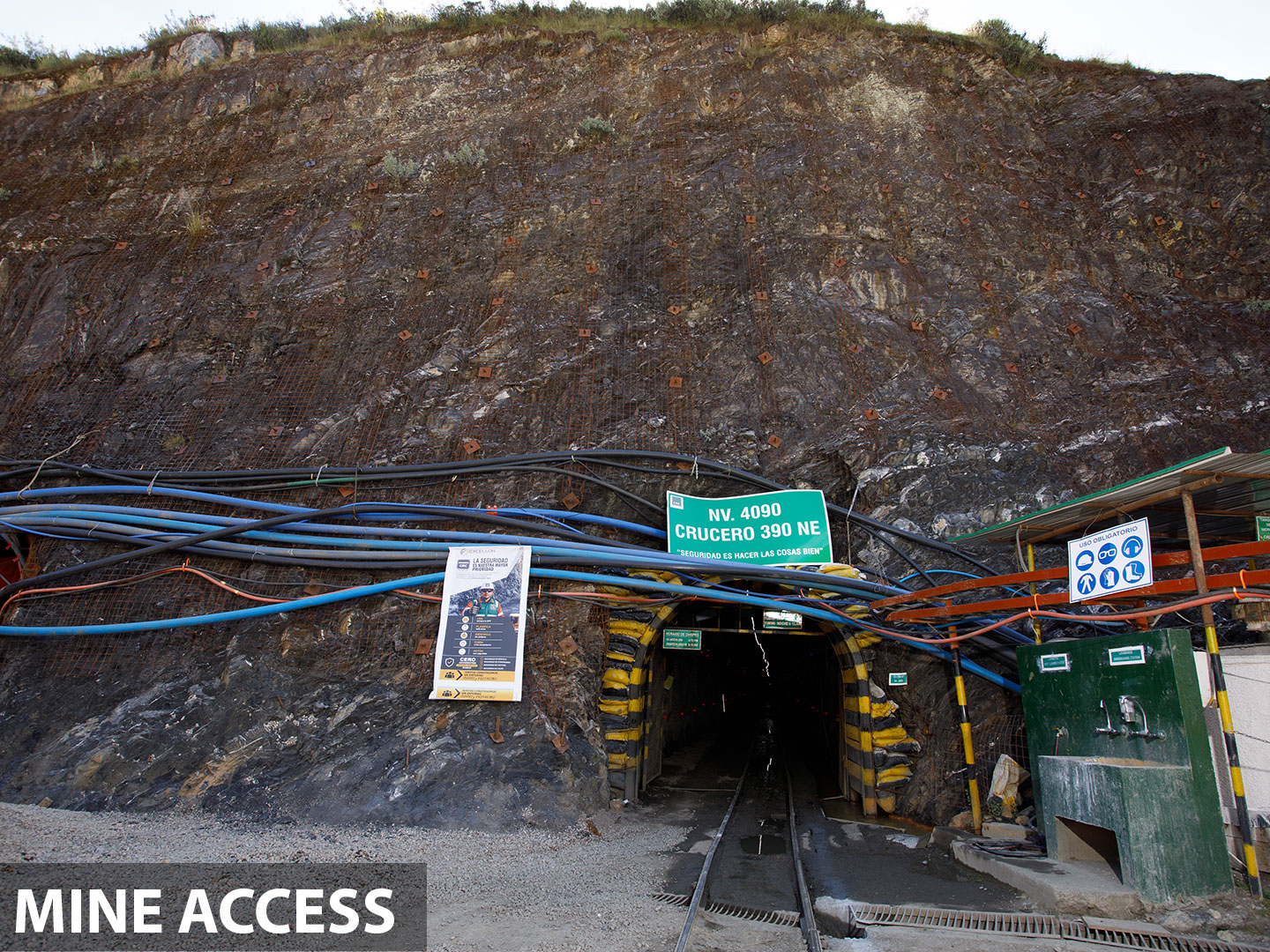
Americas Gold and Silver produced 800,458 silver ounces in the third quarter of 2026 and sold 860,850 ounces, with full-year production guidance of 3.2 million to 3.6 million ounces. At Galena, infrastructure upgrades increased shaft-hoisting capacity from approximately 650 to over 1,400 tons per day, supporting higher production from existing operations. At Cosalá, processing improvements aim to increase silver recovery, while renewed exploration offers opportunities for additional production growth.
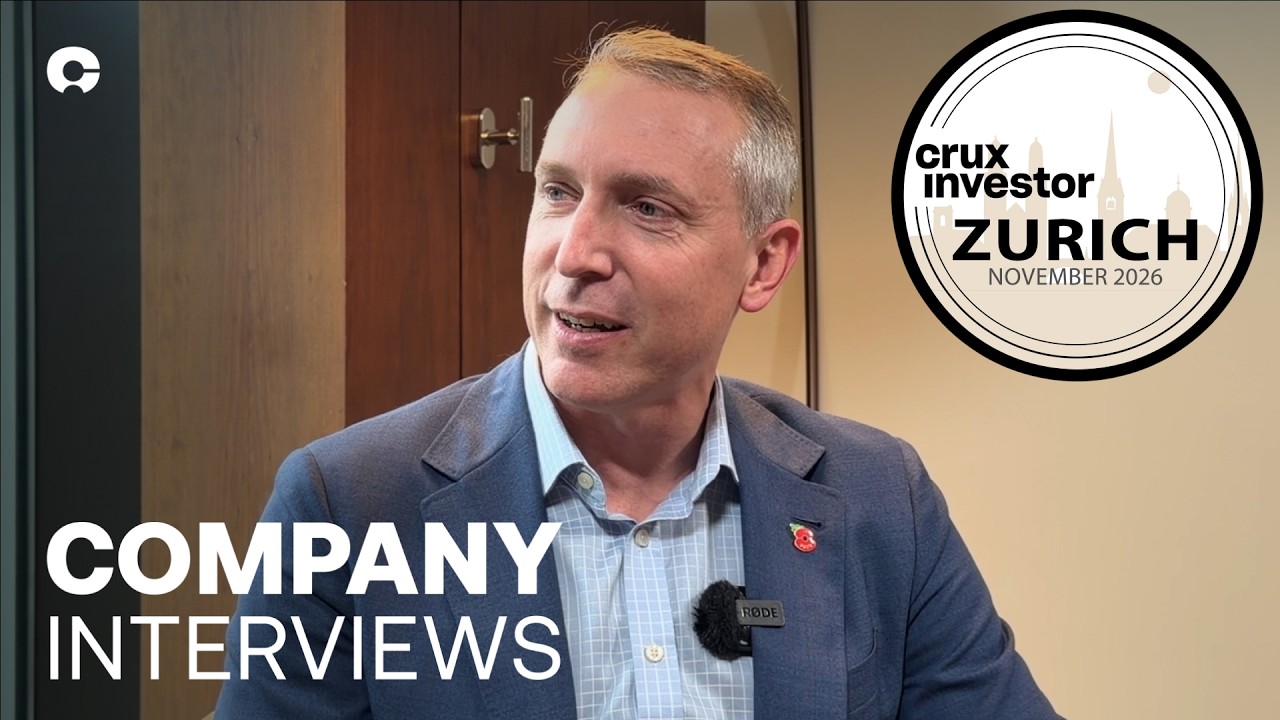
Oliver Turner, Executive Vice President of Corporate Development at Americas Gold and Silver, discusses how byproduct metals shape silver revenue exposure:
"Our current revenue exposure, which is a good way to look at the silver universe, is actually over 90%. We're 90% exposed to the silver metal. Over the course of the next several years, depending on the relative movements in metal prices, we're going to be producing more copper, more antimony, and obviously we have lead in our mix as well."
Development Funding Advances Planned Silver Production
The USGS capacity outlook incorporates announced mine expansions and advanced developments, making project execution an important factor in future silver supply growth. Feasibility studies establish projected production and capital requirements, while financing and construction progress demonstrate how planned developments are advancing toward commercial production.
Vizsla Silver is advancing its Pánuco silver-gold project toward first silver production, targeted for the second half of 2028. Its November 2025 feasibility study projects average annual payable production of 20.1 million silver-equivalent ounces during the first five years, with initial capital costs of approximately US$239 million. The company held US$411 million in cash and short-term investments as of July 31, 2026, providing financial capacity to advance construction preparations while continuing exploration across the district.
Reserve Depletion Supports Mexican Exploration Amid Solar Demand Prospects
The Silver Institute estimates that primary silver mine reserves declined by 50 million ounces to 3,762 million ounces in 2025, as 170 million ounces of depletion exceeded 120 million ounces of additions from exploration and engineering. With reserve growth through resource conversion and new developments typically requiring at least 18 to 24 months, continued exploration and drilling can help identify additional silver deposits and strengthen the resource base for future production.
GR Silver Mining reported new high-grade silver results at its San Marcial project, including a 35.45-meter interval averaging 311 grams per metric ton of silver. Combined with an earlier 45.1-meter interval averaging 1,623 grams per metric ton, the results demonstrate the potential to expand mineralization beyond the existing resource area. Its ongoing 20,000-meter drilling program is expected to support an updated mineral resource estimate by mid-2027, providing a clearer picture of the project's potential scale.
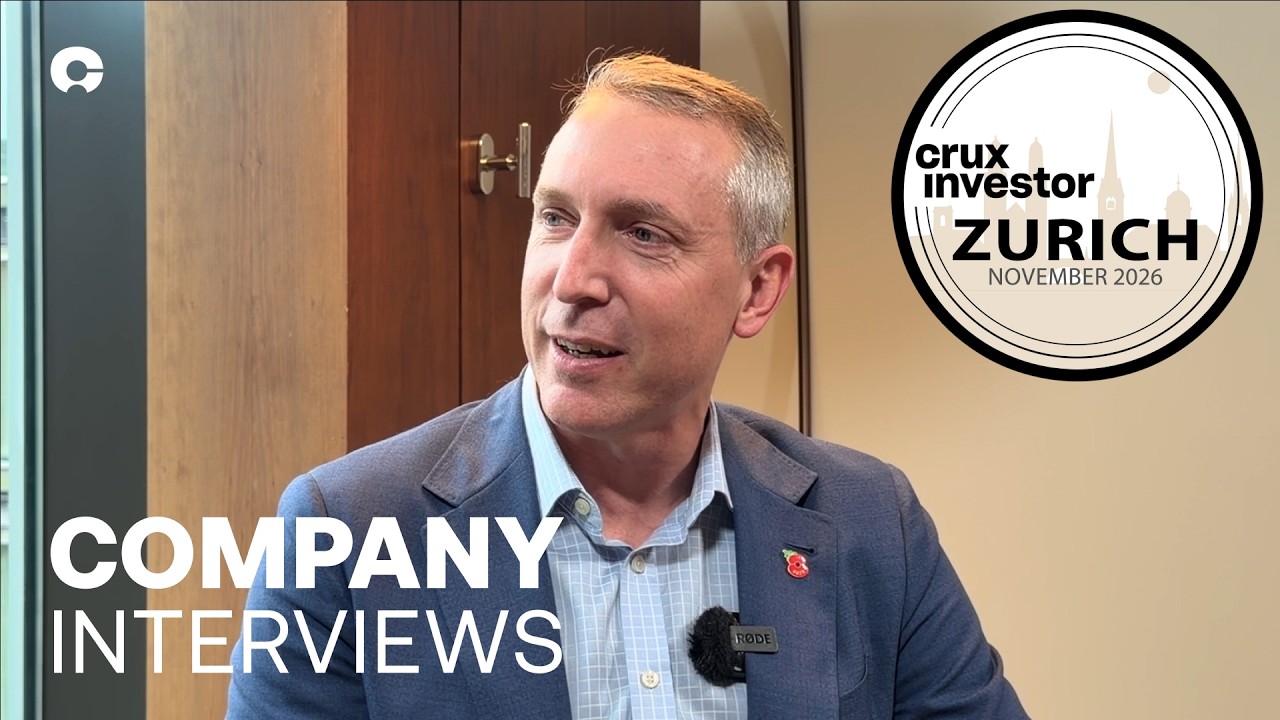
Eric Zaunscherb, Chairman and Chief Executive Officer of GR Silver Mining, describes how solar demand aligns with Mexican production:
"What a fantastic opportunity for her to encourage the decarbonization of energy, solar power, solar panels, one of the largest growing consumers of silver. Mexico's the largest silver producer in the world. It's a match made in heaven to see the Sheinbaum administration encourage silver mining."
Capital Spending Supports Additional Recoverable Silver Supply
Sustaining capital expenditure at primary silver mines increased 18% in 2025, while average all-in sustaining costs (AISC) declined 1% to US$12.21 per ounce. Higher spending on mine improvements, supported by lower reported production costs, provides a foundation for expanding silver output through improved recovery rates and greater processing capacity.
With global silver mine capacity projected to grow only 4% through 2030 and a continued market deficit anticipated in 2026, additional investment in existing operations and advanced developments can help expand available supply. This is particularly relevant when nearly three-quarters of mined silver originates from operations primarily producing other metals, leaving dedicated silver projects as another source of production growth.
Reserve replacement adds a longer-term dimension, as exploration and resource development can replenish depleted reserves and support future mine expansion. Together, higher recovered output, advancing development projects, and additional mineral resources create multiple pathways for capital investment to translate into greater silver production and sustained long-term supply.
The Investment Thesis for Silver
- Producers can increase silver output through improved mine throughput and processing recoveries, using established infrastructure to support production growth and stronger operating cash flow.
- Developers can bring additional silver capacity closer to production through feasibility-backed mine plans, secured financing, and permitting progress, creating opportunities for future supply growth.
- Explorers can expand the longer-term silver supply pipeline by identifying additional mineralization and increasing resource confidence, supporting future reserve replacement and mine development.
- Polymetallic producers can improve mine economics by recovering silver alongside other valuable metals, with byproduct revenue helping offset production costs while contributing additional silver supply.
- Diversified industrial demand beyond solar applications can support additional silver consumption, with electrical equipment, automotive systems, and industrial manufacturing providing markets for future mine production.
- Capital-efficient operations are better positioned to sustain production margins across commodity cycles, making disciplined spending and competitive operating costs important measures of long-term silver mining value.
Silver's modest capacity growth outlook supports additional investment in mine supply, particularly as much of global production remains tied to the economics of other metals. The strongest investment case centers on projects that can convert capital spending into higher silver recoveries, competitive production costs, and economically recoverable reserves. These measurable improvements provide a clearer basis for assessing long-term value, positioning commercially viable silver assets to benefit from continued demand for additional mine supply.
TL;DR
Global silver mine production capacity is projected to increase by only 4% between 2025 and 2030, while capacity utilization averaged 87% in 2025. The Silver Institute forecasts a 46.3-million-ounce silver deficit in 2026, with mine production projected to decline despite higher recycling. Nearly three-quarters of mined silver comes from operations primarily producing other metals, linking supply growth to broader mining decisions. Declining primary silver reserves further support exploration and resource replacement. These conditions favor investment in improved mine recoveries, advanced development projects, and new mineral resources, with capital efficiency and commercially viable production remaining central to long-term investment value.
FAQs (AI-Generated)
Analyst's Notes





Subscribe to Our Channel






Stay Informed


