




Middle East Export Expansion Drives Infrastructure Demand as Iraq Lifts Pipeline Capacity to 770,000 Bpd


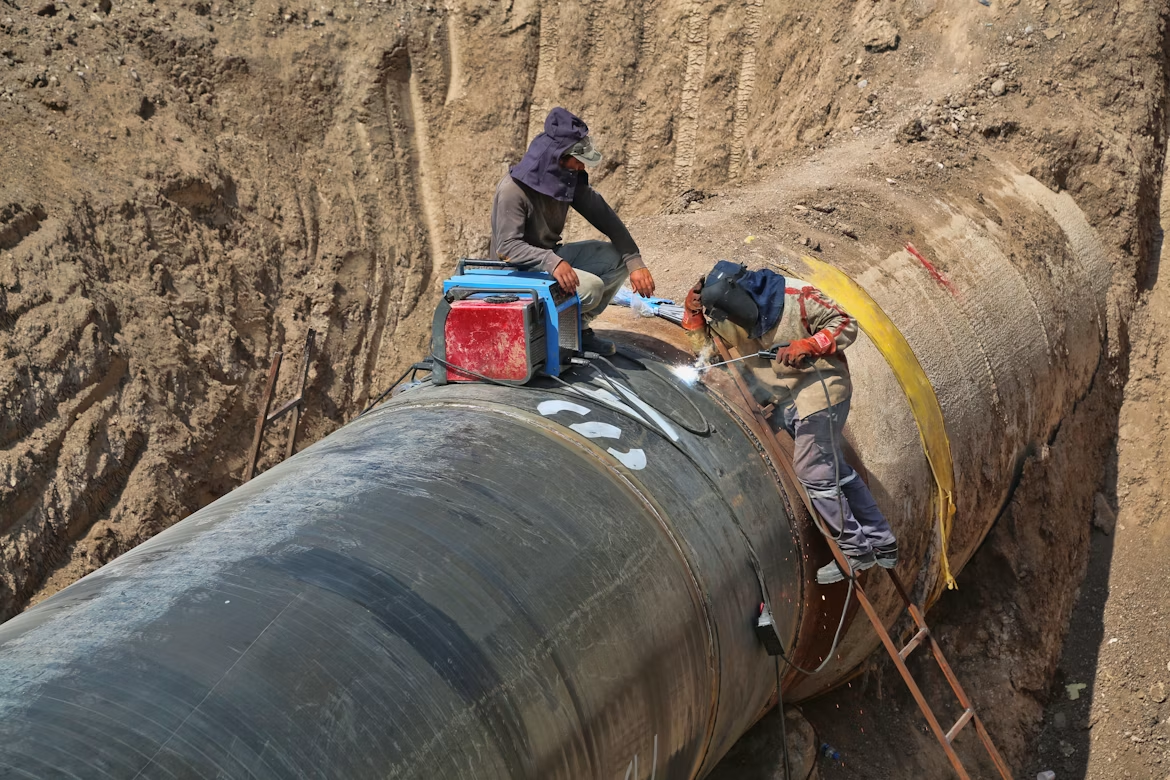
Iraq and UAE export expansions are driving demand for pipeline, storage, and logistics assets as producers invest in new crude export routes.
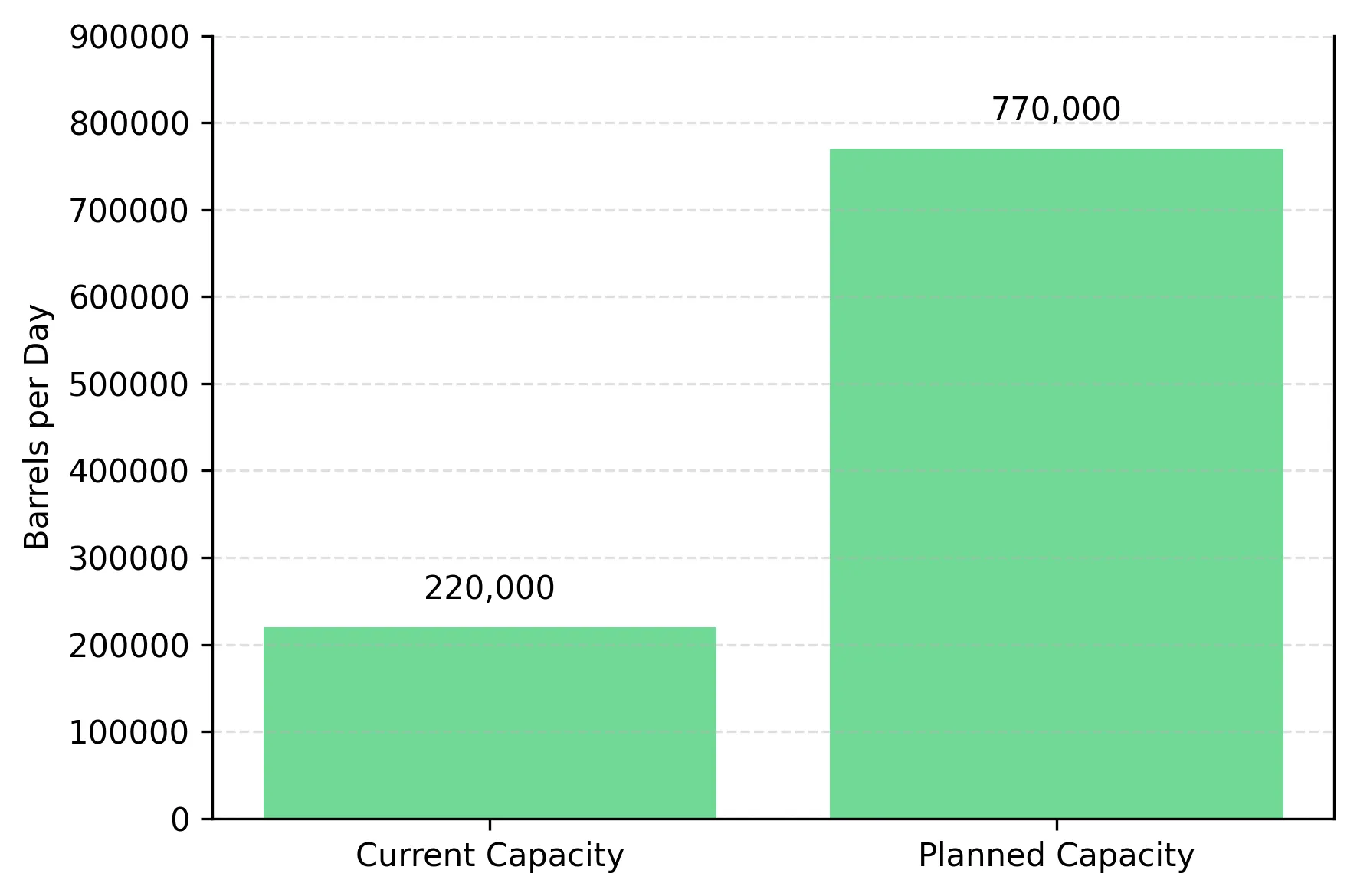
- Iraq approved plans to increase exports through the Kurdistan-Turkey pipeline from 220,000 barrels per day to 770,000 barrels per day, expanding crude export capacity to the Mediterranean and reducing reliance on existing shipping routes.
- The UAE is fast-tracking its West-East pipeline to Fujairah, targeting completion in 2027 and doubling Abu Dhabi's crude export capacity through an additional export route.
- Energy producers are investing in pipelines and export terminals to maintain crude exports during shipping disruptions and reduce exposure to bottlenecks in key transport routes.
- Iraq and UAE pipeline expansions proceed as planned, supporting contract demand for pipeline operators, engineering firms, storage providers, and energy logistics companies through 2027.
- Delayed pipeline projects or lower oil transport risks would reduce demand for new export infrastructure, weakening the outlook for pipeline, storage, and energy logistics assets.
Middle East Producers Expand Export Infrastructure
Middle Eastern producers are expanding pipeline and export terminal capacity to add alternative routes for crude exports, supporting demand for energy infrastructure and logistics assets. Iraq approved plans to increase exports through the Kurdistan-Turkey pipeline from 220,000 barrels per day to 770,000 barrels per day, while the UAE is fast-tracking its West-East pipeline to Fujairah to double Abu Dhabi's crude export capacity by 2027.
These projects expand Middle East crude export capacity beyond existing transport routes. Additional pipelines allow producers to maintain exports during shipping disruptions, helping protect producer revenues and support demand for energy infrastructure assets.
The projects support demand for pipeline, engineering, and logistics assets rather than a short-term oil price trade. Iraq and the UAE are expanding export infrastructure to maintain crude flows during transport disruptions.
New Export Routes Drive Demand for Infrastructure Services
Crude exports depend on pipelines, storage terminals, and tanker routes to reach global buyers. Iraq and the UAE are expanding alternative export routes to maintain shipments during transport disruptions, helping protect export revenues and support infrastructure spending.
Pipelines move crude to export terminals without relying on tanker routes. They can reduce shipping delays and transport costs while helping producers maintain export volumes. This is driving investment in new pipeline projects, supporting demand for engineering, construction, and logistics services.
Energy exporters are funding additional pipelines and export routes to maintain crude flows during transport disruptions. Saudi Arabia's East-West pipeline and new projects in Iraq and the UAE expand export capacity and support demand for pipeline, engineering, and logistics assets.
Governments seeking to protect export volumes are funding pipelines, storage facilities, and export terminals, supporting demand for energy infrastructure assets beyond the Middle East.
Pipeline Projects Support Multi-Year Contract Demand
New export routes take years to develop and cannot immediately replace existing transport networks. Pipeline projects require permits, financing, engineering, and construction, supporting multi-year demand for engineering, construction, and logistics services.
Unlike oil prices, which can change within hours, pipeline projects generate spending over several years. Multi-year pipeline projects can support longer contract cycles for infrastructure providers. Engineering, construction, storage, and logistics companies can benefit from contracts tied to pipeline development and expansion.
Project milestones, contract awards, and capital expenditure announcements can signal whether pipeline expansion plans are advancing. Delays in these indicators could signal slower infrastructure spending and weaker demand for engineering and logistics services.
Export Infrastructure Creates New Investment Opportunities
Pipeline expansion spending can benefit infrastructure providers more directly than oil producers. Pipeline operators, engineering contractors, storage providers, and export terminal developers can benefit from construction spending and new export capacity even if oil prices remain unchanged.
Producers with multiple export routes can maintain shipments during transport disruptions, reducing the risk of lost sales. The ability to redirect exports can help protect revenue when transport routes are disrupted.
Companies that build, operate, or support export infrastructure can benefit from rising investment in pipelines, storage facilities, and transport networks.
Large infrastructure projects depend on permitting, financing, and government approvals, making project timelines difficult to predict. Delays can postpone new export capacity and reduce near-term demand for construction and engineering services.
Project Approvals and Spending Plans Remain Key Signals
Demand for pipeline, storage, and logistics assets should remain supported while major producers continue funding alternative export routes. New project approvals, construction milestones, and funding commitments would signal continued demand for engineering, construction, and export infrastructure services.
Delayed projects or lower infrastructure spending would reduce future demand for pipeline, engineering, storage, and logistics services. Lower transport risks could reduce investment in new export routes and slow spending on pipeline and export infrastructure projects.
National oil company spending plans, engineering contract awards, project completion schedules, and energy agency updates are signals that can be used to assess whether export infrastructure investment is continuing. Slower project activity could signal weaker demand for pipeline, engineering, storage, and logistics services.
Analyst's Notes





Subscribe to Our Channel



.png)





Stay Informed


