




Nine Mile Lines Up Q1 Wedge Report as Assay Results Keep Coming


Nine Mile Metals maps the Wedge copper deposit in 3D before deeper drilling, with a Q1 technical report, maiden resource estimate and C$5M cash in hand.
- Nine Mile Metals has completed 22 holes and about 5,500 metres of a 10,000-metre Phase 3 programme at the Wedge, with certified results including 24.55 metres at 3.49% copper equivalent (CuEq) over true width in hole WD-26-09.
- Drilling has identified three distinct lenses at the Wedge, including a copper-gold lens to the east that Cruickshank said runs over roughly 40 metres.
- A borehole electromagnetic survey across eight holes will map historic workings in 3D before the company drills to depth on the northwest side of a fault.
- An updated NI 43-101 technical report is expected in the first quarter of 2027, followed by a maiden mineral resource estimate that will test management's target of up to 10 million tonnes.
- With about C$5 million in cash, management says the company is funded for two to almost three years and does not need to raise, reducing near-term dilution risk.
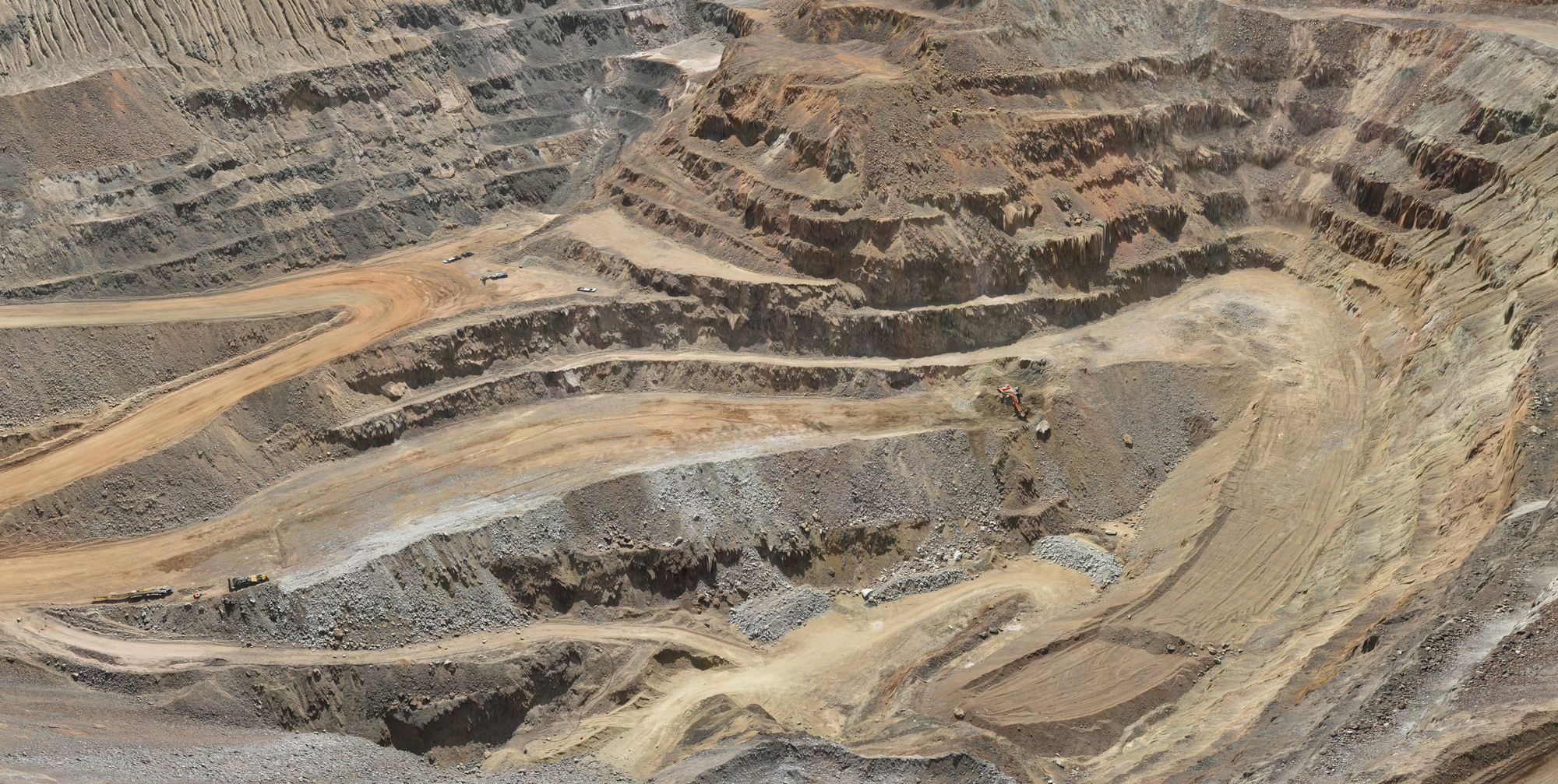
Copper explorers in established mining districts start with proven geology, existing infrastructure and decades of historic data. The harder task is converting that inheritance into a modern, compliant resource. Nine Mile Metals Ltd. (CSE:NINE) is attempting exactly that at the Wedge, a past-producing copper deposit in the Bathurst Mining Camp of New Brunswick, Canada.
Patrick J. Cruickshank, CEO and Director of Nine Mile Metals, outlined the company's 10,000-metre Phase 3 drill programme at the Wedge. He also described a borehole survey designed to map historic underground workings, a new discovery programme at the Tribag target, and a timeline running from an updated National Instrument 43-101 (NI 43-101) technical report to a first mineral resource estimate (MRE).
Phase 3 Results Arriving Hole by Hole
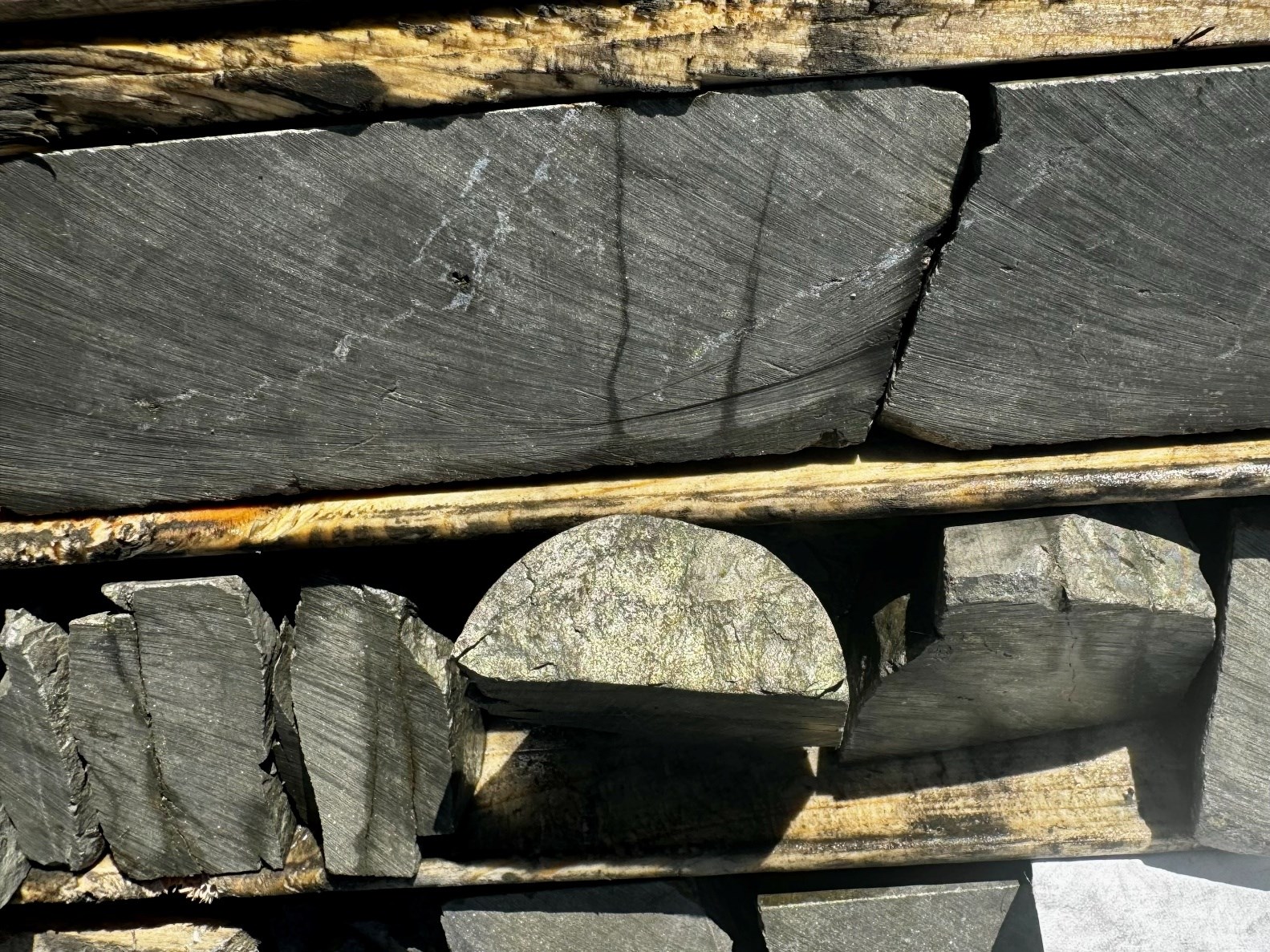
Phase 3 drilling at the Wedge has run around the clock through the summer. Cruickshank said 22 holes and roughly 5,500 metres of the planned 10,000 metres are complete, but only five holes had been reported because of a laboratory backlog. The most recent release reported a 14.15-metre intercept grading 5.09% copper equivalent (CuEq), with included intervals he placed above 7% Certified Phase 3 results also include hole WD-26-09, which returned 24.55 metres at 3.49% CuEq over true width. The company notes that CuEq values are calculated on different price and recovery assumptions for each release and are not directly comparable between holes.

The reporting lag is structural. Samples reach the laboratory under anonymous ticket numbers, so a hole cannot be rebuilt until all of its assays return. Cruickshank put turnaround at about a month, plus four to five days of compilation. The first three holes, drilled from the top of the hill, are still awaiting certified assays. The first of these logged 130 metres of visual mineralisation, and more than 500 metres were sent for assay across the three.
Three Lenses in a Steep System
Drilling has so far identified three distinct lenses at the Wedge. Cruickshank described one as a traditional polymetallic lens carrying high-grade lead, zinc, silver, copper and gold. A second lens to the east carries high-grade copper and gold over roughly 40 metres, with lower-grade lead and zinc that he described as still economic.
The lenses dip steeply at about 70 degrees, and current holes cut across them, so reported intercepts measure lens thickness rather than full vertical extent. Cruickshank described the material as around 95% solid mineralisation rather than a vein-hosted system. Drill geometry also matters. The rigs are collared on lower ground well below the top of the hill, and Cruickshank argued that a 250-metre hole from there tests ground equivalent to a 500-metre hole from the summit.
Interview with Patrick Cruickshank, Director & CEO of Nine Mile Metals
Mapping the Old Workings
The upper third of the Wedge cannot currently be drilled through because historic pillars have collapsed. Cominco mined the deposit in the 1960s, and Cruickshank said Teck, which later absorbed Cominco, has not shared plans of the old workings. The company therefore holds Cominco's roughly 300 historic drill holes but lacks a reliable map of the voids.
To solve this, Nine Mile has placed eight holes around the deposit for a borehole electromagnetic survey expected within about two weeks. A probe takes readings every 10 metres, detecting conductors in all directions to around 300 to 400 metres. Combined, the readings should produce a 3D picture of both the old workings and the remaining mineralisation. Once that model is complete, the company plans to finish the 10,000-metre programme by drilling to depth on the northwest side of a fault that cuts through the deposit.
From Technical Report to Resource Estimate
Apex Geoscience, led by President Mike Dufresne, is compiling historic holes and three seasons of Nine Mile drilling into a live 3D model. Cruickshank said the updated NI 43-101 technical report is expected in the first quarter of 2027, followed quickly by a maiden MRE. Drilling at the Wedge itself is expected to finish this autumn.
The company's stated mandate is to demonstrate a footprint of up to 10 million tonnes. No mineral resource has yet been estimated on any Nine Mile property, and the MRE will be the first test of that ambition. Cruickshank added that deposits across the camp tend to occur in clusters of three or four, which supports exploring around known deposits.
Tribag and Nine Mile Brook: The Next Fronts
A new rig, replacing one delayed by a gearbox failure, will move to Tribag, four kilometres west of the Wedge along the same trend. Cruickshank described six targets at 350 to 400 metres depth, with volcanogenic massive sulphide (VMS) mineralisation already known above them. The roughly 3,000-metre programme is a discovery test.
At Nine Mile Brook, the company drilled what it describes as the highest-grade copper ever recorded in the camp, with 10.12% copper over 15.10 metres. A rhyolite cap, the plug of the ancient volcano, sits 30 metres from that lens. This summer the team found a second cap less than 1,000 metres away, with a target beneath it identified by drone geophysics. Drilling there is planned for next spring, since that area is reachable only by snowmobile from mid-December.
Funding, Dilution and News Flow
Nine Mile holds about C$5 million in cash, which Cruickshank said funds the company for two to almost three years. He framed the position as a change from the company's history of raising on the back of each programme:
Cruickshank said the company is in discussions with several companies about potential joint ventures or acquisitions. No agreement has been announced. He expects results to flow through to the Prospectors & Developers Association of Canada (PDAC) convention and into June or July of next year.
The Investment Thesis for Nine Mile Metals
- Nine Mile Metals is fully funded with about C$5 million in cash, which management says covers two to almost three years of work without a new raise.
- Phase 3 drilling has completed 22 holes and about 5,500 metres, and investors should monitor the pace at which pending assays are released through to PDAC.
- The borehole electromagnetic survey should map historic workings in 3D, and investors should watch whether it opens the northwest side of the fault to deeper drilling.
- An updated NI 43-101 technical report is expected in the first quarter of 2027, followed by a maiden MRE that will test management's target of up to 10 million tonnes.
- The roughly 3,000-metre Tribag programme offers discovery upside along the Wedge trend, although it is an early-stage test with no guaranteed result.
- Key risks include laboratory turnaround, historic data that has not been verified under NI 43-101, CuEq figures that are not comparable between holes, and the absence of any defined resource to date.
Macro Thematic Analysis
Copper demand is being driven by two forces at once. Electrification of transport and power grids requires large volumes of the metal, and the build-out of AI data centres adds a second source of demand. S&P Global's January 2026 study, cited in the company's presentation, points to a need for substantial new mined supply by 2040. New deposits take many years to reach production, which places a premium on assets that can advance quickly.
That favours explorers in proven districts. The Bathurst Mining Camp has produced more than 180 million tonnes of ore and has road, rail and deep-water port access. Polymetallic VMS deposits such as the Wedge also spread exposure across copper, zinc, lead, silver and gold.
Cruickshank sees the current level of corporate interest as an early signal rather than a peak:
"There's so much happening... We are talking to so many companies. They're looking for JVs, they're looking to buy... there's so much activity now and we're just in the foothills of that. We're not even in a boom period yet."
TL;DR
Nine Mile Metals (CSE:NINE) has completed 22 holes and about 5,500 metres of a 10,000-metre Phase 3 programme at the Wedge, a past-producing copper deposit in New Brunswick's Bathurst Mining Camp. Drilling has identified three lenses, including a copper-gold lens over roughly 40 metres. Before drilling to depth, the company is running a borehole survey to map historic workings in 3D. An updated NI 43-101 technical report is expected in the first quarter of 2027, followed by a maiden resource estimate. A new rig will test six targets at Tribag. With about C$5 million in cash, management says the company is fully funded for two to almost three years.
FAQs (AI Generated)
Analyst's Notes





Subscribe to Our Channel


Stay Informed


