




Omai Gold Reports 93% to 95% Gold Recovery from Phase 1 Metallurgical Testwork at Wenot and Gilt



Omai Gold's Phase 1 testwork shows gold recovery of 93% to 95% at its Guyana project, supporting plant design ahead of an upcoming PEA.
- Phase 1 metallurgical testwork returned gold extraction rates of 93% to 95% from the Wenot and Gilt deposits
- Testing confirmed rapid gold dissolution, with a 32-hour retention time selected for initial project design
- Both deposits showed clean mineralogy, with no organic carbon, tellurides, or antimony detected
- Results support a conventional carbon-in-leach processing flowsheet for the upcoming Preliminary Economic Assessment
- Company is now evaluating a larger throughput plant of 20,000 to 25,000 tonnes per day, up from earlier estimates of 15,000 to 18,000 tonnes per day
Omai Gold Mines Corp. (TSXV: OMG) (OTCQB: OMGGF) is a Canada-based gold exploration and development company advancing the Wenot and Gilt deposits at its wholly owned Omai Gold Project in Guyana, South America. The project is located within the Guiana Shield. It previously produced over 3.7 million ounces of gold between 1993 and 2005 before closing when gold prices fell below US$400 per ounce. The company has updated its mineral resource estimate five times, most recently in April 2026, and the project includes existing infrastructure such as an airstrip and road access to Guyana's two largest cities.
Positive Phase 1 Metallurgical Testwork Confirming 93 to 95 Percent Gold Recovery at Wenot and Gilt
Omai Gold's first phase of metallurgical testwork evaluated 72 composite samples, totalling 558 kilograms, drawn from the Wenot and Gilt deposits. Testing was carried out by SGS Canada Inc. at its Lakefield, Ontario facility using a standard bottle roll leach process ahead of the carbon-in-leach circuit planned for the project. Samples were selected across a range of gold grades and rock types to reflect variability across both deposits.
Results showed gold extraction averaging 93% from fresh rock at a grade of 1.0 grams per tonne, rising to 95% at a higher grade of 3.2 grams per tonne. Gold dissolution occurred quickly, with 85% of the gold extracted within 12 hours and 97% to 98% of the total recoverable gold extracted after 32 hours. This 32-hour period has been set as the retention time for the project's initial design.
The metallurgical head grades from the composite samples correlated closely with weighted grades calculated from exploration drill core assays, with a small number of outliers attributed to the presence of coarse gold grains.
Clean Process Solution Chemistry and Conventional CIL Flowsheet Supporting Plant Design
Testwork confirmed that process solutions from both deposits contain low levels of copper, zinc, and lead. No organic carbon was detected, including within Wenot's sediment-hosted gold zones. The primary leach consumer identified was iron sulphide, which is comparatively easier to remove during water treatment.
These results support a conventional processing flowsheet centred on primary crushing, a grinding circuit, and a carbon-in-leach plant, followed by carbon adsorption, desorption, and regeneration, along with water treatment and tailings management. A gravity concentration circuit is also being considered as an optional addition; at the historical Omai operation, a similar circuit recovered an average of 32% of total gold production.
The grinding circuit design allows for staged development. It could initially operate as a single-stage configuration, with the option to later add a secondary ball mill to increase throughput without a full redesign of the circuit.
Larger Throughput Plant Sizing Considered Ahead of Upcoming PEA
Following the company's April 2026 resource update, project evaluations now indicate the Omai project could support a processing plant with throughput of 20,000 to 25,000 tonnes per day, compared to earlier estimates of 15,000 to 18,000 tonnes per day made after the August 2025 resource estimate. The company noted that future plant expansions could draw on regional power sources under development in Guyana, including a hydropower project and a planned liquefied natural gas facility near Georgetown.
Elaine Ellingham, CEO of Omai Gold, said:
"The results from this first phase of metallurgical testing are very favourable, and consistent with the historical production results. This will assist the project team, working towards the Preliminary Economic Assessment, to assess sensitivity to initial capital expenditures, and support iterative engineering work to right-size the production capacity of the Omai Gold Project."
Milestones and Next Steps
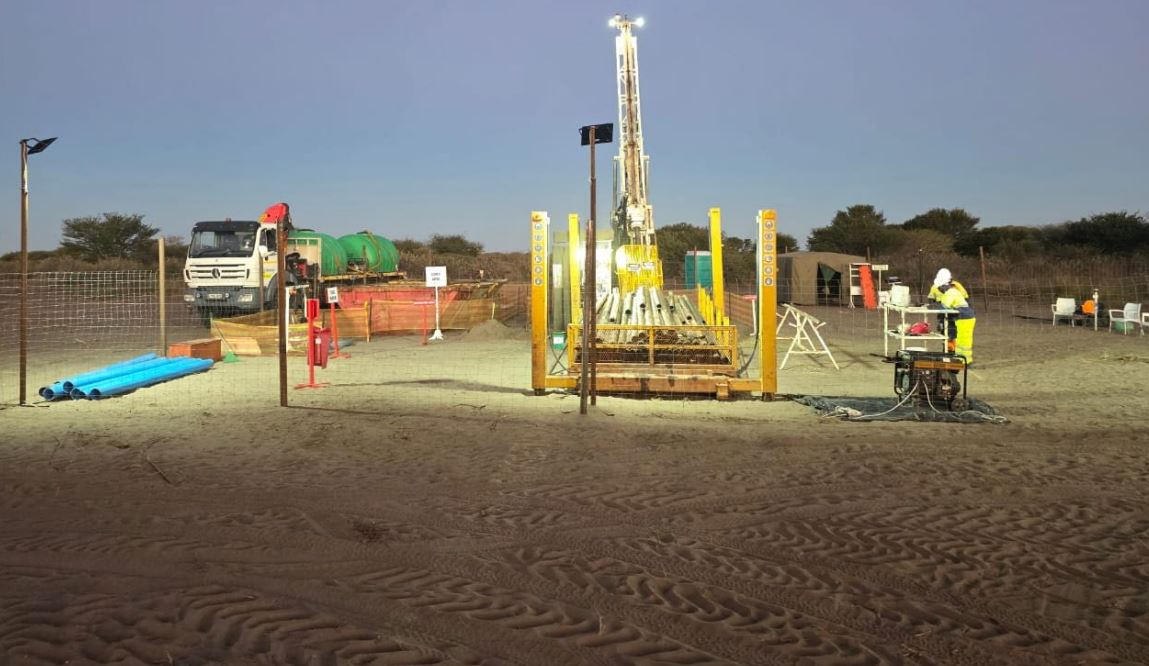
Additional testwork is planned for 2026, including rock hardness characterisation, slurry rheology studies, and environmental characterisation, ahead of a feasibility study targeted for 2027. Drilling is underway on wide-diameter holes at the Gilt and Wenot deposits to support plant design and power requirement assessments, with the Gilt hole also testing the deposit's deep expansion potential to a depth of at least 1,200 metres. The company expects to deliver its updated Preliminary Economic Assessment within four to six weeks, incorporating the expanded Wenot open pit and Gilt underground deposits.
Analyst's Notes





Subscribe to Our Channel





Stay Informed


