




Power Costs Rose 60% in Southern Africa, Lifting PGM Costs as Supply Fails to Respond


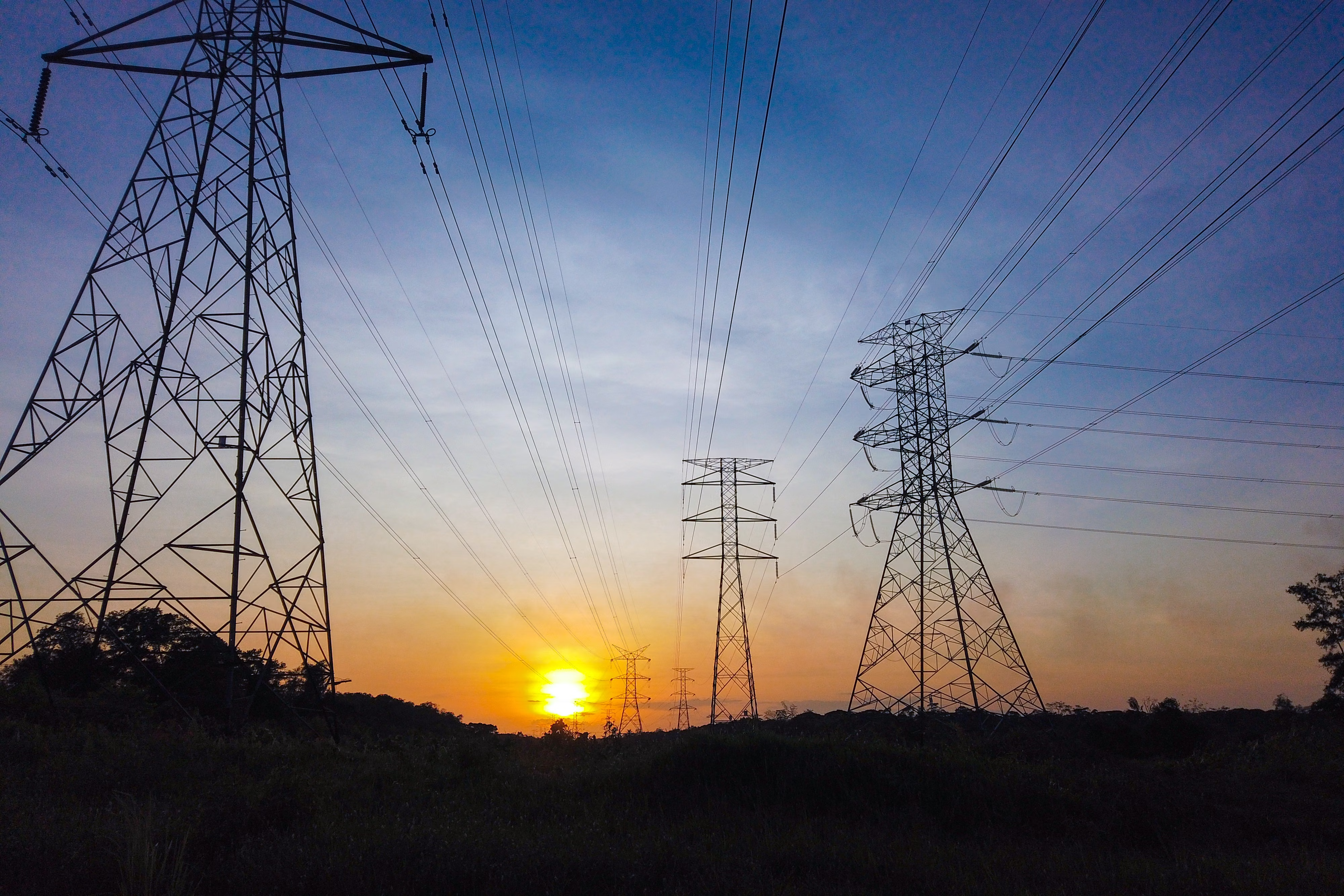
Rising power and wage costs, a firmer rand, and higher financing costs restrict PGM supply despite stronger prices and favor lower-cost projects.
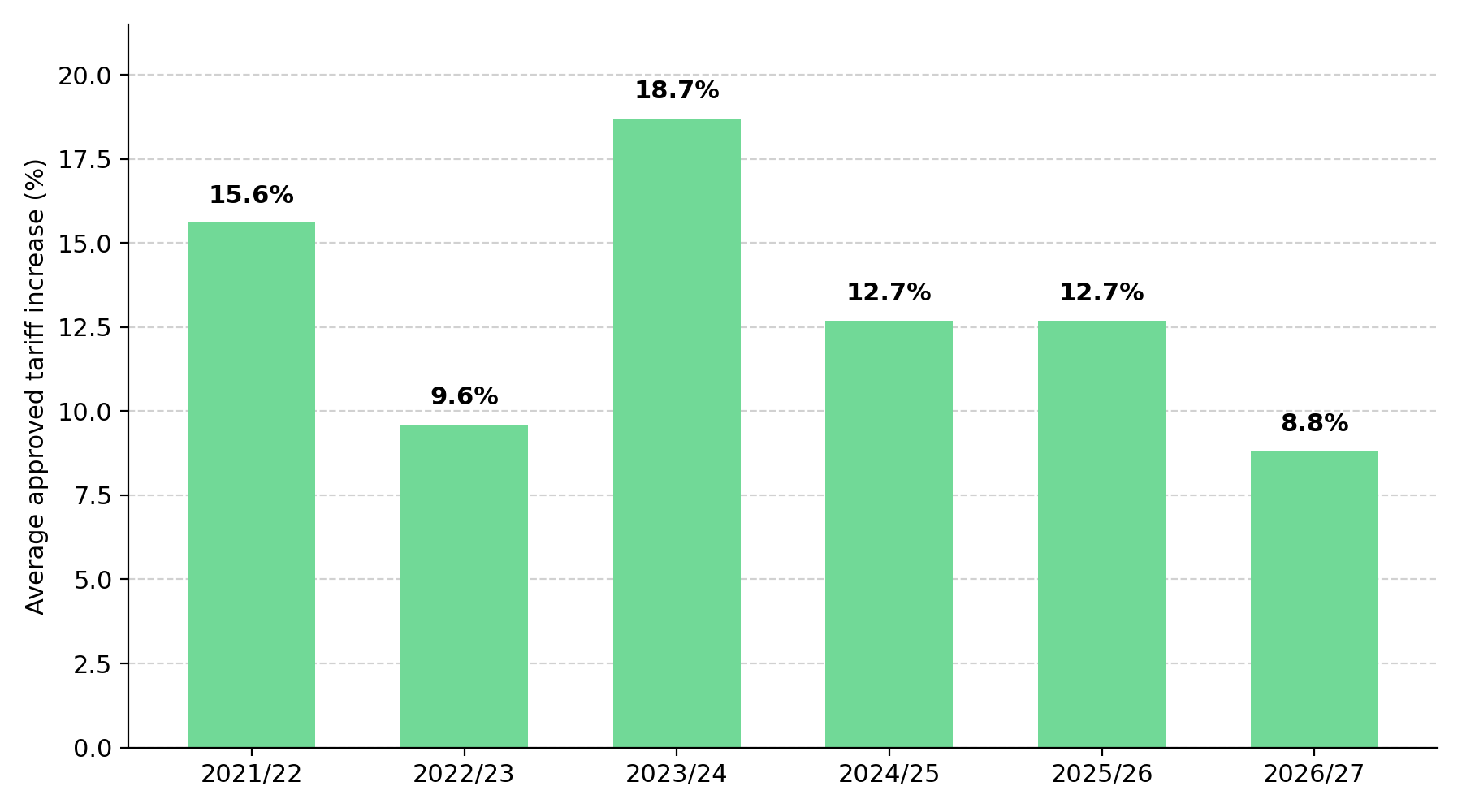
- Electricity costs rose approximately 60% between 2021 and 2026 across South Africa and Zimbabwe, which supply roughly 80% of global platinum group metals (PGM) output, raising the cash cost of energy-intensive underground production.
- Stock-adjusted unit costs rose 8% to R24,249 per six-element (6E) ounce, comprising platinum, palladium, rhodium, ruthenium, iridium, and gold, in the year to June 30, 2026. Revenue per 6E ounce sold increased 51% to R38,116, widening the reported per-ounce spread to R13,867 despite higher production costs.
- The rand strengthened from R16.135 per dollar in mid-August to R16.04-R16.06 on September 2-3, 2026, reducing the rand value of dollar sales, while a 7.00% policy rate and an 8.870% 10-year government bond yield increase financing costs and discount rates for new South African PGM projects.
- US PGM operations produced 137,930 platinum and palladium ounces in the first half of 2026 but recorded a negative notional free cash flow margin, putting output at risk unless all-in sustaining costs (AISC) fall to management’s $1,000-per-ounce target.
- South African PGM output fell 8.4% year-on-year in June 2026 despite platinum gaining 20.78%, favoring low-cost producers and giving developers and explorers with near-surface deposits and existing infrastructure a potential cost advantage.
Southern African Power & Wage Inflation Raise PGM Costs Despite Platinum’s 21% Gain
Platinum rose 20.78% year-on-year to $1,733.70 per ounce on September 2, 2026, but production costs also increased across South Africa and Zimbabwe, which supply approximately 80% of global PGM output. South Africa holds roughly 90% of global reserves, and many mines operate 700 to 800 meters below surface, requiring extensive development and continuously powered ventilation, refrigeration and hoisting. Rising power and wage costs increase unit costs, while a firmer rand reduces local revenue from dollar sales, making cost position a better test of producer resilience than short-term spot forecasts.
Impala Platinum’s annual results for the year ended June 30, 2026 reported an 8% rise in stock-adjusted group unit costs to R24,249 per 6E ounce, while revenue per 6E ounce sold increased 51% to R38,116. Group 6E production rose only 0.5% to 3.50 million ounces, leaving little additional volume over which to spread costs. Northam Platinum’s earnings before interest, taxes, depreciation and amortization (EBITDA) rose 239% to R16.6 billion as revenue increased 64%, showing that higher PGM prices amplified earnings while leaving margins exposed if prices fall and costs remain elevated.
8.870% Bond Yield Raises PGM Financing Costs
PGM producers sell metals in dollars but pay most operating costs in rand, so a stronger currency reduces translated revenue and margins. The rand strengthened from R16.135 per dollar in mid-August to R16.04-R16.06 on September 2–3, 2026. The South African Reserve Bank held its policy rate at 7.00% on July 23, with 5.0% inflation against a 3% target limiting near-term cuts. The 10-year government bond yielded 8.870% on September 2, setting the financing benchmark for new projects before risk premiums.
Greenfield PGM projects consume capital for years before generating revenue, so higher discount rates reduce net present value (NPV) more than for operating mines. South Africa’s 8.870% 10-year government bond yield raises required returns before project-specific risks are added. Northam Platinum increased its minimum annual dividend payout from 25% to 40% of headline earnings on August 28, 2026. Sibanye-Stillwater declared a 201-cent interim dividend on September 1 after adjusted EBITDA rose 111% to R31.8 billion. These distributions reduce the earnings retained for replacement supply.
297,000-Ounce Platinum Deficit Shows Rising Costs & Slow Recycling Constrain Supply
Sibanye-Stillwater’s US PGM operations remained cash-flow negative in the first half of 2026, putting output at risk unless AISC falls to $1,000 per ounce. South African PGM output fell 8.4% year-on-year in June, while Nornickel is targeting 9.5% to 11.4% lower palladium production in 2026. Higher prices have not yet produced a supply response, favoring low-cost producers whose margins can withstand PGM price volatility.
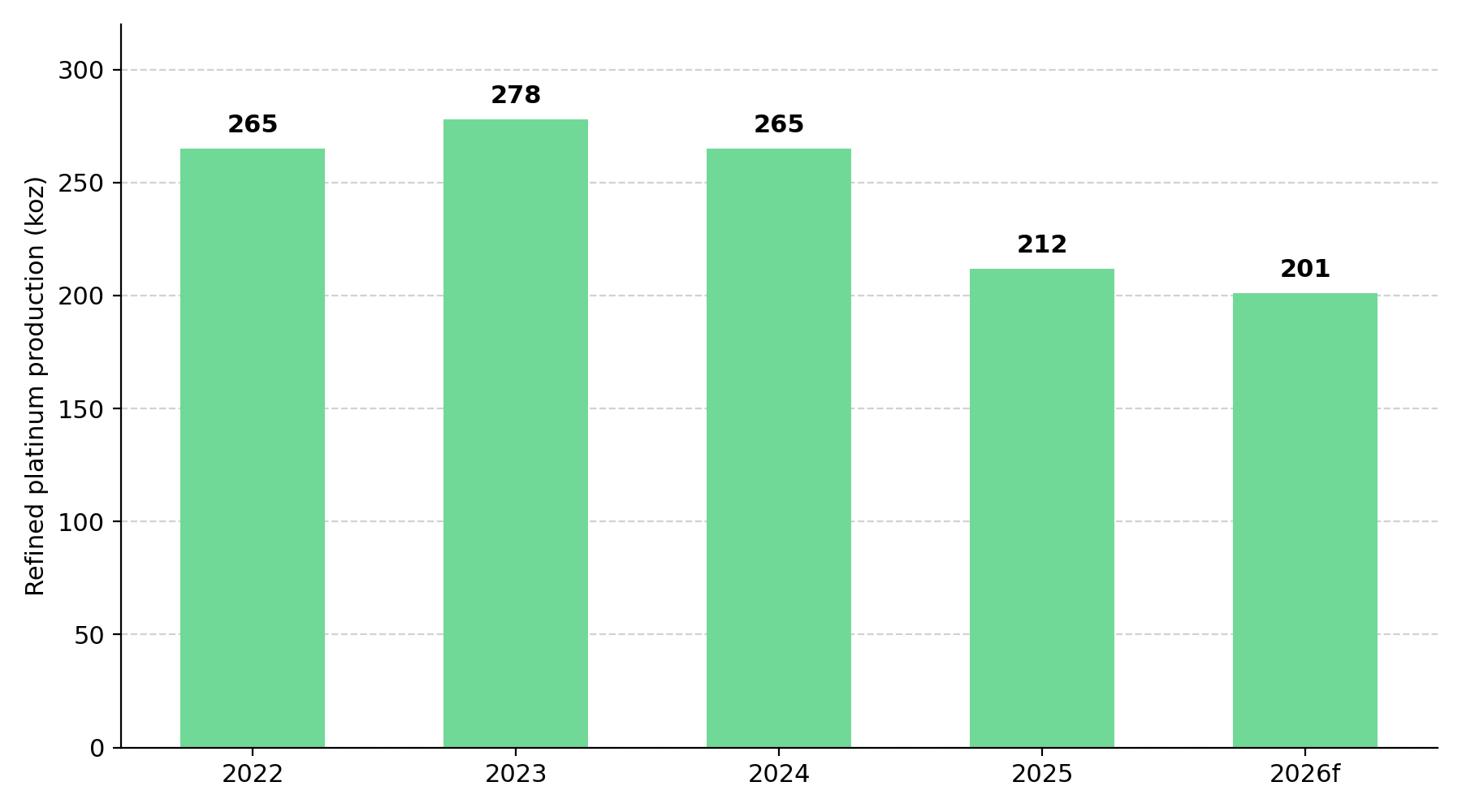
Valterra Platinum projects recycled PGM supply growth of slightly above 10% in 2026 and approximately 8%-9% annually thereafter. Scrap availability depends on vehicles sold roughly a decade earlier, limiting the supply response to current prices. WPIC projects a 297,000-ounce platinum deficit in 2026 against stocks covering less than three months of demand, which would support prices if the shortfall reduces inventories.
60% Power-Cost Rise Improves Lower-Energy PGM Project Economics Outside South Africa
With some PGM operations remaining cash-flow negative even as platinum traded at $1,733.70 per ounce on September 2, pre-production assets should be screened by potential cost position rather than resource size alone. Before an economic study, location determines exposure to regional power costs, while depth or strip ratio, grade in g/t, metallurgical recovery, power demand, and infrastructure access provide early indicators of operating costs, development capital, and the ability to reach production.
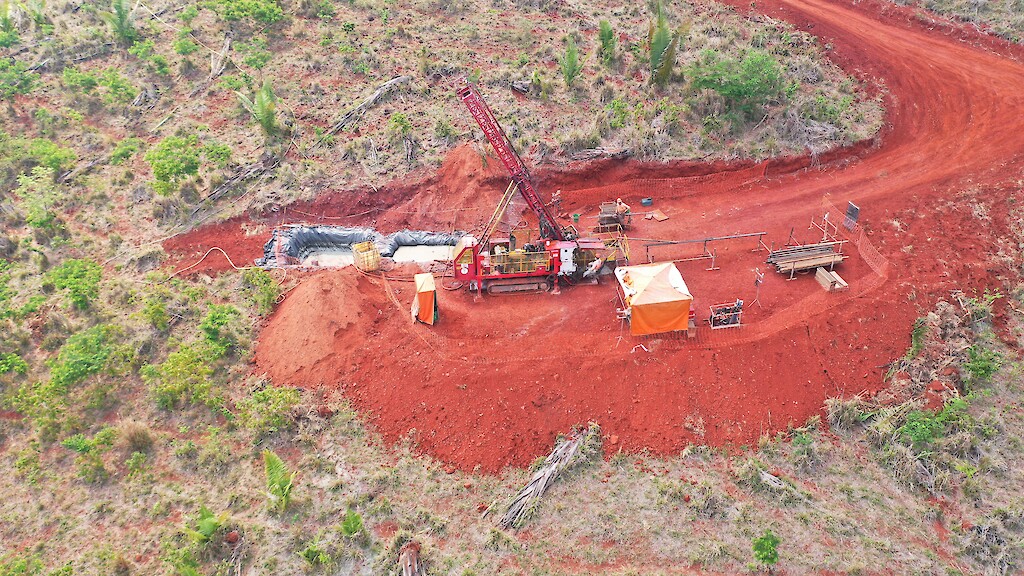
ValOre Metals is advancing its 100%-owned Pedra Branca project in Ceará, Brazil, with a resource update targeted for the third quarter of 2026 and a preliminary economic assessment (PEA) planned for the fourth quarter. The update will incorporate recently drilled targets excluded from the current 2.2-million-ounce inferred resource. Its location outside Southern Africa limits exposure to the region’s tariff increases, while seven near-surface resource zones could reduce reliance on power-intensive hoisting, ventilation, and refrigeration. Paved-road access to Fortaleza’s deep-water port could reduce infrastructure spending, and the PEA will quantify how these factors affect capital and operating costs.
Nick Smart, Chief Executive Officer of ValOre Metals, explains which projects can meet growing PGM demand:
“If you’ve got growing demand, real limitations in terms of bringing more metal on… A good project should have a strong tailwind to get into production. The second piece is looking at the core fundamentals of the project itself. What is your access to infrastructure? How difficult is your mining and processing? All of these are factors that determine who ultimately brings a project to bear.”
Near-surface mineralization and existing infrastructure could support a lower-cost development plan. Resource conversion, larger-scale metallurgical testing and a preliminary economic assessment (PEA) can establish recoveries, capital requirements and cost-curve position. Progress across these milestones could strengthen project valuation and financing options, while funding terms will determine how much of that value reaches shareholders.
High Prices Fail to Lift PGM Supply as Higher Costs Restrict New Production
Platinum settled at $1,733.70 per ounce on September 2, 2026, up 20.78% year-on-year, while rhodium rose 6.25% from August 14 to $9,350 and palladium was bid at $1,330. These higher prices have not produced a near-term mine supply response because development takes years and operating costs have increased. Limited supply growth favors low-cost producers with existing output and development assets capable of reaching production quickly.
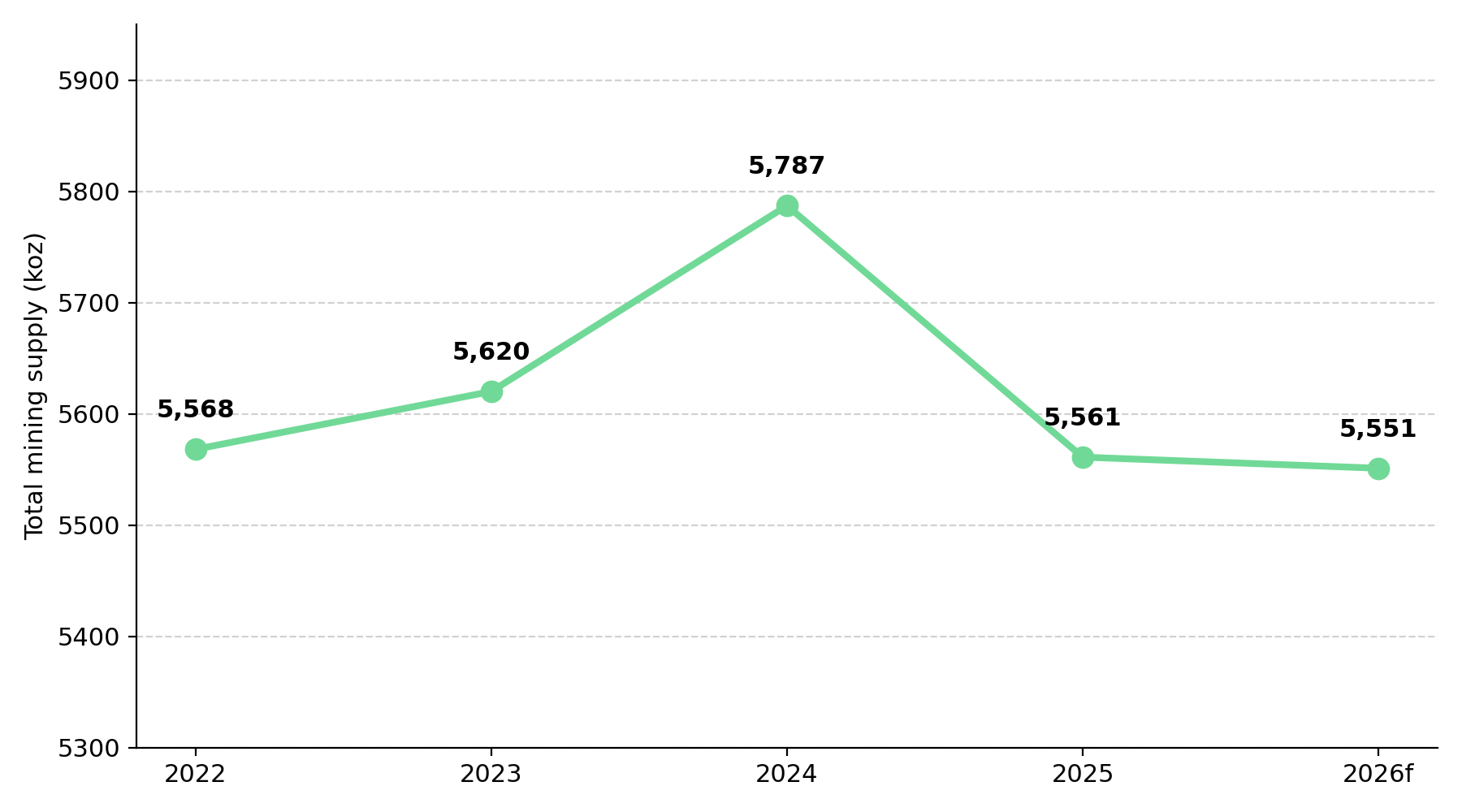
New PGM supply becomes viable only when forecast revenue provides a return above construction, operating, and financing costs. Rising power tariffs, higher wages, and deeper mines increase costs, while a firmer rand reduces the local value of dollar revenue and an 8.870% sovereign yield raises required project returns. These pressures increase the price needed to justify new mines, so platinum’s 20.78% year-on-year gain has not produced an immediate supply response, favoring existing low-cost producers.
Rising power, wage, and financing costs make historical PGM price averages a weaker benchmark for current valuations. Part of the basket-price gain compensates for higher operating costs rather than translating directly into cash flow. Low unit costs and strong cash conversion therefore separate producers that can sustain margins through a price decline from those dependent on high spot prices.
The Investment Thesis for Platinum Group Metals
- Electricity costs rose approximately 60% from 2021 to 2026 across South Africa and Zimbabwe, which supply roughly 80% of global PGM output, increasing unit costs and the price required to sustain high-cost production.
- Producers with low unit costs can convert strong PGM prices into current cash flow and dividends, providing metal-price exposure without the construction risk and multi-year timelines of pre-production assets.
- A stronger rand reduces the local value of dollar revenue, while a 7.00% policy rate and an 8.870% 10-year government bond yield raise financing and discount rates, favoring projects requiring less capital and shorter development timelines.
- Near-surface mineralization, existing infrastructure, and simple mining methods can support lower-cost PGM development, but without a completed economic study, capital needs and operating costs remain unverified, increasing reliance on potentially dilutive equity financing.
- Recycled PGM supply is projected to grow slightly above 10% in 2026 and approximately 8%-9% annually thereafter but would not prevent the forecast 297,000-ounce platinum deficit, as scrap volumes depend on vehicle sales from roughly a decade earlier rather than current prices.
- PGM companies with near-surface assets in jurisdictions offering reliable power and existing infrastructure can limit development and operating requirements, improving resilience against currency, financing, and input-cost shocks.
Current PGM prices are most informative when compared with unit costs and currency movements, because rising power tariffs, wages, and mining depths increase costs while a firmer rand reduces translated revenue. Vehicle scrappage and above-ground stocks provide clearer signals of recycling relief than spot prices because secondary supply depends on vehicles sold roughly a decade earlier. For exploration-stage assets, depth, grade, recovery, power demand, and infrastructure access provide early indicators of potential cost position. Resource conversion, scaled metallurgical results, and an economic study are the valuation milestones required to quantify capital needs, operating costs, and financing risk before resource potential can translate into project value.
TL;DR
Power costs across South Africa and Zimbabwe rose about 60% from 2021 to 2026, increasing production costs in a region responsible for roughly 80% of global PGM output. Despite platinum’s 20.78% year-on-year gain, high-cost operations remain under pressure, South African output fell 8.4%, and new mines face long development schedules and an 8.870% sovereign yield. Recycling offers limited relief because scrap supply depends on vehicles sold roughly a decade earlier, while the World Platinum Investment Council projects a 297,000-ounce deficit in 2026. Cost position, infrastructure, metallurgy, capital needs, and financing terms therefore matter more than resource size or spot-price exposure alone.
FAQs (AI-Generated)
Analyst's Notes





Subscribe to Our Channel




.jpg)


Stay Informed


